
Contractual Valuation of Attentional Fragmentation in Multi-Stakeholder Asynchronous Retainer Service Environments
Attentional fragmentation in multi-stakeholder retainers shifts cognitive recovery costs to vendors unless contracts assign cardinal fees to context switches.
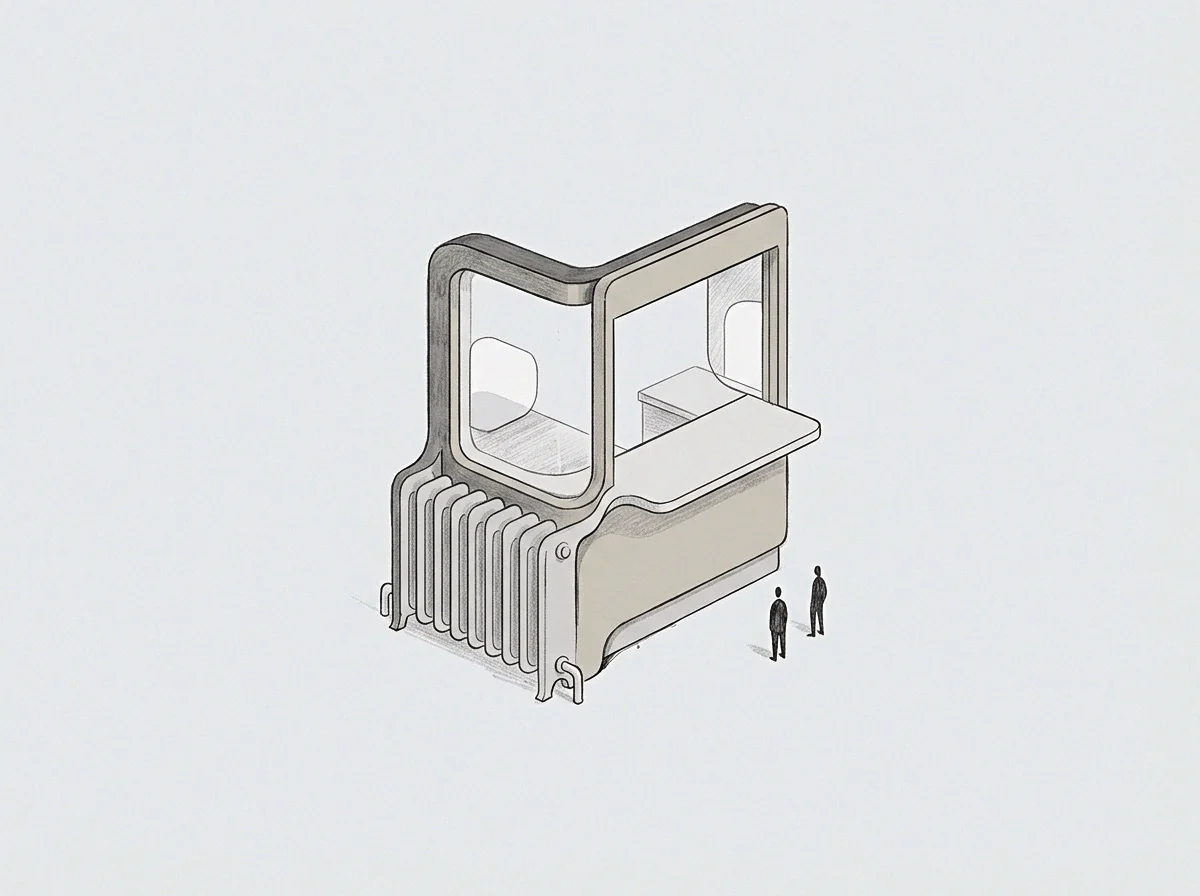
Splinter
An operator managing four asynchronous client accounts receives seven disconnected requests across three communication platforms before midday. Each ping demands ten minutes of review, yet the operational toll exceeds the arithmetic sum of those minutes. Attentional fragmentation occurs when continuous working memory scatters across disparate operational contexts, leaving an administrative residue that degrades analytical precision.
In multi-stakeholder asynchronous retainer service environments, this dispersion remains invisible on traditional invoices because timekeeping records only elapsed execution intervals.
Asynchronous agreements establish an implicit expectation of perpetual ambient availability. Clients purchase a retainer under the assumption of dedicated access, while the service provider distributes fixed cognitive bandwidth across multiple counterparties to preserve commercial viability. When stakeholder boundaries remain porous, interruptions arrive out of sequence, forcing the operator to rebuild task state repeatedly.
A contract pricing only delivered hours subsidizes client interruptions through unbilled cognitive reconstitution.
The resulting operational decay manifests across several distinct vectors:
- Contextual reconstitution consumes working memory through the retrieval of historical project details after every inbound query. Two hours vanish across an afternoon without producing a single deliverable milestone.
- Attentional dispersion dilutes deep analytical capacity across dozens of minor administrative acknowledgments. This dilution lowers output quality across all concurrent retainer accounts.
- Priority displacement reorganizes daily workflows around communication latency rather than milestone impact. The most vocal counterparty commands immediate attention regardless of task significance.
Uncontrolled contextual dispersion systematically destroys the service firm operating margin while degrading client deliverable quality across concurrent agreements.
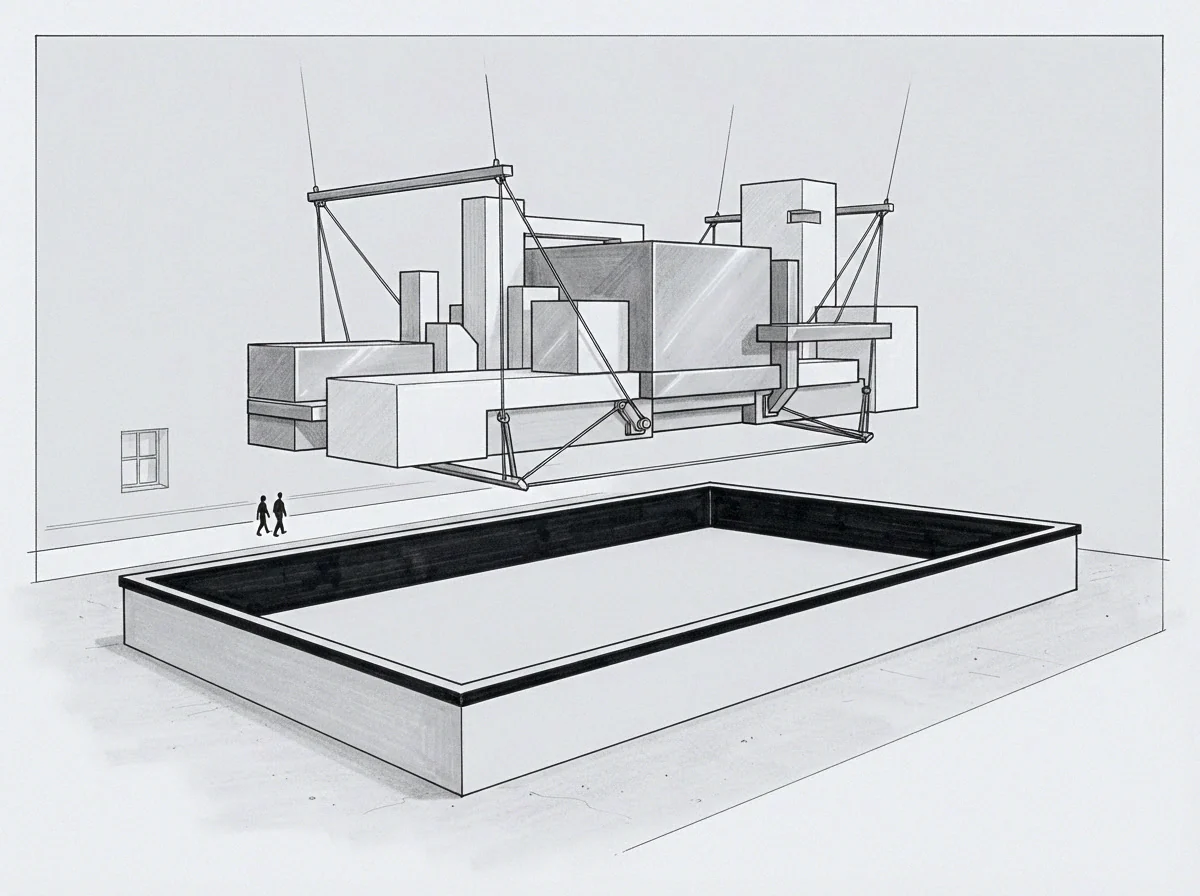
Clock
Standard professional service engagements rely on temporal duration as the sole cardinal denominator for billing. In multi-stakeholder asynchronous retainers, this denominator fails to measure attentional depletion. A fifteen-minute context switch between divergent strategic domains imposes cognitive friction that fifteen minutes of billable time cannot capture.
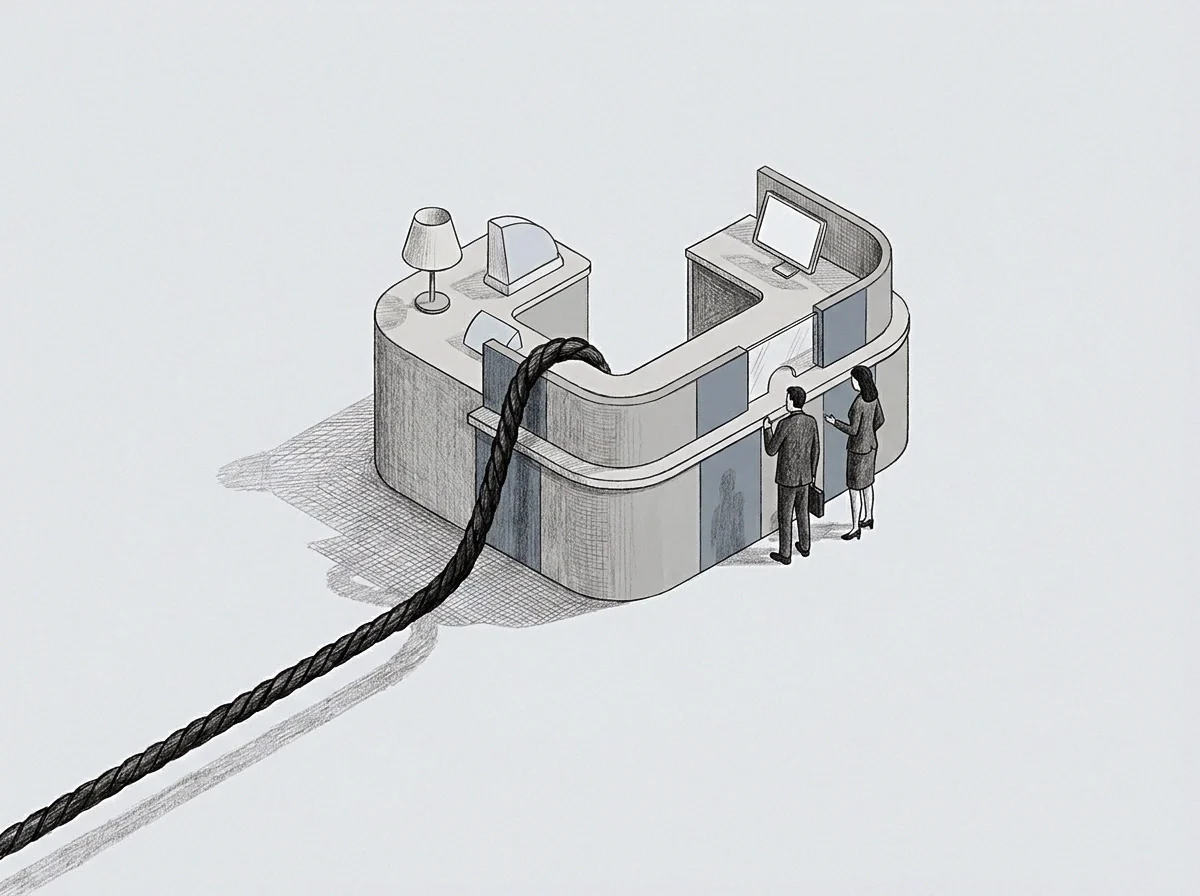
Cardinal Measurement Limits
Converting fragmented cognitive attention into an hourly figure conceals structural capacity deficits. The human attentional apparatus functions as an ordinal hierarchy where sequential tasks require activation energy to achieve momentum. When a contract prices work purely on cardinal time, it treats an hour of deep continuous focus as economically equivalent to four disconnected fifteen-minute blocks.
The two operational states produce radically different qualitative outcomes.
Consider an agency retaining five concurrent corporate clients at a fixed monthly rate. The contract specifies forty hours of monthly availability per client. Inbound stakeholder messages arrive asynchronously via shared boards, tickets, and chat channels.
Each inquiry requires context retrieval, technical validation, and written synthesis.
The timekeeper records five hours of total operational activity during a single business day. The professional sits depleted at twilight, unable to initiate strategic execution. The calendar confirms thirty-five open hours across the week, yet effective cognitive capacity stands exhausted.
The cardinal hour records availability; the attentional vector records bankruptcy.
Focus follows unbroken sequence rather than accumulated minutes.
The inability to quantify switching latency creates a structural transfer of wealth from vendor cognitive reserves to client administrative ease.

Shelf
Preserving project context across multi-stakeholder retainers resembles parking heavy computational threads in storage memory. Every active retainer maintains an unresolved cognitive footprint, occupying mental space long after direct messaging ceases. When four enterprise clients submit parallel strategic inquiries, the practitioner carries multiple concurrent state models simultaneously.
Suspended cognitive commitments generate passive mental overhead known in cognitive psychology as the Zeigarnik effect. Incomplete tasks continuously signal executive attention, preventing full mental presence in current execution. In asynchronous environments where stakeholders respond across divergent time zones, an engagement remains open indefinitely on the practitioner mental shelf.
The structural difference between isolated and shared communication architectures determines the velocity of cognitive depletion across concurrent retainer accounts.
| Retention Architecture | Context Switches per Day | Average Latency to State Reconstitution | Effective Weekly Capacity | Margin Erosion Risk |
|---|---|---|---|---|
| Pooled Asynchronous Retainer | 35 to 50 | 22 Minutes | 14 Hours | High |
| Batched Asynchronous Retainer | 8 to 12 | 14 Minutes | 26 Hours | Moderate |
| Synchronous Dedicated Window | 2 to 4 | 6 Minutes | 34 Hours | Low |
Contractual agreements structured around open access implicitly convert vendor attentional reserves into an unpriced public good. The client views periodic interruptions as negligible zero-cost administrative touchpoints, unaware of the compounding reconstitution lag experienced by the supplier.
The counterparty assumes the small inquiry took only five minutes of effort because the invoice reflected no material change in monthly retainer hours.

Tariff
Solving attentional depletion requires establishing explicit economic penalties within commercial retainer agreements. A firm protects cognitive capacity by pricing fragmentation directly into the retainer schedule, moving beyond passive time recording. When the economic cost of an interruption transfers to the entity initiating it, stakeholder communication habits adjust.
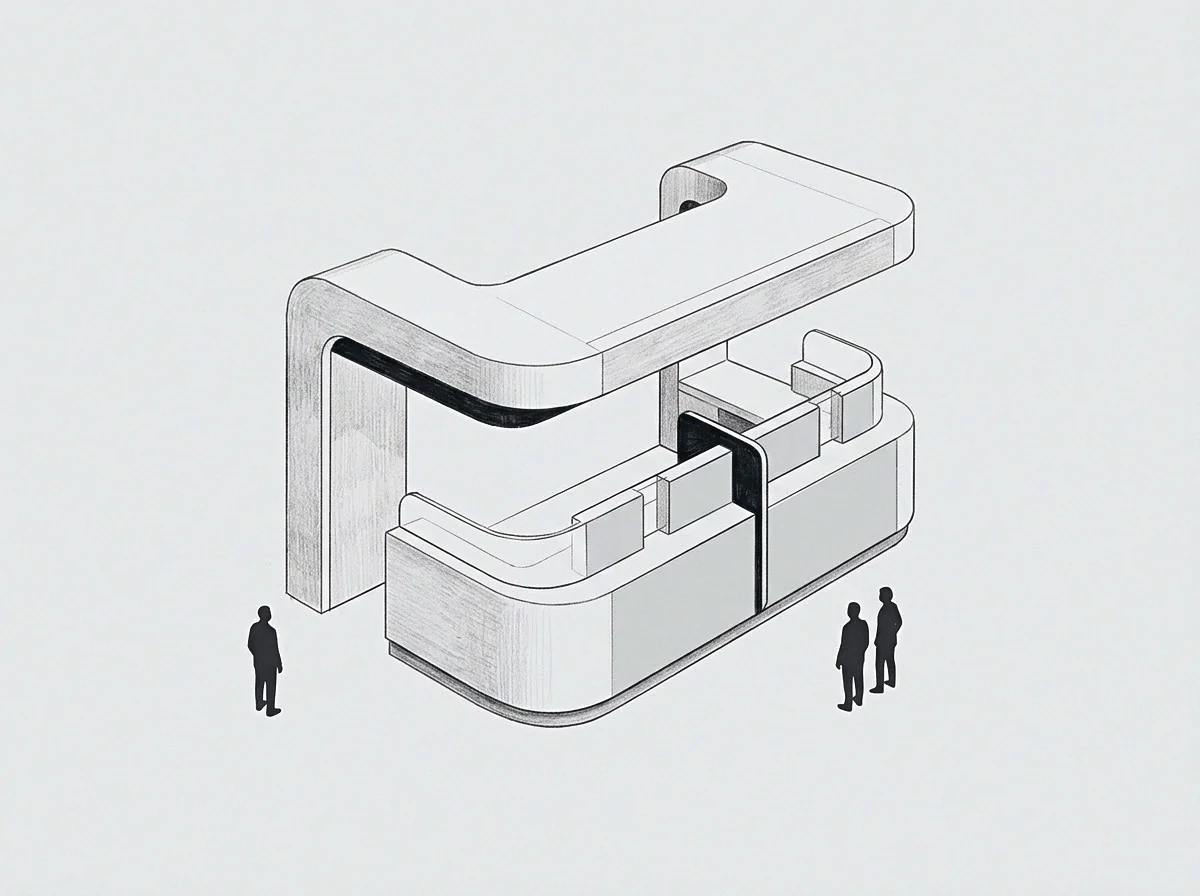
Contractual Instruments for Cognitive Preservation
Structuring contracts to value attention requires specific provisions that penalize unstructured operational friction. The service agreement converts qualitative cognitive strain into cardinal economic boundaries through explicit contractual clauses.
- Context switch surcharges deduct predetermined credit blocks from the monthly retainer allocation for each asynchronous interruption outside designated communication windows. Counterparties conserve non-urgent inquiries when every ad-hoc ping consumes measurable deliverable capacity.
- Batch processing limits restrict stakeholder communication reviews to two fixed daily operational intervals. Incoming inquiries held within asynchronous queues receive responses during formal triage windows, preserving unbroken morning deep work blocks.
- Stakeholder concurrency caps restrict the volume of designated client personnel authorized to log requests directly into retainer systems. Unrestricted access across whole client departments introduces chaotic context switching that rapidly exhausts vendor operational capacity.
A contract lacking financial friction on asynchronous inquiries invites operational exhaustion.
Implementation of these mechanisms forces counterparties to evaluate internal message urgency before initiating supplier contact. A client team consolidates disparate thoughts into coherent weekly briefs once individual notifications incur measurable contractual deductions.
The inclusion of an asynchronous dispatch threshold clause reduces administrative volume by forty percent while lifting client deliverable velocity across the engagement term.

Lease
A professional retainer functions commercially as a capacity reservation agreement. The client purchases exclusive option rights over provider attention, yet traditional agreements leave the bounds of that reservation undefined. True contractual valuation requires treating provider cognitive focus as a finite asset leased under explicit operational conditions.
When multiple enterprise retainers compete for concurrent access, the service firm operates an uncontrolled auction for cognitive bandwidth. Without structural rate cards keyed to attentional fragmentation, high-frequency low-value administrative interactions systematically displace deep programmatic execution. The operator absorbs this friction through unbilled weekend labor, physical exhaustion, and staff turnover.
Valuing fragmentation contractually aligns economic incentives between provider and purchaser. The client achieves superior analytical deliverables and faster milestone completion. The service provider preserves the deep focus required to solve complex technical challenges while commanding prices reflecting true cognitive expenditure.
Whether enterprise clients will universally accept explicit cognitive friction fees as standard commercial practice or migrate toward lower-tier providers offering unpriced perpetual availability remains an open strategic question for specialized professional service firms.