
Decoupling Cardinal Cash Runway Metrics From Ordinal Internal Operating Resource Allocation Gradients
Decoupling cardinal cash metrics from ordinal resource gradients prevents cash timeline compression from distorting operational capability trajectory.

Index
Financial reporting reduces complex organizational activity to a cardinal scalar figure. Cash runway measures the calendar duration remaining before liquid assets hit zero, calculated by dividing current cash balances by average monthly operational burn. Internal resource allocation operates on an entirely different scale.
Operating resource allocation follows an ordinal gradient, an ordered array of priorities where engineering hours, executive attention, technical capability, and organizational capacity move relative to one another based on strategic leverage.
Conflating these two measurement scales creates structural distortion inside early organizations. When capital reserves fluctuate, executive teams routinely force ordinal operational decisions to match cardinal cash trajectories directly. A contraction in cash runway prompts linear cuts across all internal activities, treating high-leverage research hours and low-leverage administrative tasks as identical cash line items.
Dollars measure external purchasing power.
A cash metric establishes an absolute boundary condition, while an operational gradient determines the direction of internal work under that boundary.
Money represents a cardinal unit permitting addition, division, and averaging across accounting periods. Internal operating capacity exists as a multi-attribute cost vector composed of time, cognitive energy, technical debt, and capability acquisition. Converting internal capacity directly into monetary prices at every decision point distorts execution.
A team spending eighty hours solving a core architectural problem incurs an internal cost defined by the alternative projects delayed, not by the pro-rata salary cash burn of those eighty hours.
When operational resource allocation is tied directly to monthly cash runway metrics, short-term cash preservation overrides long-term capability building. Teams abandon structural engineering initiatives with rising learning gradients whenever the runway counter drops past an arbitrary month threshold. This premature conversion of ordinal priority into cardinal price forces the organization to optimize for survival duration at the expense of output velocity.
The organizational unit survives six months longer while losing the underlying technical velocity that makes survival valuable.

Floor

Preserving Capability Gradients Across Decreasing Capital
Maintaining structural operational decoupling demands clear separation between boundary conditions and execution priorities. Cash balances define the absolute operational perimeter, establishing the temporal floor beneath which the organization ceases operation. Within that perimeter, operating resource allocation must follow internal return gradients rather than dollar depletion rates.
Operating capacity vectors move across distinct magnitudes during periods of capital pressure:
- Runway Shrinkage Trigger When liquid metrics drop below predefined operational windows, organizations frequently collapse multi-variable technical choices down to immediate cash conservation steps.
- Gradient Inversion Non-monetary capabilities receive deferred priority, causing technical infrastructure debt to compound faster than bank balance drawdowns.
- Transmission Distortion External updates present simplified price figures while obscuring internal hours vectors and attention exhaustion across senior engineering roles.
A functional operational architecture establishes explicit rules governing when cardinal cash metrics may alter ordinal priorities. Capital drawdowns trigger reductions in total volume, while internal priority rankings remain governed by technical leverage.
The rate of liquid cash expenditure sets the external clock, whereas internal capability vectors determine operational velocity.
Engineers evaluating alternative system architectures compare computational efficiency, maintenance load, and delivery speed. These attributes form an ordinal preference set where option A outperforms option B. Translating this ordinal ranking into an immediate cash figure risks distorting the selection process, as short-term dollar expenditures rarely correlate with internal technical debt accumulation. Stating internal costs early in hours and attention preserves decision accuracy across fluctuating bank balances.
The stated threshold clause in operational agreements determines when external financial metrics override internal operational autonomy.

Filter
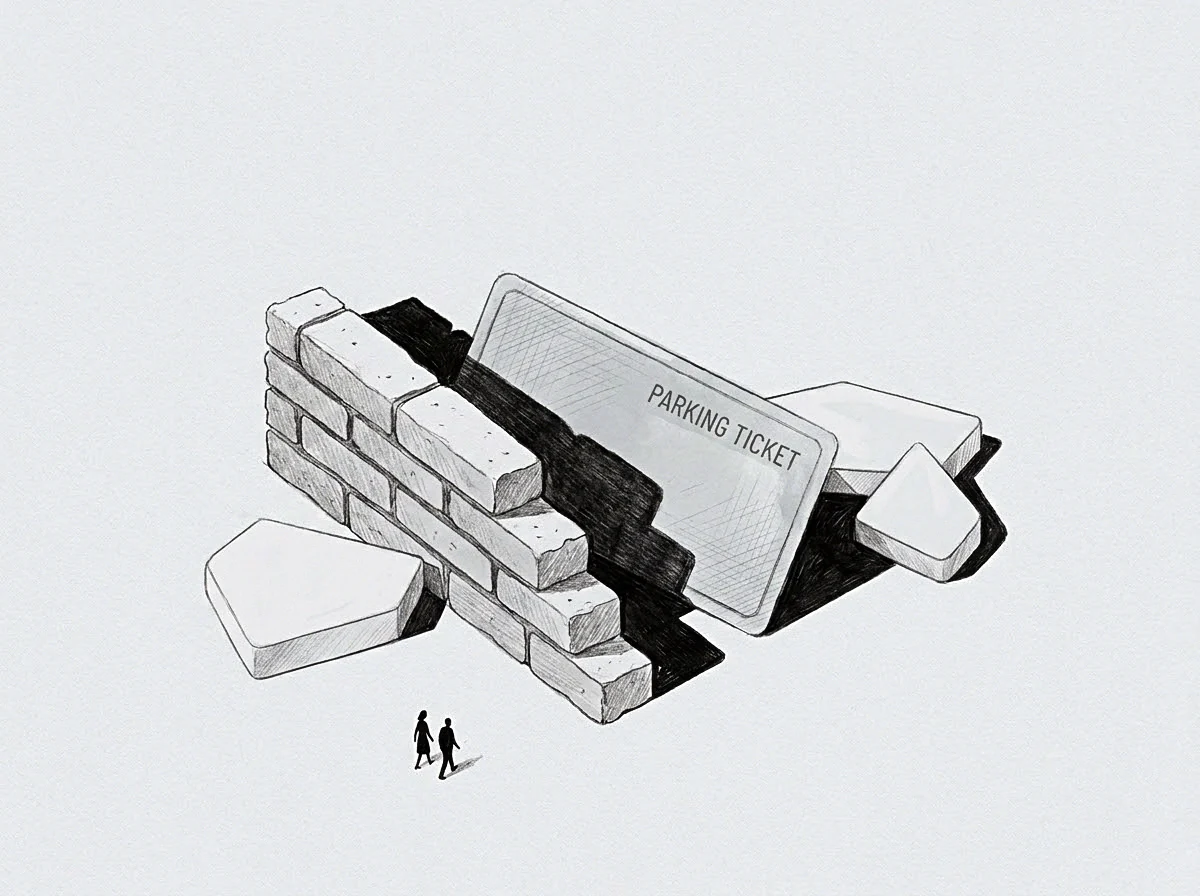
Whose Attention Decreases When Cash Burn Accelerates?
Consider two parallel software organizations operating with identical twelve-month capital horizons and identical monthly cash expenditure figures. The first organization links internal resource allocation directly to its monthly cash runway dashboard. Every drop in available months prompts a proportional reduction across all departmental budgets, forcing senior engineers to suspend core architecture redesigns to take on immediate billable implementation work.
The second organization maintains a formal separation between capital tracking and operational priority ordering. Cash runway establishes overall headcount limits, but internal engineering allocation follows a strict ordinal ranking based on system architecture leverage.
In the first organization, senior attention shifts continuously toward immediate revenue generation, regardless of technical efficiency. The hours vector spent addressing fundamental platform bugs collapses, while low-margin custom customer integration work expands. Operational speed drops despite stable cash expenditure.
In the second organization, senior executive hours remain locked on core platform capability, while non-essential expansion initiatives are paused. The team completes the architectural upgrade, increasing platform throughput, which subsequently reduces customer onboarding costs six months later.
| Dimension | Cardinal Runway Model | Ordinal Operating Gradient Model |
|---|---|---|
| Measurement Unit | Calendar months and currency figures | Ordered vector of hours, capacity, and leverage |
| Decision Friction | Continuous adjustments based on bank balances | Stable priority ordering within resource bounds |
| Signal Distortion | High; converts non-monetary effort into cash prices | Low; evaluates actual effort and opportunity costs |
| Capability Impact | Premature termination of technical development | Sustained investment in high-leverage systems |
When financial metrics dominate internal resource decisions, executive focus shifts from operational capability to cash conservation mechanics. The operator who evaluates internal work purely through financial accounting misses the hidden accumulation of organizational friction.
An operational gradient maintains strategic focus when financial metrics fluctuate unpredictably across short accounting periods.
The investor monitoring quarterly financial reports tracks liquid burn rates, while the internal engineering team measures technical throughput per operational cycle. The two perspectives operate on distinct information layers. Aligning internal engineering priorities directly with quarterly cash reporting schedules forces artificial engineering compromises to meet financial presentation goals.
Decoupling these layers allows the technical team to focus on capability accumulation while executive management handles capital structure adjustments separately.
Organizations spend less time managing month-to-month budget deviations when senior engineering hours focus entirely on core platform performance.

Span

Measuring Opportunity Cost Across Non Monetary Capacity
Direct monetary pricing fails to capture internal operational strain. An engineering department allocating three senior developers to mitigate infrastructure stability problems incurs an opportunity cost measured in delayed platform features, not simply in salary payments. This non-monetary operational cost remains hidden on standard financial income statements.
Structural failure patterns emerge when organizations evaluate internal operational allocations exclusively through cardinal financial metrics:
- Vector Flattening Treating all internal developer hours as uniform budget line items reduces complex technical problem solving to raw payroll calculations.
- Premature Conversion Translating qualitative technical research into immediate cash return expectations destroys early capability gains before maturity.
- Attention Starvation Directing executive focus entirely toward runway extension leaves critical internal tooling without maintenance support.
Capital signals secondary timing. Managing operational resource allocation through ordinal gradients requires tracking relative effort metrics alongside cash burn figures. When senior leadership ranks operational initiatives by strategic leverage rather than immediate budget impact, high-value technical capabilities develop consistently regardless of capital market conditions.
Tracking internal resource vectors alongside financial runway metrics protects technical momentum during market downturns.
Operational effort spent on core architecture building generates cumulative capability gains over time. Measuring this progress solely through currency depletion creates an illusion of inefficiency during intensive development phases. An organization spending money without visible revenue expansion may actually be maximizing its technical advantage, provided the internal operational gradient targets core architectural leverage.
Evaluating operational health requires examining internal priority vectors rather than cash depletion rates alone.

Tranche
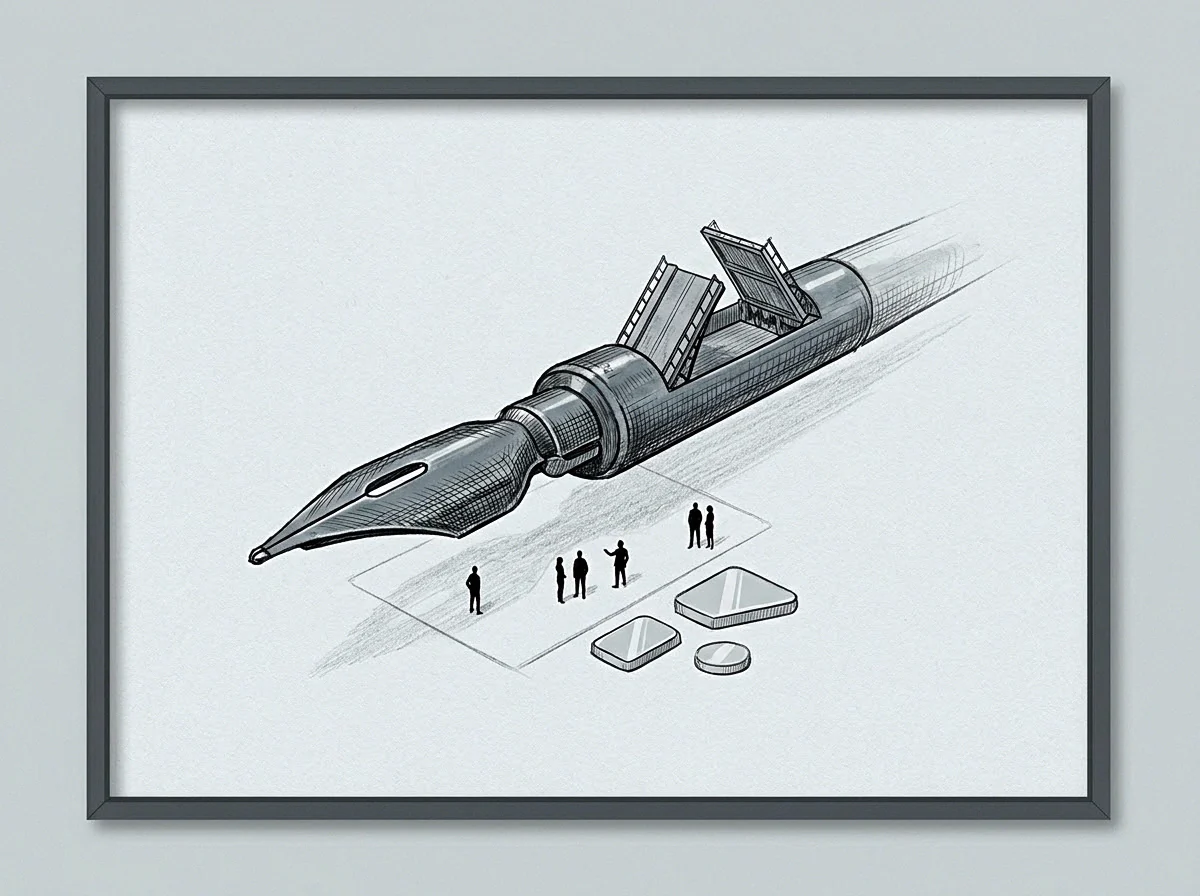
Structural Execution Moves For Operational Independence
Decoupling cash metrics from internal priority ordering requires distinct structural separation between capital governance and operational execution. Executive leadership implements this separation by establishing fixed operational execution windows decoupled from capital fundraising events. Operational priorities are established at the start of an execution window based on ordinal technical leverage.
Financial governance operates through capital tranches released upon achieving objective operational milestones rather than calendar dates. The operational team executes against its priority vector without continuously modifying resource allocation to match intermediate bank balances. When cash reserves drop toward boundary levels, financial management initiates capital structuring activities externally, keeping internal engineering focus locked on platform capabilities.
This operational architecture isolates internal workflows from external market volatility. Senior operators manage the multi-attribute hours vector, ensuring executive attention remains directed toward high-leverage technical challenges. The organization maintains internal velocity while keeping financial boundary conditions strictly contained.
Decoupling cardinal cash metrics from ordinal resource gradients protects operational capability, allowing technical teams to build durable assets within clear financial limits.