
Establishing Contractual Standstill Agreements During Acute Executive Fatigue
Contractual standstill agreements freeze corporate voting, equity transfers, and strategic transactions to protect governance while fatigued executives recover cognitive capacity.
Deficit
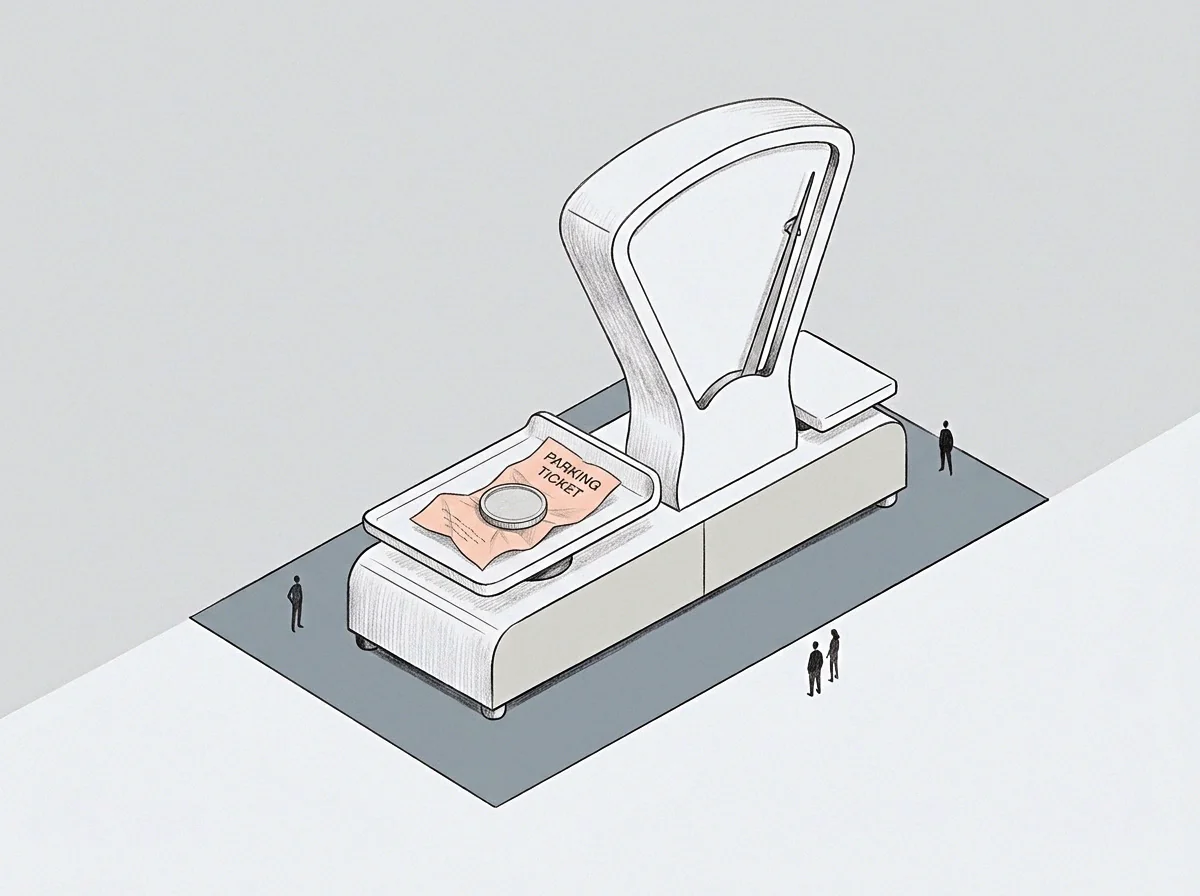
A chief executive sits at a desk at three in the morning with an unread draft of an acquisition term sheet. Forty-eight continuous hours of operational friction have reduced processing speed, memory recall, and risk calibration. The physical ledger shows positive cash balances, yet internal cognitive capacity has reached absolute exhaustion.
Decisions made in this state convert unpriced internal depletion into permanent equity losses.
Cognitive depletion alters how operational decisions are evaluated. When executive exhaustion sets in, long-term opportunity costs disappear from the evaluation process, leaving short-term relief as the primary target. Executive fatigue operates as an unpriced ordinal vector.
The hours spent maintaining nominal operational presence consume attention reserves. Capacity drops. The capability gained per hour of work approaches zero.
Stating this internal drain early allows board members to read the true cost of operational momentum.
Board governance standardly assumes full cognitive availability from officers. When acute fatigue strikes, standard voting rights and executive authorities remain active, creating structural fragility. A tired leader facing aggressive investor demands or hostile buyouts routinely signs binding agreements simply to conclude the interaction.
The contractual standstill agreement provides a legally binding pause, freezing corporate actions to protect the firm from depleted decision-making.
Executive fatigue converts unpriced internal cognitive exhaustion into permanent operational losses when governance structures demand immediate decisions.
The contract operates as a temporary legal dam. It suspends unilateral equity transfers, key executive resignations, board seats adjustments, and debt re-negotiations. During acute exhaustion, the cost of processing complex legal choices increases exponentially.
Instituting a standstill transfers the operational clock from a real-time emergency to a measured pause.
Executing an emergency standstill without pre-defined trigger terms introduces friction with investment partners. Equity holders often view a sudden request for operational pause as leadership failure. Delaying the establishment of standstill parameters until cognitive collapse occurs guarantees that the negotiation of the standstill itself takes place under compromised judgment.

Seat
The executive seat carries implicit fiduciary obligations that do not diminish during physical exhaustion. Corporate statutes enforce strict standards of care regardless of officer fatigue. A contractual standstill agreement reconfigures the boundaries of the executive seat during acute operational stress.
It establishes clear parameters for what decisions may be made, which authorities are temporarily delegated, and which corporate actions are frozen.

Structural Parameters of Corporate Pause Agreements
A effective standstill contract defines exact boundaries for corporate governance during the recovery window. It restricts both the executive and external stakeholders from altering the balance of power.
| Governance Axis | Standard Corporate Operating Protocol | Contractual Standstill Baseline Protocol |
|---|---|---|
| Capital Allocation | Unilateral officer spending up to designated board limits. | Strict freeze on non-payroll capital expenditure above baseline thresholds. |
| Equity Issuance | Board-approved stock grants and option conversions. | Absolute moratorium on equity grants, transfers, or option exercises. |
| Board Composition | Standard proxy voting and emergency seat replacements. | Freezing of board seats, proxy solicitations, and removal notices. |
| Executive Resignation | Immediate officer withdrawal permitted with standard notice. | Contractual postponement of voluntary resignations for thirty days. |
The contract insulates the organisation from impulse actions. Exhausted leaders routinely offer concessions to end uncomfortable negotiations. The standstill agreement removes the legal authority to grant those concessions during the designated window.
Preserving governance integrity requires defining specific failure modes before cognitive depletion occurs. Operational standstill instruments fail when key clauses remain ambiguous or incomplete.
- Unilateral Authority Freeze prevents any single officer or director from executing binding corporate contracts without full board consent during the standstill period.
- Information Gating Protocol routes all external buyer inquiries, investor communications, and legal threats through designated secondary counsel.
- Operational Status Quo Baseline holds all employment terms, vendor contracts, and product roadmaps strictly static for the duration of the agreement.
Board members receive written notice that executive authority has transitioned into standstill status. The clock starts immediately. The interim operating parameters govern every decision until the contract expires.
The counterparty accepts the temporary suspension of rights because the alternative is an immediate total breakdown of corporate negotiations.

Pause
Activating a standstill agreement creates an operational vacuum that requires clear management. Interim management responsibilities fall to designated operational leads while the primary executive enters complete cognitive rest. This structural isolation protects both the leader and the firm.
Execution Protocols During Standstill Windows
Transitioning into a contractual pause involves precise administrative steps. The execution sequence guarantees that governance stability remains intact while executive attention is fully withdrawn.
- Formal execution of the standstill agreement by all voting equity holders and officers.
- Transmission of notice to primary financial institutions limiting non-standard wire authority.
- Delegation of day-to-day tactical approvals to the chief operating officer or designated vice president.
- Installation of complete communication firewalls around the recovering executive officer.
Information flow during the pause must be strictly contained. Continuous updates defeat the purpose of cognitive rest. The interim leadership team handles routine decisions, escalating only predefined existential threats to the board.
Contractual standstill agreements freeze legal rights to create space for cognitive baseline recovery.
Financial caps remain frozen at historical operational baseline levels. No new debt facilities may be accessed. No strategic pivots may be announced.
The organisation operates in steady-state maintenance.
The standstill clause specifies that any notice delivered to the recovering executive during the designated pause window is legally void until the expiration timestamp listed in the contract.

Term
Legal enforceability forms the core of any contractual standstill instrument. Courts enforce standstill agreements when terms are precise, time-bound, and supported by valid consideration. In acute fatigue situations, consideration often takes the form of mutual forbearance: equity holders agree not to exercise rights while the executive agrees not to resign or execute unilateral corporate changes.
Fiduciary Alignment and Board Oversight
Directors owe fiduciary duties of care and loyalty to the corporation. Allowing an acutely fatigued executive to make major strategic choices violates the duty of care. A structured standstill protects board members from liability by establishing a controlled, deliberate process.
Consider a situation with two founders holding equal voting rights in a technology business. Founder A has worked ninety hours per week for six consecutive months, experiencing severe cognitive fatigue. Investor B offers a low valuation buyout with a forty-eight hour expiration window.
Under standard governance, Founder A might accept the offer to end the operational pressure. Under a pre-established standstill contract, Founder A lacks the legal authority to sign the buyout unilaterally. The agreement forces a mandatory thirty-day pause.
The buyout offer is held open by contract. Investor B cannot alter terms during the freeze. Upon resting, Founder A evaluates the offer with full cognitive processing, rejecting the discounted buyout and preserving significant equity value.
The price of establishing a standstill includes legal drafting fees and potential transaction friction with aggressive counterparties. The ordinal cost of failing to establish a standstill is the potential loss of the entire enterprise through impaired decision-making.
Pre-negotiated standstill terms eliminate the need to draft complex legal structures while in a state of operational crisis.

Margin
Exiting a contractual standstill requires deliberate assessment. Returning an executive to full voting and operational authority before cognitive baseline recovery leads to immediate re-traumatisation of governance. The return process must measure operational readiness objectively.
Cognitive metrics provide objective indicators for re-entry. Sleep track metrics, baseline decision testing, and qualitative assessments by neutral medical professionals inform the board’s decision to lift the standstill.
Clear thresholds govern the end of the pause. If the executive reaches full operational capacity, standard governance resumes automatically. If cognitive recovery remains incomplete at the expiration of the standstill term, secondary contingency clauses activate, extending the pause or initiating formal executive transition.
Governance resumption without objective cognitive baseline verification reintroduces structural fragility.
The margin between sustainable leadership and total collapse is thin. Standstill agreements formalize the boundaries required to maintain structural integrity across organizational lifecycles. They recognize that human capacity is bounded, while corporate legal obligations are continuous.
What criteria determine whether an executive has recovered sufficient cognitive capacity to resume full fiduciary authority without risking systemic corporate loss?