
Quantifying Client Churn Risks During Unbounded Retainer Channel Deprecation Transitions
Removing direct client messaging channels converts hidden internal cost vectors into explicit monthly retainer retention decisions.

Wire
An open communication channel attached to a monthly retainer functions like an unpriced options contract. When clients have direct messaging access, they send requests without considering the operational friction imposed on the service team. Over six months, brief, continuous messages accumulate into significant labor hours that never appear on an invoice.
The client measures retainer value by response speed, while the agency measures it by monthly financial execution, creating an invisible drain on internal bandwidth.

The Impact of Continuous Availability
Continuous messaging channels obscure the actual effort required to manage an account. When access remains open without boundaries, operational capacity drops as team members context-switch across fragmented tasks and lose focus hours. These constant interruptions force staff to rebuild context repeatedly, stretching project timelines and compromising deliverable depth.
An unbounded messaging channel converts predictable retainer revenue into an unstable operational cost whenever client request frequency exceeds planned capacity.
Unbounded messaging channels hide scope creep behind casual conversation. A quick chat request feels minor to the sender, but executing ten small requests daily burns through several uninterrupted focus blocks. Unpriced client requests gradually turn high-margin retainers into unprofitable commitments.
Whether clients value real-time response speed more than final deliverable quality is a question each firm answers during account restructuring.
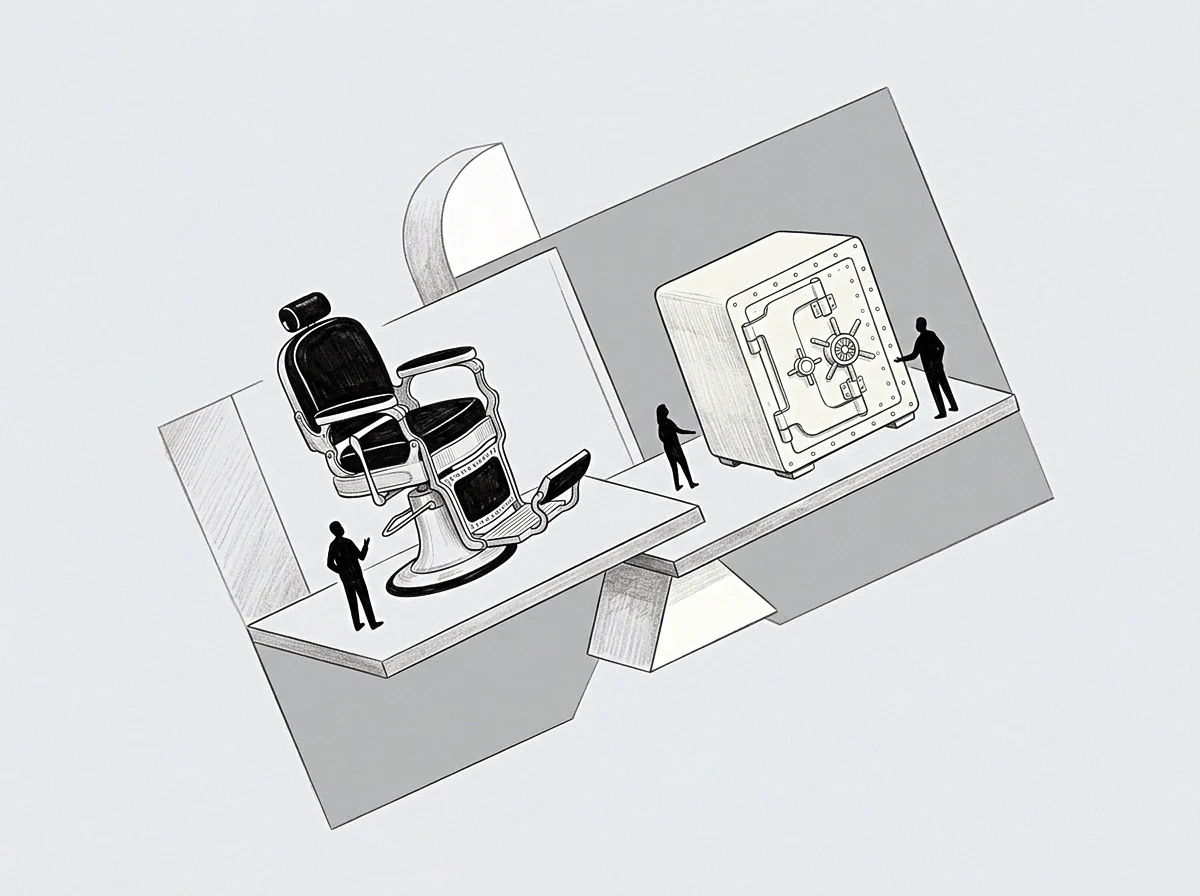
Tally
Monthly financial invoices obscure the true cost of client service delivery. Evaluating account profitability strictly by cash receipts ignores the internal capacity consumed by real-time communication. Measuring client risk requires breaking down total expenditure into hours spent, attention fragmented, and strategic focus lost.

Decomposing Internal Friction Across Client Accounts
Isolating the hidden inputs of retainer delivery exposes accounts that exhaust agency resources.
- Attention Fragmentation Rate measures how frequently team members interrupt deep technical work to address ad-hoc messaging inquiries.
- Capacity Deficit Ratio tracks the gap between contractual hours sold and total labor hours consumed by real-time comms.
- Capability Opportunity Cost quantifies high-value strategic work lost while personnel maintain immediate response times on minor requests.
- Cardinal Price Conversion translates cumulative operational expenditures into a single dollar baseline to evaluate account profitability.
Take an agency managing ten client retainers at eight thousand dollars monthly each. Assume three accounts consume seventy percent of direct messaging channels, averaging twenty-five daily inquiries that demand immediate triage. Tracking these three accounts over two quarters reveals an extra forty labor hours per month spent inside chat channels.
Beyond the direct labor, the broader cost includes lost attention, delayed deliverables for other accounts, and mounting staff fatigue.
Converting internal comms overhead into a dollar figure reveals which retainer relationships operate at a structural loss.
When internal labor demands rise while retainer fees remain fixed, operational margins compress silently. Account managers absorb the tension between client expectations and delivery capacity. Failing to measure continuous communication overhead leads firms to miscalculate retainer profitability and preserve client relationships that systematically drain capacity.
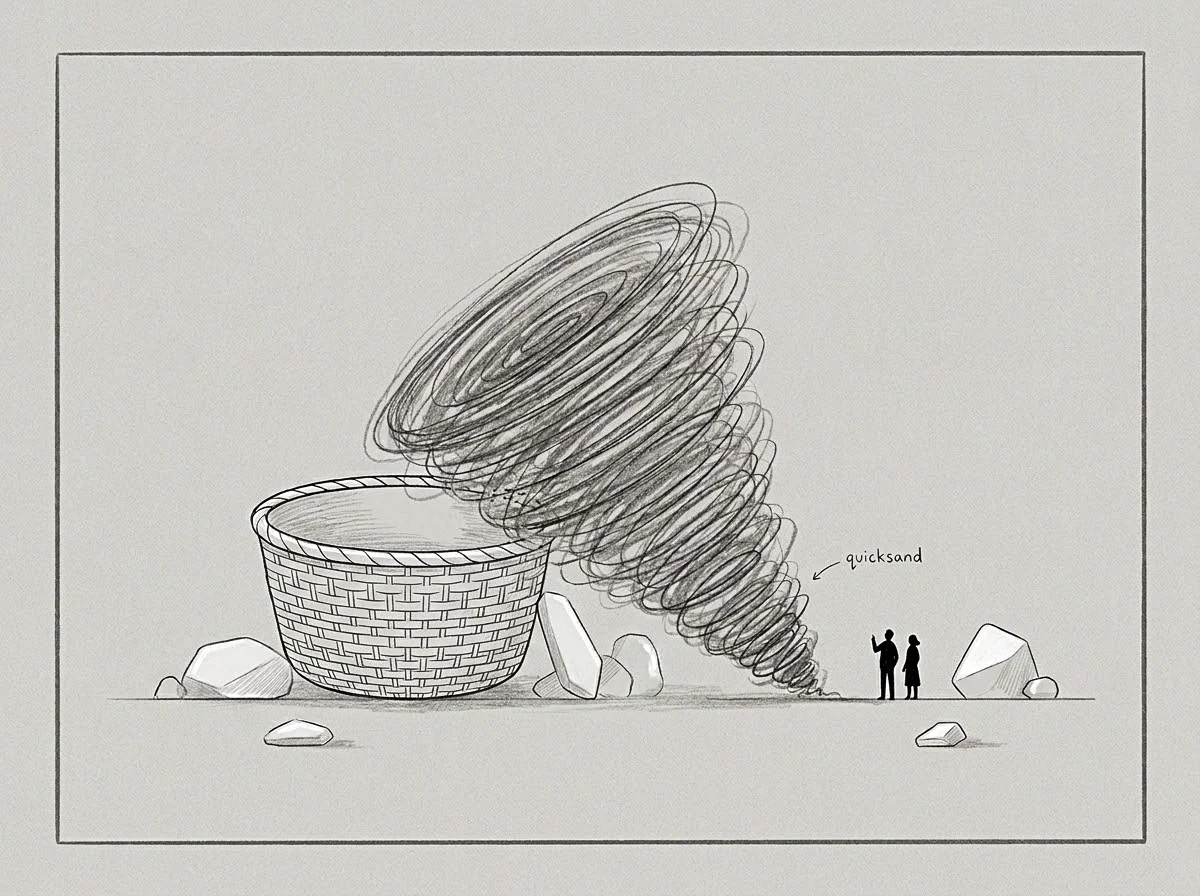
Drift
Clients adapt differently when real-time availability is reduced. Removing direct messaging access introduces response latency into account communications. Certain clients accept structured updates, while others interpret delayed access as a loss of contract value.
Quantifying churn risk during channel migration depends on identifying client reliance on instant communication.

How Does Response Latency Alter Client Retention Risk?
Account retention risk correlates directly with a client’s operational dependence on instant communication.
| Client Segment | Monthly Communication Load | Perceived Channel Utility | Estimated Retainer Churn Risk | Capacity Vector Recovery |
|---|---|---|---|---|
| Operational Dependents | High (15+ chat pings daily) | Immediate Triage | High (40% – 60%) | High (+25 hours monthly) |
| Asynchronous Partners | Moderate (2-4 async pings daily) | Structured Updates | Low (5% – 10%) | Moderate (+8 hours monthly) |
| Strategic Buyers | Low (Weekly scheduled sync) | Executive Outcomes | Negligible (<5%) | Low (+3 hours monthly) |
Operational Dependents treat direct messaging as an extension of their internal workforce, using instant channels to delegate unstructured tasks without prior planning. Transitioning these clients to structured tickets or scheduled meetings increases interaction friction, prompting them to evaluate whether the retainer remains viable without instant access.
Clients who equate continuous instant messaging with primary retainer value exhibit the highest probability of exit during boundary enforcement.
Asynchronous Partners and Strategic Buyers focus on project deliverables and business outcomes, experiencing minimal disruption during channel migration. They view removing direct chat as a professionalization of service delivery rather than a loss of access. Conversely, for dependents, a retainer feels degraded if accessing the team requires logging into a queue instead of sending a direct message.
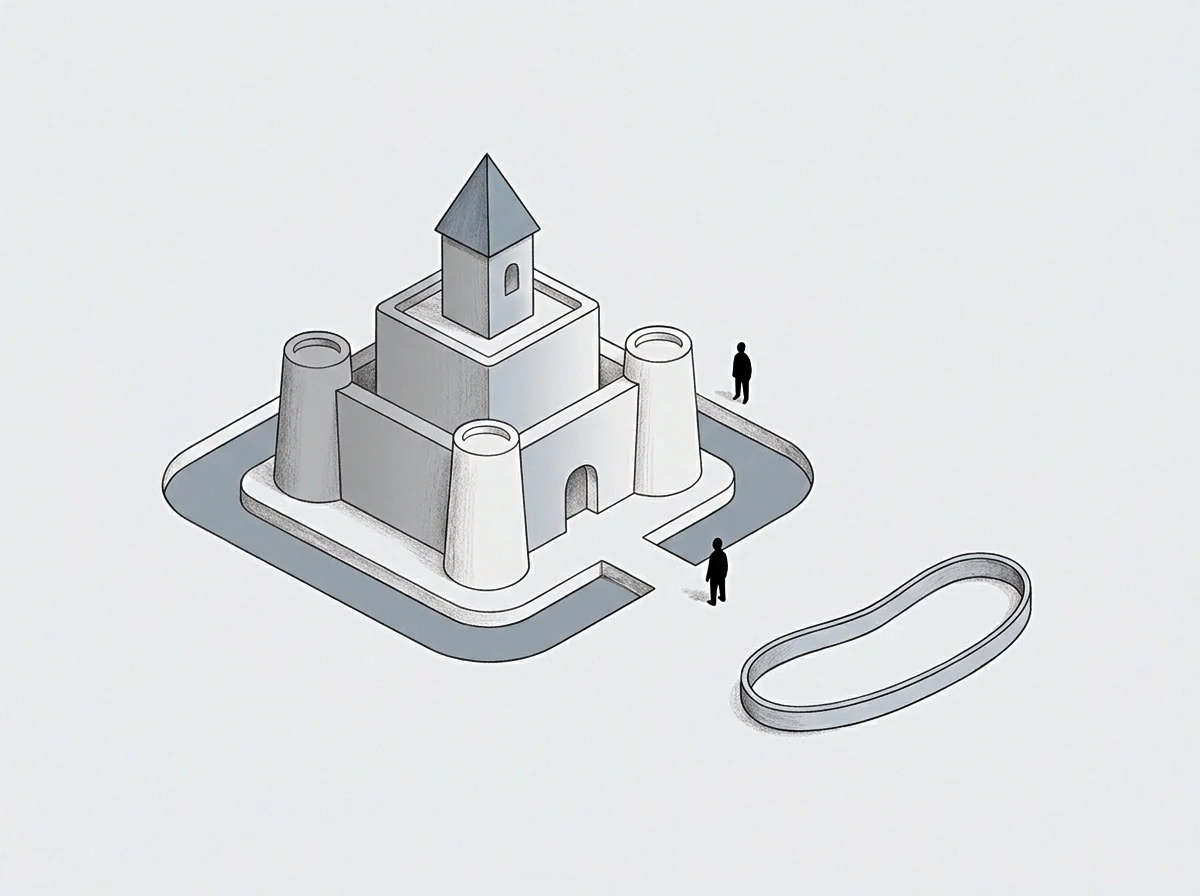
Bound
Restructuring access channels requires deliberate management to preserve client trust. Abruptly closing messaging channels without establishing alternative workflows triggers friction and accelerates churn. Successfully removing direct channels depends on setting clear limits, defining communication parameters, and establishing predictable response windows.
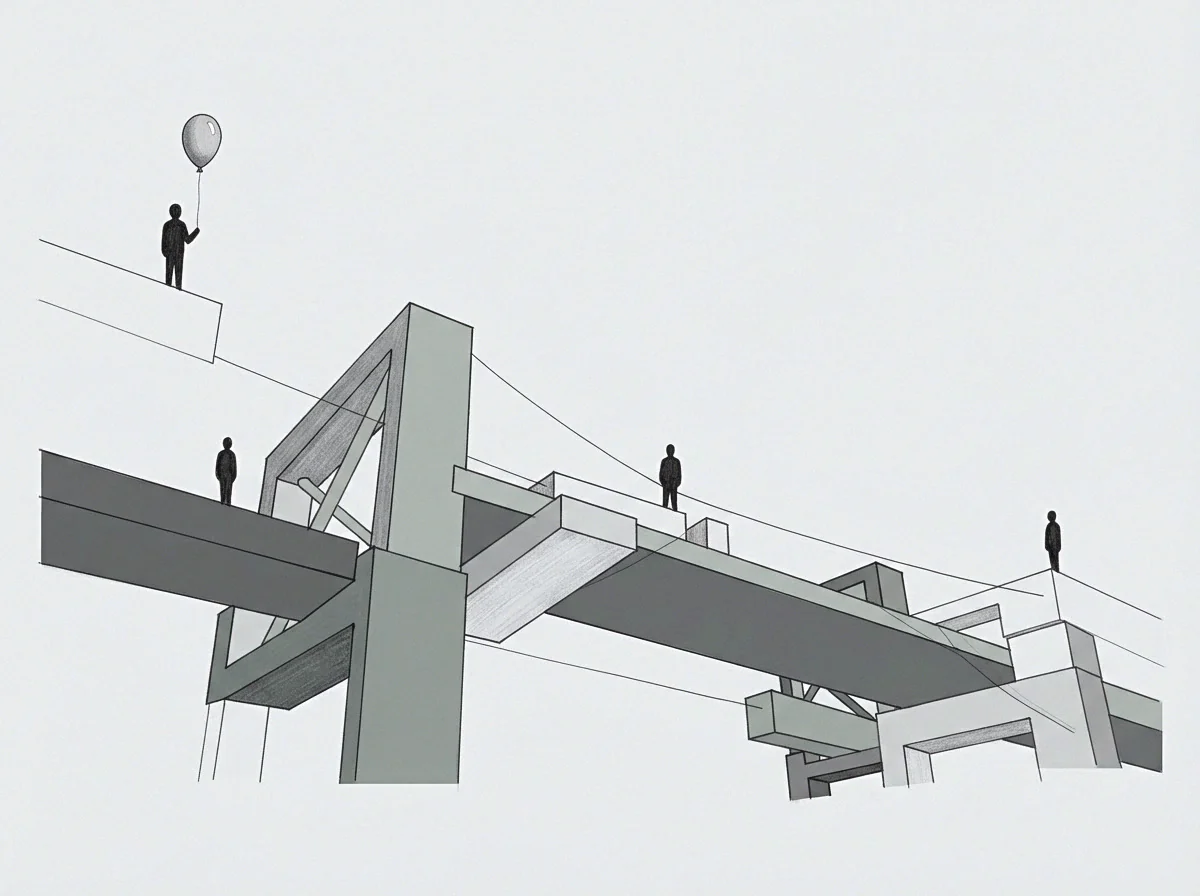
Sequencing the Migration to Scheduled Interaction
Service providers deploy structured transition phases to shift clients into asynchronous communication formats.
- Audit incoming retainer communication across active client accounts for thirty days to identify real messaging volume.
- Draft communication parameters detailing approved asynchronous channels, targeted response times, and emergency escalation paths.
- Schedule contract alignment sessions with account stakeholders prior to removing continuous chat access.
- Deploy structured ticketing platforms or dedicated weekly updates while simultaneously reducing live chat monitor hours.
During the transition phase, clear communication parameters reduce client anxiety about accessibility. Establishing defined windows for status updates reassures clients that project momentum continues without continuous messaging, while reclaimed hours yield strategic bandwidth.
Client churn during channel migration often reflects a realignment toward sustainable operating margins rather than a net financial loss.
Managing the transition can also involve pricing adjustments for clients who insist on retaining real-time channels. Charging a premium for direct chat access internalizes the friction cost and compensates for fragmented capacity. Including an explicit communication SLA clause in retainer renewals replaces informal access expectations with enforceable service parameters.
Proof
Removing continuous chat access alters internal operational economics across active accounts. Closing real-time channels eliminates random work interruptions and restores continuous deep focus, converting staff capacity back into productive project output and core service delivery.
Evaluating Reclaimed Bandwidth and Service Margins
Reclaimed labor hours directly improve agency throughput. While high-dependence accounts may exit during channel deprecation, the resulting revenue loss stays bounded. The remaining retainers yield higher net margins due to reduced account management overhead.
Evaluating post-transition capacity confirms that higher delivery focus offsets localized retainer revenue loss.
Operational margins stabilize when continuous attention leaks stop. Reclaimed capacity permits teams to onboard higher-tier accounts that respect structured async delivery models, turning hours once lost to low-margin client management into room for higher-value growth.