
Mapping Unspent Volumetric Capacity Boundaries Across High Variance Computational State Spaces
Unspent computational capacity is mapped by measuring the distance between lowest-cost execution paths and boundary walls across high-variance workloads.
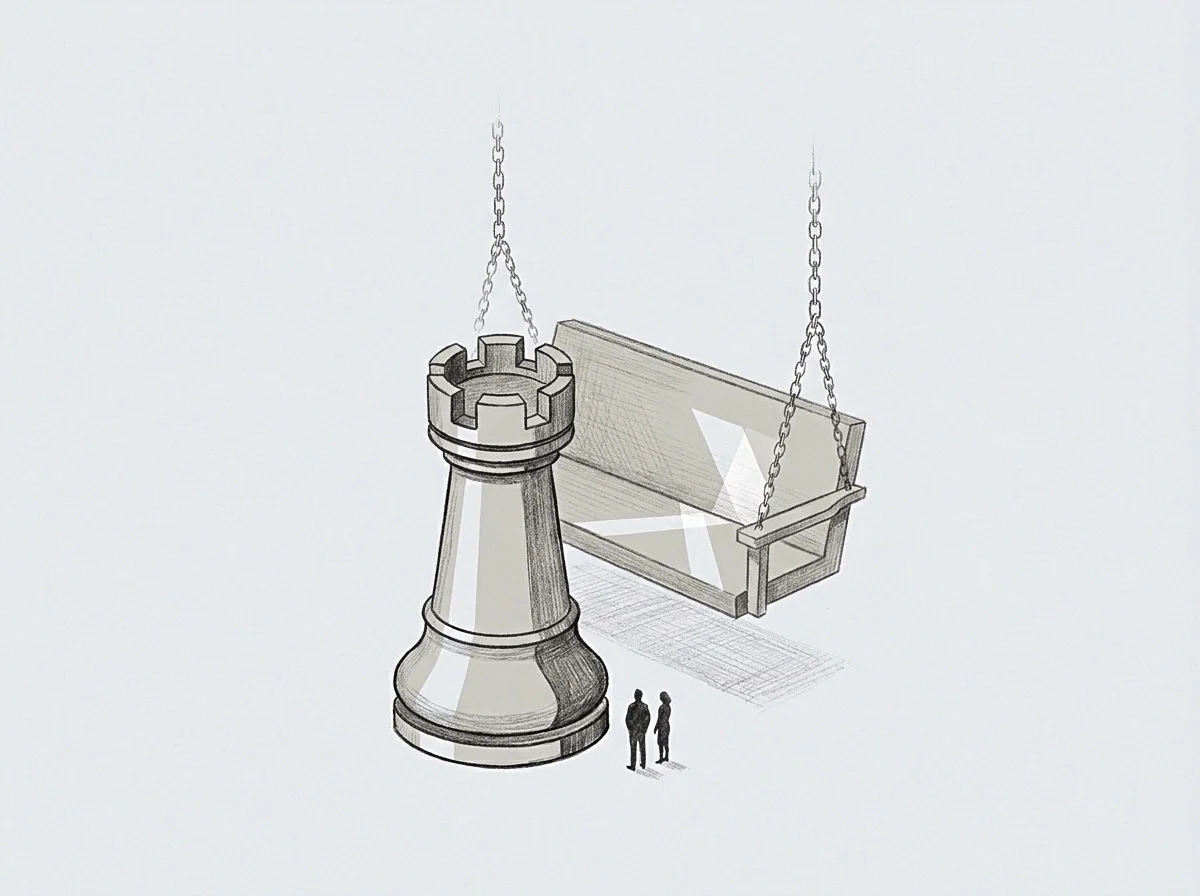
Locus
Distributed computation engines handling dynamic workloads run against shifting parameters. Where task variance is severe, execution bounds change constantly with incoming job complexity. Engine settings tuned for mean throughput rarely capture the margin between baseline operation and instantaneous peak spikes.
Evaluating the system requires using value as the reference axis, deriving execution gradients from state efficiency instead of generic benchmarks. Computational systems drift downward along paths of least resistance, settling into cheap loops whenever expensive state transformations are deferred. That settling leaves measurable volumetric capacity unspent along the upper boundary of the state space, where mapping it outlines operational potential that would otherwise remain hidden.

Coordinate Axes in State Space Analysis
State spaces are defined by independent operating metrics, primarily memory allocation, thread concurrency, and network transfer rates. When task requirements diverge, system states trace non-linear paths across these dimensions. The baseline axis anchors measurement at the minimum sustained resource floor needed to preserve stability under basic load.
Calculating the gradient across this space shows where allocation begins resisting higher workloads, as routines drop into cheaper processing paths by default.
In high-variance state spaces, avoidance serves as a coordinate marker. Each time an execution thread skirts an intensive calculation, that bypass point marks an operational boundary where the active model becomes computationally or economically restrictive. The unspent volume sitting above the baseline corresponds directly to the scale of those bypassed transformations.
Measuring that capacity means calculating the spread between the cheapest execution path and the theoretical ceiling.
When high-variance workloads bypass intensive state calculations, unspent compute capacity collects along the operational margin as latent overhead.

Evaluating Baseline Execution Envelope
Static monitoring tracks CPU load and memory use as aggregate percentages, which smooths out resource spikes over wide sampling windows and hides the underlying capacity boundaries. A cluster reporting sixty percent average CPU use might actually be swinging between a ten percent baseline and ninety percent saturation. Those rapid swings leave fragmented pockets of unspent capacity that typical monitoring agents miss entirely.
Mapping capacity accurately requires discrete sampling at sub-second intervals to outline the real operational envelope. Comparing real-time resource reservations against the actual execution footprint exposes the full volume of unspent compute, which in high-variance setups frequently accounts for more than half of the provisioned environment. Under static allocation rules, identifying this margin pushes scheduling past rigid server caps toward dynamic vector allocation.
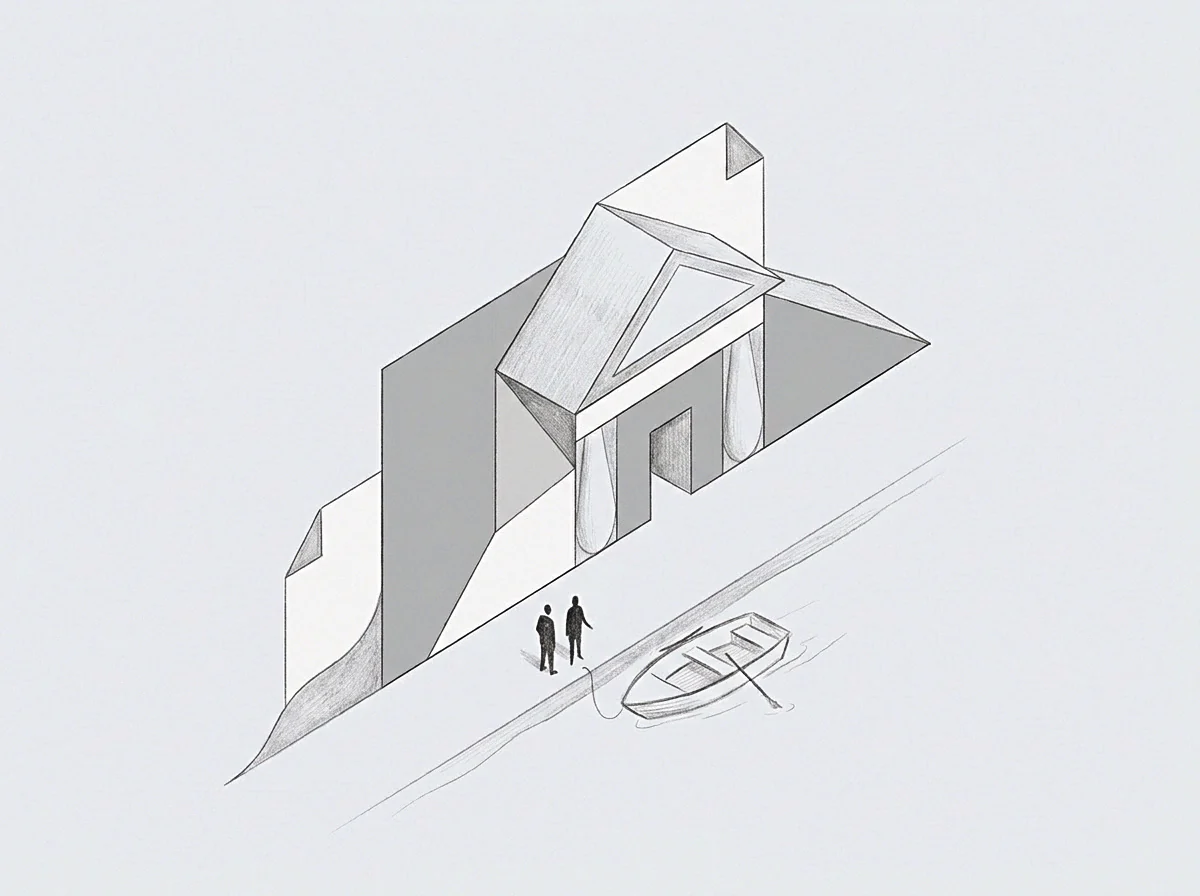
Room
Physical deployments impose rigid spatial limits on state spaces. Server racks, thermal thresholds, and bus interconnects set the outer bounds of throughput, within which logical routines partition off structural rooms where unprocessed states gather over time. Faced with heavy data variance, execution threads pull back into local memory partitions rather than saturate the interconnects.
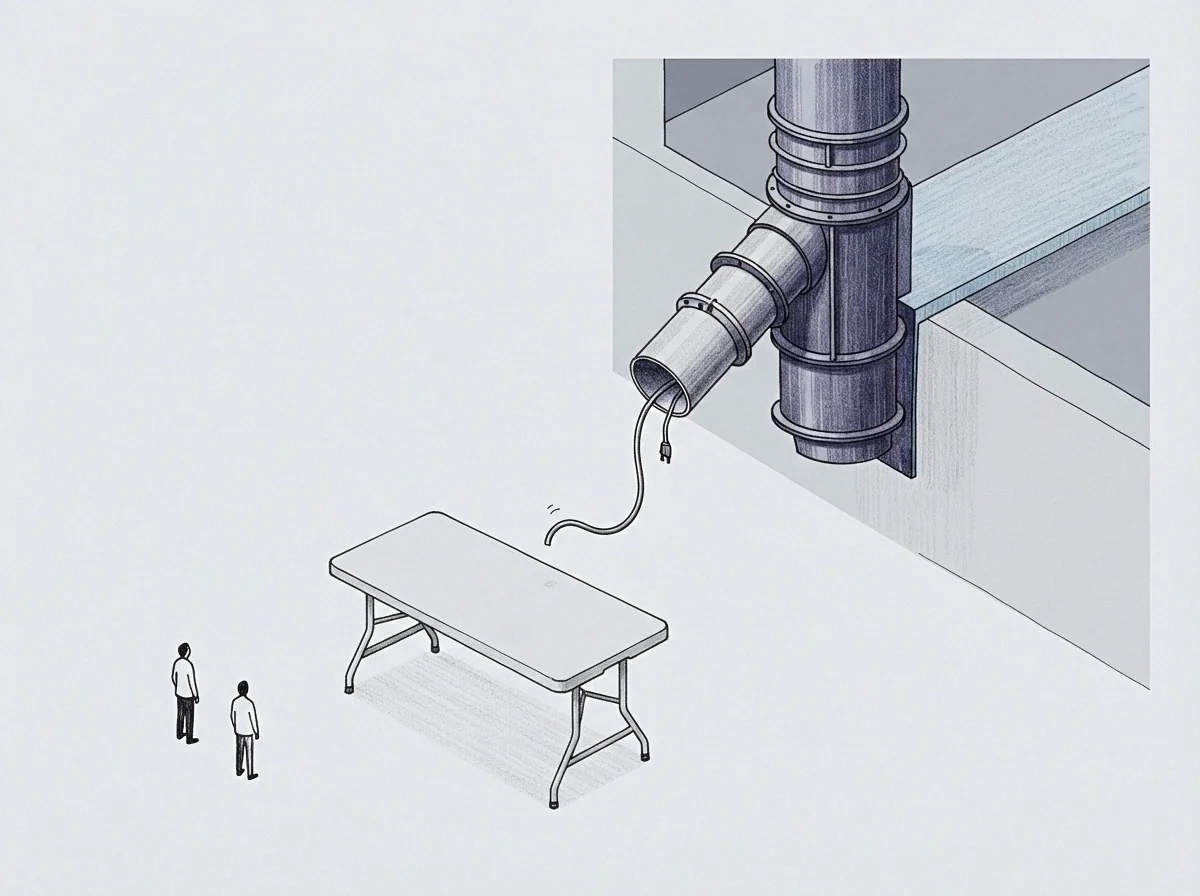
Physical Trajectories of Unprocessed Compute
Processing paths run along physical silicon traces and memory channels. Under burst conditions, requests collide at memory controller interfaces and create localized chokepoints. Controllers preserve throughput by queuing defensively, delaying or discarding non-critical steps that subsequently collect as latent potential in peripheral storage buffers.
Mapping these physical trajectories requires logging queue growth under peak load. Nodes with persistent queues pinpoint hardware bottlenecks across the cluster topology, behind which sits the unspent capacity boundary, constrained by transfer limits while memory buffers absorb temporary spikes.
Static allocation bounds held during dynamic peak variance force real-time processing threads onto secondary fallback vectors.

Volumetric Accumulation of Bounded Operations
State spaces carry measurable volume calculated from the product of variable ranges and execution windows. Unspent capacity constitutes the territory left unvisited during standard operations, containing potential transitions that the system bypasses because the execution cost is too steep.
Accumulation of unspent volume occurs along predictable structural vectors within the operating environment:
- Latent execution vector drops high-cost state evaluation when throughput nears baseline saturation limits.
- Unprocessed memory buffer holds unallocated state transformations until memory pressure forces cache evictions.
- Defensive state boundary restricts search space expansion during sudden workload spikes to preserve steady-state response times.
Overlooking the boundaries of unprocessed state space introduces major operational vulnerabilities. When load shifts abruptly from low to high variance, execution threads try to expand into unmapped capacity. Without predefined dynamic routing, cluster nodes face immediate memory starvation and deadlocks, turning unmanaged capacity limits into direct system failures.

Threshold
Operational limits mark the boundaries where execution models fail under heavy load. At a threshold, processing shifts from simple retrieval to intensive computation. Friction in operational metrics, particularly sharp latency spikes or dropped packet ratios, serves as a direct diagnostic for this activity at the boundary.
The model stops at the wall.

Mapping Computational Boundaries under High Variance
High variance drives execution threads into edge conditions where deterministic performance guarantees fail. Establishing state space bounds requires setting operational thresholds across several parameters at once; single-variable metrics miss the multi-variable interactions that define complex system boundaries. A memory threshold that holds during uniform workloads can trigger severe contention when paired with volatile network I/O.
Engineers isolate boundary conditions by injecting controlled variance into execution pipelines. Holding mean throughput steady while escalating variance isolates the specific parameter combinations that force defensive maneuvers, marking the inner perimeter where execution diverges from the optimal path.
| Mapping Model | Boundary Metric | State Allocation Behavior | Unspent Capacity Dynamics |
|---|---|---|---|
| Static Thresholding | Fixed peak memory ceiling | Truncates state trajectories past baseline capacity | Monolithic buffer locked in idle allocation states |
| Dynamic Envelope Bounding | Sliding variance percentiles | Reallocates thread pools during burst events | Dynamic margin fluidly absorbed during variance peaks |
| Gradient-Derived Mapping | Cost vector relative to baseline value | Routes compute away from high-resistance state transitions | Latent volume mirrored as actionable processing margin |
Systems that consistently route around high-cost state transformations convert uncomputed logic into cumulative latency at the model boundary.

Is Unspent Dynamic Range Measurable Before System Collapse?
Spotting latent headroom before saturation depends on tracking non-linear state divergence. When parameters near boundary walls, latencies begin clustering before throughput degrades visibly, indicating that threads are running up against local optimization limits as the engine drops high-cost states.
Measuring the spread between primary execution paths and fallback vectors yields an exact figure for dynamic range. If primary paths handle ninety percent of the load while secondary routes remain untouched, the capacity boundary is wide but brittle. Conversely, regular micro-bursts into fallback channels show dynamic range contracting under stress, causing systems near their true limits to display wide state variance even under minor input ripples.
State space boundaries hold only while input variance stays inside anticipated statistical margins. Broadening the operational model requires testing expensive state transitions directly instead of evading them. Sound engineering practice maintains a reserve margin equal to twice the maximum observed variance amplitude.

Variance
Shifting workload density forces systems to adjust execution trajectories on the fly. Variance acts as an operational driver, widening the volume of state space accessed during routine operations. When job complexity fluctuates sharply, setups with narrow parameters suffer repeated collisions along their boundaries.

State Space Excursions and Gradient Routing
Workload surges drive states into transient excursions far beyond standard baselines. In an excursion, the engine has to decide whether to provision more compute or shed non-essential work. Gradient routing manages these departures by steering execution toward paths that minimize cost per transaction.
Tracking these state space excursions reveals systematic pattern shifts in resource consumption:
- Initial workload variance exposes the divergence between nominal state limits and actual throughput.
- Routing algorithms divert complex transformations into cheaper execution paths to avoid threshold computation.
- Deferred work builds up along boundary conditions until forced reconciliation triggers recalculation across the hardware.
Operators routinely misinterpret silent throughput stability as excess structural overhead rather than deferred workload computation.
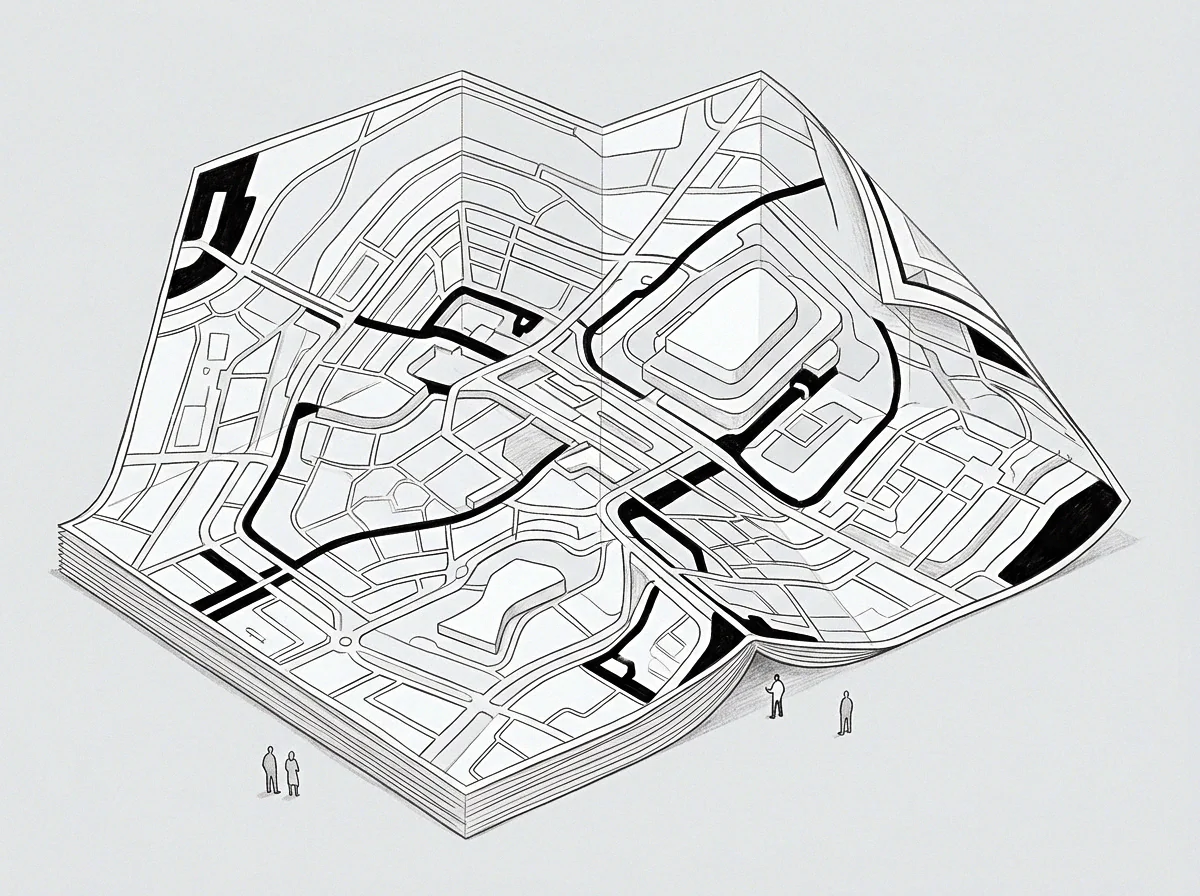
Structural Costs of Least Resistance Paths
Choosing low-resistance paths maintains responsiveness during volatile events, but defaulting to them indefinitely carries heavy structural costs. Shelving complex transformations produces deferred debt along the capacity boundary, shrinking the net functional volume available when the next spike hits.
Continuous least-resistance routing compresses state space over time. Boundary walls pull inward as uncomputed dependencies solidify into rigid bottlenecks, leaving cluster metrics appearing stable to outside observers even after the operational safety margin has disappeared.
Excursion
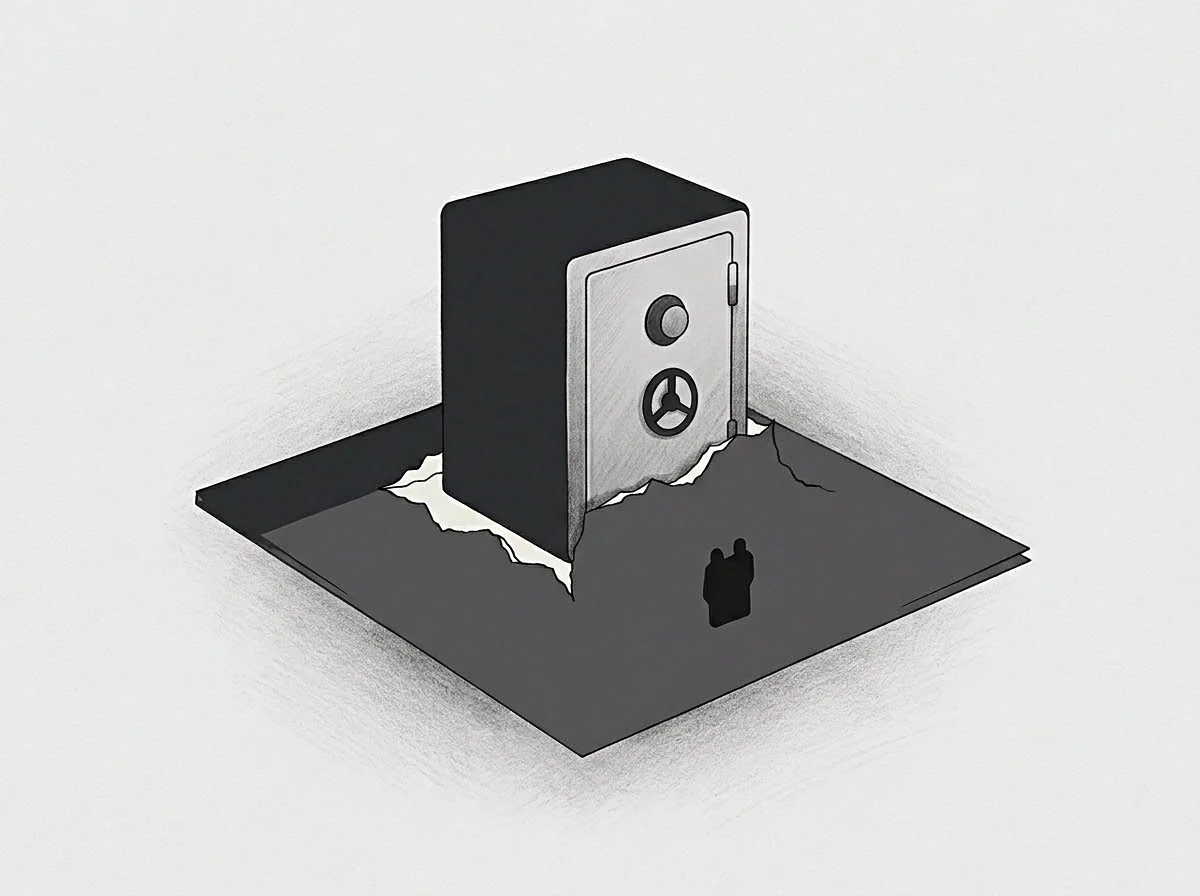
Recovering unspent volumetric capacity requires deliberately traversing deferred regions of state space. Architectures that reclaim latent headroom run intensive state transformations during quiet, low-variance windows, expanding the operational model by folding peripheral boundaries back into primary pathways.
Boundary Expansion and Unspent Capacity Recovery
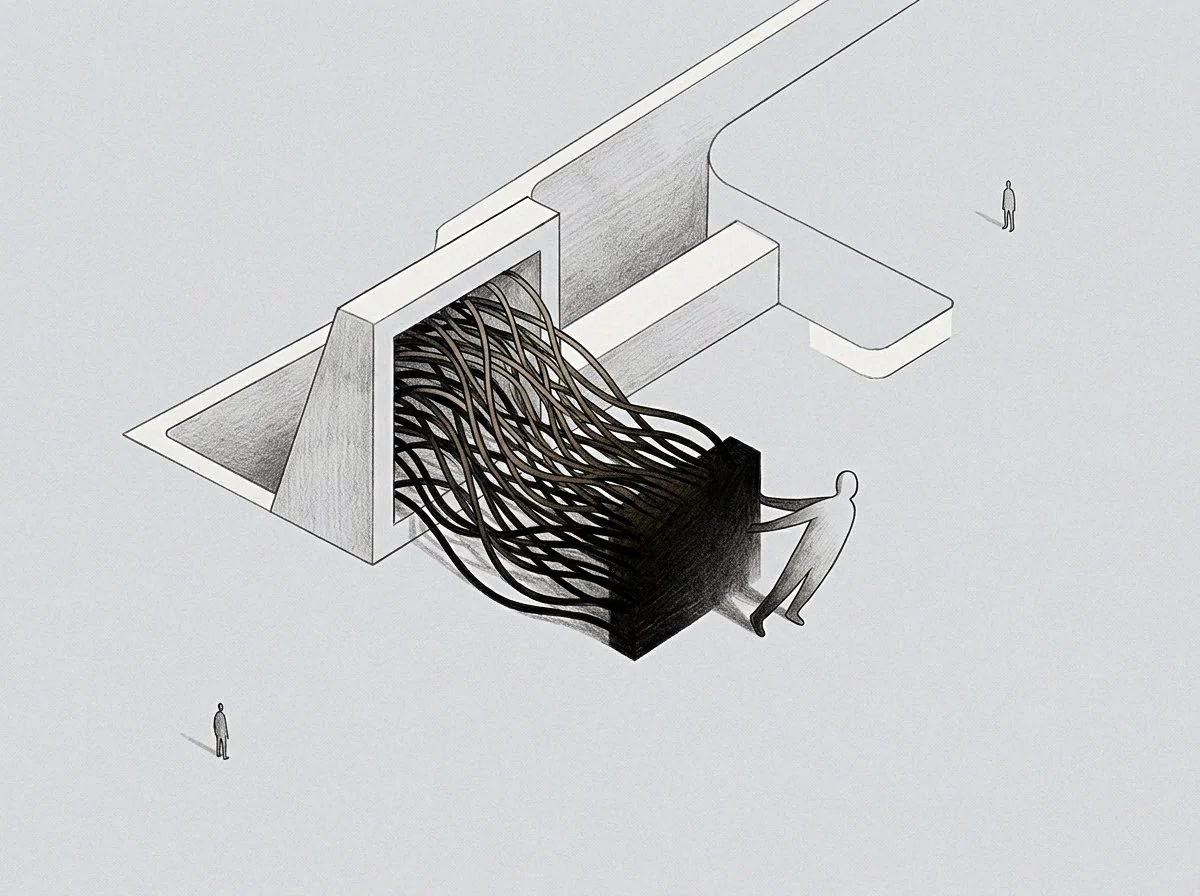
Reclaiming capacity means moving from static allocation blocks to dynamic, gradient-aware pipelines. Processing intensive transformations during idle cycles converts deferred volume into usable headroom, stripping away the artificial boundaries produced by constant cost-avoidance routing.
Hardware previously reserved for idle buffers joins in handling high-variance processing. Measuring the delta between historical avoidance limits and newly mapped execution paths confirms the expansion of active space. Reliability improves substantially once boundaries are established through real-time computation instead of defensive caps, aligning usable capacity with actual operational demand.