
Quantifying Structural Latency Bounds When Dynamic State Compaction Fails To Reclaim Assigned Compute Capacity
Dynamic state compaction failures pin memory allocations, elevating the baseline latency floor and amplifying queue delays across execution threads.
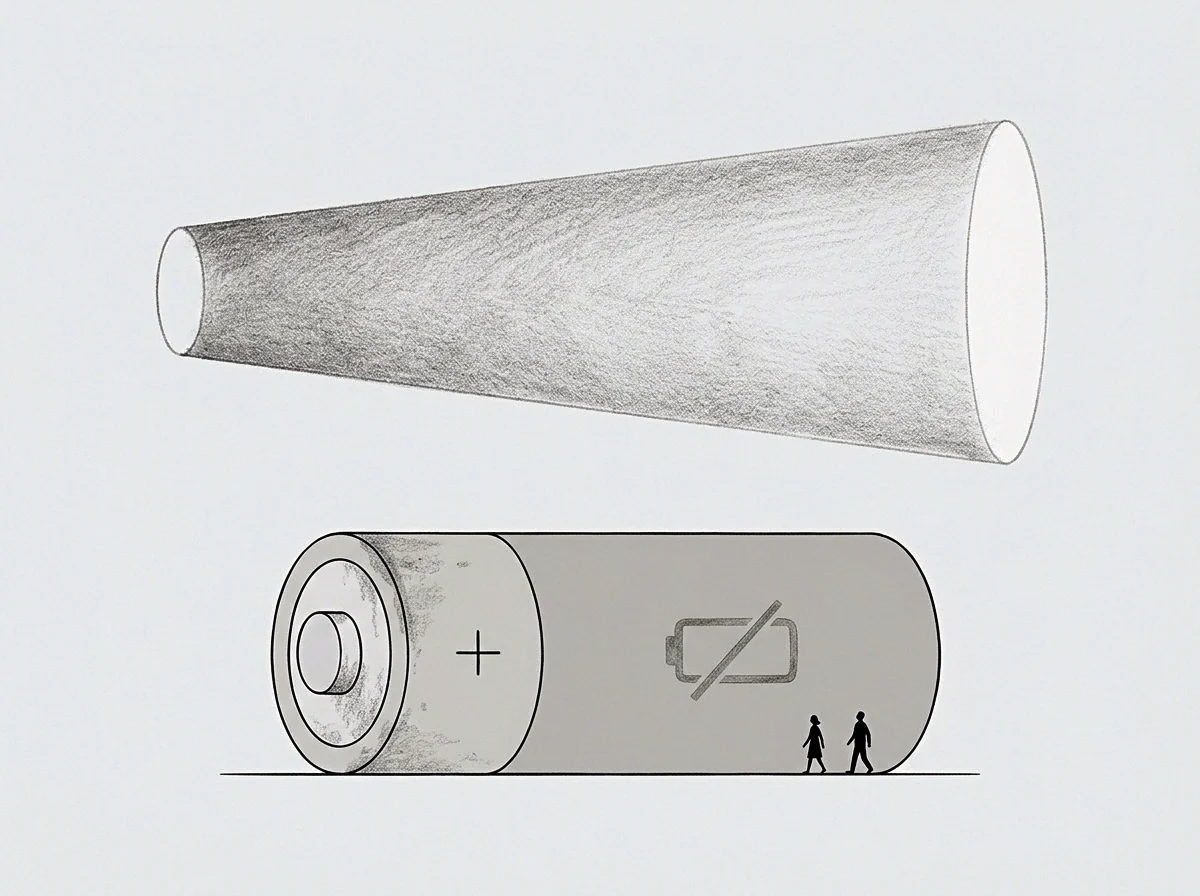
Floor
State compaction operates on the premise that inactive compute memory clears on schedule. When an execution engine triggers compaction, the runtime walks the object graph, identifies unreachable nodes, and attempts to release the underlying memory pages back to the operating allocator. Compaction drops active state volume.
If dirty references survive inside pinned handles, the reclaim pass fails to clear the allocation. The assigned compute capacity remains tied to dead handles, leaving the system with an elevated footprint that no subsequent garbage collection phase can reclaim.
The structural baseline shifts upward. Instead of returning to a minimum baseline footprint after a compaction cycle, the process settles on a higher hardware consumption baseline. Unclaimed pages retain CPU cycles.
The engine spends clock cycles scanning pages that cannot be reclaimed, turning work meant for payload processing into management overhead.
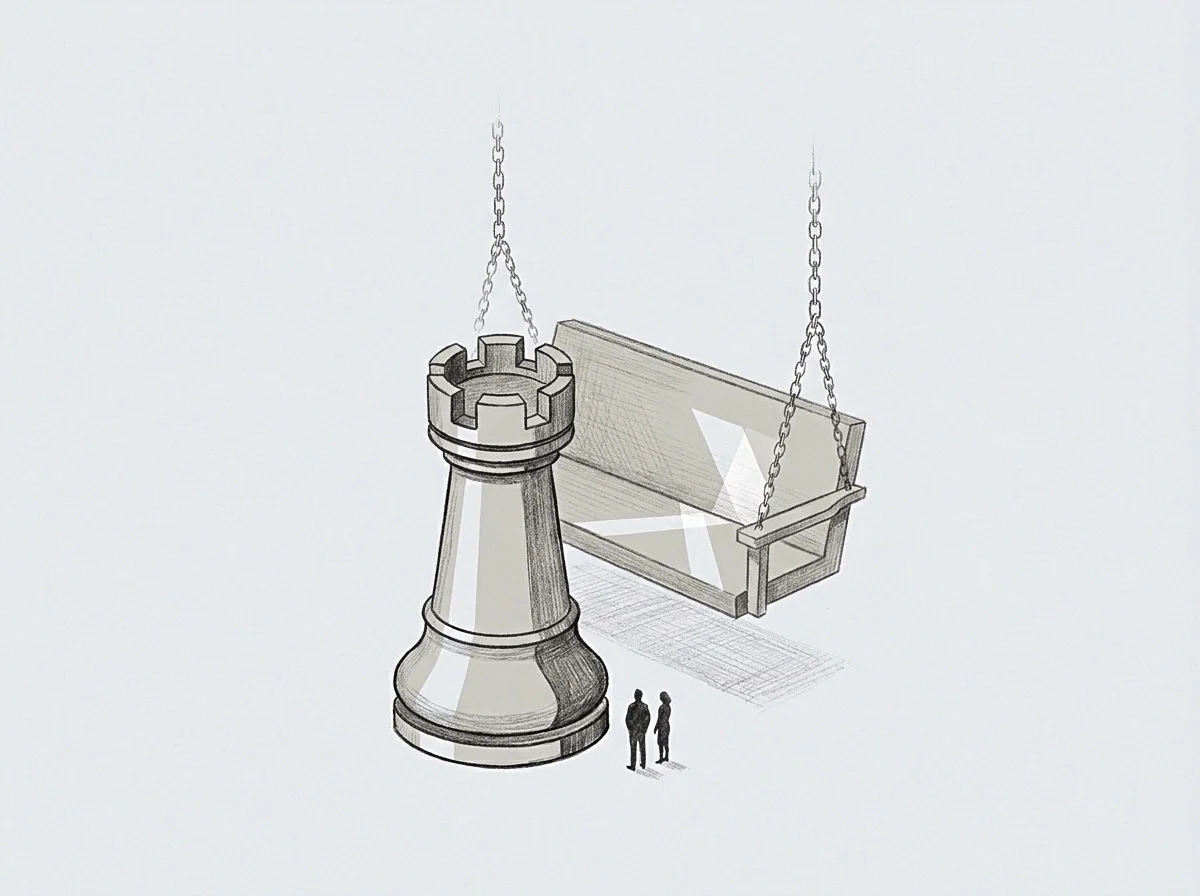
Determinists versus Stochastics in Latency Bounds
Systems engineers divide delay models into deterministic upper bounds and stochastic distributions. A deterministic bound sets a firm limit on response time regardless of queue length. Stochastic models predict average latencies based on Poisson arrivals and uniform service rates.
When dynamic state compaction fails to reclaim compute capacity, the system shifts from a predictable distribution into a non-linear degradation pattern. The residual uncompacted state occupies cache lines, forcing the CPU to fetch payload instructions from main memory rather than layer-one cache structures.
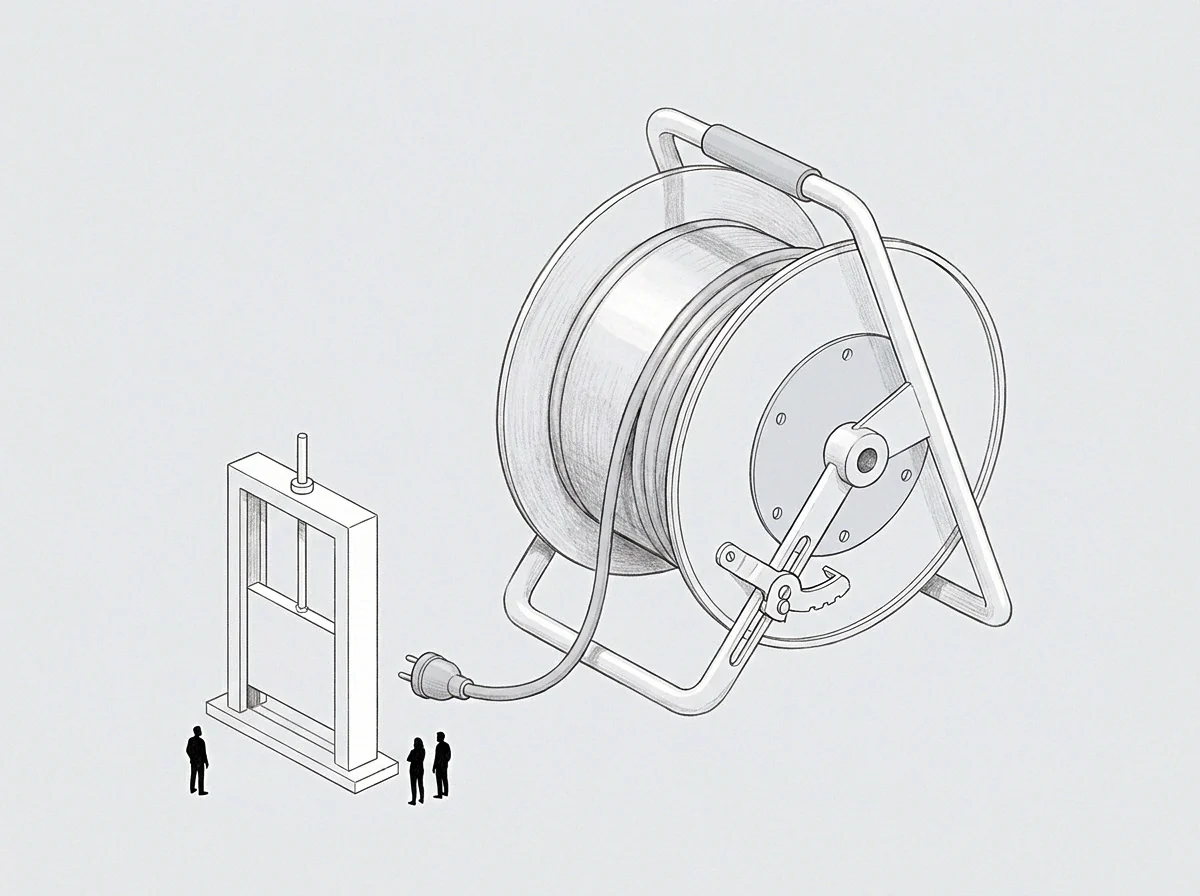
The Presumed Footprint versus Realized Floor
A gap opens between expected resource consumption and actual memory occupation. Engineers configure compute instances around the presumed footprint, assuming compaction passes will keep memory footprint near the baseline. When state handles stay pinned, the realized floor consumes the overhead reserved for burst traffic.
Memory fragmentation creates execution barriers.
This persistent floor reduces the effective operational ceiling of the node. When payload traffic surges, the execution engine lacks the assigned compute headroom required to absorb packet spikes. The system enters a state where execution delay scales not with incoming throughput, but with the volume of uncollected residual state hanging in the heap space.

Leakage
Compute capacity leakage occurs when allocated runtime resources remain locked by uncompacted state structures. The allocator marks pages as occupied, while the application logic considers the associated objects out of scope. Idle threads waste compute quota.
Pinning Vectors in Compaction Failure
Pinning vectors emerge when foreign function interfaces, pending asynchronous input transactions, or active kernel descriptors hold locks on memory regions during a compaction sweep. The compaction algorithm must skip these regions to prevent data corruption. State bounds define worst-case delays.
- Pinned Buffer Handles hold contiguous memory ranges across garbage collection cycles, forcing allocators to bypass lower memory indexes.
- Zombie Thread Contexts retain register states and stack allocations long after the originating execution path has returned success.
- Fragmented Index Tables maintain non-contiguous memory allocations, increasing memory lookup costs for live payload reads.

When State Pruning Generates Overhead
Compaction attempts to resolve state fragmentation by copying active objects to contiguous regions. When large fractions of the heap are pinned, the relative cost of compaction shifts. The engine consumes CPU execution cycles copying active state around immobile blocks without freeing contiguous ranges.
Compaction sweeps executed against uncompacted pinned state consume processor cycles while returning zero net allocation headroom.
The write amplification ratio rises as the system attempts repeated compaction cycles against static allocations. Each sweep re-reads existing memory structures, writes them back to alternate locations, and updates reference pointers. Lock contention expands tail bounds.
The continuous scan-and-copy behavior converts compute allocations intended for application logic into unproductive memory management loops. Operating a cluster under chronic compaction failure forces secondary nodes to absorb redirected compute loads, increasing infrastructure operation budgets without raising transactional throughput capacity.

Queue
Queue accumulation acts as the visible manifestation of lost compute capacity. As execution latency stretches due to memory lookup delays, incoming requests wait longer in worker queues. Sweeping pinned structures takes time.

Head of Line Blocking across Compaction Cycles
Head of line blocking occurs when an execution thread halts at the front of a queue waiting for memory allocation locks held by a compaction routine. The compaction loop holds exclusive read-write locks across heap segments while rearranging live references. If the compaction routine fails to free the targeted segment, it releases the lock only after completing the full traversal.
Worker threads waiting for allocation space sit idle despite available CPU cycles. Unmapped compute capacity remains locked.
- Request enters the worker pool queue while memory footprint rests near maximum capacity limits.
- The engine initiates an emergency compaction pass to reclaim compute capacity before servicing the pending request.
- Compaction fails to release pinned blocks, holding exclusive state locks for the full allocation timeout window.
- The queue accumulates downstream requests, causing processing delays to spill over into external load balancers.

How Latency Tail Amplification Accumulates?
Tail latency amplifies exponentially as queue lengths exceed processing thresholds. The baseline delay of a single request includes processing time, queue lock contention, and the execution time of concurrent compaction loops. When compaction fails to reclaim compute capacity, the baseline processing time grows permanently longer.
Persistent queue depth resulting from uncollected state increases the ninety-ninth percentile response latency by multiple orders of magnitude.
Pointers prevent inline memory recovery. The system can no longer guarantee latency limits when the state compaction mechanism degenerates into continuous heap scanning. Operational limits fail to bound response delays once uncollected compute footprint occupies the working execution memory, forcing incoming tasks to wait indefinitely for memory allocation slots that never clear.
Slab
Physical compute allocations depend on slab allocators to slice continuous physical memory into fixed-size regions. When dynamic state compaction fails, the slab allocator suffers from internal and external fragmentation, preventing the OS kernel from consolidating physical memory pages.
Allocation Contiguity across Page Boundaries
Slab allocators operate efficiently when memory blocks can be freed in groups. When state compaction fails, single pinned objects inside memory slabs prevent the entire slab from being released to the kernel. Pinned pages block heap defragmentation.
| Compaction Strategy | Reclaim Mechanism | Failure Mode | Latency Bound Impact |
|---|---|---|---|
| Mark Sweep Compact | Scans state graph, updates references, shifts objects | Pinned reference locks block object migration | High tail latency spikes during sweep phase |
| LSM Tree Compaction | Merges sorted run files, drops stale keys | Write amplification saturates disk throughput capacity | Elevated queue execution delay across write operations |
| Reference Counting Pruning | Frees memory immediately when count hits zero | Cyclic references avoid collection without explicit weak handles | Gradual deterministic floor increase over time |
Structural Degradation of Assigned Compute
A node that cannot compact state experiences degradation across both processor cache utilization and memory bus access speeds. The CPU spend cycles walking indirect pointers across non-contiguous memory blocks, lowering instruction throughput per cycle. Blocked threads inflate response times.
The system operational profile deteriorates until manual process restarts clear the internal allocation tables. Engineers analyzing hardware metrics observe low CPU core utilization paired with high transactional response delays, a signature indicating memory access stall conditions caused by non-compacted state allocations.
Slab fragmentation locks physical memory allocations long after application logic has dropped logical handle scope.
System monitoring tools report available memory headroom that cannot be allocated to new execution contexts due to physical page fragmentation. The process maintains a massive hardware allocation footprint while delivering a fraction of nominal processing capability, rendering capacity sizing models invalid.

Stall
A system stall represents the ultimate bound of dynamic state compaction failure. When state compaction can no longer reclaim compute capacity, the execution engine reaches a point where allocation attempts fail entirely, halting forward execution progress.

Upper Bounds on Service Recovery
Service recovery bounds define the maximum elapsed time from the onset of compaction failure to complete system halt or node evictions. Active compaction increases write amplification. Knowing this bound allows system designers to configure automated failover mechanisms before cascading failures compromise cluster availability.
- Allocation Timeout Thresholds determine when a worker thread terminates execution after waiting for heap space clearing.
- Eviction Signal Triggers force load balancers to drop nodes that exceed upper structural latency limits.
- Process Self Termination Sequences shut down execution units when compaction yields fall below minimum operational bounds.
Reclaiming Latency Margins without Restart
Restoring operational performance without process restarts requires explicit application-level mitigation strategies. Systems must shed active client connections to drop state pressure, giving the compaction engine window space to handle pinned allocations. When connection shedding fails to clear pinned handles, manual state migration remains the only pathway to reduce memory load.
Operating a platform close to its allocation boundary creates dynamic instability where minor spikes in traffic trigger prolonged processing stalls. Systems designed without explicit latency fallback channels drop incoming traffic once state compaction failure saturates hardware execution limits. Structural latency bounds must account for uncollected state volumes to maintain system availability during compaction failure conditions.