Meaning
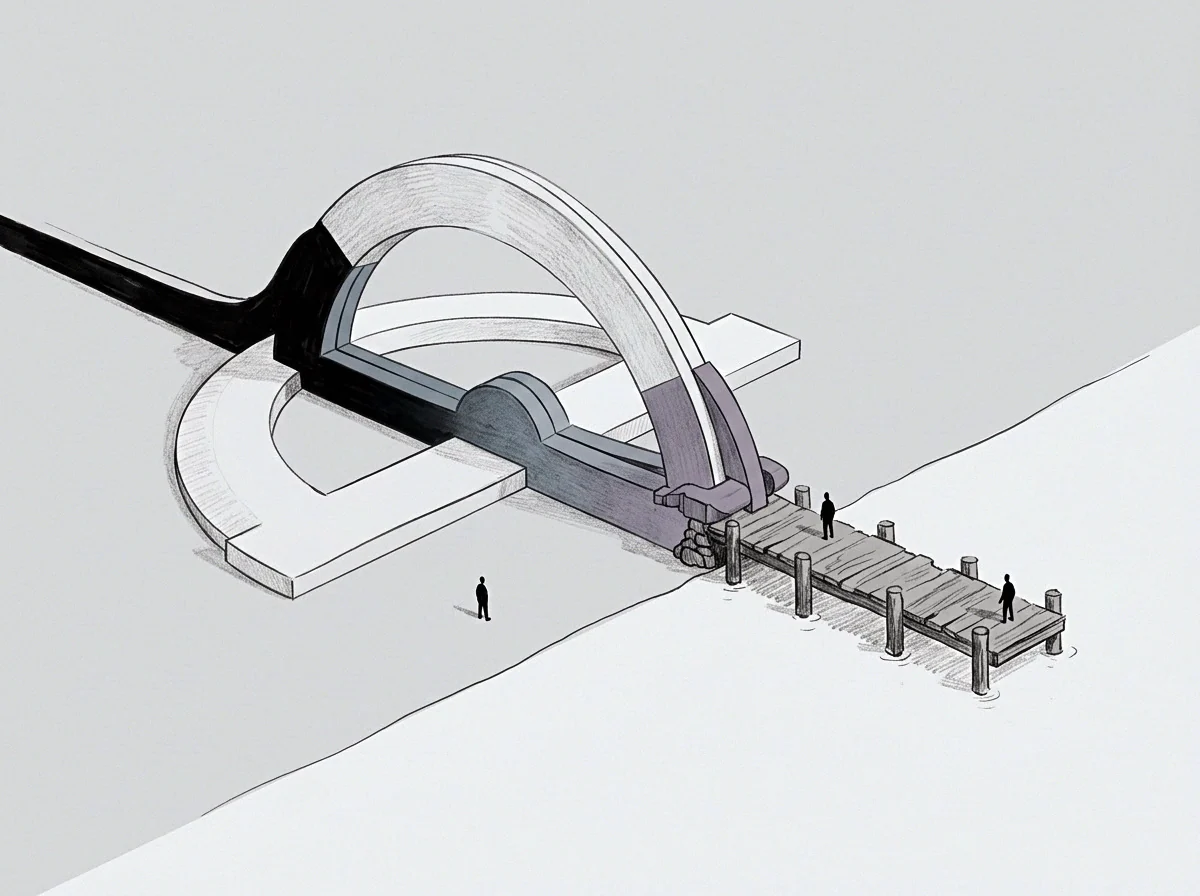
Catastrophic loss is the complete dissolution of functional capacity within a venture resulting from the total depletion of resources required to maintain operations. This catastrophic loss defines the point where the ability to generate value ceases and the entity can no longer fulfill obligations to internal or external stakeholders. Any recovery attempt requires a restructuring of the underlying assets because the previous operational model no longer functions.
Liquidation Gradient
A cardinal scale measures this state by tracking the proximity of remaining assets to the overhead costs required for minimum viable survival. The catastrophic loss occurs when the delta between available capital and necessary burn reaches zero. Practitioners monitor the movement of this value along the axis of solvency to determine the moment of total collapse.
Financial exhaustion represents a binary state where the venture moves from a working system to a collection of dormant parts.
Operational Variance
Variations in market conditions or internal efficiency provide early warnings of a nearing termination point. Sudden drops in liquidity shift the venture into a phase where standard corrective actions fail to reverse the trajectory. Analysis of these markers reveals if the decline results from a single failure point or the slow accumulation of inefficiency across multiple departments.
Monitoring the rate of decay offers a view of how fast a venture approaches the absolute limit of its viability.
Restitution Boundary
Determining the end of a business lifecycle separates the phase of active management from the process of debt settlement and asset distribution. This boundary exists where the legal status of the company changes to accommodate the division of residual value among claimants. Any claim to ownership terminates when the firm reaches this finality and ceases to exist as an economic entity.