Meaning
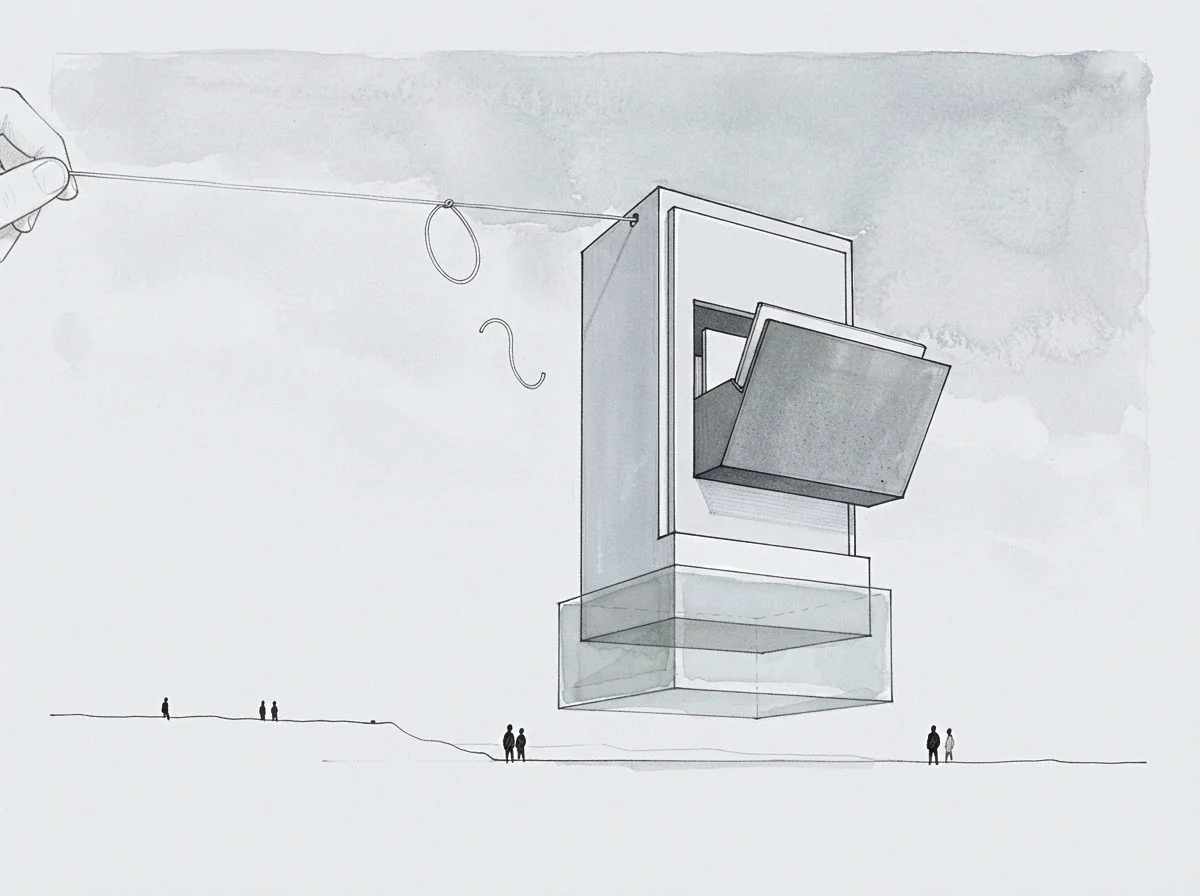
The sudden, step-like increase in non-variable operating expenses occurs when an expanding organization must acquire new structural capacity. This fixed overhead jump takes place when a business reaches the limit of its current facilities, software licenses, or administrative staff. The transition requires a discrete, large-scale capital commitment rather than a gradual incremental cost increase.
Financial Impact
A discrete increase in structural cost temporarily depresses the operating margin of the enterprise. When a company leases a second warehouse, this fixed overhead jump must be paid regardless of whether the new facility is empty or full. The firm must quickly grow its sales volume to restore its previous profitability levels.
This period of elevated risk requires a substantial cash buffer to sustain the business until the new asset begins generating positive returns.
Trigger Identification
Predicting these upward shifts requires mapping operational capacity against customer demand forecasts. If the sales trajectory indicates that a software firm will exceed its server tier next month, a fixed overhead jump becomes unavoidable. Recognizing these inflection points early prevents service interruptions and helps secure necessary financing beforehand.
Mitigation Strategy
Phased expansion contracts or shared infrastructure options can soften these sudden cost spikes. By negotiating flexible terms with suppliers, an organization can delay the fixed overhead jump until revenue supports the higher expense. This approach preserves liquid capital during vulnerable transition phases.