Meaning
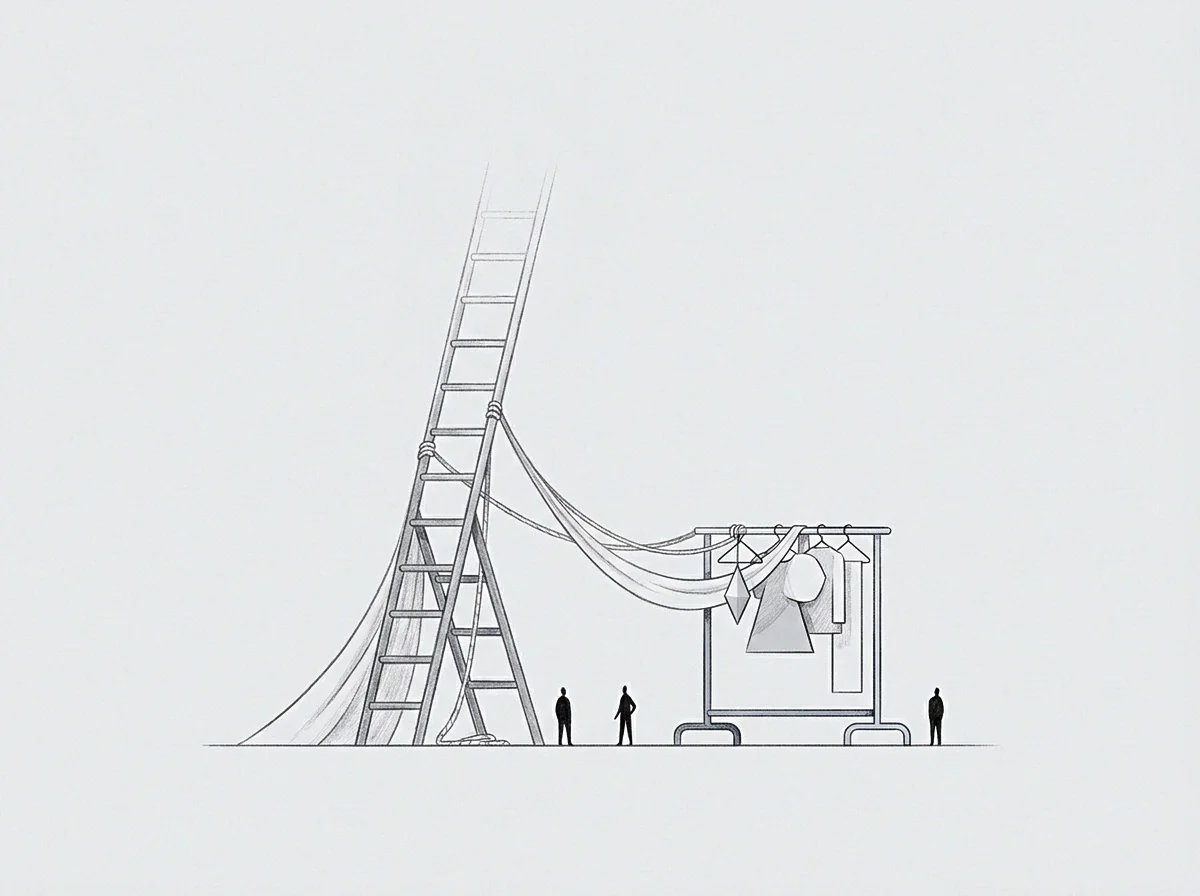
Residual resource capacity exists within an established entity when active production cycles fail to utilize all available inputs. Latent capital resides in the surplus technical infrastructure and idle personnel bandwidth left behind after a primary product cycle concludes. This surplus functions as a non-monetary asset waiting for redirection into new operational streams.
Assessment Metric
Quantifying this resource requires an ordinal comparison between current operational demand and total maximum throughput capability. Practitioners identify latent capital by isolating production gaps where fixed costs are already covered by existing workflows. High levels suggest an inefficient distribution of resources or a failure to scale organizational output to meet the full potential of available assets.
Operational Logic
Unutilized time on hardware platforms and spare human capacity create hidden buffers that allow for rapid development of secondary internal projects. Latent capital performs a transition from a sunk cost to an active investment when management redirects these idle hours toward high-impact internal testing. Constant monitoring of these margins prevents the dilution of focus while maintaining a high velocity of experimentation.
Resource Boundary
Limitations arise when these reserves reach full utilization, at which point the entity must acquire additional inputs to sustain further growth. Excess dependence on latent capital creates a risk of fragile systems that lack sufficient slack for emergency operational requirements. Organizations manage this constraint by maintaining a specific portion of the base capacity as a permanent buffer rather than assigning every unit to active projects.