Meaning
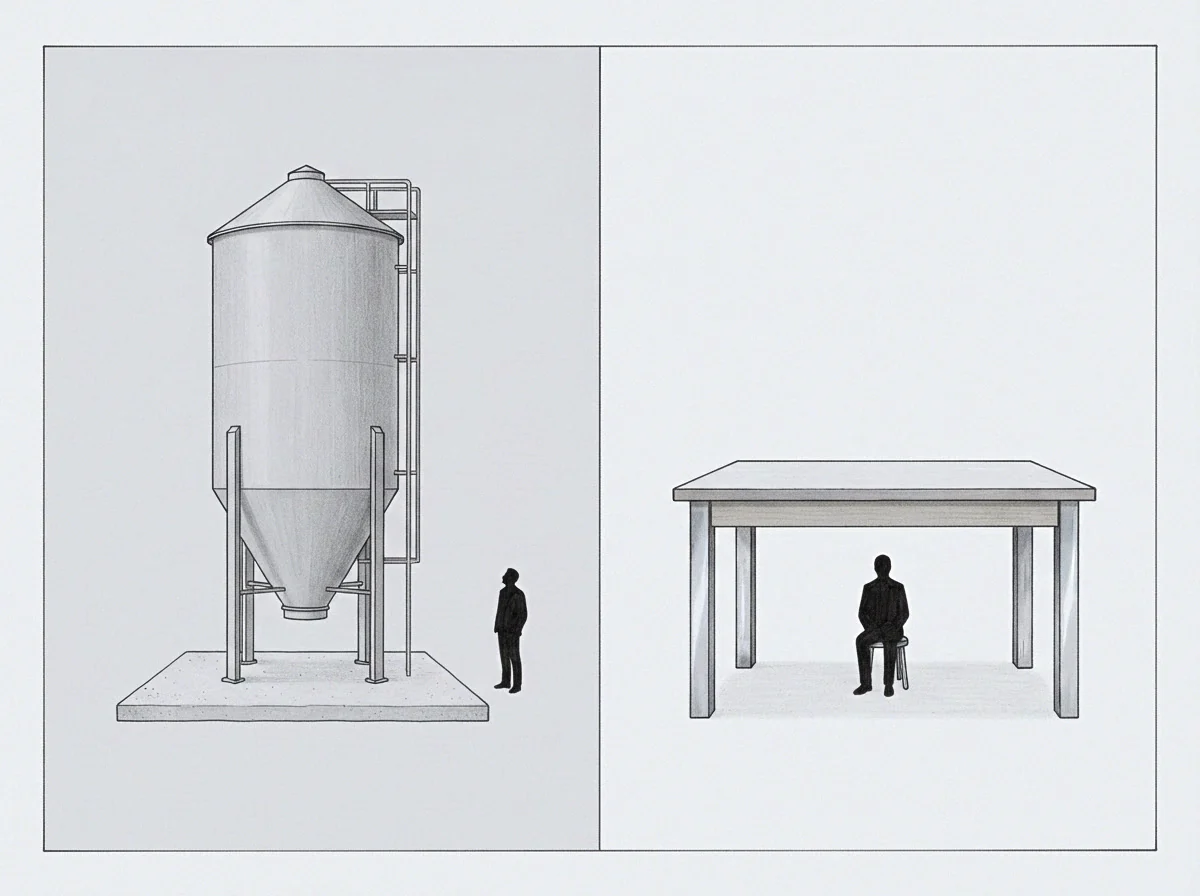
Bus capacity exhaustion occurs when the aggregate volume of read and write requests from processing units reaches the physical transfer ceiling of the system memory controllers. This physical resource boundary, defined as memory bandwidth saturation, represents a cardinal limit measured in gigabytes per second or bytes per processor clock cycle. The condition tracks the point where data transfer interfaces fail to keep pace with parallel execution engines, causing core execution stages to stall waiting for external data lines.
It applies to memory channel communications between host processors and physical dynamic random-access memory, terminating at off-board storage interfaces and peripheral expansion buses.
Bus Contention Dynamics
Modern multi-core processors deploy high numbers of parallel threads that concurrently pull data vectors from main memory through shared memory channels. As concurrent read and write operations approach physical bus limits, memory bandwidth saturation introduces exponential memory access queuing delays across internal memory controller channels. Memory access operations that typically complete within tens of nanoseconds back up behind saturated memory bus queues.
Processing pipelines clear out unretired instructions and stall awaiting missing data lines. Additional CPU cores fail to scale processing throughput once aggregate memory channel throughput hits physical saturation.
Prefetcher Interference
Hardware prefetchers identify sequential data access patterns and proactively pull upcoming cache lines from DRAM into lower-level caches before execution routines request them. Under memory bandwidth saturation, speculative prefetch operations directly compete with critical demand load instructions for constrained bus capacity. Inaccurate prefetching pollutes shared cache tiers while wasting precious transfer bandwidth on unneeded memory addresses.
High bus utilization degrades memory access latency predictability, causing execution jitter across latency-sensitive software routines. Deactivating hardware prefetchers often improves total throughput for workloads dominated by irregular memory access routines.
Algorithmic Mitigations
Compute workloads vulnerable to memory limits require structural adjustments to enhance data reuse within high-speed internal cache architectures. By reorganizing memory access patterns to leverage on-die level-one and level-two caches, software developers reduce memory bandwidth saturation across external DRAM channels. Loop tiling, contiguous memory layouts and data structure vectorization maximize memory operation efficiency per transferred byte.
Reducing data transfer volume between processing cores and physical DRAM restores instruction retirement speed across parallel computing platforms. Memory bus traffic remains the final throughput arbiter for large-scale parallel processing algorithms.