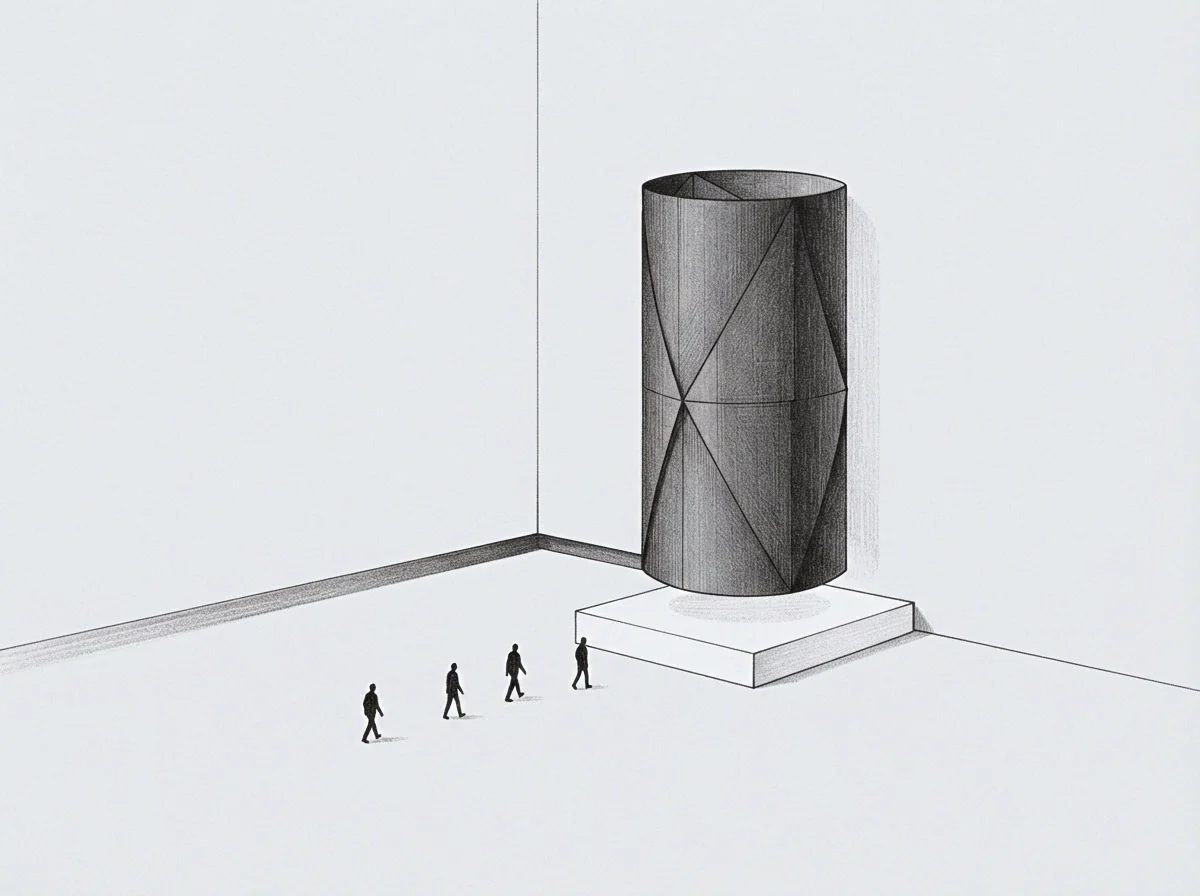
Meaning
Unintentional retention of allocated resources by a computer program results in a gradual reduction of available capacity. This phenomenon of memory leakage occurs when a process fails to return space to the operating system after its utility has ended. It creates a cumulative drain that eventually forces a system restart or leads to a total failure of the application.
Monitoring the rate of consumption allows a practitioner to predict the point of exhaustion.
Resource Depletion
Capacity is a finite cardinal value that must be managed to sustain performance over long intervals. If memory leakage is present, the pool of usable assets shrinks even when the actual workload remains constant. This creates a gradient of declining efficiency that is often hidden behind initial performance benchmarks.
Over time, the overhead required to manage the remaining fragments of space increases the latency of the entire system.
Systemic Degradation
Performance stability depends on the predictable behavior of every software component in the environment. When memory leakage persists, the system exhibits slowed response times and erratic behavior as it nears its physical limits. This degradation is a direct result of the operating system attempting to compensate for the missing resources by using slower storage mediums.
The cost in attention and energy to maintain such a system rises as the leak continues.
Reclamation Failure
Software design must account for the full lifecycle of every asset it claims from the central pool. The primary cause of memory leakage is a breakdown in the logic that governs the release of information. Correcting this error requires a meticulous review of the disposal routines to ensure that every allocation is paired with a corresponding deallocation.
Once the leak is plugged, the resource usage stabilizes at a level that reflects the true demand of the process.