Meaning
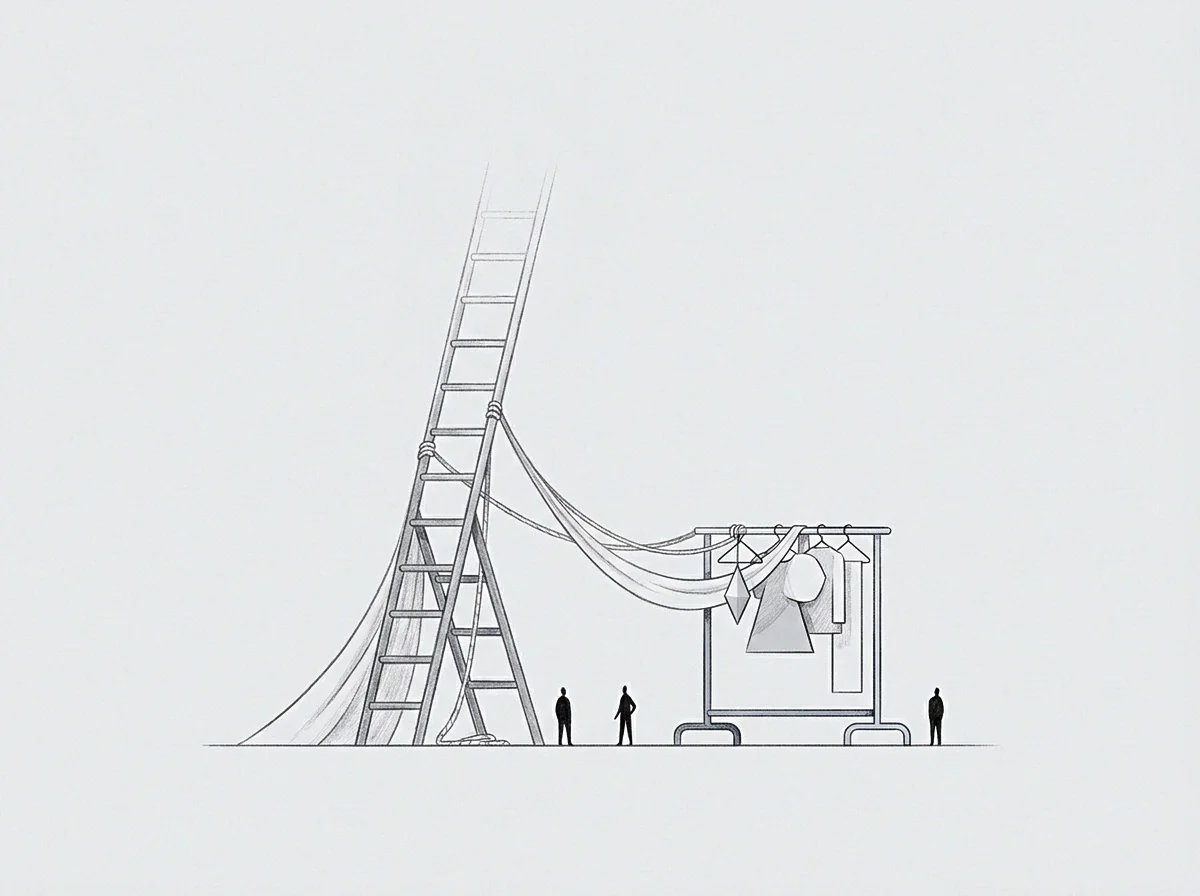
A structural threshold defines the absolute upper limit of output capacity that an existing production system sustains before performance quality degrades or total failure occurs. An operational ceiling represents the point where fixed resources like equipment, personnel hours, or supply chains reach full saturation and force a choice between expansion or diminishing returns. The metric identifies systemic rigidity within a firm, showing where additional effort yields no further growth.
Constraint Dynamics
Resource allocation functions as a static quantity when physical assets restrict throughput. Each additional unit of labour or material added after this limit causes a proportional increase in error rates rather than volume. Managers monitor this friction to decide if capital expenditure or process refinement provides the necessary relief.
Measurement Logic
Calculation requires dividing the maximum possible output by the current utilization rate to identify how close the gap remains. This ratio functions as an ordinal indicator of stability for the system. A narrow distance between present reality and the boundary warns of fragility during spikes in demand.
Capacity Variance
Variability exists because the ceiling is a fluid function of maintenance cycles and vendor reliability rather than a fixed number. When one bottleneck breaks, the limit shifts to the next slowest component in the sequence. Absolute capacity requires constant recalibration because the system behaves differently at high load than it does at rest.