Meaning
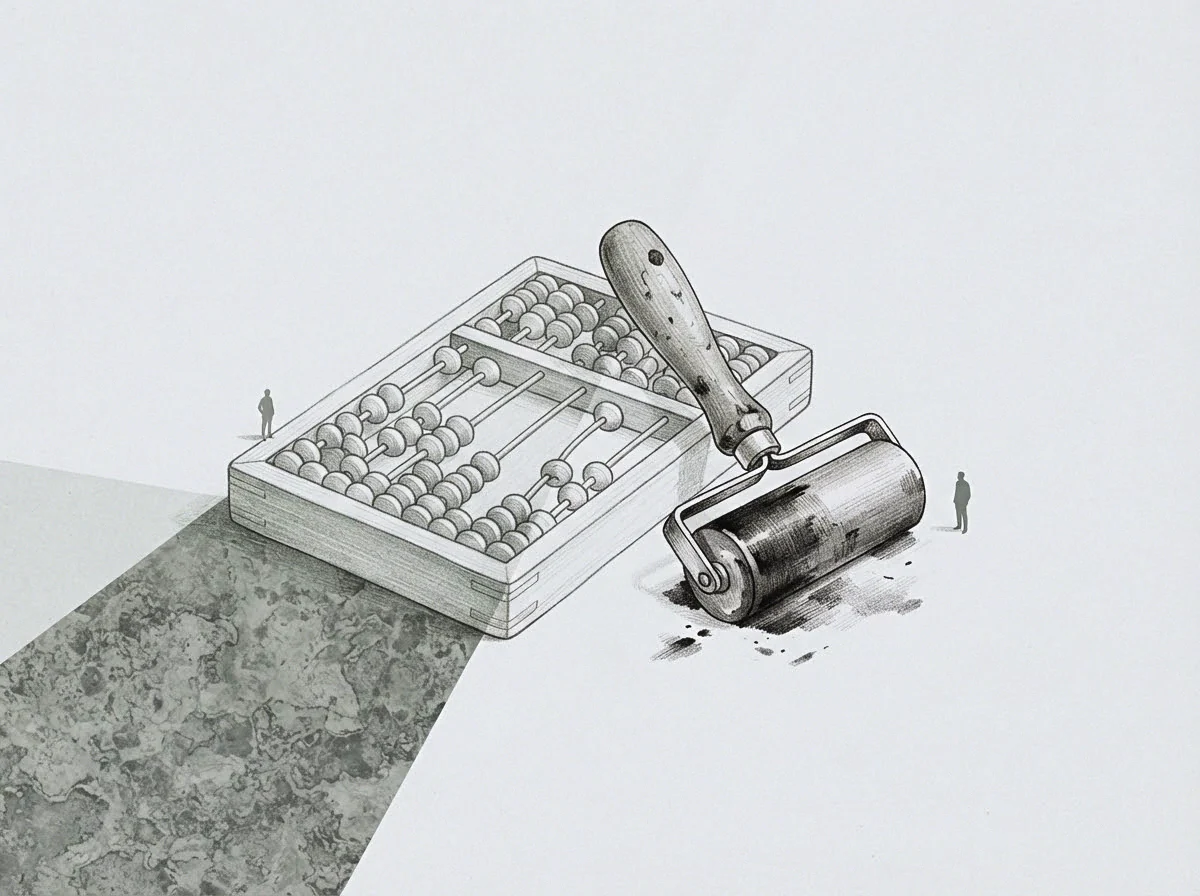
Cost accounting identifies the baseline proportion of administrative and indirect expenses that remains active even when production volume drops to zero. This value, the overhead persistent fraction, measures the minimum cost of maintaining corporate existence, including legal compliance, basic software, and core administrative roles. It represents the ultimate lower boundary of the operational cost curve.
Structural Rigidity
Determining this baseline helps planners model the absolute downside of their financial runway during severe market contractions. The overhead persistent fraction of the enterprise indicates how much of the indirect cost base is truly discretionary. This calculation prevents founders from assuming that they can reduce costs linearly with revenue declines.
Resource Commitments
Certain long-term commitments, such as physical leases or server infrastructure contracts, cannot be terminated without significant penalty. These elements form the bulk of the persistent overhead and must be managed through careful lease and vendor negotiations.
Valuation Impact
Investors analyze this stubborn cost element to determine the operational risk profile of the business during periods of low activity. A high persistent fraction increases the break-even point and lowers the valuation of the firm compared to peers with more flexible cost structures. Minimizing this baseline through lean administrative design improves long-term strategic flexibility.
Profitability returns faster when the unavoidable cost base is kept as small as possible.