Meaning
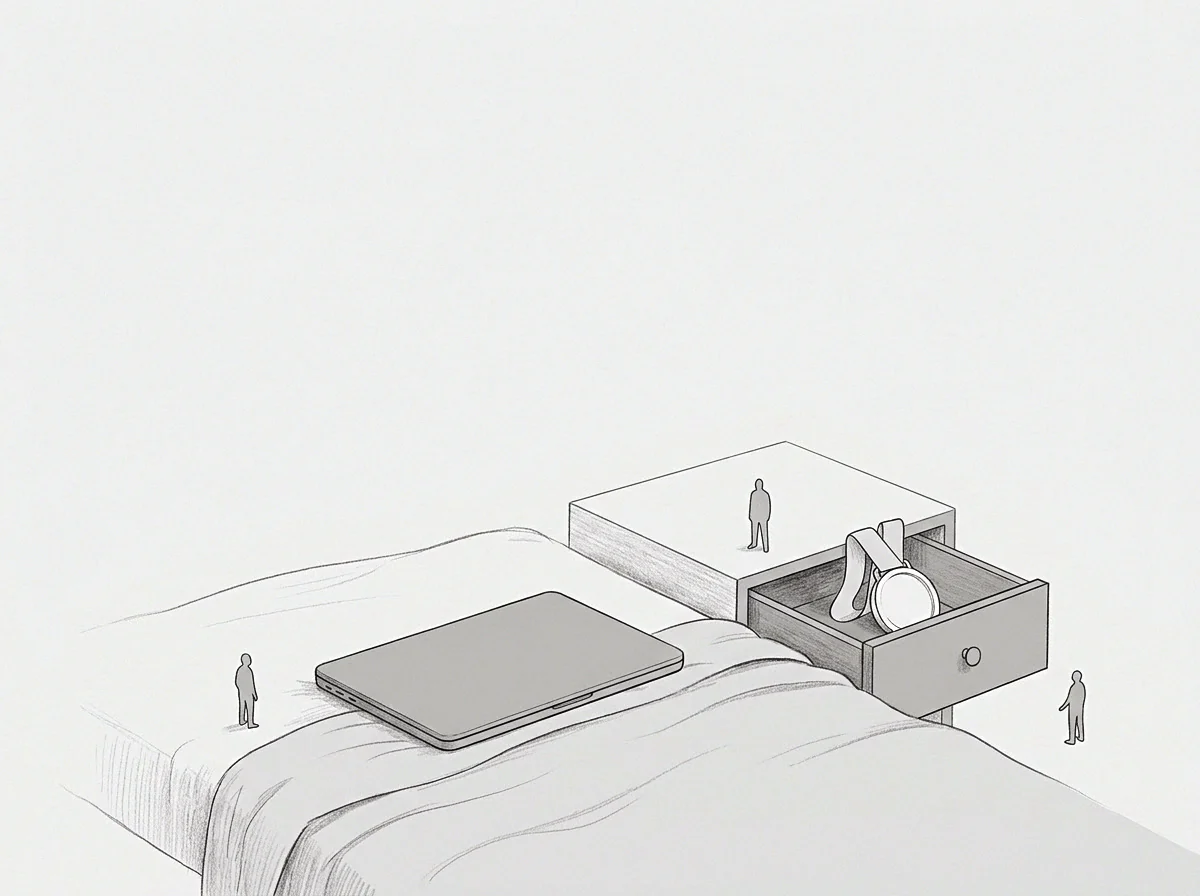
Progressive decline in aggregate productivity, cash generation and strategic relevance across a collection of mature operating assets or investments reflects structural obsolescence. Unchecked portfolio decay occurs as underlying technologies age, customer contracts churn and competitive entrants erode historical pricing power. The metric tracks the structural rate at which legacy assets lose economic viability when starved of maintenance capital and continuous reinvestment.
The term stops applying where asset depreciation is strictly financial rather than functional or commercial.
Depreciation Kinetics
Commercial assets lose operational momentum through predictable cycles of product aging, technological debt accumulation and customer preference migration. Measuring portfolio decay requires monitoring leading indicators such as declining net revenue retention, slowing feature adoption and widening sales cycles. Without active capital renewal, cash flow from mature product lines diminishes along an exponential decay curve.
Leadership teams must quantify this background erosion rate to plan replacement revenue vectors accurately.
Resource Cannibalization
Allocating excessive operational talent and capital to defend dying legacy assets starves emerging growth vectors of necessary development resources. As portfolio decay accelerates within core revenue lines, management often doubles down on defensive marketing rather than funding structural innovation. This defensive allocation creates an organizational liquidity trap where capital is consumed by deteriorating balance sheet assets.
Strategic asset rationalization demands systematic divestiture or graceful deprecation of decaying business lines.
Renewal Trajectory
Sustaining aggregate enterprise value requires generating new, high-yield assets at a pace that exceeds the structural decay rate of legacy operations. Managing through portfolio decay forces allocators to maintain an active pipeline of exploratory initiatives and capital upgrades. Capital generated by cash cows must be recycled into scalable growth opportunities before core cash flows evaporate.
Long-term corporate longevity depends directly on maintaining a positive asset replacement gradient. Portfolio decay defines the structural entropy that every operating asset eventually experiences.