Meaning
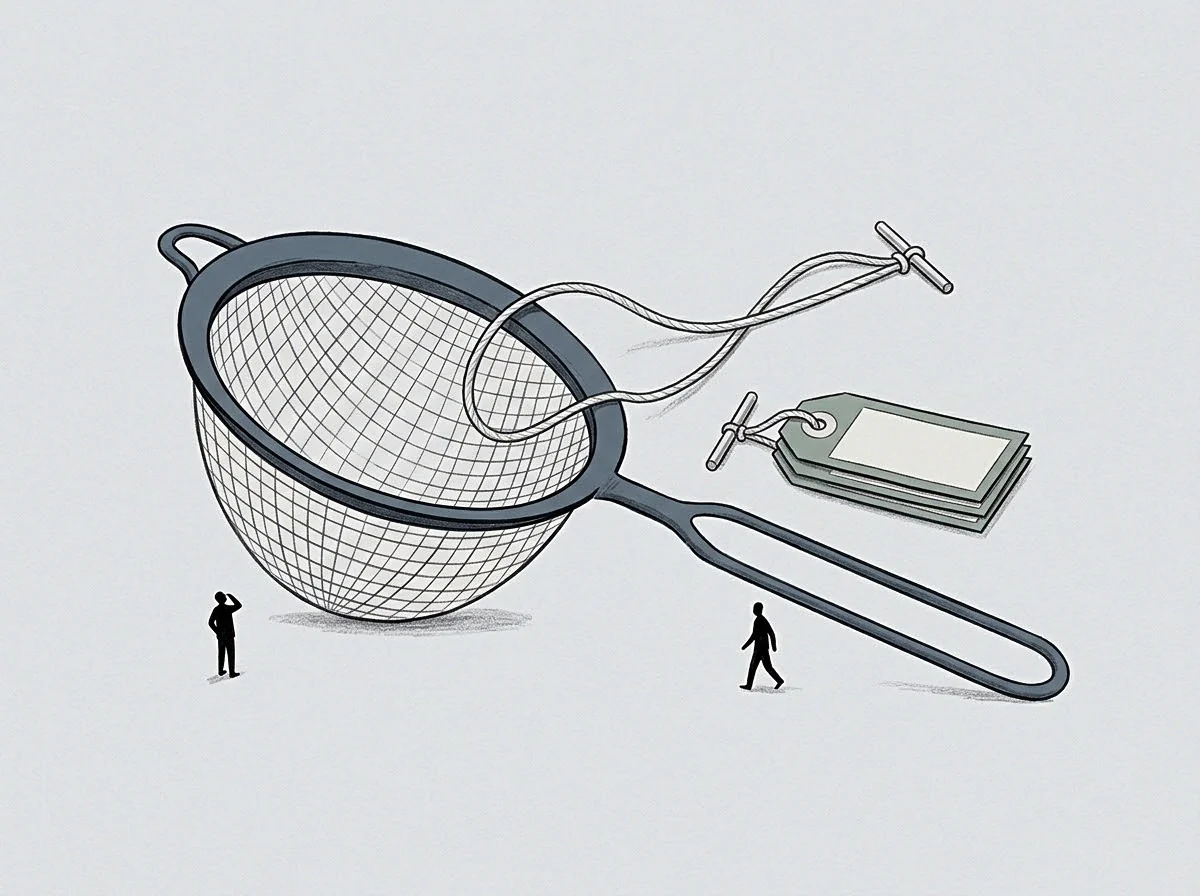
Project management techniques include the deliberate removal of goals or features to meet a specific deadline or budget. Scope truncation is the act of cutting the least critical parts of a plan to ensure that the primary objective is achieved. It is an ordinal decision making process where features are ranked by their value and the bottom ones are discarded.
This mechanism prevents the total failure of a project due to overambition.
Selective Removal
Identifying which components can be removed without ruining the user experience requires a deep understanding of the product. Scope truncation focuses on the 80 percent of the value that comes from 20 percent of the features. By shedding the complexity of the remaining parts, the team can move much faster.
This action is a form of risk management that trade offs perfection for completion. The focus shifts from a broad list of requirements to the core functionality that defines the project success.
Deadline Compliance
Meeting a hard date often requires a sacrifice in the breadth of the offering. Scope truncation ensures that something of high quality is delivered on time, rather than a full product that is late and broken. It is a tool in fast moving markets where being first provides a competitive advantage.
Goal Refinement
Narrowing the focus of a team often leads to better innovation on the remaining tasks. When the distractions of secondary goals are removed through scope truncation, the energy capacity of the staff is concentrated. This concentration results in a more polished and reliable final product.