Meaning
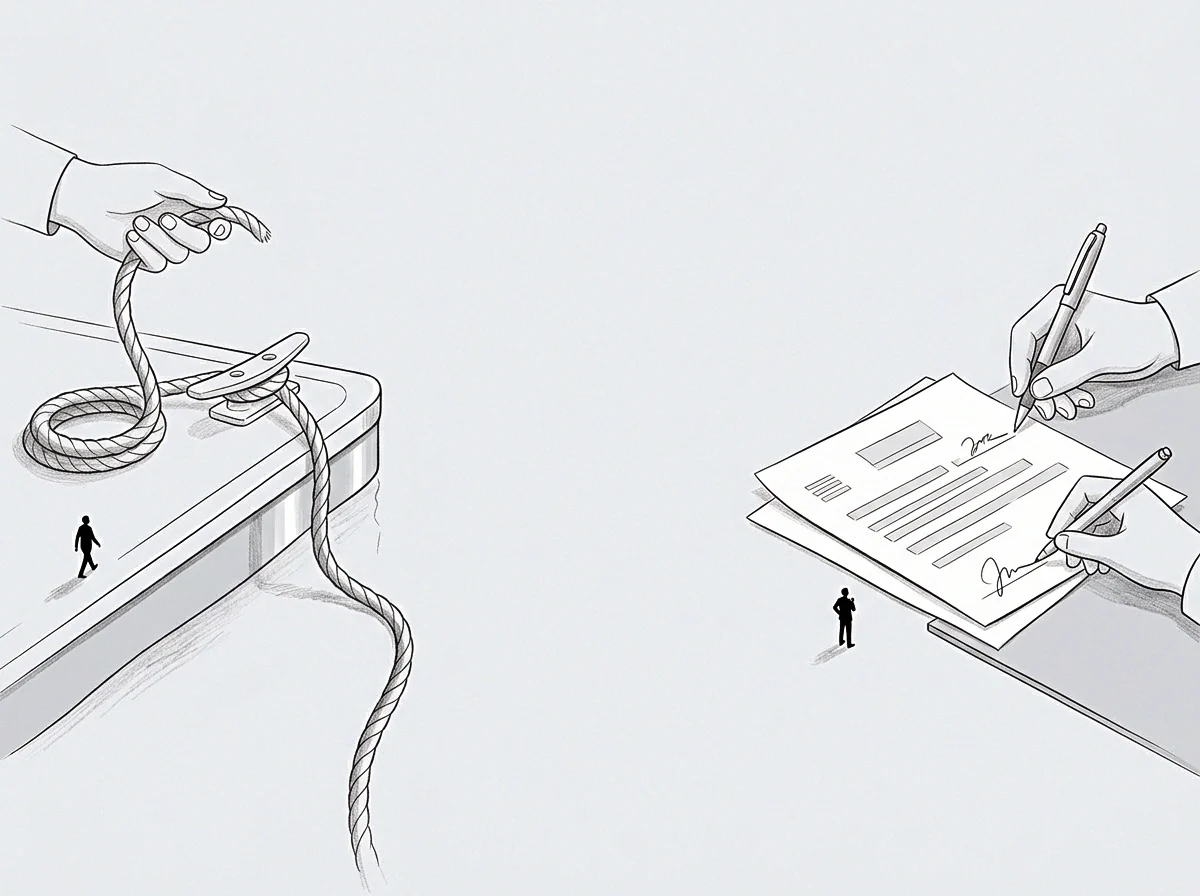
The definitive moment when an obligation transfer between two parties becomes unconditional and legally enforceable establishes the baseline for counterparty risk elimination. Achieving settlement finality guarantees that a completed payment or asset transfer cannot be reversed or canceled by insolvency administrators or unilateral participant clawbacks. Statutory recognition governs systemic payment and asset exchange operations across clearing jurisdictions.
Protection terminates where transactions remain in provisional or challengeable states subject to retrospective unwinding.
Legal Discharge
Statutory protections ensure that completed obligations survive the bankruptcy of either transacting party. Once a transaction reaches settlement finality, the receiving institution gains an unencumbered legal claim to the transferred assets, extinguishing the underlying commercial debt. Receivers cannot claw back settled funds during insolvency proceedings.
Legal finality protects systemic stability by ending the chain of bilateral liability.
Revocation Risk
Operational exposure persists throughout the interval between commercial execution and irreversible legal conclusion. Prior to achieving settlement finality, transactions remain vulnerable to clawbacks or participant default, leaving the receiving organization holding unsecured credit risk instead of actual assets. If a counterparty fails while a transfer is provisional, the entire transaction can unwind, leaving the delivering party without both the sold asset and the anticipated payment.
Measuring this revocation window allows treasury officers to quantify unhedged exposure across gross processing volumes. Executive focus shifts to securing the point of final legal discharge. Unfinished settlements inflate balance sheet exposure beyond actual enterprise capacity.
Temporal Horizon
Execution velocity varies depending on whether settlement architecture relies on real-time gross settlement or delayed netting cycles. The time required to reach settlement finality ranges from seconds in modern digital architectures to multiple days in cross-border correspondent banking networks. Buffer capital must absorb liquidity demands while settlement processes proceed.
Settlement delays scale carrying costs across all open commercial books.