Meaning
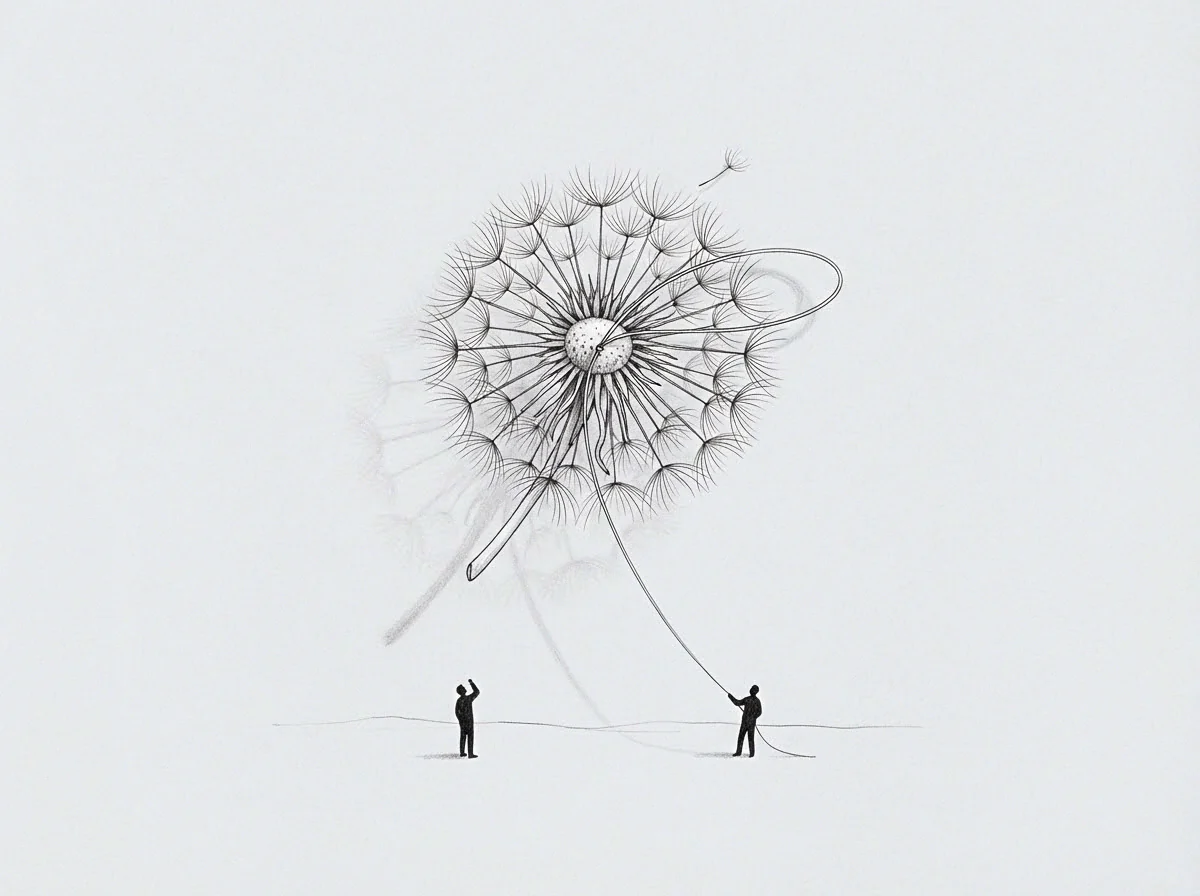
Rate at which the various frequency components of a complex signal lose their intensity over a specific duration determines the changing character of the wave. This measurement of spectral decay shows how higher frequencies often disappear faster than lower ones, altering the balance of the signal as it ages. It provides a detailed view of the dissipation process that a simple total power measurement would miss.
This phenomenon is used to analyze the acoustics of a space or the behavior of a digital filter.
Frequency Dissipation
Energy loss is rarely uniform across the entire range of a signal’s constituent parts. When spectral decay occurs, the energy concentrated in the sharp, high frequency peaks is the first to be absorbed by the environment. This leaves behind a muffled or rounded version of the original impulse.
Understanding this selective loss helps engineers design systems that can compensate for the predictable fading of specific information layers.
Temporal Fading
Duration of an impulse is limited by the speed at which its energy is converted into heat or noise. In the study of spectral decay, the time it takes for a signal to fall below the audible or measurable threshold is a critical figure. This fading follows a predictable curve that can be modeled to improve the accuracy of synthetic signals.
The cardinal value of the decay rate determines how long a piece of information remains distinct before it merges with the background. Monitoring this fading prevents the loss of critical signals that would otherwise vanish without notice.
Harmonic Reduction
Complexity of a waveform depends on the presence of overtones that give it a unique signature. A high rate of spectral decay strips these harmonics away, simplifying the signal until only the fundamental frequency remains. This reduction in detail makes the signal easier to store but harder to recognize.
Protecting the harmonic content requires specialized mediums that resist the natural tendency of the spectrum to collapse toward its lowest energy state.