Meaning
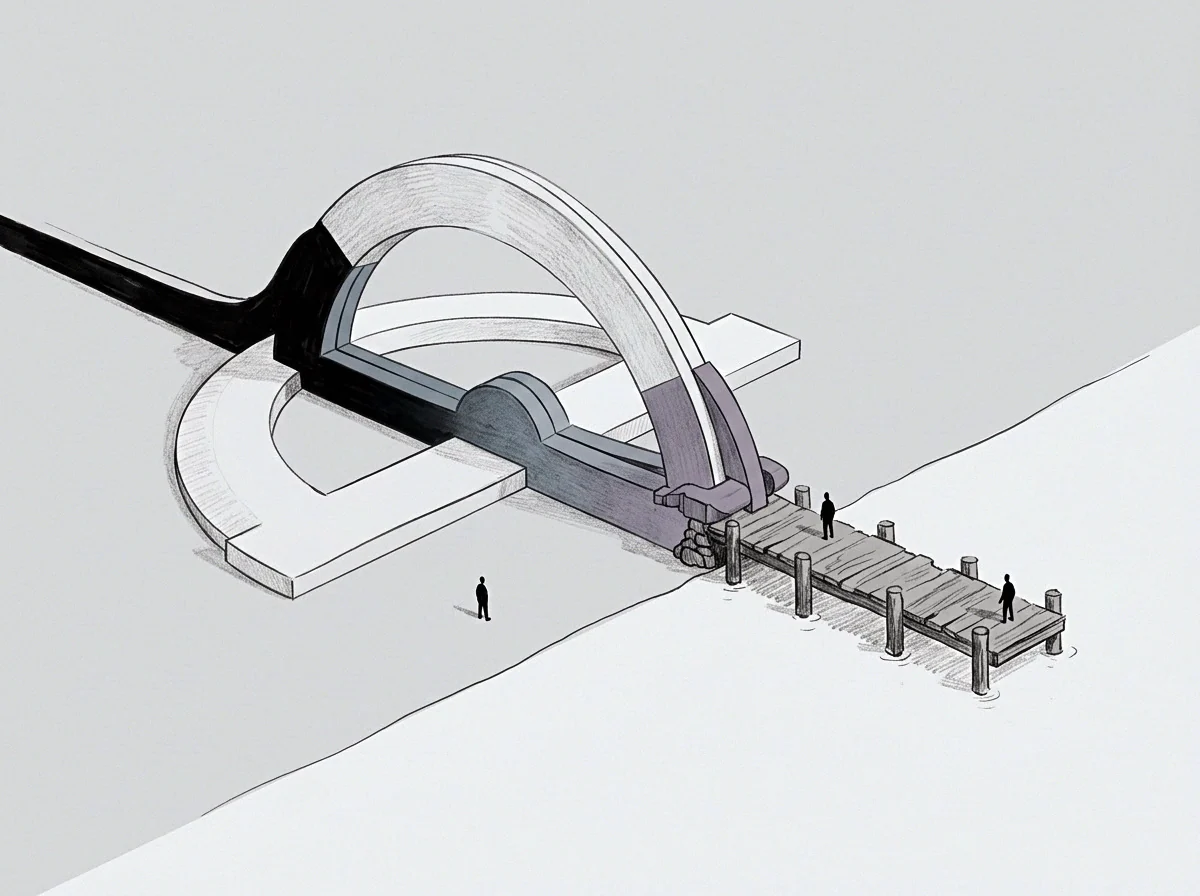
A specific value on a coordinate plane marks the coordinate where a variable ceases to influence a model output. The truncation point acts as a threshold because values exceeding this limit get discarded to maintain the integrity of a calculation. By setting a ceiling for data intake, the mechanism prevents outliers from skewing the final result.
Operational Utility
Analysts apply the truncation point to define the valid range of an ordinal scale. This constraint ensures that the model remains within a functional boundary where the observed data maintains consistency. If a metric climbs above the limit, the software applies a hard filter to preserve the stability of the distribution.
Analytical Constraint
The numerical limit serves as an boundary for long term projections. Decisions regarding the limit require an assessment of the variance in the underlying data set. A higher limit permits more volatility but increases the complexity of the interpretation.
Smaller limits produce cleaner outputs while risking the loss of accurate signals from the periphery of the sample.
Design Consequence
Mathematical systems rely on this constant to force convergence in iterative operations. Every iteration tests the value against the preselected ceiling to determine whether the calculation should proceed or terminate. Failure to correctly calibrate this limit leads to memory overflow or degraded precision in the final calculation.
A static constraint ensures that the model behavior remains predictable across various input sizes.