
Arbitrating Irreversible Human Capacity Destruction Against Long Term Enterprise Insolvency Under Severe Uncertainty
When severe uncertainty threatens enterprise solvency, protecting ordinal human capacity prevents temporary capital deficits from causing permanent structural failure.
Trench
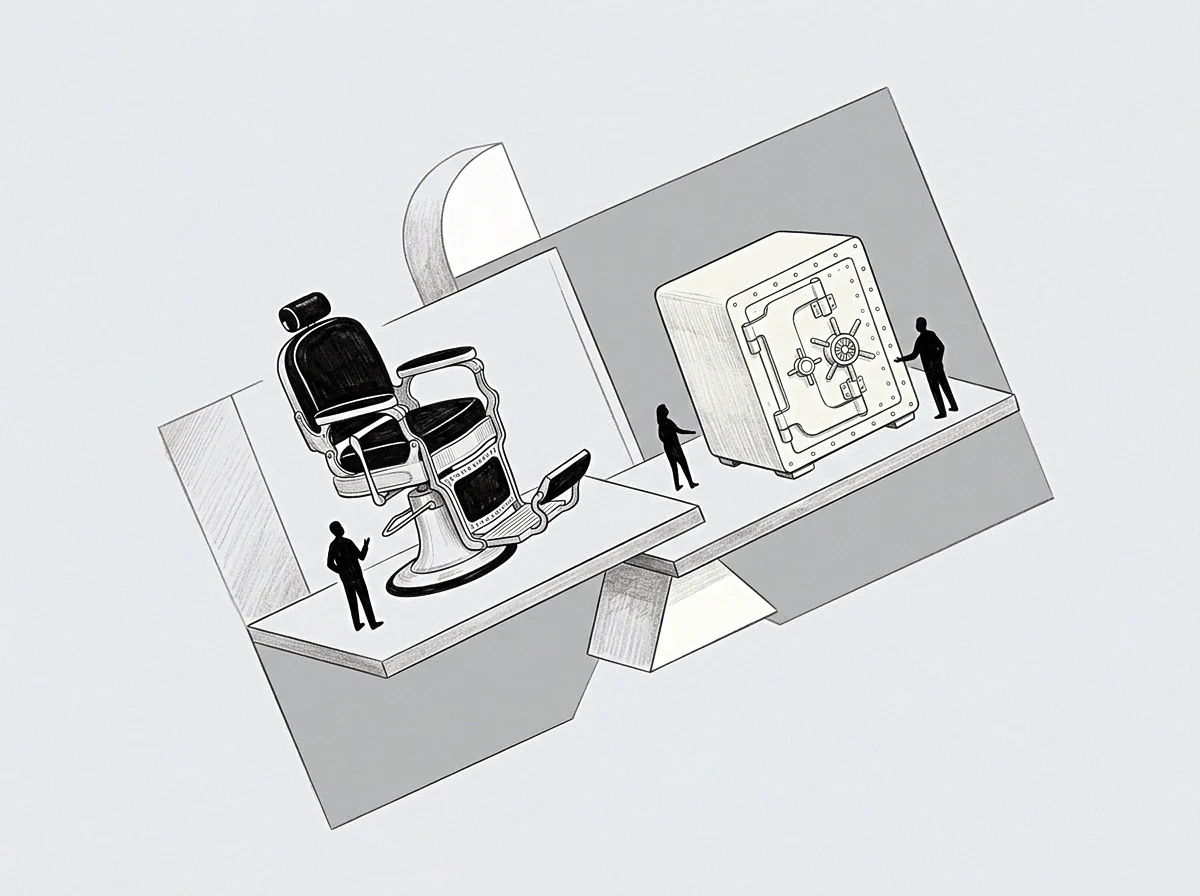
An enterprise six weeks from capital exhaustion faces an asymmetric trade-off between cash conservation and human endurance. In the operating center, engineering leaders log ninety-hour weeks patching critical infrastructure while financial models project survival odds. Cash balances offer immediate feedback down to the dollar, but cognitive capacity drops without a comparable real-time count.

The Operational Limit Under Capital Compression
Bank balances decrease as burn rates outstrip software billings. That pressure leads executives to demand continuous hours from technical architects, under the assumption that output scales directly with urgency. Physical endurance follows biological limits instead: prolonged sleep loss, high cognitive strain, and constant strategic anxiety degrade working memory within months.
System stability falls when fatigue-driven mistakes spread through core repositories. Operators often treat short adrenaline spikes as durable productivity, missing the steady decline in abstract reasoning.
A depleted treasury accelerates cash decisions while cognitive fatigue degrades the precision of those choices.
Physiological Thresholds in Extended Crises
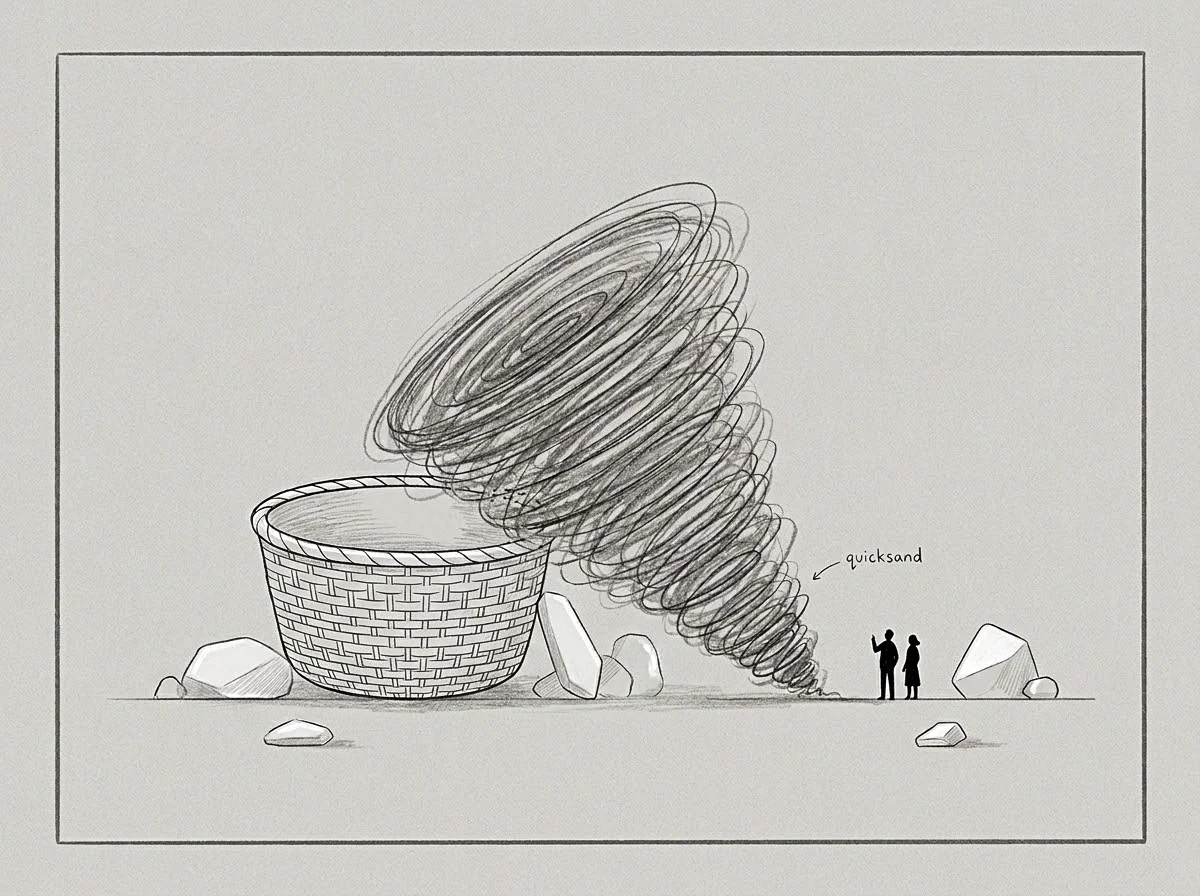
Under continuous strain, biological systems accumulate allostatic load. The prefrontal cortex, which governs risk assessment and synthesis, loses functional sharpness under prolonged cortisol exposure. Lead engineers start introducing logic errors into core database schemas, creating technical liabilities that take months to resolve.
Runway remains visible on dashboards while cognitive reserves quietly drain away.
Pushing past physical limits turns a temporary liquidity gap into permanent organizational damage. When principal architects collapse from exhaustion, the company loses undocumented system context that cannot be recreated from manuals. Conserving cash in the short term often destroys long-term operational capacity, a trade-off executive teams tend to recognize only after key personnel resign.
Whether an enterprise can regain structural momentum once its core system builders reach severe neurological exhaustion remains an open empirical question.

Depletion
Protracted crisis operations change neural processing over time. When survival is uncertain, executive teams track disbursements down to the cent while discounting human energy expenditure. This mismatch skews risk assessments across every operational department.

Allostatic Overload and Cognitive Atrophy
Research confirms that chronic high stress impairs decision accuracy over long horizons. Sustained cortisol levels disrupt the neural connections required for multi-variable analysis and recall, leading stressed leadership teams to alternate between sudden risk aversion and erratic gambles.
Strategic clarity deteriorates well before revenue drops. An enterprise may stay current on financial obligations while losing the analytical focus needed to reshape product architecture or renegotiate loan covenants.
When continuous operational pressure exceeds physical recovery capacity, decision error rates double within three financial quarters.
Structural Degradation Modes
Human capacity loss surfaces in predictable ways across technical and operational units:
- Executive Function Atrophy occurs when persistent high cortisol levels impair working memory and abstract reasoning, preventing systematic strategic adaptation during severe market contraction.
- Sovereign Technical Debt Accumulation happens as exhausted engineering teams write hasty workarounds that permanently complicate core application software architecture.
- Irreversible Talent Flight emerges when key technical operators reach physical exhaustion and exit the enterprise permanently, taking unwritten system knowledge with them.
Unstated expectations create hidden organizational debt. Operating through an extended solvency threat without hard output limits leads directly to operational breakdown, permanently lowering what the enterprise can achieve.
Operators who protect their cognitive reserves retain restructuring paths that depleted teams overlook.
Valuation
Gauging enterprise survival under severe uncertainty requires comparing cardinal financial balances with ordinal capacity states. Standard accounting tracks capital inflows, expenses, and reserves with precision. Human endurance operates ordinally, where states reflect functional health rather than neat financial ledger entries.

Quantifying Ordinal Capacity Against Cardinal Burn
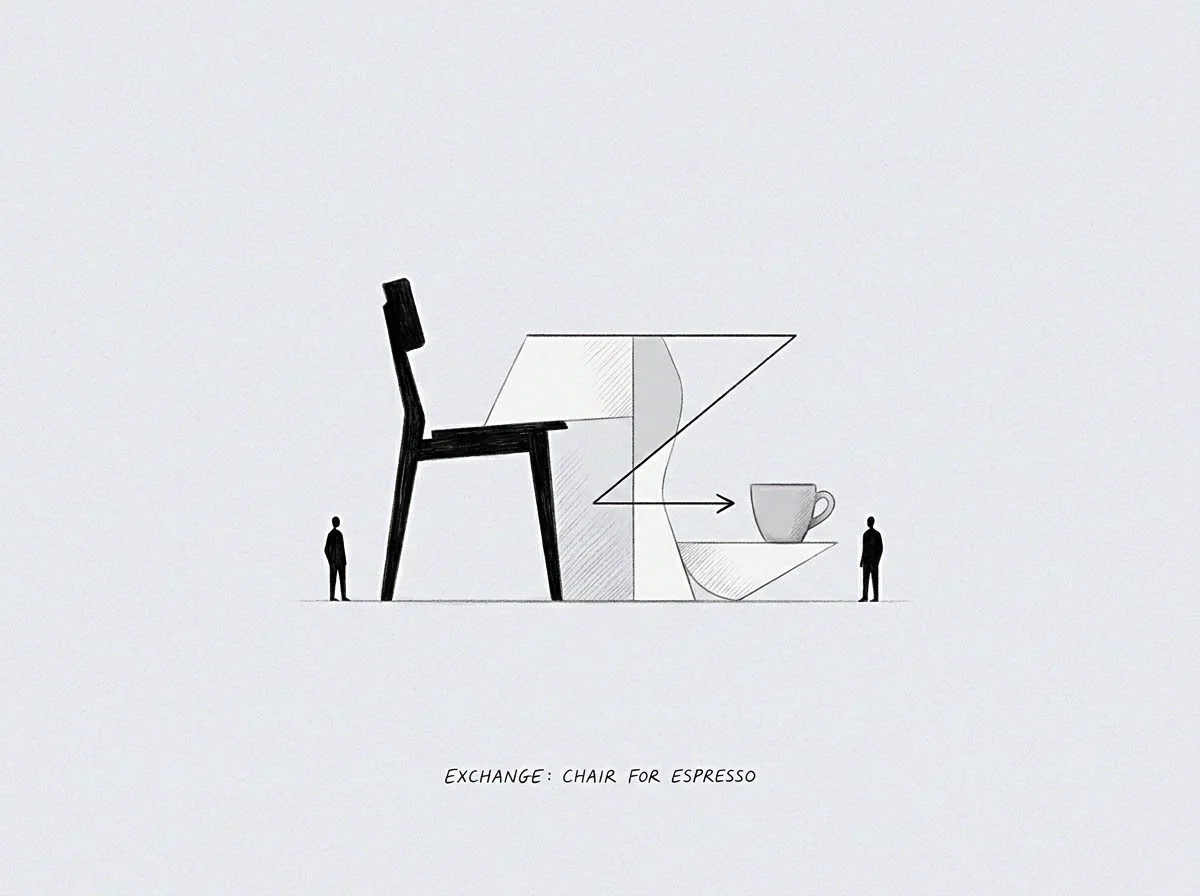
Measuring a company strictly by cash runway offers a misleading picture of health. A business with twelve months of cash but an exhausted technical staff has less functional capacity than one with three months of runway and an intact leadership team, because liquid reserves cannot restore depleted health.
Sacrificing physical limits to preserve cash erodes the institutional value held by experienced staff, and later capital injections cannot buy back lost cognitive function.
Operational targets must respect human recovery limits to keep the broader system from failing.
Can Irreversible Cognitive Exhaustion Be Formally Quantified?
Weighing financial solvency against human energy reserves requires clear points of comparison. The following table contrasts those operational trade-offs under severe uncertainty:
| Evaluation Axis | Monetary Solvency Priority | Capacity Preservation Priority | Vector Result |
|---|---|---|---|
| Decision Horizon | Short term cash preservation | Multi year institutional endurance | Structural equity alignment |
| Resource Metric | Cardinal dollar runway | Ordinal cognitive output | Combined operational resilience |
| Failure Mode | Immediate liquidation | Permanent capability loss | Managed restructuring |
Models that overlook human capacity decay produce misleading valuations during turnarounds. When technical leadership burns out, replacing their institutional knowledge usually costs more than the cash saved by overworking them.
The failure to convert ordinal capacity limits into formal operational constraints guarantees enterprise liquidation under sudden market shocks.
Subordinating human limits to cash preservation leaves a company that might outlast insolvency, but only as a shell unable to execute.
Arbitration
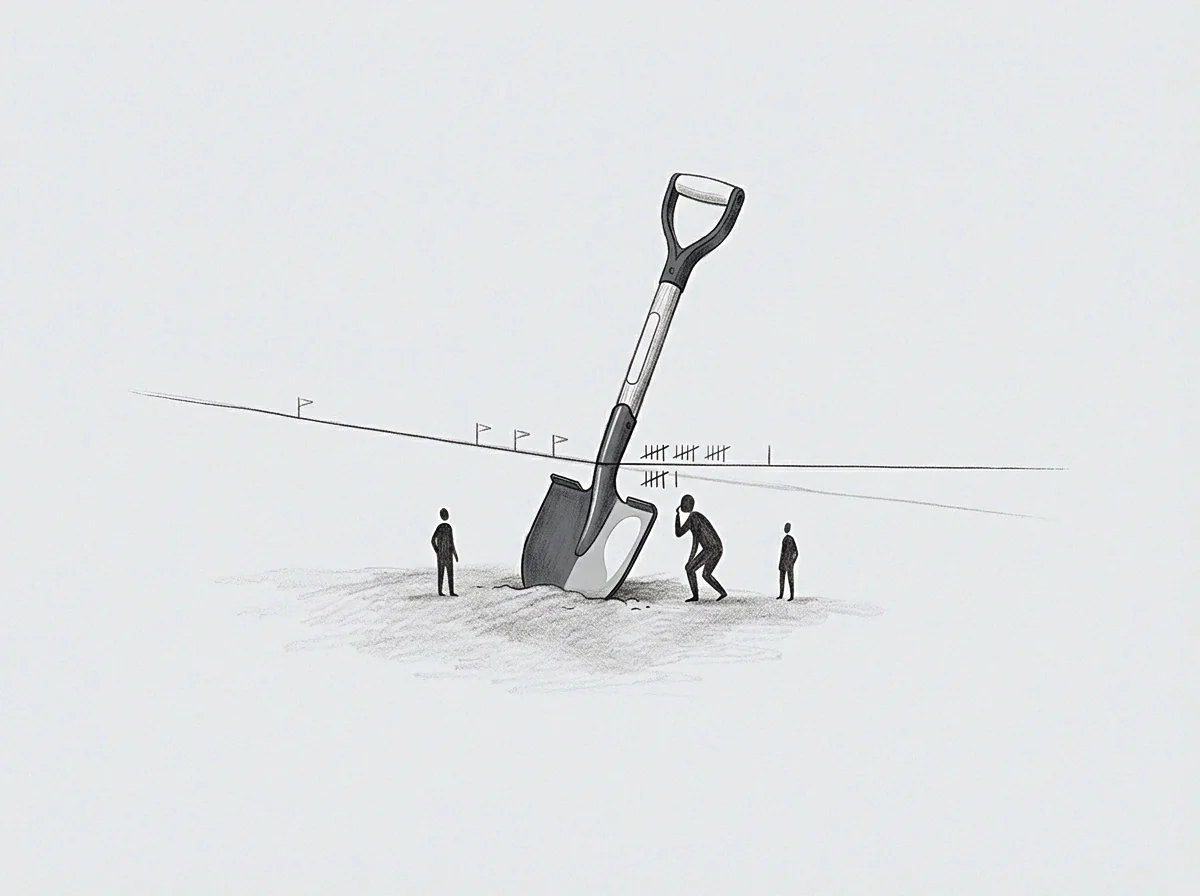
Balancing solvency hedges against human endurance requires clear operational boundaries. Leadership needs explicit triggers for restructuring before performance drops past the point of baseline recovery, protecting human capacity throughout periods of financial stress.

Structural Protocols for Capacity Preservation
Defined boundaries stop teams from drawing down capacity informally during financial emergencies. Leadership teams introduce structural thresholds to protect the analytical capacity of critical staff:
- Establish non-negotiable operational floor criteria based on cognitive processing availability rather than bank balances.
- Audit weekly operational hour output to identify systemic fatigue signals before code quality or deal structuring collapses.
- Execute orderly capital restructuring or downscaling the moment human capacity metrics cross pre-established safety thresholds.
Because allostatic overload degrades strategic choices, clear operational floors stop teams from burning through personal health to offset corporate budget gaps.
A planned corporate contraction preserves essential institutional knowledge while an unmanaged burn liquidates human assets without recovery.

Operational Exit and Restructuring Triggers
During deep financial distress, restructuring must happen while leadership still possesses full analytical focus. Waiting to reorganize until essential operators are completely depleted closes off any practical turnaround.
Early restructuring preserves working capacity, giving the company room to adjust product direction or settle debt terms before hidden technical debt compounds beyond repair.
Investors will accept a smaller operational scope today if key building talent remains present to execute the eventual recovery.

Tenure
Institutional continuity requires writing human capacity limits directly into governance. Shareholder agreements, executive contracts, and board policies ought to treat physiological limits as structural operational constraints, protecting enterprise equity over multi-year horizons.
Long Term Governance of Human Capital Vectors
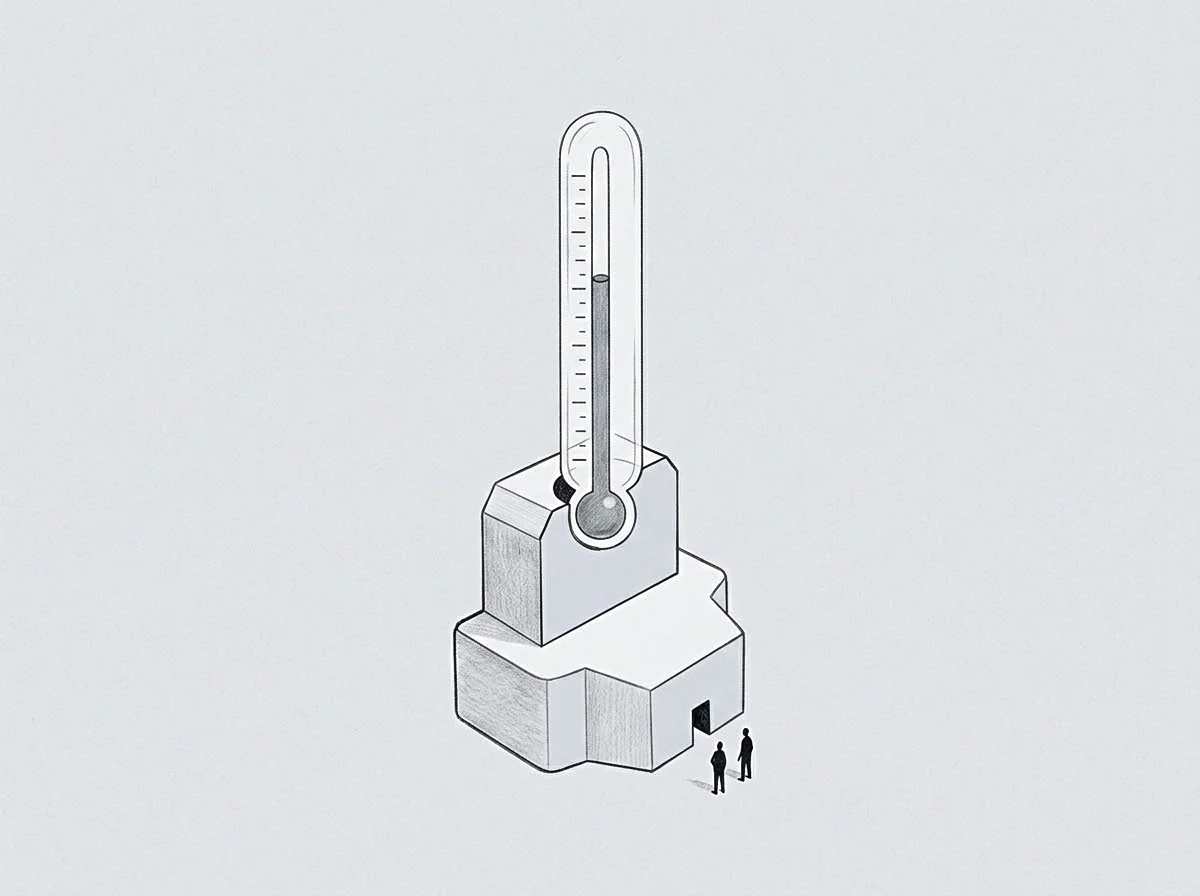
Standard corporate charters task boards with monitoring burn, auditing accounts, and enforcing budgets. A broader governance model includes capacity metrics, allowing directors to track workload distribution, core technical turnover, and cognitive health alongside the balance sheet.
Governance mechanisms that safeguard human capacity prevent short-term financial defenses from dismantling the team required for subsequent growth.
Explicit capacity protections in founder and executive agreements set enforceable guardrails against unsustainable demands during volatile market cycles.

Contractual Anchors and Capacity Guarantees
Putting human limits into formal legal and governance documents turns informal assumptions into binding terms. Vesting schedules, working-hour limits, and mandatory leave provisions act as structural safeguards. These terms require investors and officers to address cash shortages through capital calls or operational cuts rather than overworking staff.
Early contractual clarity protects essential staff, preserves execution standards, and prevents systemic personnel failure during enterprise crises. Governance structures that prioritize cognitive reserves defend long-term equity under unstable market conditions.
A mandatory capacity ceiling clause forces an equity vote on restructuring before total human depletion renders the firm unviable.