
Arbitrating Unrecoverable Internal Capacity Depletion When External Client Price Ceiling Blocks Conversion
Unrecoverable internal capacity depletion under client price ceilings requires enforcing strict scope boundaries or initiating account offboarding to reclaim focus.
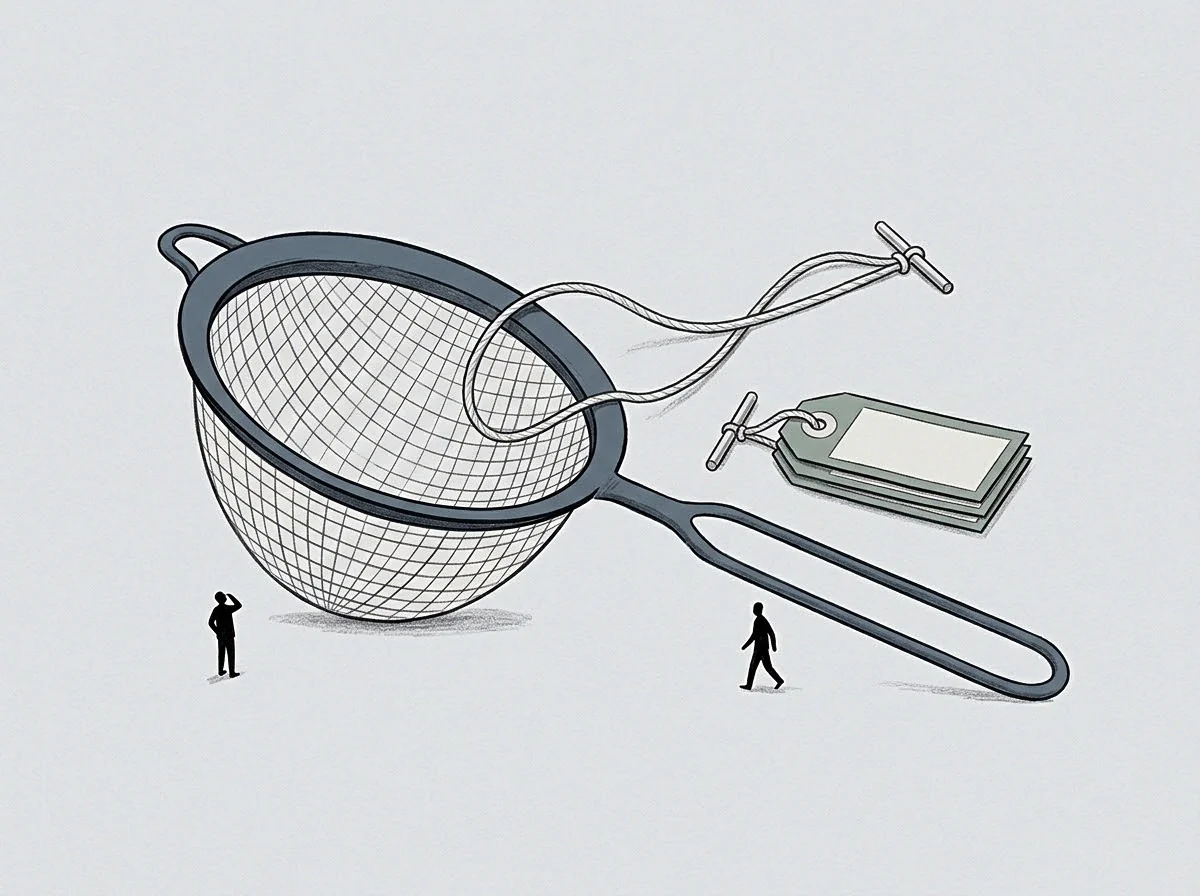
Wall
A project sits in the second quarter of execution, with three senior operators spending forty hours each week on custom client mechanics. Revenue from the account remains fixed at twelve thousand dollars per month under a contract signed during the firm’s initial founding phase. Citing an institutional spending cap, the client rejects every proposal to move to a standardized tier or expanded software arrangement, leaving execution stalled without fresh hours.
Internal efficiency improvements reduce delivery time by marginal increments, but the client absorbs the saved time by expanding operational queries. Senior workers exhaust their high-value focus on repetitive troubleshooting rather than building reusable technical infrastructure. Internal capacity depletes permanently when spent hours yield no transferable asset value or functional skills.
When customized delivery consumes available technical focus under a locked contract rate, internal capacity suffers cumulative erosion.
Price ceilings enforce rigid boundaries across external service engagements. When an external spending cap prevents converting an account into a higher-margin or automated model, the service provider incurs an unrecoverable operational drain. The account acts as an operational sink, drawing resources away from accounts that yield expanding margins or reusable intellectual assets.
Failing to arbitrate this imbalance early forces the service provider to subsidize client operations using internal capital and worker stamina. The cost trajectory accelerates while cardinal revenue stays flat. When an organization treats depleted worker capacity as an invisible overhead item, it gradually surrenders the ability to execute new high-margin opportunities.

Clock
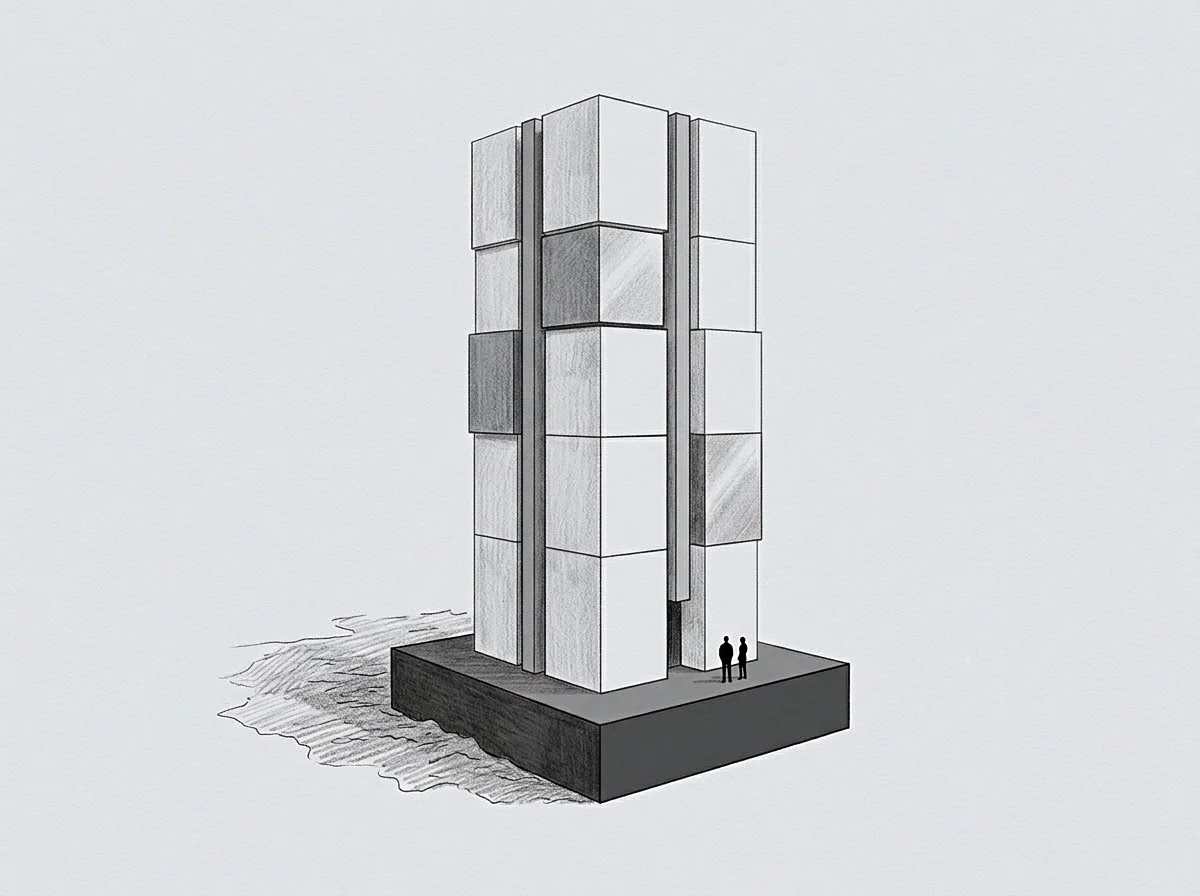
Irrecoverable Hours in Service Mechanics
Internal capacity depletion occurs when an account consumes operational focus that yields neither financial margin nor structural skill growth. Operational focus is a perishable resource with limited capacity across any work cycle. When senior operators handle manual account demands, that focus vanishes without leaving permanent technical assets behind.
- Initial delivery expectations exceed standard software features, forcing custom manual operations during account setup.
- The client establishes an absolute budget ceiling that prohibits price increases or contract expansion during renewal cycles.
- Standardization proposals fail because the client’s internal workflow relies on customized service interventions.
- Internal capacity reaches exhaustion as senior staff spend their full allocation maintaining the account baseline.
- The firm incurs opportunity losses by rejecting prospective high-margin clients due to total focus lockup.
The cardinal price paid by the client reflects an earlier negotiation under different operating assumptions. As client operational demands expand, internal costs escalate while the price paid remains frozen at the contract ceiling. The disparity between ordinal internal cost and cardinal external price creates an unrecoverable deficit.
A contract that consumes full technical attention without conversion options operates as a permanent asset drain.

Measuring Depletion Against Conversion Rates
Conversion blocks occur when client willingness to pay reaches an absolute threshold below the account’s operational cost. In software and specialized professional service delivery, conversion shifts custom delivery into high-margin recurring subscriptions. When the client enforces a price ceiling, conversion halts completely.
The firm tracks hours spent against account revenue to measure the severity of internal depletion as marginal operational returns reach zero. When hours consumed per month scale faster than contractual adjustments allow, the account’s gross margin turns negative on an ordinal focus scale, regardless of whether nominal cash flow remains positive.
At what threshold does continuous service delivery under a client price ceiling trigger mandatory contract termination?
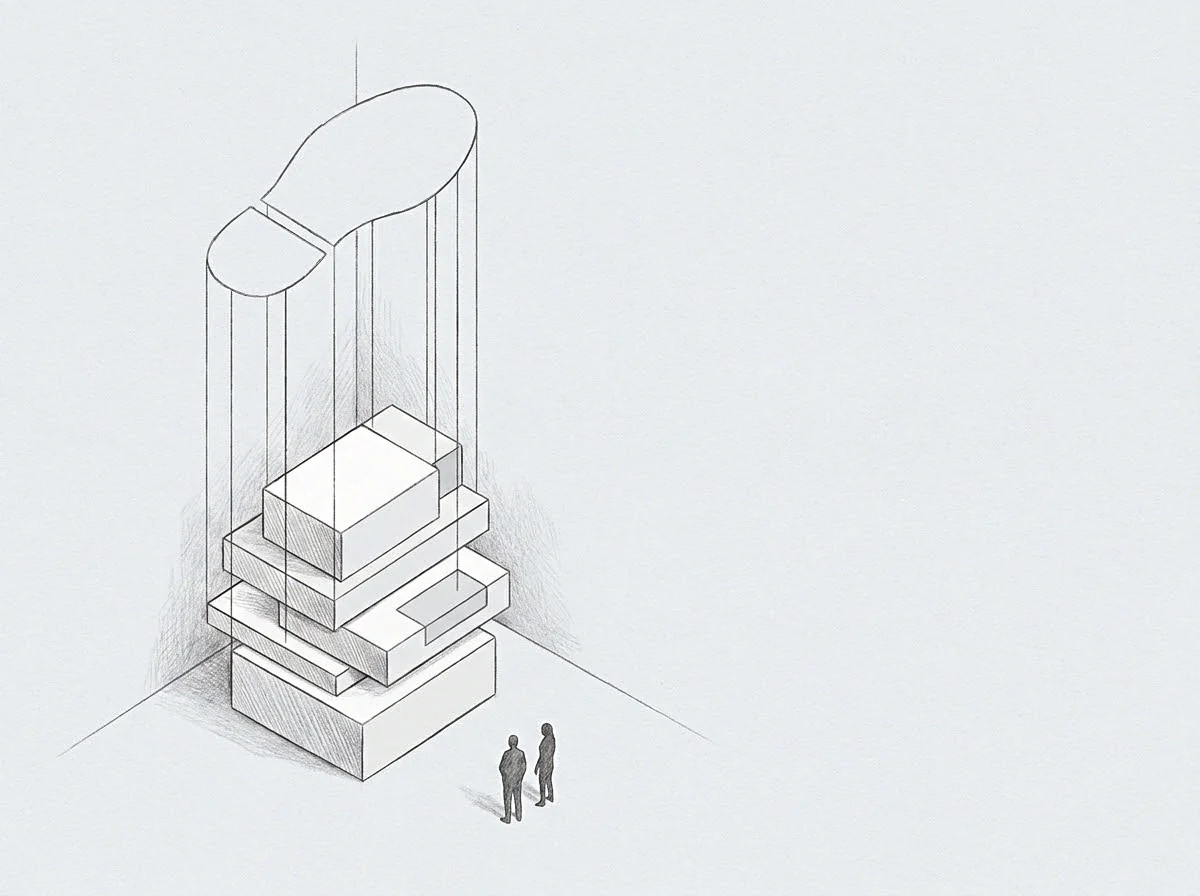
Weight
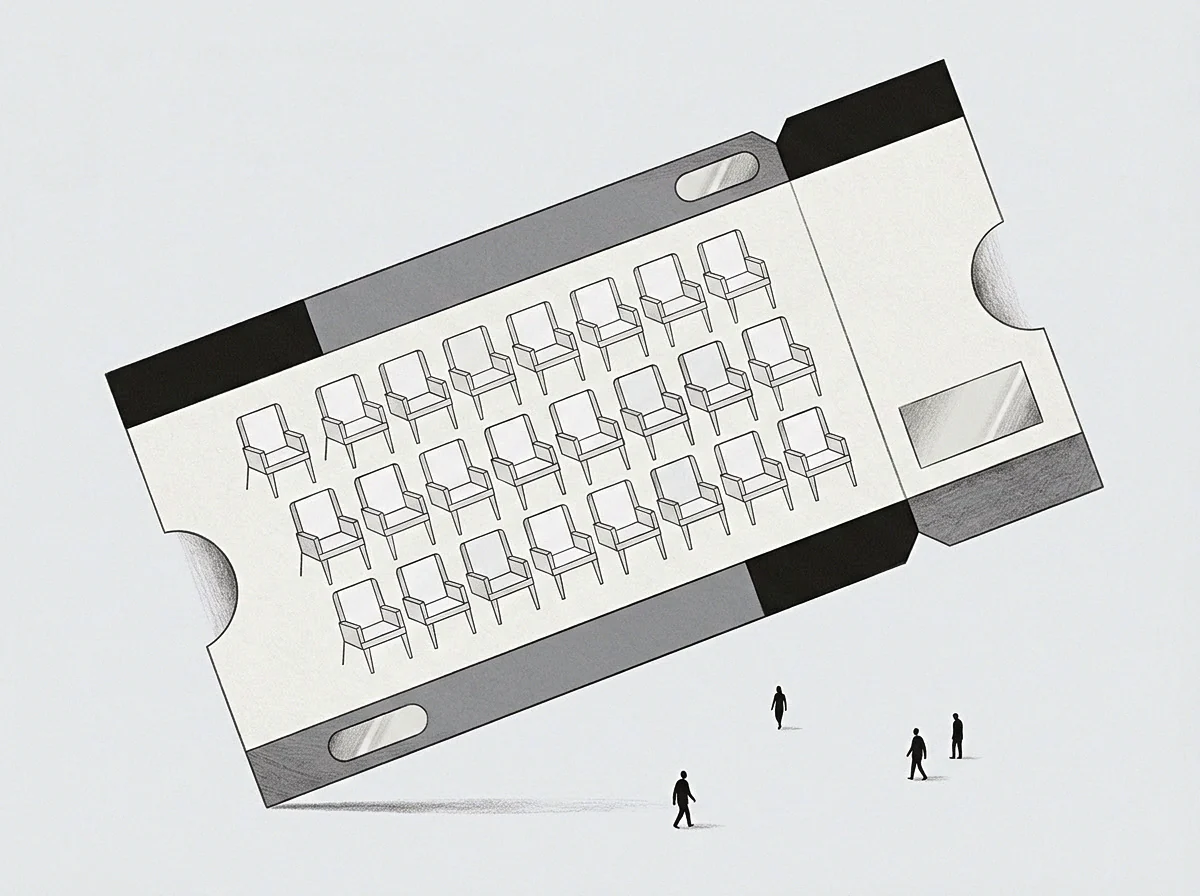
Ordinal Exhaustion Against Cardinal Caps
Evaluating an unprofitable account requires separating cardinal financial metrics from ordinal internal capacity measures. Cardinal figures track invoice revenue, whereas ordinal measures track the exhaustion of worker focus, available technical hours, and executive energy. A business can report nominal accounting profit on an account while experiencing severe internal depletion that threatens core business functions.
| Operating Dimension | Standard Recurring Conversion | Capped Custom Account |
|---|---|---|
| Capacity Drain Vector | Decreases as automation expands | Escalates as client demands scale |
| Price Conversion Mobility | Scales with usage and features | Blocked by external client price ceiling |
| Operational Reusability | High transferable technical code | Low client-specific intervention |
| Margin Trajectory | Expands toward fixed asset baseline | Erodes toward total focus deficit |
With contractual terms dictating service floors, an account that absorbs forty percent of an engineering unit’s attention while contributing ten percent of gross revenue creates structural instability across adjacent operations.
Unrecoverable worker focus consumed by locked contract terms represents an immediate structural loss.

Is Internal Exhaustion Convertible to External Price?
Clients evaluate price based on received utility rather than internal costs incurred by the provider. Explaining internal exhaustion to a client rarely leads to price increases when that client operates under rigid budget constraints. The provider cannot convert internal capacity depletion into higher external prices without client alignment on perceived value.
- Unpriced scope expansion occurs when operational teams accept incremental client requests without updating cardinal contract figures.
- Skill acquisition stagnation occurs when technical teams repeat manual tasks instead of constructing automated systems.
- Executive distraction lockup occurs when leadership spends dispute hours managing low-margin account complaints.
- Capacity erasure occurs when total worker fatigue leads to elevated turnover among senior technical staff.
Under the capacity allocation threshold, any client account that consumes internal focus beyond its cardinal revenue ratio without a conversion path triggers an immediate contract review. This condition shifts arbitration from negotiation toward contract offboarding or strict scope containment.
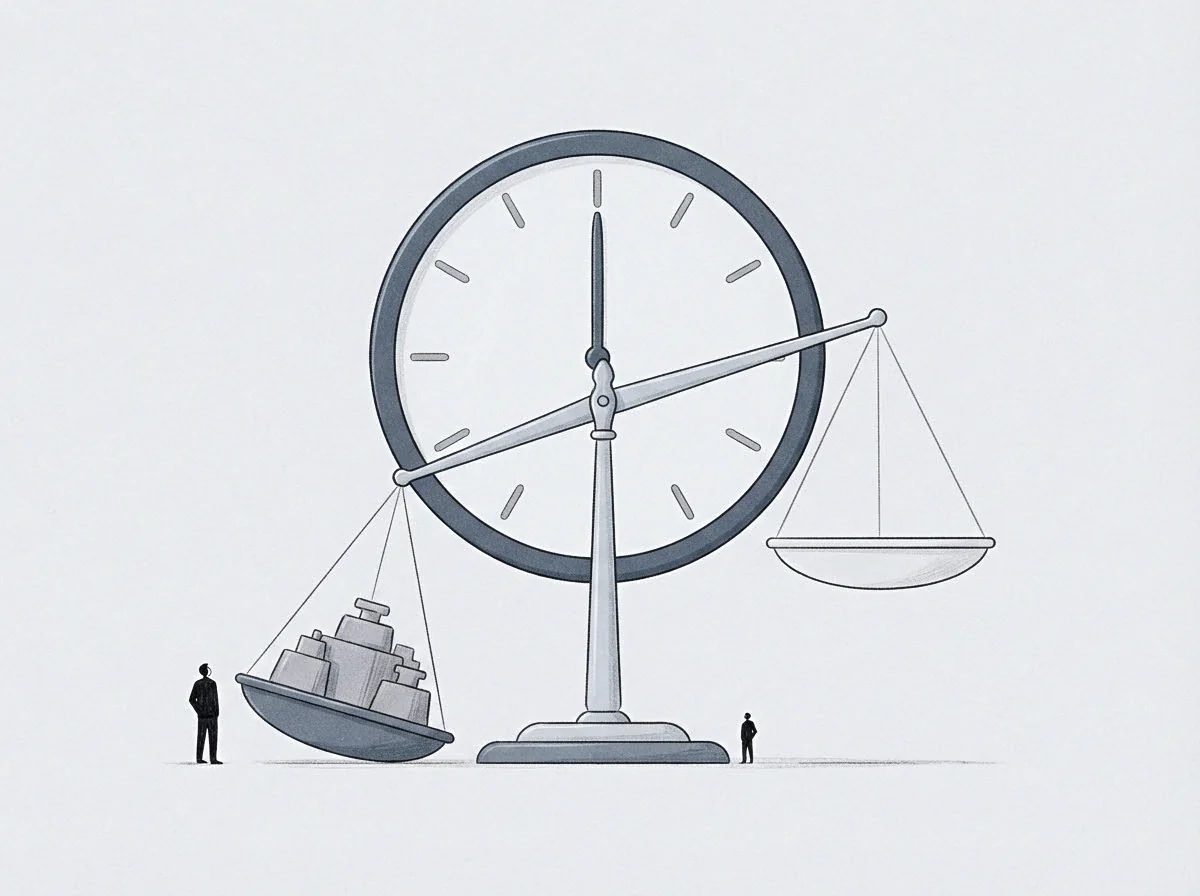
Ceiling
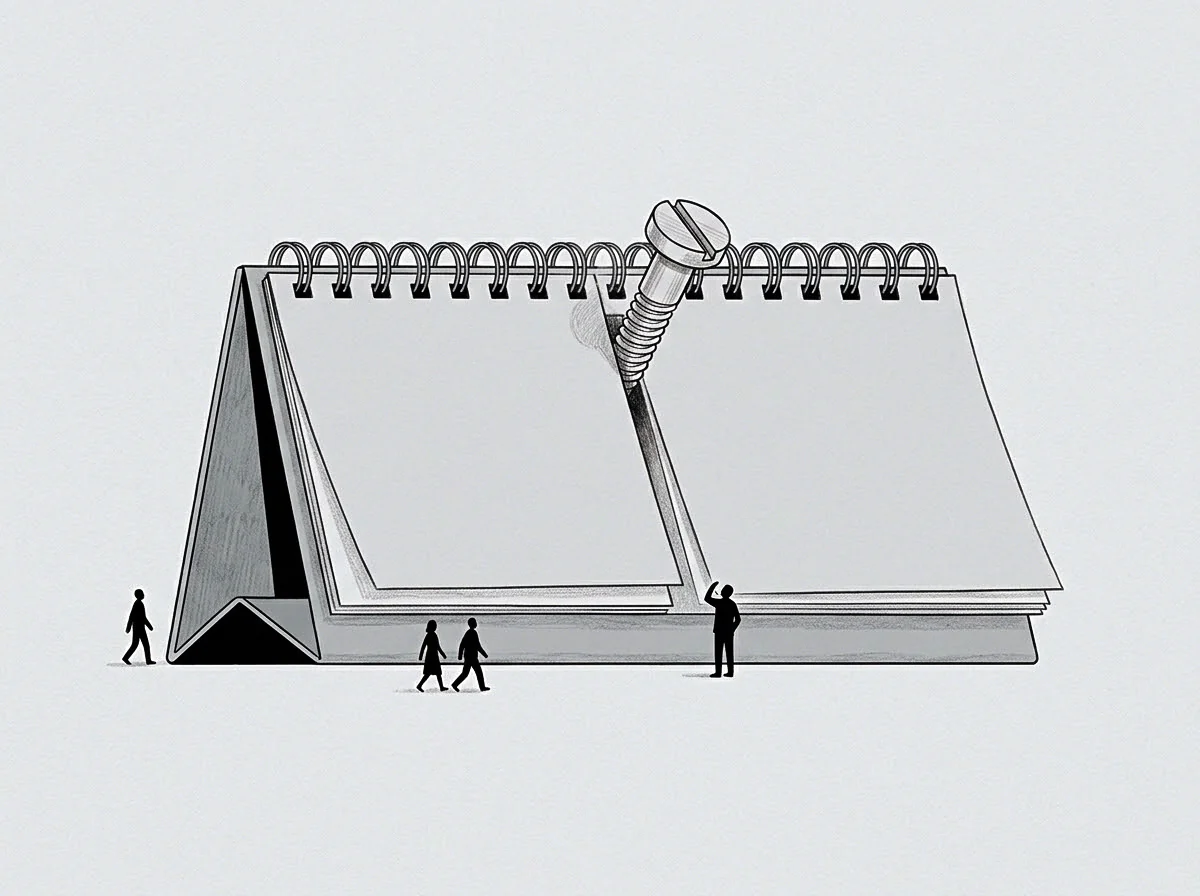
Inelastic Revenue Boundaries
External price ceilings arise from strict organizational budgets, procurement mandates, or financial limits within the client’s business model. When an external price ceiling collides with rising service costs, conversion paths collapse, leaving an inelastic revenue boundary that value messaging cannot alter.
When external price ceilings block conversion, continuing the relationship requires imposing explicit operational bounds. The service provider must translate internal capacity depletion into clear commercial terms that the client can evaluate against their budget scale.
A fixed price ceiling transforms variable service commitments into an unrecoverable operating loss.

Converting Cost Vectors to Exit Terms
Arbitration requires establishing explicit conditions that define whether an account continues under capped parameters or undergoes structured offboarding. The service provider defines contract boundaries through structural terms rather than informal negotiations.
- Scope boundary enforcement restricts delivery to explicitly documented contractual items and eliminates unpriced verbal requests.
- Automated delivery substitution replaces manual custom support with standard self-service documentation and interface tools.
- Service level adjustment reduces response velocity and meeting frequency to match the low cardinal margin of the account.
- Terminal offboarding schedule sets an explicit end date for service delivery when price adjustments remain blocked by the client cap.
A scope containment notice brings the contractual conflict into focus: contract terms prohibit service reductions while current guidelines prevent additional budget authorization.
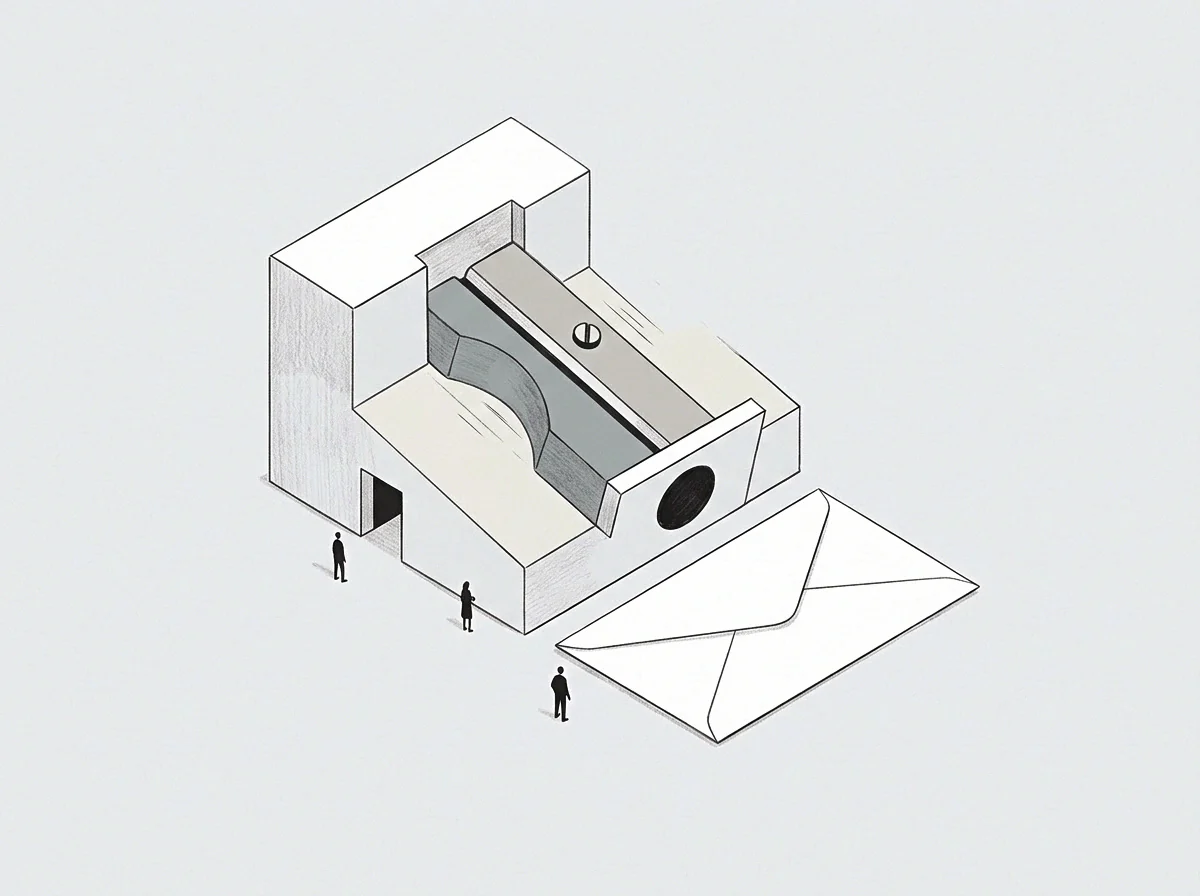
Toll

Arbitrating Exit Versus Structural Loss
Final arbitration over an unrecoverable capacity drain requires direct decision-making by firm leadership to break the loop based on flat financial truth. The choice pits short-term cardinal revenue loss against long-term internal capacity recovery. Retaining a low-margin account under a locked price cap destroys future enterprise value by consuming the focus needed to develop scalable products.
Executing an exit involves terminating the contract according to its exit provisions or declining renewal when the current period ends. The firm reallocates freed operational focus toward high-margin accounts or internal platform engineering, translating immediately into restored technical velocity and improved worker retention.
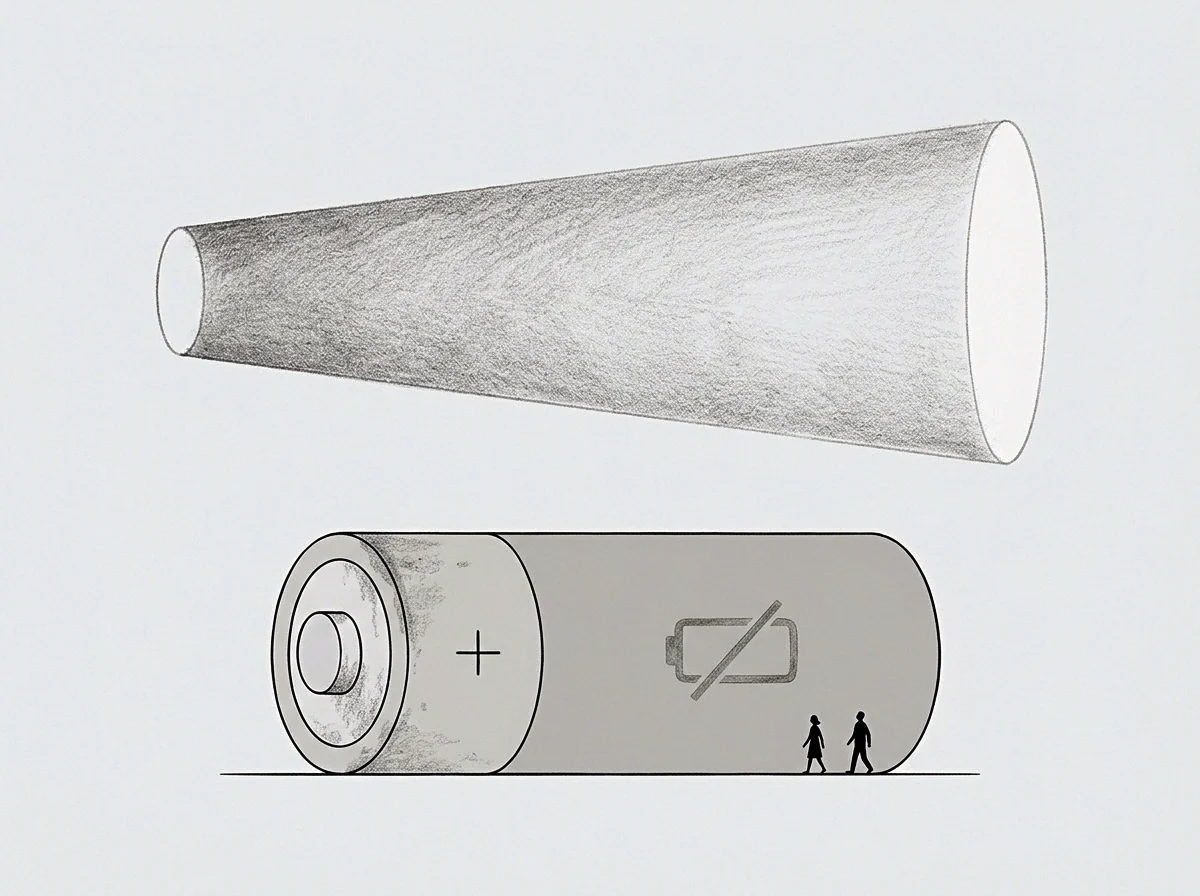
Stating Terms Before Capacity Erasure
Preventing capacity depletion in future accounts requires establishing strict capacity floors during early sales conversations. Contracts must include explicit scope caps, automatic price scaling clauses triggered by operational volume, and defined conversion paths for custom delivery. Stating operational limits before signing protects internal capacity from uncompensated depletion.
When an external price ceiling blocks conversion, the provider accepts that some client accounts reach a structural limit. The firm enforces contract boundaries, absorbs the exit of inelastic accounts, and protects internal capacity as its primary generating asset.