
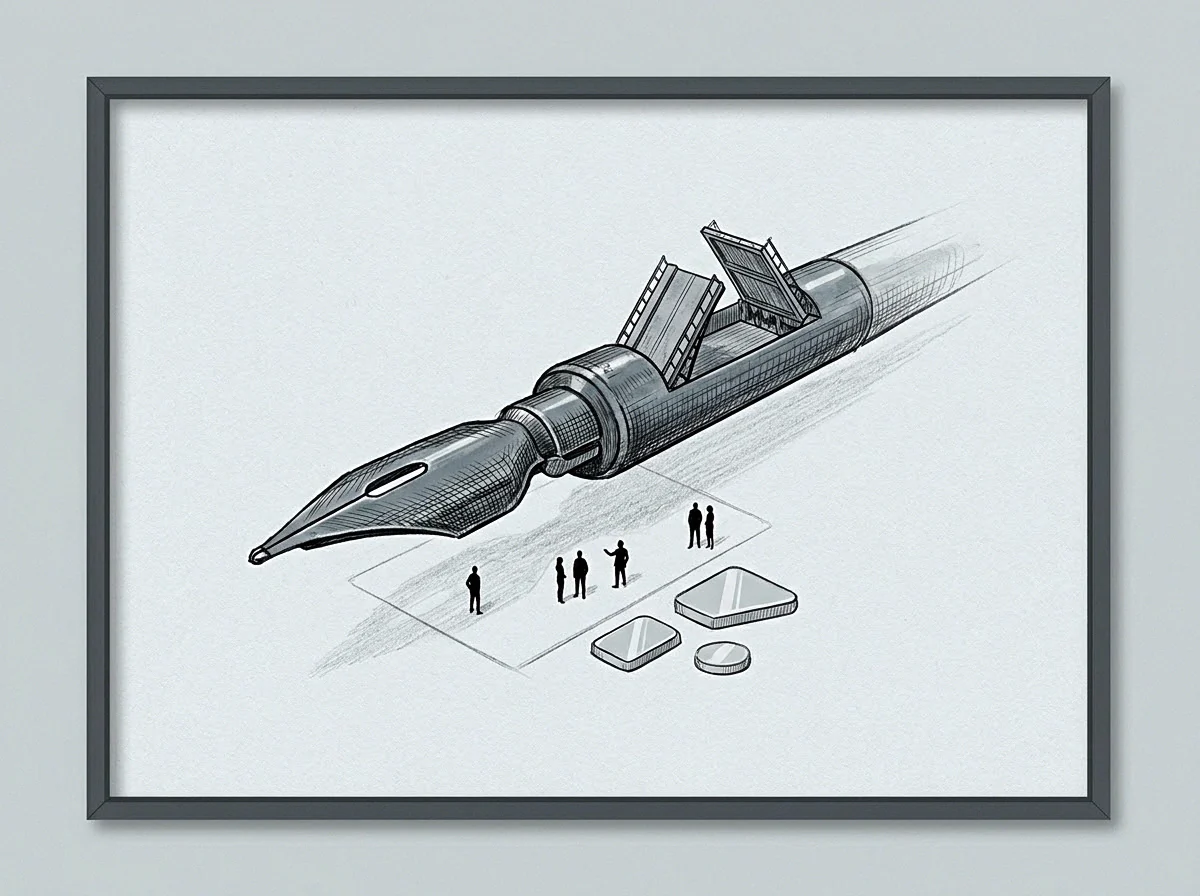
Converting Internal Capacity Vectors Into Cardinal Contractual Surcharge Terms
Mapping internal capacity drain to cardinal contractual terms converts unpriced operational friction into formal price adjustments through explicit threshold triggers.
Mapping internal capacity drain to cardinal contractual terms converts unpriced operational friction into formal price adjustments through explicit threshold triggers.

Asynchronous client messaging causes technical attention losses by fragmenting working memory and incurring heavy context restoration latency across execution blocks.

Asynchronous context recovery latency is mitigated by structuring SLAs around state capture artifacts, batching bounds, and automatic re-entry fee offsets.

Messaging friction erodes retainer margins when unpriced client communications consume attention, fragment focus, and force continuous context switching.

Continuous high-frequency failures consume architect capacity through context switching, requiring isolated operational buffers to preserve structural design.
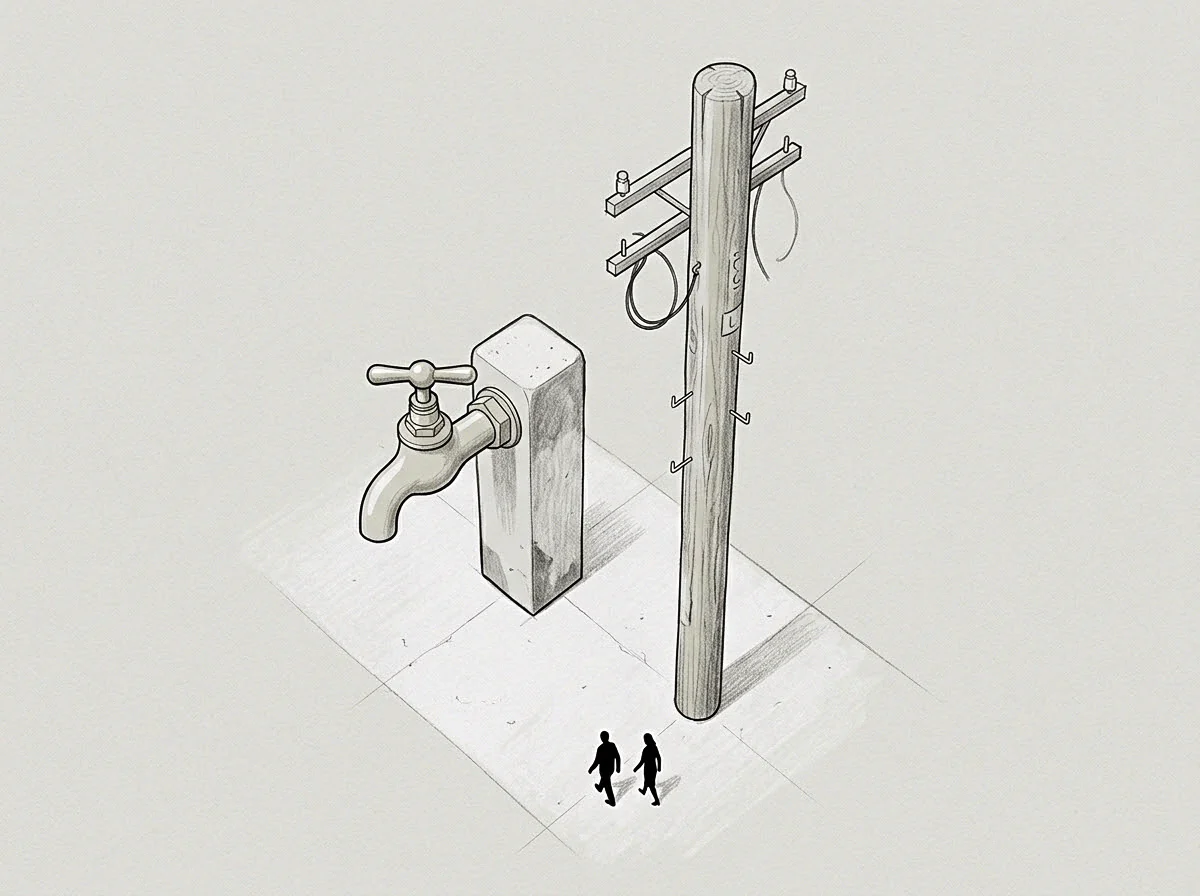
Operational latency during infrastructure refactoring acts as an ordinal vector where temporary translation adapters and dual-writes degrade system throughput long before storage bounds fail.

Interruption converts continuous cognitive execution into fragmented ordinal cost vectors that systematically degrade engineering output through working memory reconstruction latency.

Reconstructing attention vectors requires isolating technical capacity behind hard operational bounds when systemic friction exceeds baseline throughput.
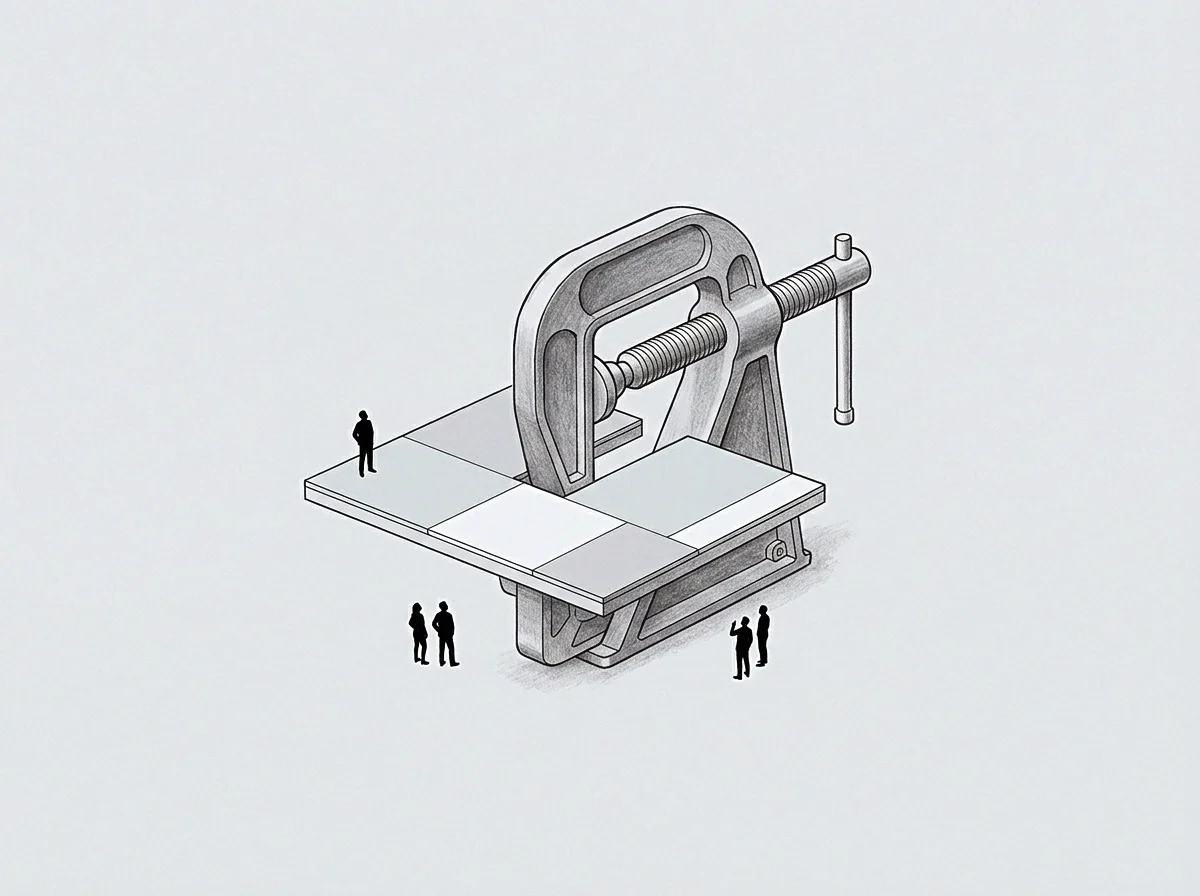
Attention vector telemetry isolates engineering bottlenecks by measuring focus continuity and queue delays rather than nominal ticket throughput.
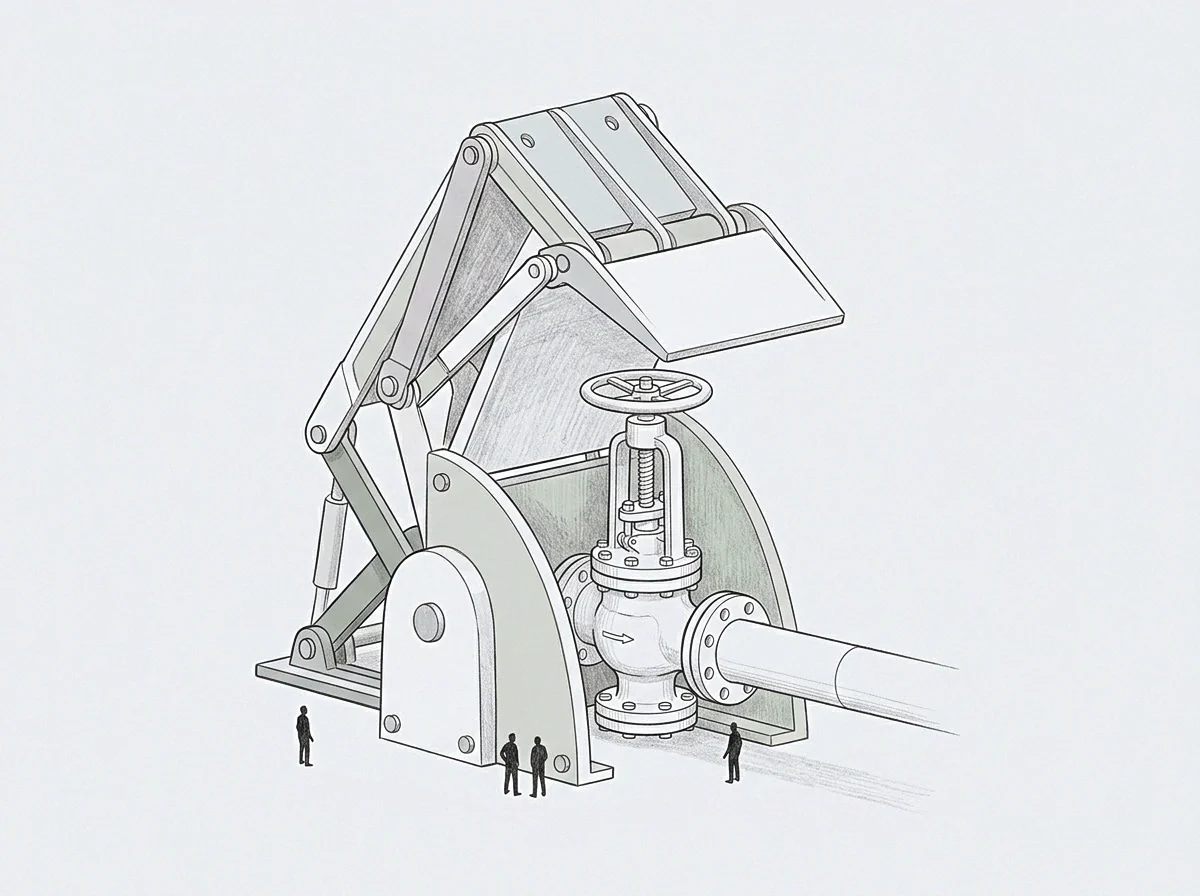
Engineering attention distribution measures ordinal cognitive effort across projects through passive telemetry to reveal hidden context switching overhead.

Vector cost drift breaks fixed commercial commitments when ordinal operational strain expands invisibly against static cardinal retainer pricing structures.
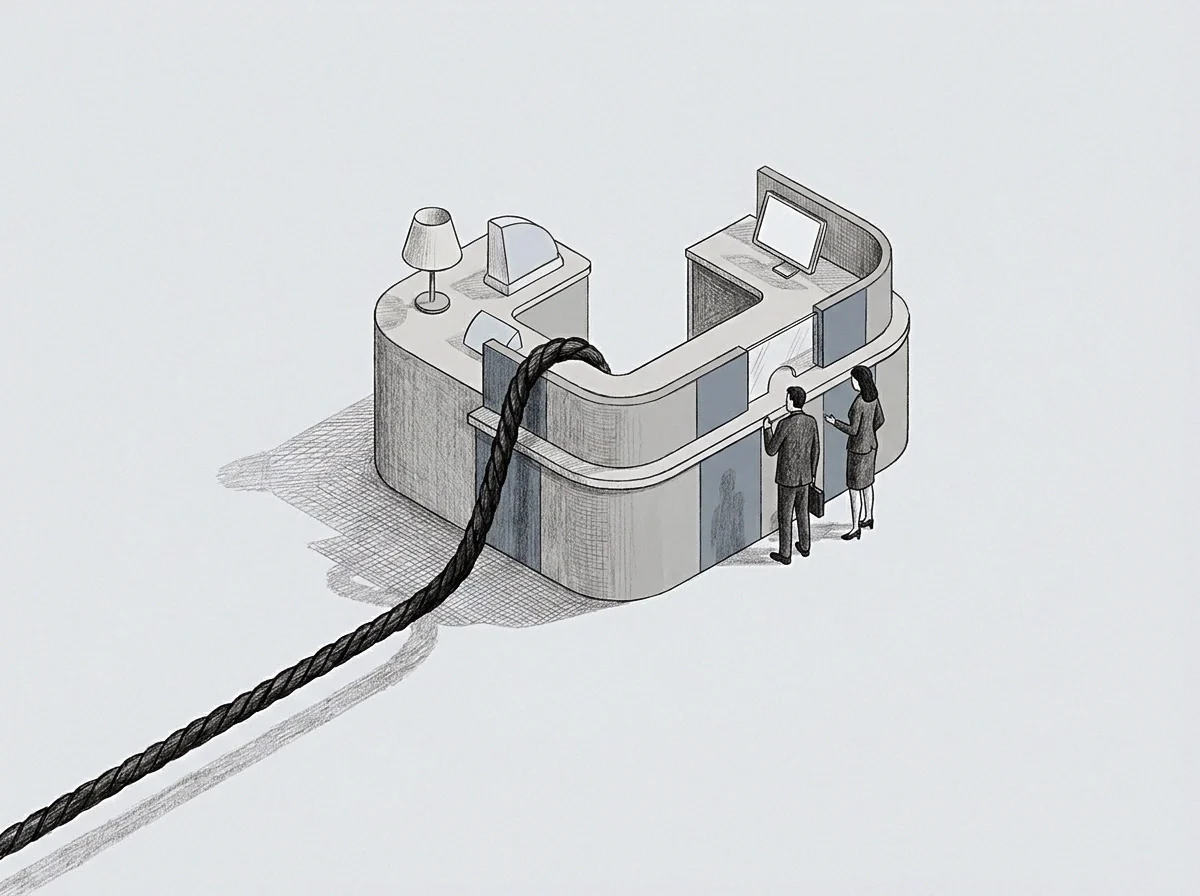
True service expenditure is an ordinal vector of labor, capacity, and attention that cardinal pricing models routinely obscure and fail to compensate.
The terms are written where they belong. Each field holds three desks, and every entry a desk writes raises the terms it uses, each term given a meaning, a mechanism and the places it appears. The record on these pages stays first person and hand made; the fields grow the nomenclature.