
Arbitrating Vector Tradeoffs Between Cash Preservation And Severe Structural Capacity Exhaustion Under Uncertainty
Arbitrating tradeoffs requires spending liquid cash to defend structural capacity whenever operational strain threatens irreversible team exhaustion.
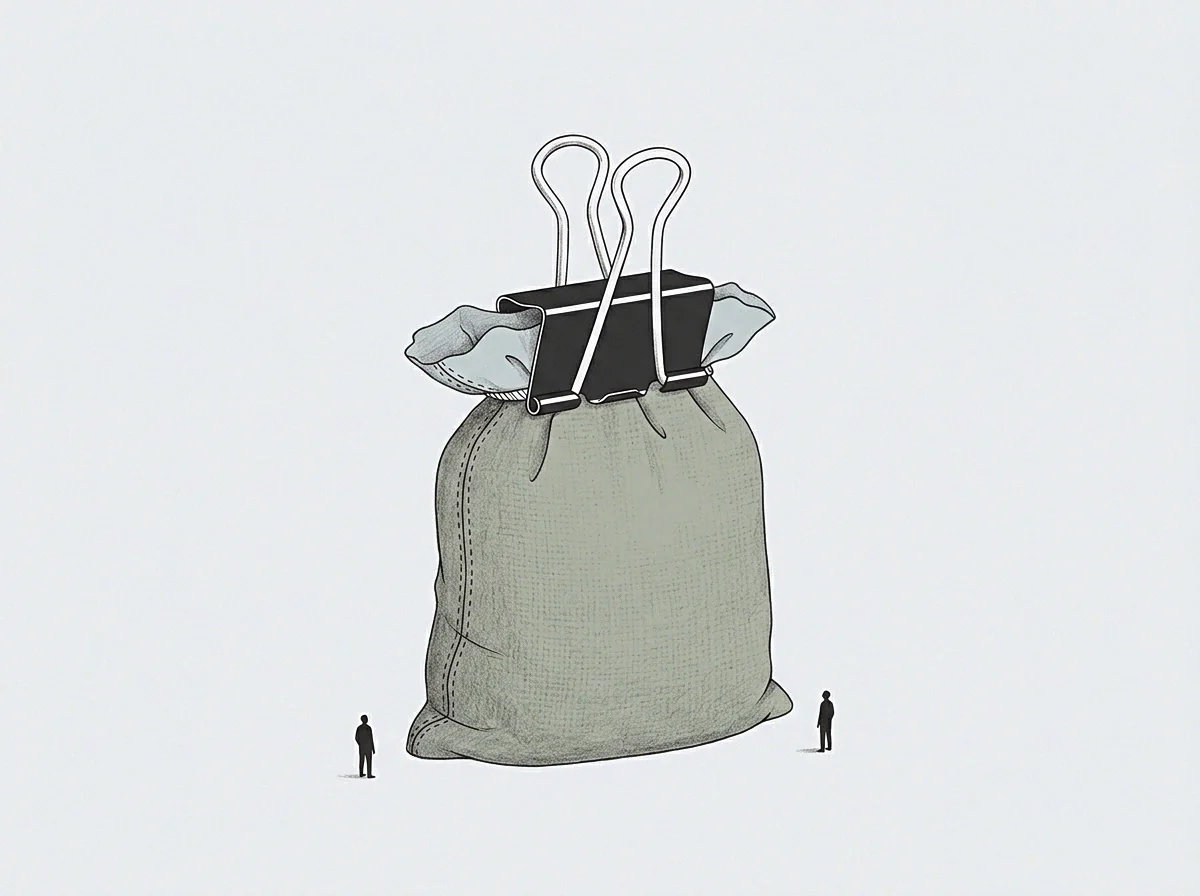
Vault
A bank balance shows eighteen months of runway while three senior engineers work seventy-hour weeks to keep the delivery pipeline from collapsing. Cash sits untouched in the account. Meanwhile, the team absorbs the strain.
When unexpected demand spikes, the operator protects the treasury balance instead of bringing on contractors, treating liquid reserves as the sole measure of survival. Three months later, two key engineers resign on the same Tuesday, dropping production capacity to zero. The cash remains, but the business stops.
Protecting cash while structural capacity decays below recovery thresholds turns a manageable expense into an immediate operational halt.
Balancing this friction requires recognizing that survival depends on more than cash. An enterprise spends money, endurance, and attention at the same time. A bank balance measures a single cardinal quantity.
Structural capacity describes an ordinal condition: internal system resilience, how fast people recover, and the slack needed to handle variance. Under uncertainty, hoarding capital while ignoring capacity depletion creates an unstated liability that compounds silently until the organization breaks.
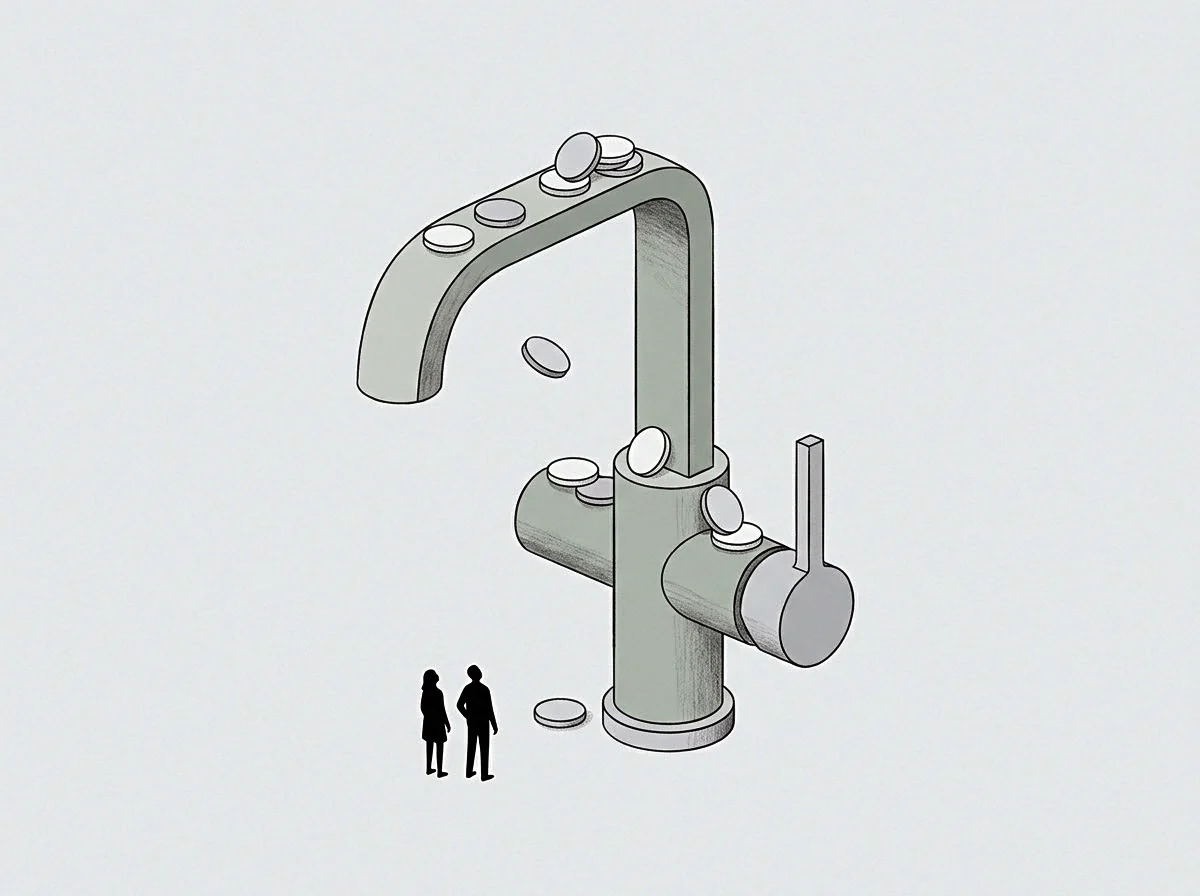
Cardinal Accounting Against Human Limits
Monetary reserves are clear on a balance sheet. Invoices give exact numbers, burn rates calculate down to the cent, and board decks frame runway in months. Because cash is a discrete cardinal figure, leadership teams default to defending it first during volatile periods.
Structural capacity has no equivalent dial. No gauge shows how many severe production incidents an engineering team can absorb before institutional memory walks out.
This asymmetry distorts operational decisions. When uncertainty rises, leadership hoards cash because capital preservation is easily measured. Meanwhile, the cost shifts onto human capacity.
Fatigue accumulates off the balance sheet, masked by overtime until the system reaches its breaking point.
The internal toll falls directly on attention and operational stamina.
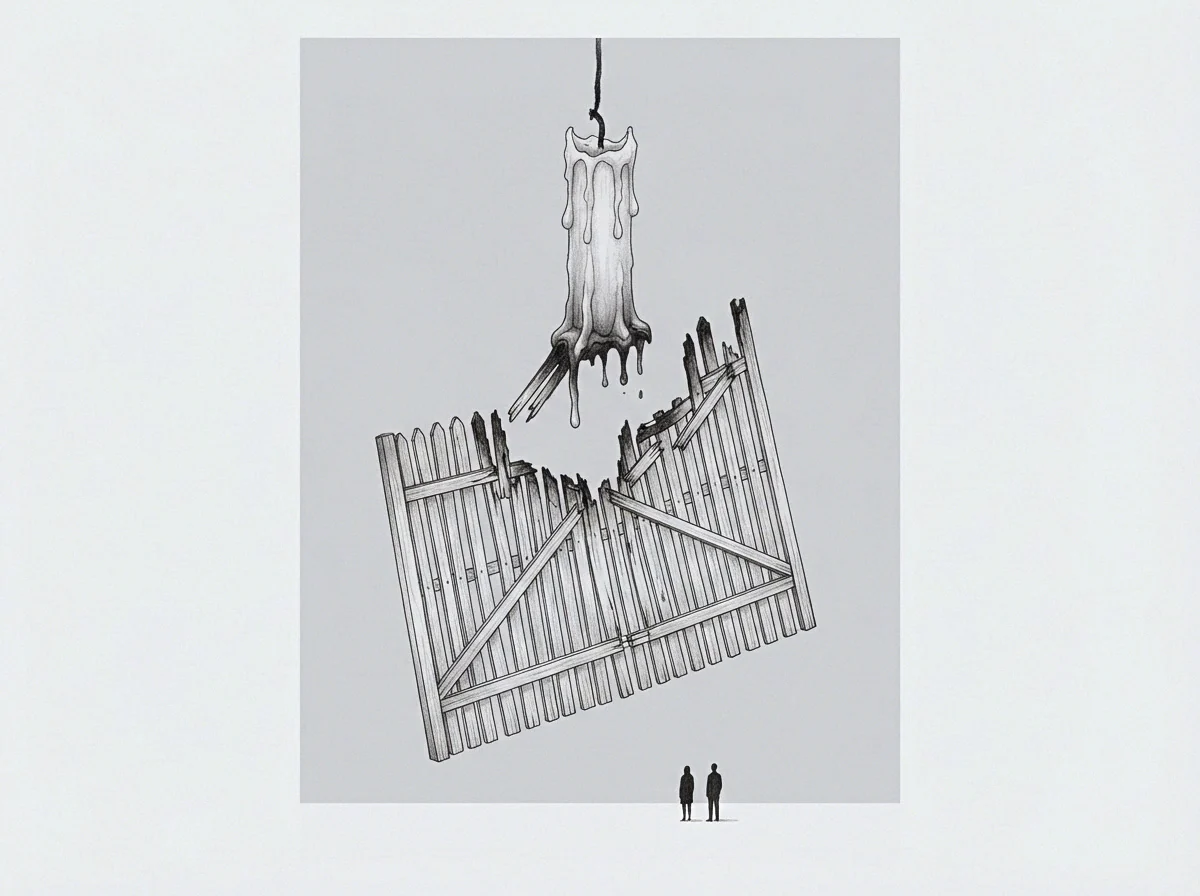
Floor
Every operational system has a structural floor below which recovery becomes impossible. Operating under this baseline turns routine disruptions into major failures. A single unexpected defect, an illness, or a partner delay eats up whatever slack remains.
If leadership refuses to spend cash to absorb the load, the organization drops into a capacity trap.
Consider two organizations facing identical market volatility, each holding two million dollars in liquid reserves. The first caps individual workloads at fifty hours a week, spending cash on targeted external help whenever the backlog spikes. The second freezes external spending, forcing its team to work sixty-five-hour weeks.
After five months of pressure, the first group has spent three hundred thousand dollars more than the second, but it retains its team and maintains full operational velocity.
| Allocation Mode | Cash Conserved | Structural Load | System Stability |
|---|---|---|---|
| Active Capacity Protection | Moderate ($1.4M retained) | Stable baseline hours | High retention and low error rate |
| Strict Cash Preservation | High ($1.8M retained) | Cumulative structural depletion | Severe churn and operational outage |
The second business kept four hundred thousand dollars more in the bank. But key staff left, error rates tripled, and customer commitments were missed. Rebuilding that lost technical foundation took nine months of recruiting fees and delayed product launches that cost double what was saved.
The apparent extra capital vanished into structural repairs.

Can Stored Reserves Protect Operating Thresholds?
Liquid funds preserve optionality only if a functioning organization stays intact to use them. Once structural capacity drains completely, cash cannot instantly replace lost institutional knowledge or working cohesion. Rebuilding an exhausted team during a crisis costs far more than spending money early to prevent the burnout.
The real choice is spending cash today to preserve system elasticity tomorrow.
A team operating beyond its elastic limit consumes future capacity to maintain current presence.
That exhaustion shows up across several operational layers:
- Cognitive degradation lowers the quality of architecture decisions, creating hidden defects that take weeks of rework to fix.
- Institutional attrition carries critical operational context out the door, leaving remaining staff unable to maintain core pipelines without endless overtime.
- Coordination friction grows rapidly as tired teams miscommunicate handoffs, creating preventable delays and extra administration.
Protecting this baseline matters more than stretching nominal runway by another month.
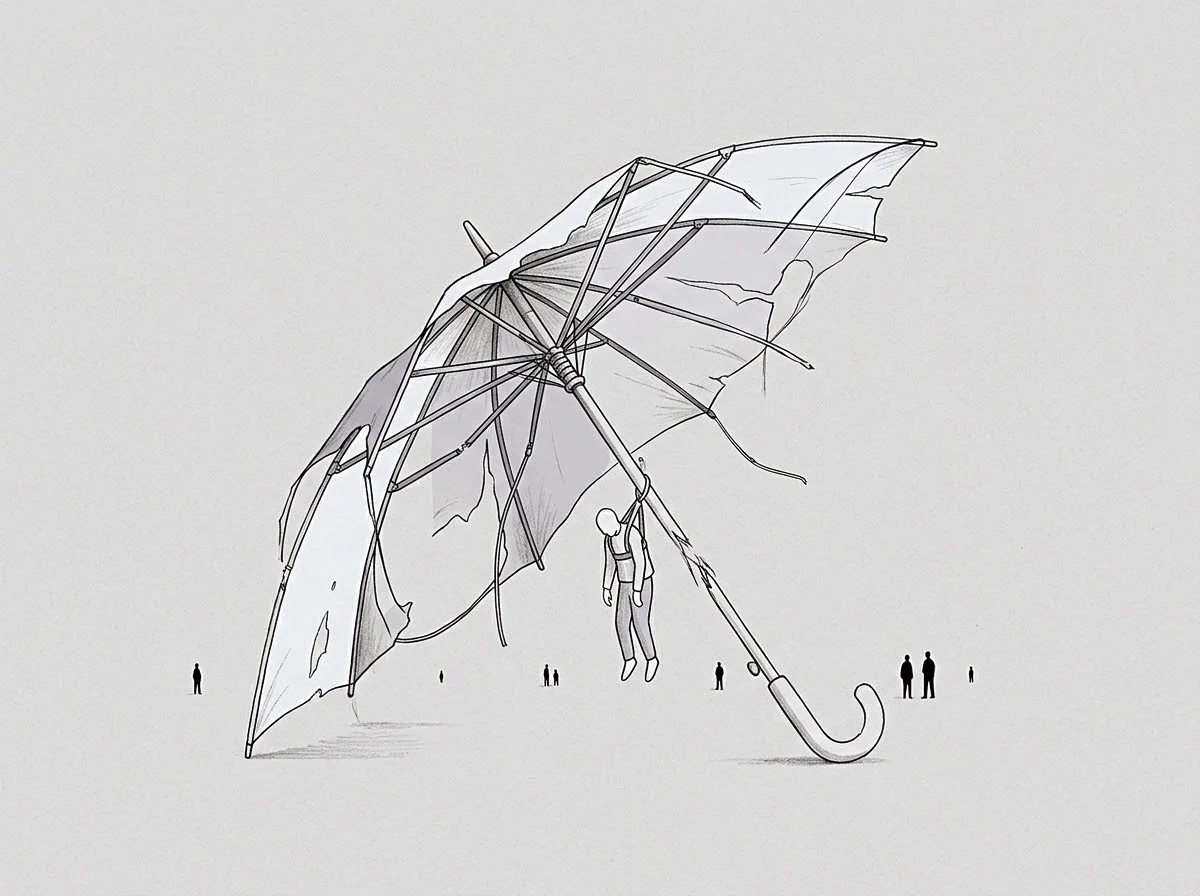
Gauge
Evaluating the tradeoff between capital retention and operational burnout requires viewing the system as an interdependent whole. A decision rarely just saves fifty thousand dollars; it alters fatigue, response times, and resilience. Managing these choices under uncertainty means watching ordinal signals of strain long before they register as direct monetary losses.
Early signs of structural exhaustion show up long before resignations land. Unanswered messages pile up in chat channels. Minor production bugs take three times as long to fix.
Senior engineers stop pitching system improvements and focus exclusively on firefighting. When these signals appear, capacity is the bottleneck, not cash.
Operational elasticity drained in silence creates cardinal losses in public.
Decomposing the Real Toll
A complete evaluation breaks every operational commitment down into its actual components. Money is only one axis of expense. Decisions need to be weighed across four distinct factors:
- Liquid capital outlay measures the direct cash required to buy software, bring in contractors, or hire temporary staff to absorb spikes.
- Personnel hours consumed tracks the actual time committed by core team members beyond a sustainable workweek.
- Attentional bandwidth diverted tracks the focus pulled away from long-term growth toward firefighting and manual workarounds.
- Future capability created evaluates whether the work leaves behind durable automation, smoother workflows, or lasting leverage.
Evaluating choices across these four factors prevents the illusion that an option is free just because its line item reads zero. When an internal team absorbs a painful manual migration to save twenty thousand dollars in vendor fees, the cash saved hides sixty hours of diverted engineering focus. The accounting shows capital preserved, but system capacity takes a heavy hit.
If the operator tracks only the bank balance, that hidden drag compounds until the organization fails on its commitments.
Split
Knowing when to spend liquid capital to relieve pressure depends on what kind of uncertainty the business faces. If market conditions have permanently shifted, spending cash to sustain an oversized team or artificial velocity only speeds up insolvency. But when the pressure stems from a temporary spike, hoarding cash while the core team burns out destroys the very machine that generates value.
Managing this balance means separating temporary variance from permanent decline. A brief surge in client onboarding justifies spending cash for extra help. That expense preserves team stamina while capturing revenue.
On the other hand, an unresolved product-market mismatch is no reason to burn cash on external support; in that situation, saving capital gives the business time to figure out a viable model.
The Transmission of Operational Reality
When leadership explains these decisions to stakeholders, translating internal strain into concrete terms becomes critical. Board members and investors usually view runway strictly as months of bank balance. Explaining why cash must be spent to protect structural capacity requires framing operational strain in risk terms they can evaluate.
The operator states the condition plainly: spending capital on external relief maintains delivery timelines, whereas preserving that cash introduces an eighty percent probability of critical personnel loss and missed milestones. Laying out this tradeoff early removes the assumption that internal capacity is a free, limitless shock absorber.
Board members and investors recognize that money sitting in a bank provides no return if the team required to build the product no longer exists.

Drift
Over time, organizations that routinely sacrifice capacity to conserve cash build up deep operational scar tissue. Strong contributors leave for places with manageable workloads. What remains is a fragile system dependent on heroic individual effort rather than dependable processes.
At that point, even modest market volatility can paralyze operations.
Balancing cash preservation against team exhaustion isn’t a one-time calculation made during a crisis. It is a continuous calibration. Liquid capital serves as a protective buffer meant to absorb external shocks for the team.
Spending money to buy operational stability during periods of high uncertainty protects the long-term viability of the whole business.
A contract term securing surge-vendor support shifts the operational risk profile by capping internal workweeks at fifty hours regardless of demand spikes.