
Converting Unbounded Availability Claims Into Quantified Operational Capacity Constraints
Converting unbounded availability claims into quantified capacity constraints replaces open-ended service promises with enforceable limits on intake and concurrency.
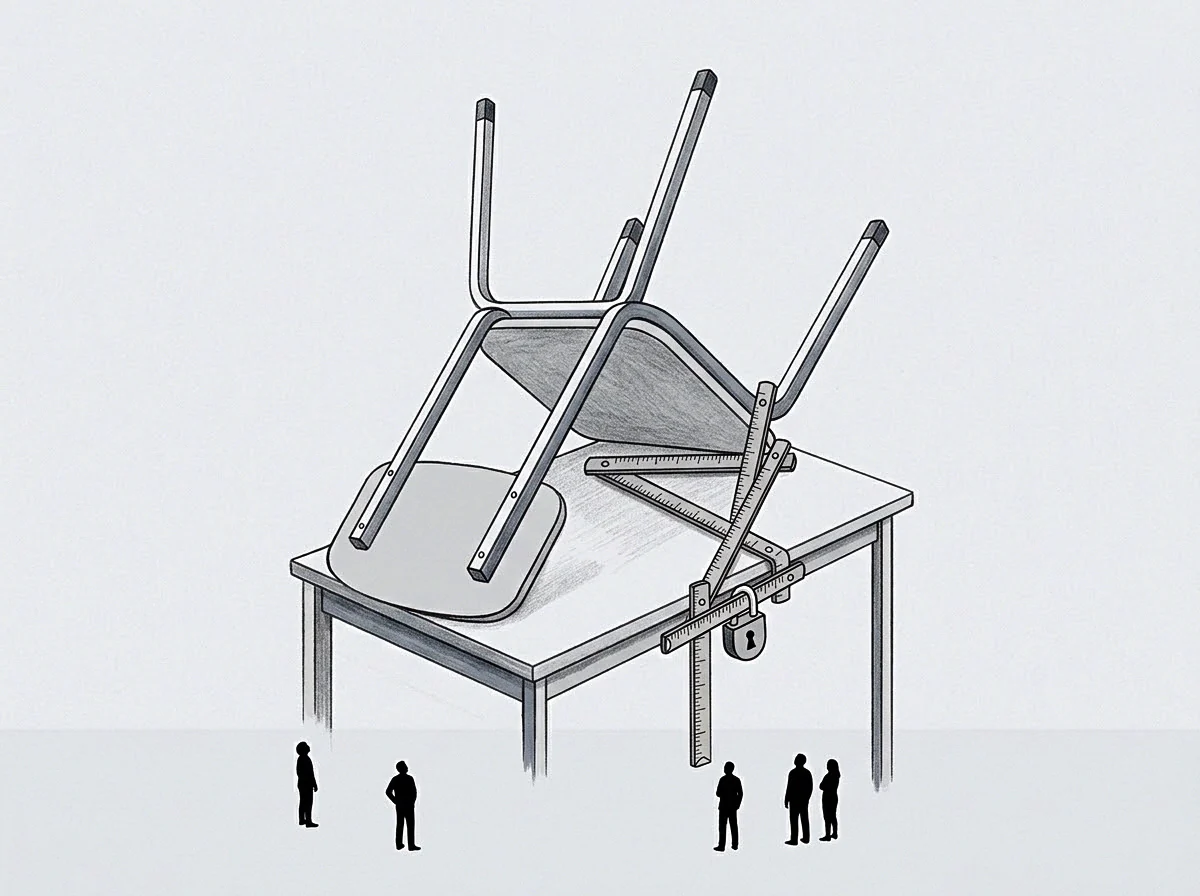
Claim
A vendor signs an agreement promising immediate response across every hour of the week. Five weeks into execution, work intake triples while staffing levels remain completely flat. The person managing service delivery watches incoming requests gather without triage because nobody specified how many parallel tasks one operator handles at noon.
Unbounded availability statements sound like dedication during commercial discussions. In production environments, unstated intake boundaries act as an unhedged short position on incoming volume.
Every service commitment either quantifies throughput or transfers unpredictable volatility straight to the delivery team. When an organization tells a buyer that assistance remains on tap whenever needed, the statement registers as an infinite supply curve. Human labor possesses rigid throughput boundaries.
A single specialist completes between two and four complex diagnostics during an eight-hour shift. Promising uninterrupted access leaves the intake gate wide open while the production engine behind it operates within narrow physical constraints.
Stated infinite access transfers all operational volatility directly onto frontline workers without compensation.
The gap between commercial representation and physical output originates during early customer acquisition. An enterprise client demands reassurance against sudden system failure. In response, account leads offer total responsiveness to close the deal, omitting the queue boundaries that prevent operational collapse.
They treat availability as an attitude. Technical delivery treats availability as an allocation of finite minutes.
Commercial Promises Versus Physical Realities
Unqualified commitments produce immediate operational distortions across technical teams. The client treats the contract as an option to consume unlimited labor without scheduling friction. Internal teams treat each incoming ticket as an urgent interruption of scheduled project work.
Switching attention across disconnected tasks imposes heavy cognitive drag. When three buyers submit simultaneous requests under a twenty-minute response guarantee, team members split attention, abandoning deep execution on primary milestones.
Clients consume available resources until friction appears. If an agreement establishes zero structural limits on ticket generation, request volume expands to fill every unoccupied hour. Delivery teams absorb this expansion through extended shifts and deferred maintenance.
The monetary price remains fixed while the internal effort vector rises sharply across hours, emotional depletion, and neglected technical debt.
We expected your senior engineers to answer these inquiries whenever we submitted them.

Queue
Arrival distributions in technical operations rarely follow steady predictable schedules. Work items arrive in unpredictable clusters determined by customer incidents, external regulatory changes, and ad-hoc executive requests. When an intake pipeline lacks explicit batching thresholds, a sudden spike converts orderly backlogs into chaotic bottlenecks.
The processing rate of a human unit remains strictly bounded by attention span, cognitive processing speed, and the mechanical time needed to verify technical artifacts.
Queuing theory establishes that as resource utilization approaches ninety percent, lead time approaches infinity under variable arrival distributions. An operations group running at maximum output cannot absorb a ten percent volume surge without missing delivery deadlines. The belief that workers can simply work faster during demand surges ignores baseline human cognitive performance.
Uncapped request intake causes queue wait times to compound exponentially under variable demand.
To establish control over incoming demand, delivery teams categorize incoming tickets by structural operational traits rather than emotional urgency ratings assigned by external requesters. Unrestricted intake channels create five distinct forms of operational degradation:
- Unscheduled context fragmentation scatters worker focus across unrelated tasks, destroying the continuity required for complex technical problem solving.
- Priority displacement forces scheduled strategic milestones to pause while staff resolve minor surface anomalies with aggressive response timers.
- Invisible labor accumulation conceals the true volume of secondary maintenance tasks that staff perform outside formal ticketing records.
- Diagnostic degradation lowers investigative thoroughness under urgent turnaround expectations, generating secondary defects that reenter the backlog.
- Capacity masking blinds executive planning to real staffing deficits by extracting unrecorded overtime from exhausted operational personnel.

Does Latency Disguise Finite Throughput?
Delays in pipeline processing often obscure underlying staffing deficits from commercial stakeholders. When client requests sit unaddressed for hours, account representatives often blame communication breakdowns or minor procedural errors. The core breakdown remains mathematical.
If total incoming labor hours exceed total available production hours, queues must lengthen indefinitely regardless of process revisions.
A delivery unit can hide this imbalance temporarily by deferring internal tooling updates and skipping peer reviews. This practice borrows capacity from future operational periods. When the deferred debt comes due, response rates drop across all client accounts simultaneously, triggering contract disputes and sudden revenue loss.

Table
Transforming open-ended availability into enforceable operational capacity demands structural translation. Commercial contracts describe service relationships in qualitative promises of readiness. Engineering systems require cardinal boundaries specifying concurrency, latency, and resource reservation.
Without a clear translation model, account managers continue selling unlimited assistance while technical managers struggle with chronic overcommitment.
The transition requires defining exact units of work alongside hard boundary conditions. A team cannot commit to supporting a client without stating the concurrent task ceiling, the minimum duration of a single investigation, and the turnaround clock for off-shift inquiries. Explicit operational terms protect delivery integrity while giving the client predictable service guarantees.
| Commercial Commitment | Operational Vulnerability | Quantified Boundary Metric | Capacity Reservation Model |
|---|---|---|---|
| Continuous twenty-four-hour technical support | Uncompensated nocturnal interruptions and cognitive fatigue | Concurrent active incident limit per operator shift | Dedicated rotation shifts with protected recovery intervals |
| Instant response on urgent client inquiries | Context fragmentation and chronic milestone abandonment | Intake rate throttling capped at five tickets hourly | Staged triage buffers separating intake from execution |
| Unlimited modifications during implementation cycles | Scope creep and infinite project timelines | Gross story point budget fixed per two-week cycle | Hard consumption drawdowns against agreed labor blocks |
| Direct real-time chat access to senior engineers | Continuous distraction and destruction of deep focus | Scheduled office hours with asynchronous ticket routing | Batch communication windows limiting interruptions |
Structural Parameter Formalization
Formal capacity parameters define the physical boundaries within which an engineering team executes work. A contract specifying that an operator handles at most three concurrent priority incidents prevents task switching from destroying output quality. If a fourth incident arrives, the system queues it automatically until an active ticket resolves.
This operational friction preserves diagnostic reliability.
When capacity limits appear directly inside service level agreements, commercial conversations shift from subjective urgency to objective resource availability. Clients learn that demanding immediate execution on a new initiative requires pausing an existing work stream. The trade-off becomes visible immediately, preventing covert friction and unrecorded burnout.
The contract specifies an intake limit of twelve concurrent work tickets before secondary arrival fees take effect.
Strain
The physical toll of unchecked availability falls entirely upon individuals occupying frontline technical roles. When leadership treats human output as an elastic sponge capable of absorbing infinite demand, workers pay for commercial promises through chronic elevated allostatic load. This biological wear and tear accumulates during months of sustained operational overextension, degrading cognitive faculties and emotional regulation.
Research across occupational physiology demonstrates that prolonged cognitive overload impairs executive decision-making and pattern recognition. An engineer reviewing deployment scripts after twelve consecutive hours of fragmented ticket handling exhibits error rates comparable to moderate intoxication. Expecting flawless technical execution under unbounded availability claims violates the known biology of human attention.
Cognitive accuracy declines sharply when uninterrupted focus breaks across multiple conflicting priority queues.
Consider an operational team of six senior specialists maintaining cloud infrastructure for ten growing corporate clients. The sales leadership signed agreements guaranteeing thirty-minute response windows for any high-severity submission, day or night. Over twelve months, client ticket submissions grow from twenty weekly requests to two hundred, yet the headcount remains locked at six.
The specialists manage this volume by dividing their nights into two-hour on-call rotations, disrupting circadian rhythms and destroying restorative sleep cycles.

The Compounding Penalty of Invisible Overtime
Unrecorded evening hours spent answering client pings create a dangerous operational fiction. Executive leadership looks at operational dashboards and sees stable completion rates, concluding that the current structure functions smoothly. In reality, the team operates at an unsustainable operational loss, burning human capital to subsidize commercial underpricing.
When senior personnel inevitably resign to protect their physical health, the organization loses decades of tacit institutional knowledge within weeks.
Replacing experienced operators costs substantially more than pricing services correctly from the start. Recruiting, onboarding, and training replacement engineers requires six to nine months of reduced output. During this transition, remaining staff absorb even heavier workloads, triggering cascading turnover across the department.
The monetary savings from signing clients on permissive terms vanish under recruiting fees and customer churn.
How does an enterprise calculate the permanent damage of lost technical competence when experienced operators depart?
Quota
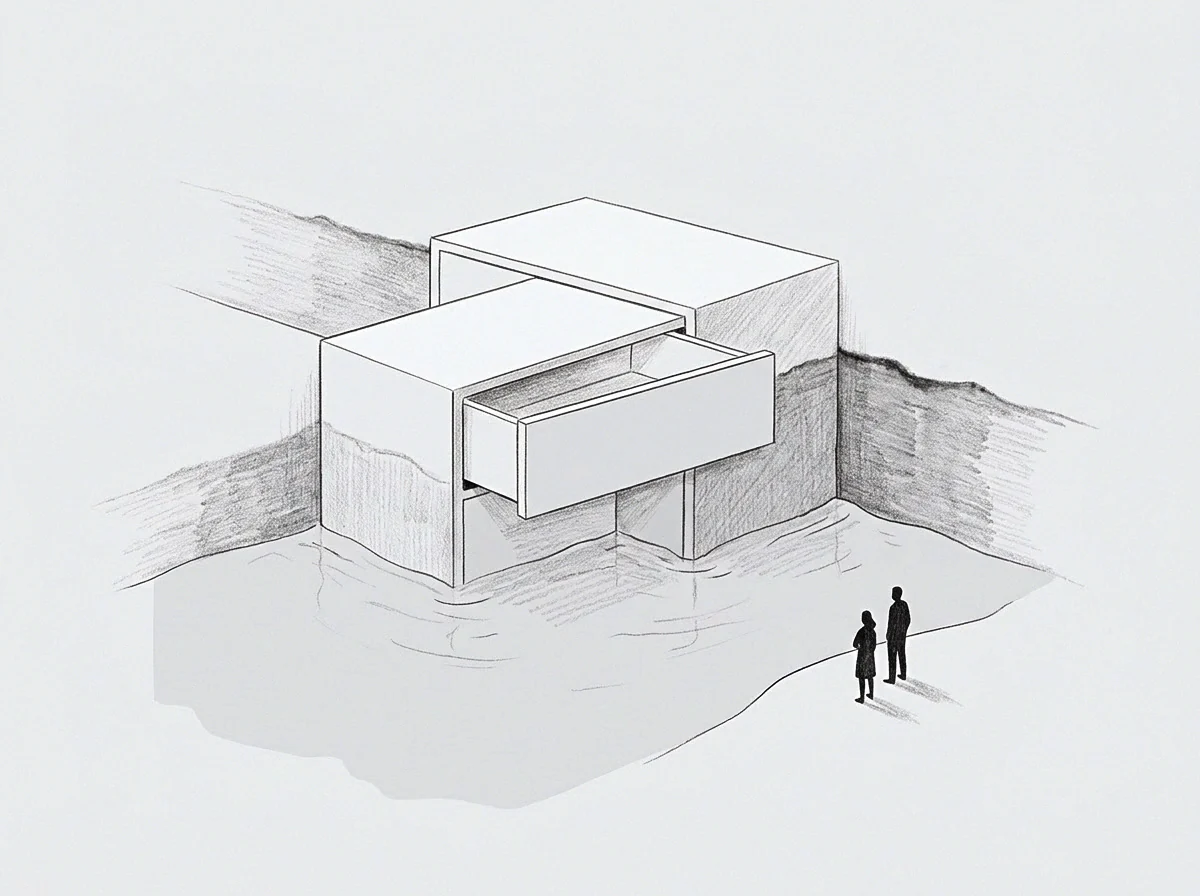
Managing operational stability requires hard numerical boundaries on intake channels. A delivery system without rate-limiting behaves like a server infrastructure without flood protection: vulnerable to collapse under sudden traffic surges. Establishing intake ceilings transforms amorphous availability claims into disciplined, predictable production schedules.
Organizations must treat human focus as a finite inventory item that diminishes with every interruption. When a client purchases service, they acquire a specific allocation of production hours and concurrent execution slots, never the indefinite right to monopolize staff attention. Capping work intake protects product quality, controls delivery variance, and ensures sustainable operations over multi-year horizons.
Implementing Enforceable Intake Throttles
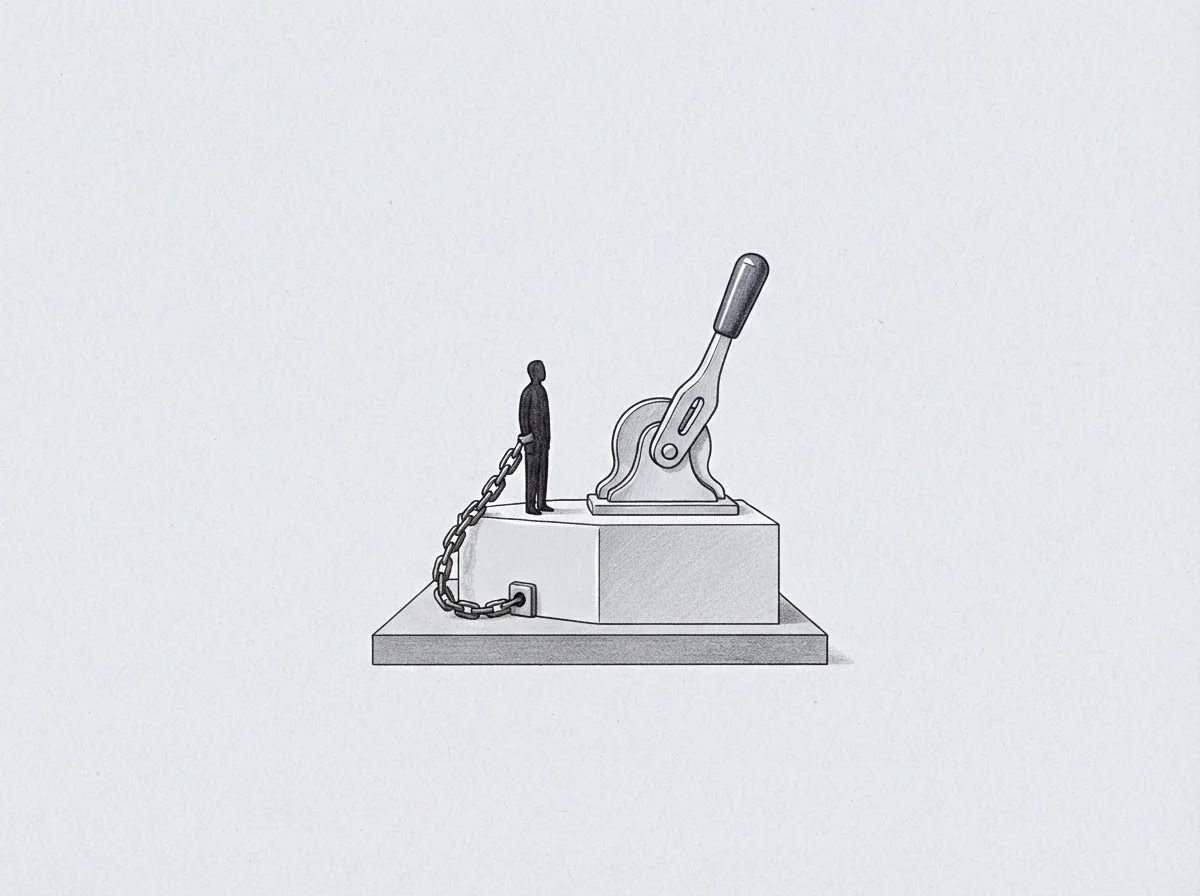
Operational leaders introduce hard limits through concrete administrative controls at the intake boundary. These mechanisms reject or defer excess work items before they enter engineering backlogs:
- Establish concurrent task maximums by prohibiting team members from claiming more than two active execution tickets simultaneously.
- Deploy asynchronous triage buffers to separate incoming ticket intake from active engineering execution, preventing unscheduled interruptions.
- Enforce explicit trade-off protocols requiring clients to designate which active work item pauses whenever an emergency ticket enters the queue.
- Publish transparent capacity meters showing real-time utilization levels to client account managers before new commitments get signed.

Aligning Incentives Across Organizational Boundaries
Sales incentives must reflect delivery realities rather than gross contract value alone. Compensating account executives on deal volume without deducting the operational cost of custom service terms creates structural conflict with engineering teams. When commercial compensation links directly to project margin after accounting for on-call expenses, sales teams quickly stop offering unhedged availability guarantees.
Sustainable organizations align their pricing models with physical operational limits. They offer distinct service tiers with clearly defined response windows, concurrent ticket caps, and off-hour surcharges. Clients requiring round-the-clock coverage fund dedicated shifts, ensuring that frontline staff receive fair rest and proper compensation.
Protecting operational capacity maintains organizational excellence and delivers consistent value over the long term.
Intake boundaries preserve the craft.