Meaning
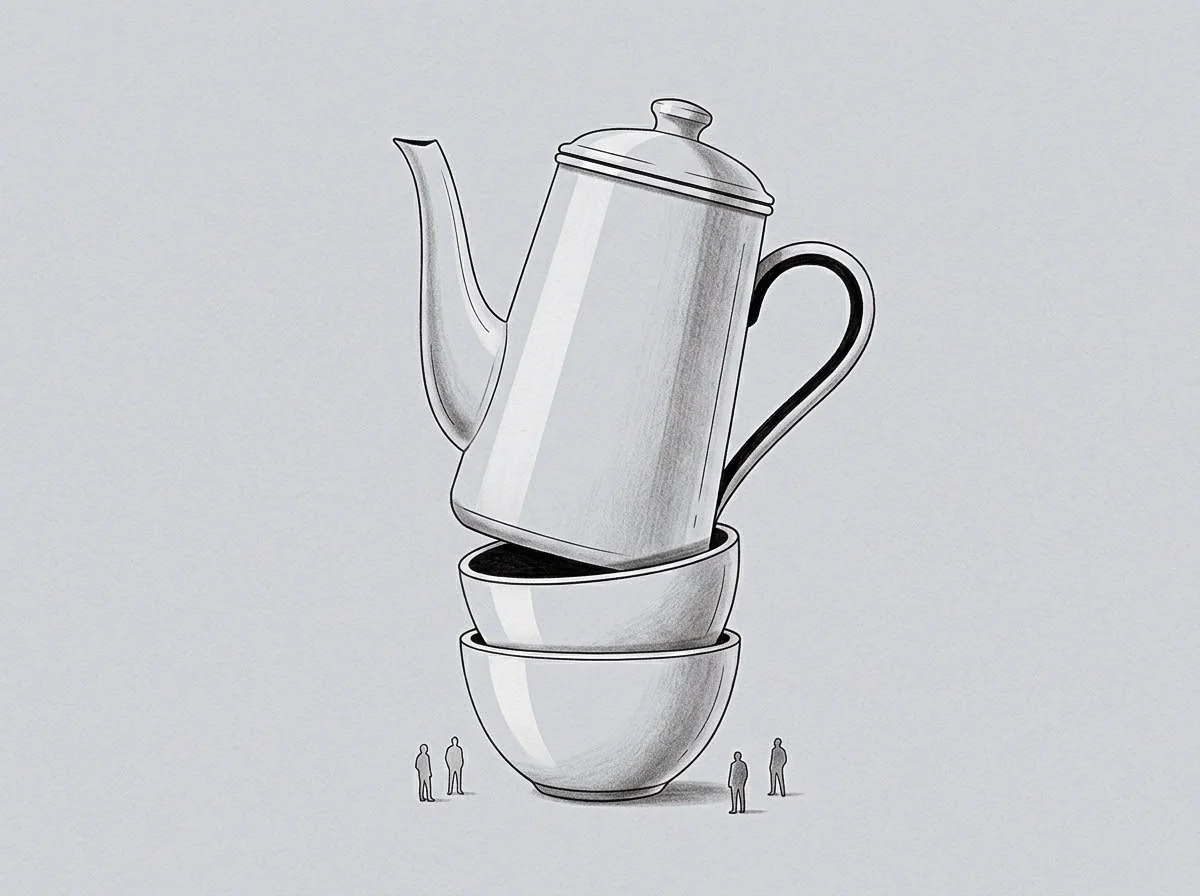
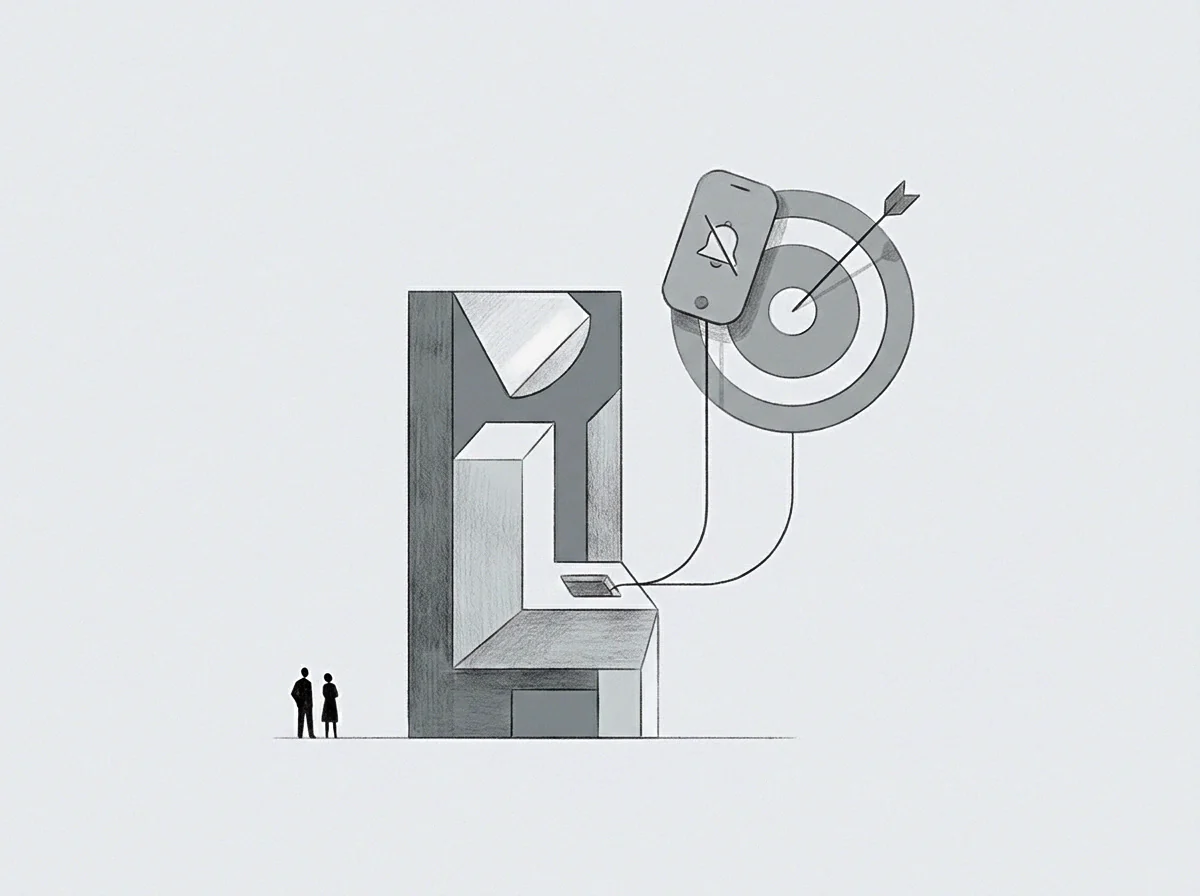
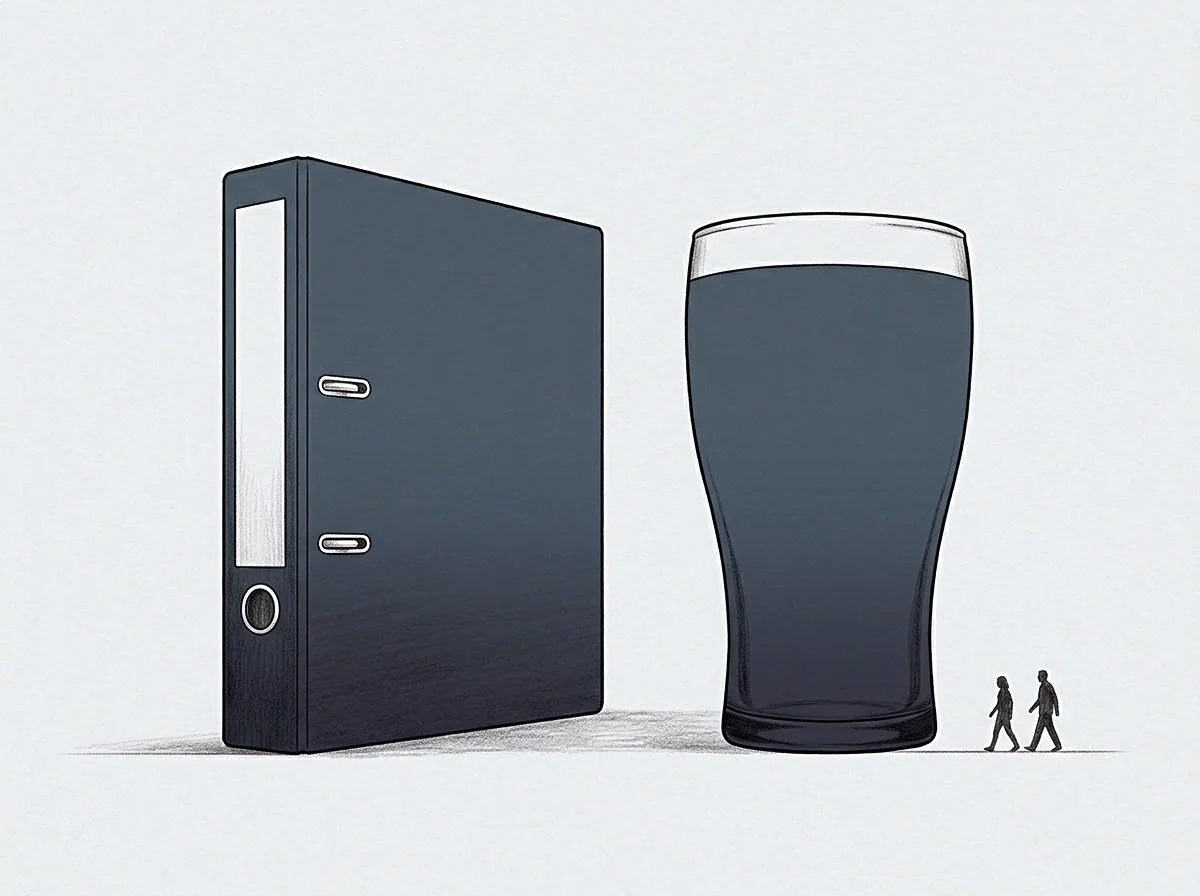
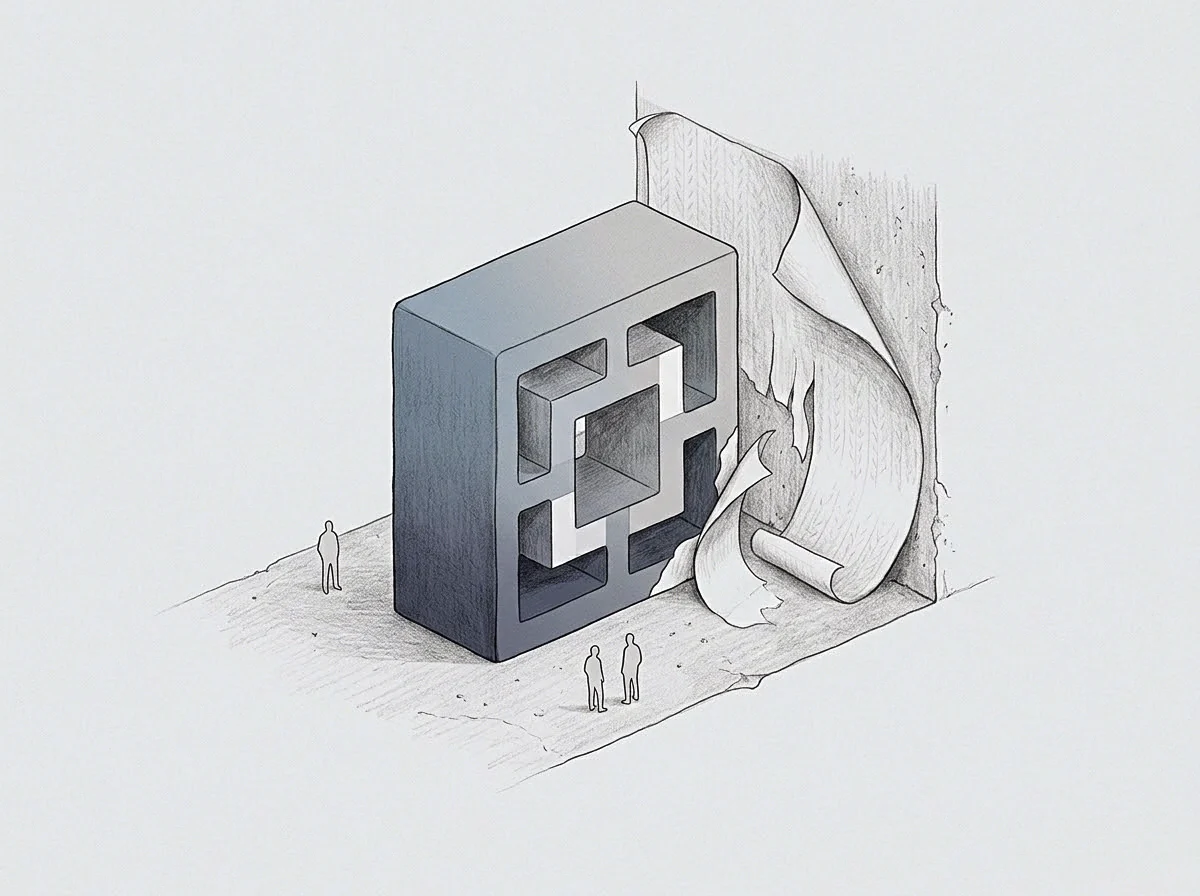
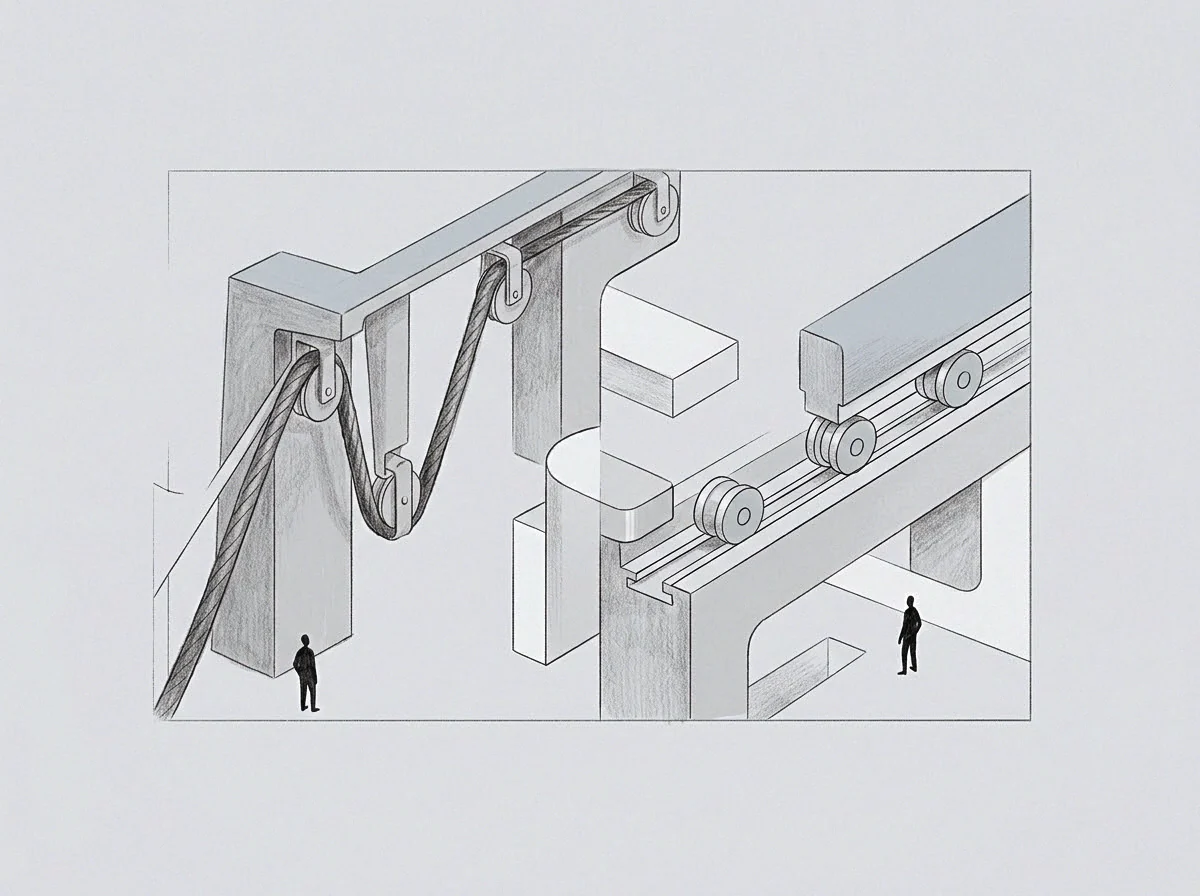
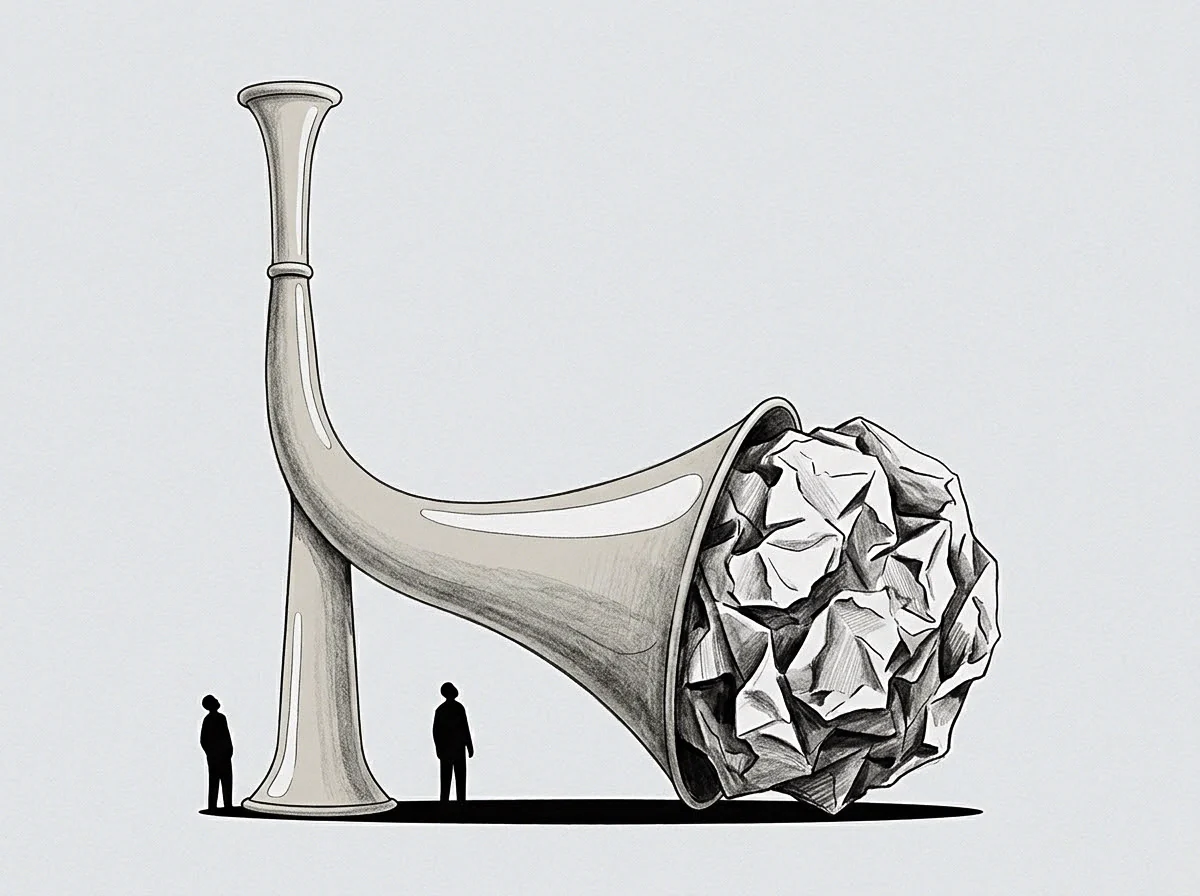
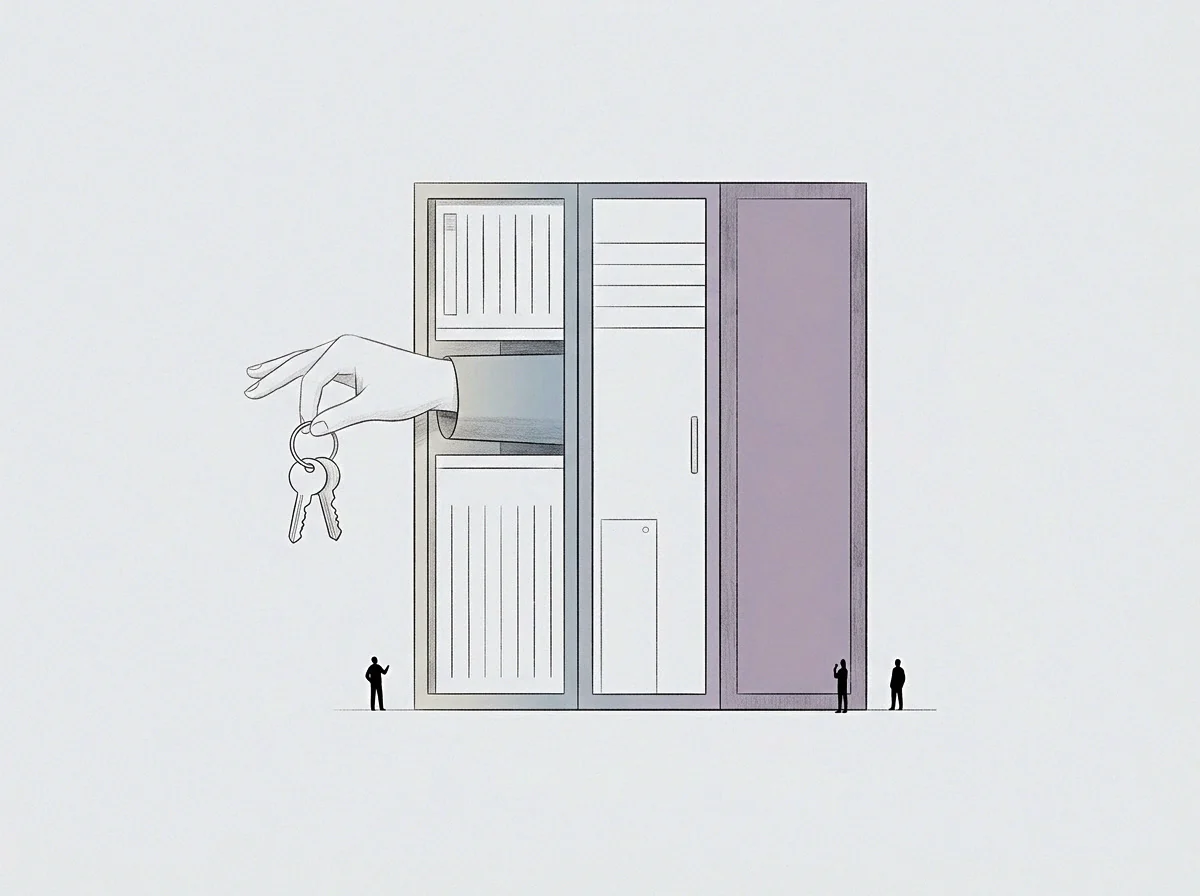
Internal resistance arises from the complexity of the processes and the interactions between different parts of a company. Operational friction measures the energy lost as work moves through the organization. It identifies the gaps in communication, the delays in decision making, and the redundancy in tasks.
This term does not apply to external market forces.
Efficiency Loss
Waste occurs when the steps in a process are not perfectly aligned. Operational friction acts as a heat tax on every project. These losses are often hidden in the daily routines of the staff.
System Heat
Complexity increases the temperature of the operation and slows down the output. When a person analyzes operational friction, they are looking for the points where work gets stuck. A high friction system requires more hours of attention to produce the same result as a lean one.
The cost is measured in the delay between a decision and its execution. By simplifying the workflow, the person can reduce the internal drag on the company. This improvement is visible in the increased speed of the throughput.
Friction is often the result of adding more layers of management without a corresponding increase in output.
Process Drag
Resistance from the internal structure of the firm limits the agility of the team. Within operational friction, the focus is on the mechanics of the work itself. This drag is the primary target of any optimization effort.