
Decomposing Human Capacity Vectors Against Financial Capital Burn Rates
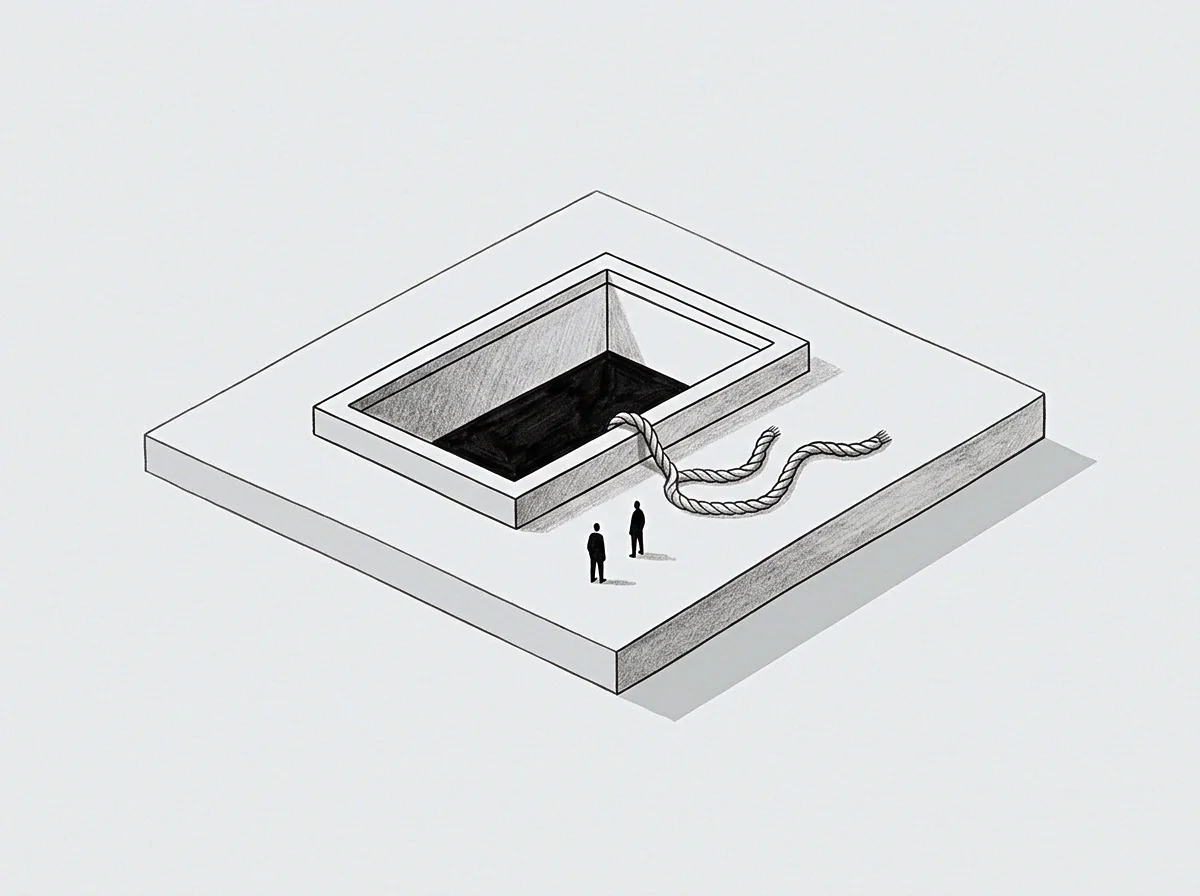
Financial burn measures cardinal cash depletion while human vectors register ordinal loss in attention and energy before capital reserves expire.
Gauge
A balance sheet records liquid reserves down to the exact cent across monthly intervals, yet cash figures hide personal exhaustion. Financial runways calculate the precise date an account reaches zero by assuming human labor functions at a continuous, steady pace. That mathematical assumption breaks under real operational stress.
A venture operator can possess twelve months of capital reserves while retaining only six weeks of focused working stamina. When energetic limits fail first, the cash remaining in the corporate bank account ceases to function as a safety buffer.
When capital consumption decelerates while cognitive demands multiply, organizational solvency conceals accelerating operational failure.

Discrepancies Between Bank Statements And Working Stamina
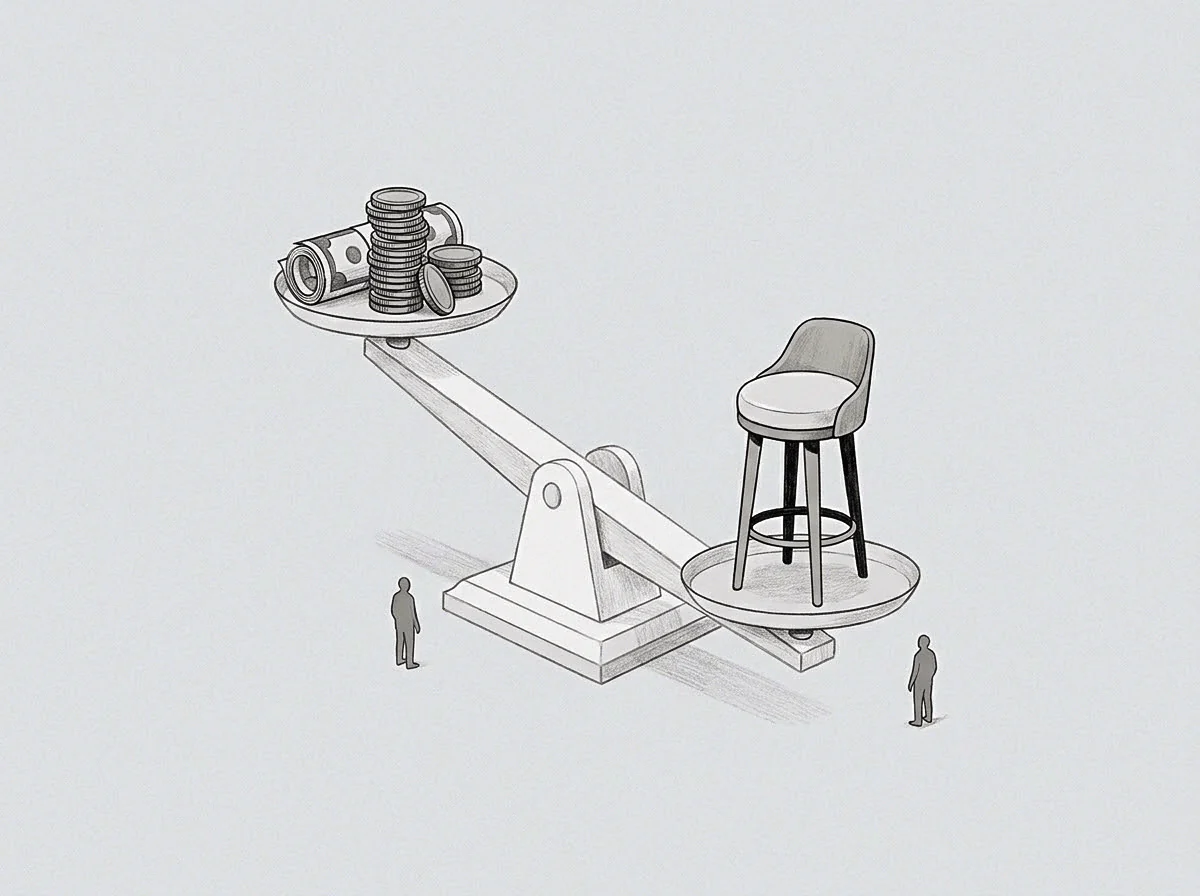
Bank ledgers show twelve months of operating cash while the engineering room shows acute paralysis. The discrepancy occurs because capital burn is cardinal, measured in discrete currency units, whereas individual capacity operates on an ordinal scale. An operator measures capital in dollars spent per day, while energy drains quietly.
Personal capacity consists of attention, emotional endurance, cognitive focus, and technical problem-solving ability, none of which convert directly into an invoice or an expense line. When an enterprise attempts to conserve capital by reducing headcount, the remaining team absorbs the unresolved cognitive burden. Paper burn rates improve as the team moves closer to structural exhaustion.
Treating bank balances as the solitary indicator of endurance leads to sudden operational collapse while treasury accounts still show twelve months of runway.
Velocity
Operational pace relies on multiple energetic components working in tandem. When an executive team studies daily progress, financial outflow tracks only payroll, software licenses, and server fees, even as output drops precipitously. The real expenditure includes physical hours, cognitive switches, emotional recovery time, and lost opportunities for systematic reflection.
Energy behaves like a vector quantity with direction and magnitude rather than a scalar total. If two operators work fourteen hours a day, the gross hours appear identical on a timesheet. Yet when one operator spends those hours resolving interpersonal conflict while the other designs architectural systems, the resulting technical trajectory diverges completely, showing how speed masks deep friction.

Decomposing Daily Effort Into Observable Components
Engineers allocate hours across three distinct internal categories during complex release cycles. Breaking down daily exertion exposes why identical monetary expenditure produces erratic technical output across different quarters:
- Direct Technical Production consumes focused attention on code architecture, writing system documentation, and resolving core interface challenges.
- Coordination Overhead absorbs working memory through cross-team meetings, progress reviews, and political dispute resolution.
- Context Switching Fatigue destroys cognitive momentum whenever priority changes force an abrupt reset of mental models during live incidents.
Attention disperses under crisis, and stated priorities shift whenever revenue projections decline, creating rapid oscillations in task assignments. The financial ledger records steady salary payments throughout this operational volatility, even as the human operational vector swings wildly and loses directional momentum. Real limits arrive early, showing that capital runway provides false comfort.
Speed without surplus energy consumes future velocity.

Decay
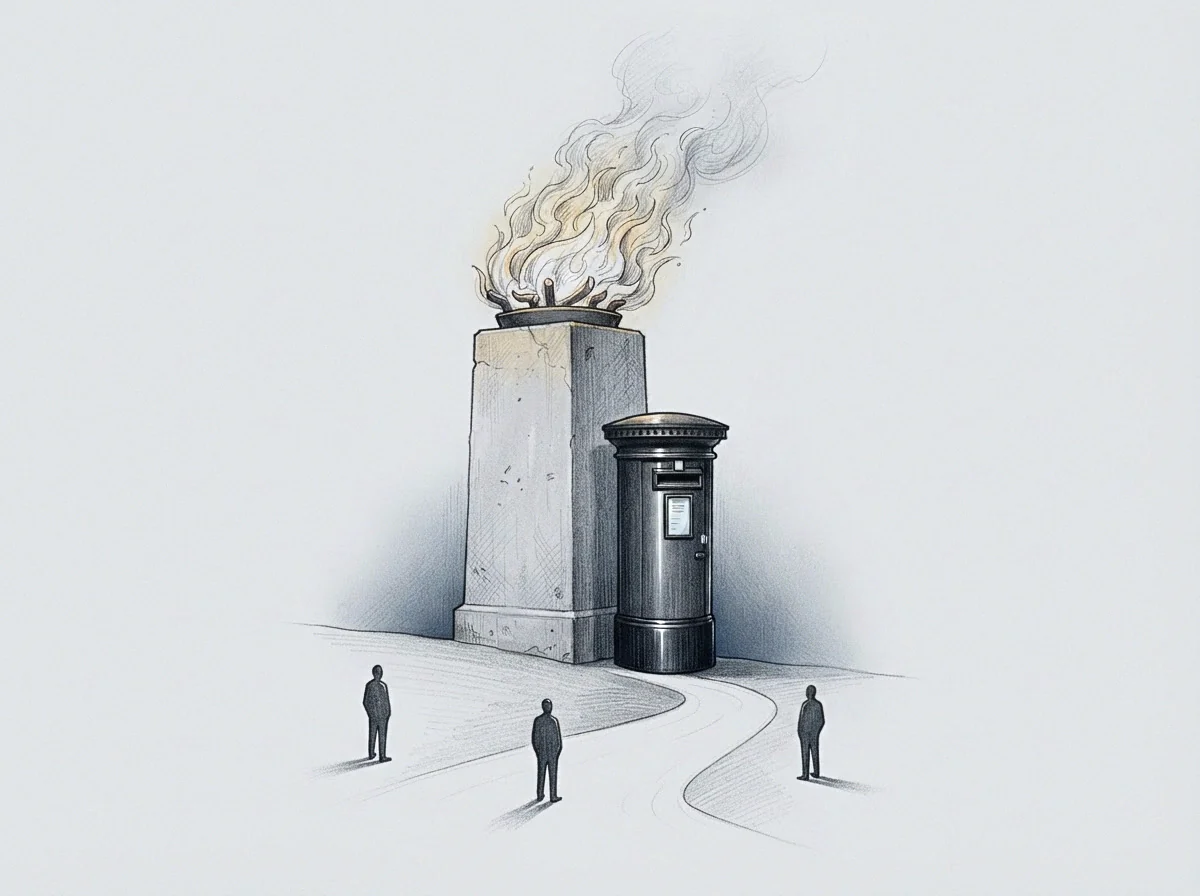
Executive attention deteriorates along predictable gradients as operational stress accumulates. Cognitive degradation accelerates when sleep deprivation combines with continuous strategic anxiety. Because stamina sets the ceiling, decision quality erodes long before an executive admits personal depletion.
Early symptoms appear as repetitive tactical micromanagement, delayed reviews of technical proposals, and an inability to process nuanced risk profiles. Financial burn rates treat each executive hour as an interchangeable unit, but in practice, an hour spent under severe fatigue frequently creates negative enterprise value by introducing architectural flaws that require weeks of remedial labor.
Treasury reserves buy calendar days, while human endurance dictates actual operational output.

Where Do Hidden Depletion Curves Cross Capital Limits?
Financial models project twenty-four months of runway based strictly on wage expenditure, but latent exhaustion curves cross that financial baseline far earlier. When a team operates at ninety percent capacity for three consecutive quarters, cumulative fatigue degrades output efficiency by half. The enterprise then requires twice as many calendar days to achieve a product delivery benchmark, breaking the schedule.
This hidden slowdown effectively doubles the real monetary expenditure per feature delivered. A twenty-four-month capital reserve collapses into a twelve-month operational window. Work appears finished on schedule, yet subsequent releases stall without explanation.
Table
Corporate governance reviews focus almost exclusively on liquid dollar balances. Board reports display burn charts, gross margins, and hiring plans while overlooking the biological strain absorbed by core technical staff. A venture that appears financially stable can sit on the verge of total operational abandonment.
Evaluating enterprise survivability demands contrasting cardinal financial metrics against ordinal capacity indicators.
| Evaluation Dimension | Financial Capital Metric | Human Capacity Vector | Operational Implication |
|---|---|---|---|
| Measurement Scale | Cardinal currency count | Ordinal energy rankings | Financial reserves obscure severe biological depletion. |
| Depletion Pattern | Linear cash outflow | Non-linear cognitive collapse | Exhaustion accelerates exponentially during product crises. |
| Replenishment Dynamic | Immediate wire transfer | Protracted rest periods | Fresh capital infusions cannot instantly restore team stamina. |
| Granular Distribution | Shared pool of funds | Isolated personal reserves | One depleted specialist halts the entire enterprise workflow. |
An unmeasured shift in daily cognitive allocation forces unannounced delays across later delivery windows.

Structural Divergence Across Operational Realities
Formal board presentations summarize financial health while field reports display rising incident volumes. When a team exhausts its attention reserves, throwing additional capital at the problem yields diminishing returns. New hires consume coordination overhead long before delivering net positive output.
Cash balance metrics create an illusion of safety while the underlying organizational engine grinds to a halt. A formal recovery covenant mandates forty-eight hours of operational silence, halting non-critical deployments to preserve the remaining engineering core.
Toll
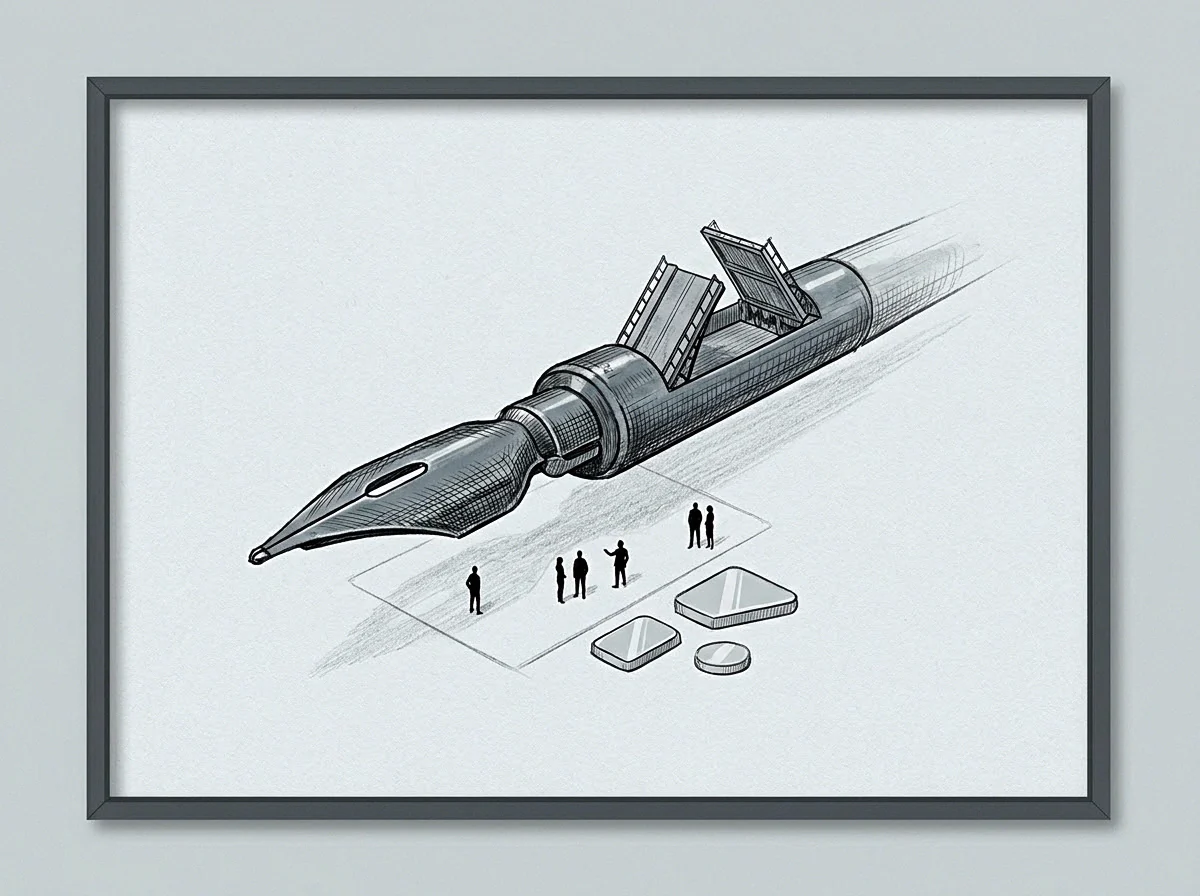
Every hour of unresolved technical debt extracts a tangible physical penalty from operational staff. The resulting biological strain represents an unpriced liability on the corporate balance sheet that takes weeks to clear. Founders often celebrate low cash burn rates achieved by working eighteen-hour days across multiple quarters, ignoring the steep replacement penalty incurred when key personnel leave or suffer physical illness.
Capital reserves cannot purchase lost morale or resurrect depleted creative drive once personal resilience breaks down completely.
Bank ledgers remain liquid while working stamina completely evaporates.
While rest restores baseline focus, sustaining an enterprise requires aligning capital runway with biological realities. The human capacity vector defines the actual horizon of the firm, while the cash balance merely sets the theoretical upper boundary. Whether an organization can deliberately price human depletion into quarterly balance statements remains an unresolved operational riddle.