
Resolving the Asymmetry Between Invisible Human Capacity Depletion and Fixed Cardinal Enterprise Contract Pricing
Fixed enterprise contracts conceal human depletion by exchanging cardinal revenue for unmeasured cognitive exhaustion unless strict operational limits protect capacity.

Rift
Enterprise service agreements specify fixed cardinal dollar figures for deliverables while actual production draws down unmeasured human reserves. An organization signs a multi-year vendor contract for a stated annual sum. The cardinal price enters the general ledger as a predictable credit, yet the delivery team expends non-linear reserves of focus, stamina, and attention to satisfy undefined edge cases.
While the ledger records steady operational performance, the delivery team absorbs severe fatigue.
The cardinal number on a purchase order measures monetary exchange value between legal entities. An ordinal vector tracks internal human effort, where physical stamina, creative focus, and task-switching strain accumulate over time without standard numerical units. When an enterprise customer demands urgent customizations within an existing fixed-price scope, the vendor absorbs the variance through uncompensated effort.
Vendor management views the contract as highly profitable because payroll remains fixed while enterprise revenue arrives intact.
A contract fixes monetary totals while internal human stamina depletes at an accelerating rate.
Internal capacity depletion stays invisible until cognitive output degrades. An engineer triaging client incidents late at night maintains the contract service level agreement, preventing financial penalties for the enterprise. That same intervention consumes personal cognitive reserves required for systemic architectural repairs; the enterprise captures the stability while the individual worker sustains the exhaustion.
Ignoring this fundamental division produces organizational rot where staff departures force sudden delivery defaults on previously profitable accounts.

Shelf
Production capacity sits on an active shelf of perishable human working hours. Unlike software licenses that remain available indefinitely once compiled, engineering and operational attention expires every twenty-four hours. A team assigned to three concurrent enterprise accounts faces continuous context shifts that eat up working hours.
The cardinal contract treats four hours of fragmented maintenance as equivalent to four hours of deep technical design, even though context fragmentation causes five times the cognitive exhaustion.
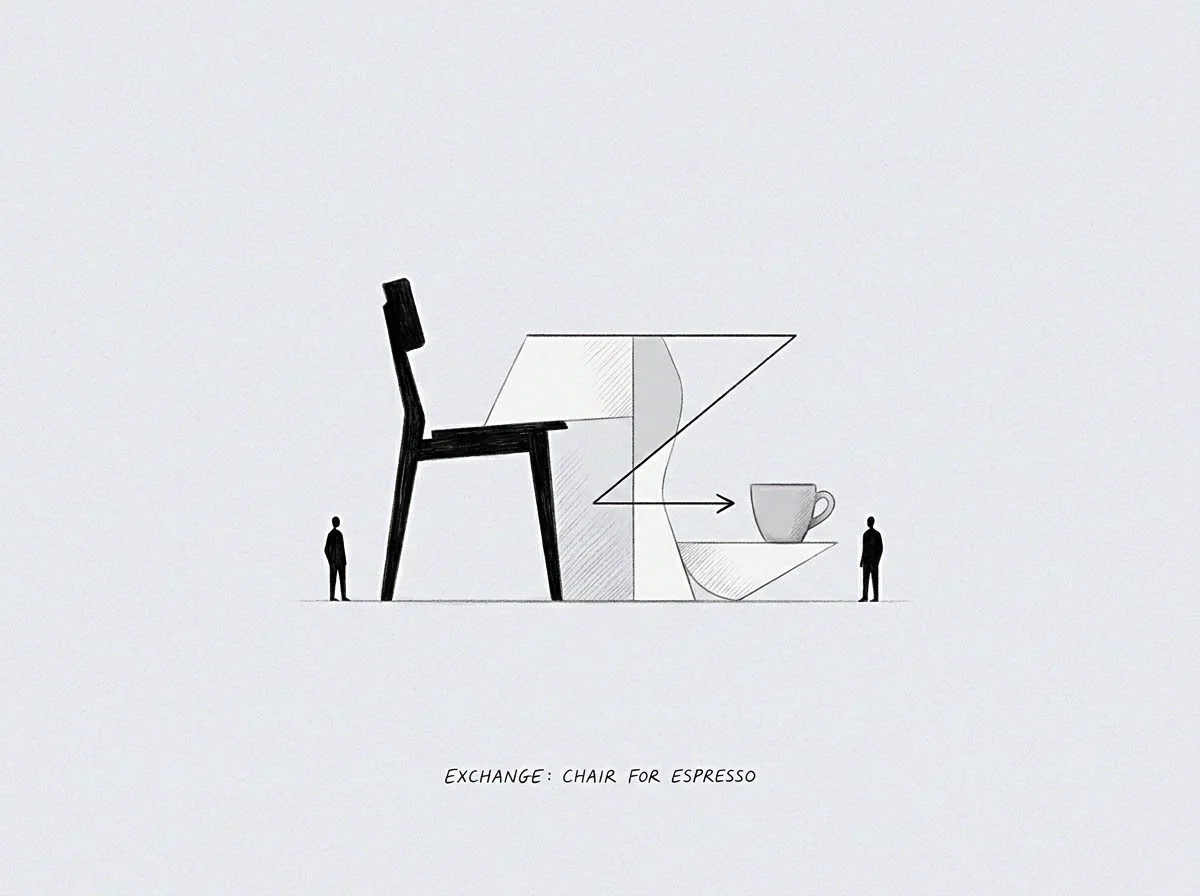
Contract Pricing Structure Versus Delivery Realities
Cardinal enterprise agreements assume homogeneous labor inputs across the calendar year. Operational reality forces human workers to absorb contract variability through unrecorded personal endurance.
| Agreement Model | Cardinal Price Basis | Capacity Draw Pattern | Organizational Consequence |
|---|---|---|---|
| Fixed Scope Annual | Predetermined lump sum | Unbounded surge demands | Silent attrition of senior staff |
| Tiered Deliverable | Milestone disbursements | Periodic acute exhaustion | Delayed system maintenance |
| Metered Retainer | Periodic base allocation | Regulated queue intake | Predictable operational longevity |
Enterprise customers expect unlimited responsiveness under fixed pricing arrangements because the marginal expense of each additional request equals zero to their procurement division, leaving the worker to absorb the difference. Delivery teams cannot replenish depleted focus during active service hours, and recovery takes calendar weeks. When three enterprise clients trigger emergency escalation protocols simultaneously, the vendor organization experiences structural failure.
The contract states cardinal sums, but physical reality demands physiological recovery that no financial ledger tracks.
Additional status meetings and urgent weekend hotfixes fall directly within standard account management obligations under these arrangements.

Friction
Operational friction increases whenever enterprise client managers treat technical teams as elastic computational resources. Enterprise procurement departments negotiate fixed annual contracts to eliminate financial volatility from internal budgets, shifting all operational volatility directly onto vendor staff. A vendor accepting fixed cardinal compensation without explicit operational guardrails subsidizes the client enterprise through unpriced human depletion.

Does Cardinal Pricing Conceal Worker Depletion?
Standard enterprise contracting methods hide real labor exhaustion behind smooth accounting revenue recognition schedules. Cardinal metrics report monetary income while concealing the destruction of team operational capacity.
- Unpriced scope creep expands daily client requests without triggering incremental contractual billing milestones.
- Emergency communication escalation disrupts focused technical work through unscheduled administrative demands from enterprise managers.
- Context fragmentation fatigue destroys deep engineering momentum by forcing multiple daily shifts between unrelated client environments.
- Phantom overtime accumulation drains staff morale when teams work unlogged weekend hours to maintain unrealistic milestone timelines.
A founder managing enterprise contracts frequently discovers that high gross margin accounts produce the highest internal staff resignations. Attention operates ordinally: an account generating hundreds of thousands in gross revenue can consume the entire emotional and creative bandwidth of an engineering department. The financial ledger displays strong accounting margins, but the actual human capacity vector points downward.
A contract boundary lacking strict capacity limits converts stable pricing into permanent human exhaustion.
What remains uncertain is whether standard commercial procurement departments can ever evaluate vendor proposals that explicitly price human cognitive limits into service tier structures.

Conversion
Translating ordinal human depletion into cardinal billing structures requires structured operational boundaries. Take an enterprise software integration vendor with eight engineers operating on fixed annual contracts of five hundred thousand dollars per client. Assume each engineer holds forty hours of weekly productive capacity.
When a client introduces arbitrary weekly governance calls and rapid bug triage cycles, productive engineering time drops to fifteen hours per person while twenty-five hours disappear into administrative coordination. The client invoice remains unchanged at forty-one thousand six hundred sixty-six dollars per month, even as team delivery capacity drops by sixty percent.
The operator resolves this structural imbalance by converting ordinal human capacity limits into enforceable contractual covenants. The vendor establishes explicit cardinal thresholds for team interactions:
- Weekly governance limits restrict recurring client coordination meetings to two hours per sprint cycle.
- Batch incident triage channels all non-critical feature defects into scheduled bi-weekly release windows.
- Dedicated deep work intervals protect technical staff from unscheduled real-time communication demands during core production days.
When an enterprise customer demands real-time communication outside agreed intervals, the service agreement automatically converts the request into an auxiliary billing tier. The contract protects the human delivery system by assigning immediate financial consequences to client-induced friction.
A strict contract clause mandating surge pricing for emergency triage requests above monthly thresholds restores equilibrium between client demands and team stamina.
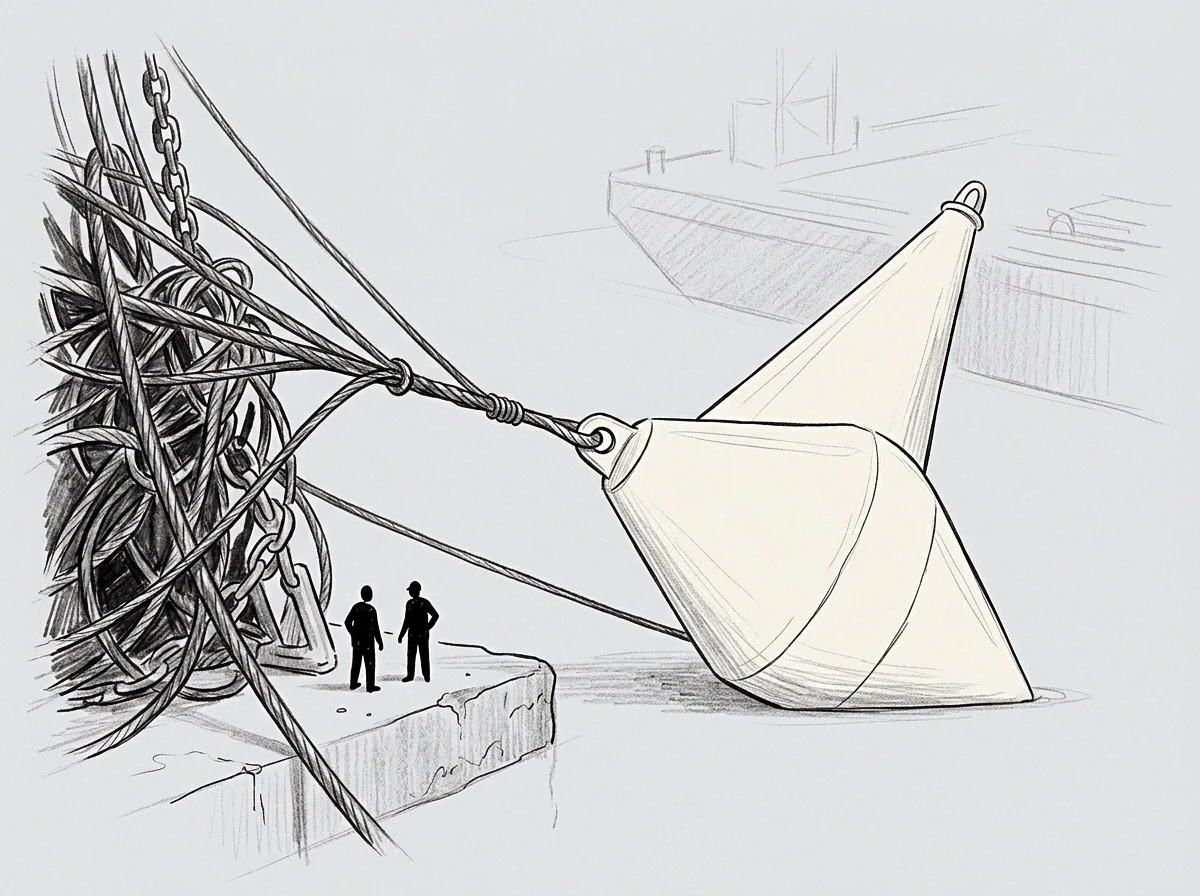
Exposure
Protecting technical teams from enterprise contract extraction requires explicit visibility into operational burn rates. Vendor leadership must calculate the true human toll of every service deliverable before agreeing to multi-year pricing terms. An enterprise deal carrying high top-line revenue becomes an existential liability when it consumes the foundational capacity of senior operators.
Sustainable vendor operations rely on pricing contract boundaries rather than absorbing infinite enterprise scope variance.
When vendor leadership evaluates account viability purely through quarterly incoming funds, they overlook the invisible depreciation of human capital. Staff turnover accelerates and institutional knowledge leaves the building. The vendor replaces experienced creators with junior hires who face identical structural exhaustion under unmanaged enterprise demands, allowing the client to extract continuous value while the vendor organization suffers systemic collapse.
Enterprise revenue balances real accounts only when contract terms protect the finite daily capacity of the people who build.