
Designing Contractual Capacity Protections That Prevent Operational Collapse in Distressed Teams
Dynamic contractual capacity protections use automated scope attenuation and intake gates to prevent team operational collapse during severe distress.

Breach
An engineering lead sends an invoice at three in the morning for work done during an unbudgeted infrastructure migration. The line item lists forty extra hours. The client rejects it; the master services agreement fixes monthly pricing and guarantees unlimited maintenance for critical defects.
Over the weekend, three engineers resign. On Tuesday the client files a notice of contractual default, citing abandoned service-level commitments. The operational collapse starts well before counsel drafts a claim, right where physical limits hit commitments drafted on the assumption of endless stamina.
Workplace psychology classifies this breakdown as a violation of the psychological contract. Once unwritten expectations of reciprocity dissolve under pressure, staff stop offering discretionary effort. The written contract then calls for work that physiology cannot sustain.
A team measures its own capacity ordinally, ranking remaining focus, energy, and cognitive endurance against immediate needs. The client agreement treats capacity as cardinal, slicing the calendar into billable hours and continuous coverage windows. Under sustained strain, the ordinal reality breaks the cardinal model.
A fixed legal commitment breaks down the moment human physical capacity drops below the contractual baseline.
Commercial agreements routinely treat operational capacity as an elastic reserve. Under acute distress, however, cognitive stamina thins out, error rates climb, and staff leave. When an agreement ignores those biological boundaries, managers burn through their personnel reserves to prevent a formal breach, ultimately losing both the staff and the client account.
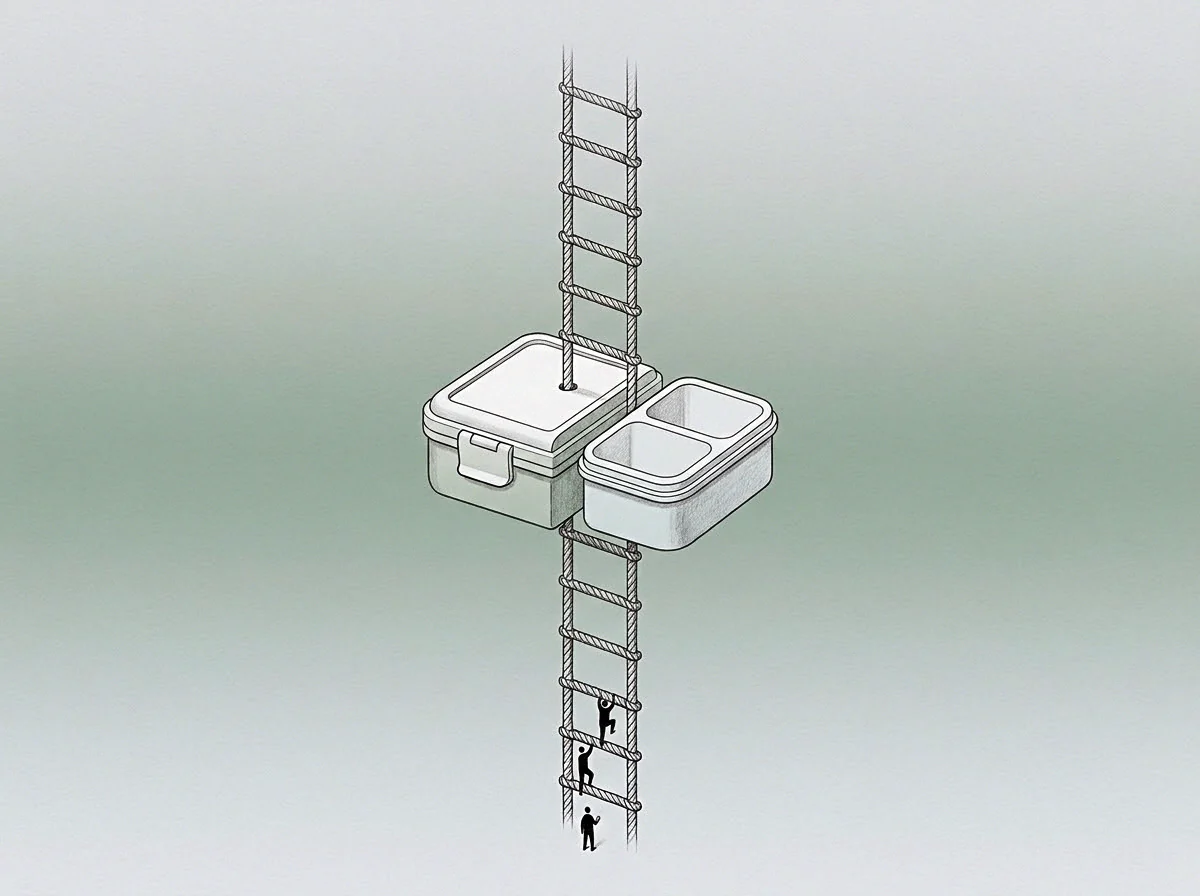
Distinguishing Capacity Depletion From Operational Mismanagement
Severe distress reshapes how a team handles contractual obligations. Once staffing drops below seventy percent of baseline requirements, cognitive capacity degrades quickly. Engineers spend up to thirty percent of their remaining attention simply deciding which tasks to abandon.
Management texts often mislabel this as poor prioritisation, ignoring the overload produced by inflexible governance.
Contracts without capacity triggers leave teams with poor choices: staff absorb the load until physical exhaustion forces unscheduled leave, or management hides schedule slippage until delivery dates fail. A protective structure sets definite limits on operational capacity, introducing binding circuit breakers before an emergency takes hold.
Client negotiations frequently stall over capacity protections, as enterprise buyers tend to view workload ceilings as operational weakness.
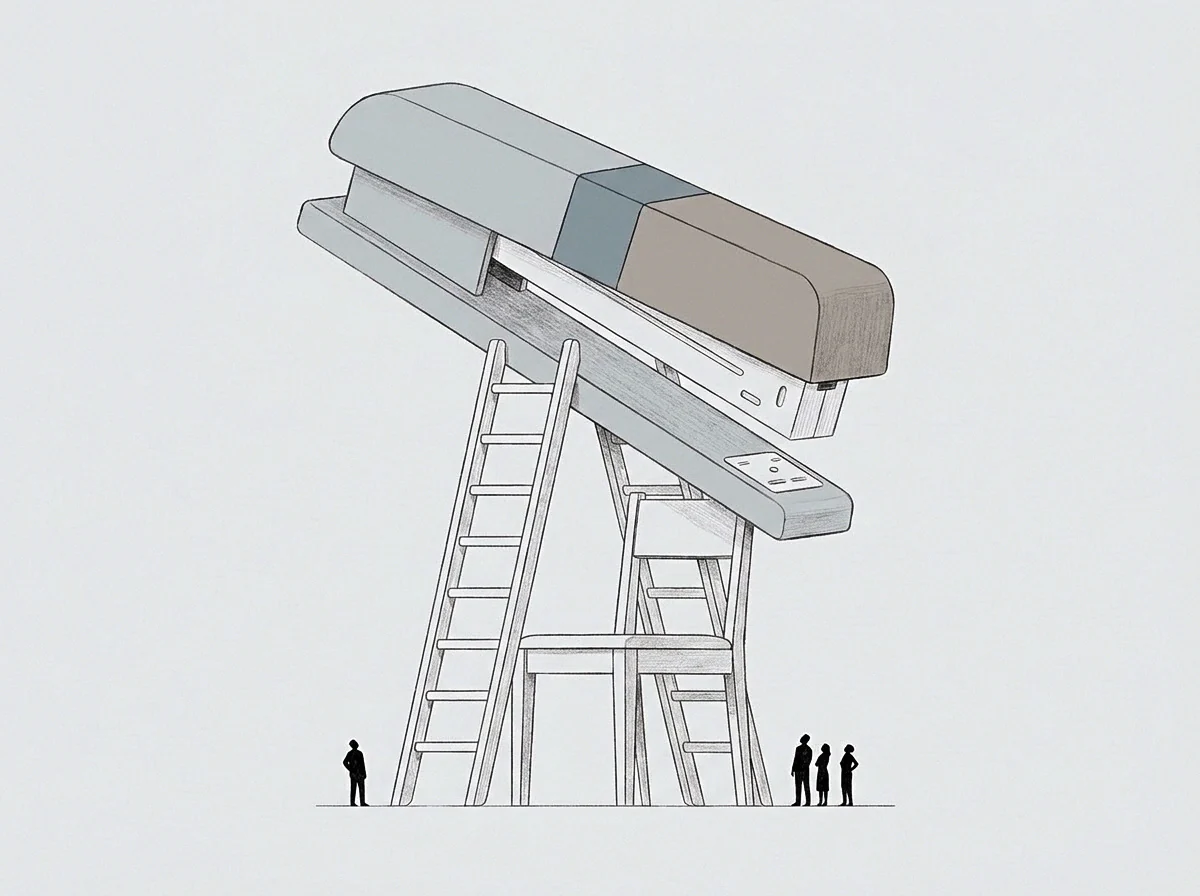
Valve
Engineering contracts need relief valves to withstand disruption, much like fluid systems vent excess pressure to avoid mechanical rupture. Technical teams need similar instruments written directly into master services agreements, separating service continuity from continuous individual sacrifice.
A functional capacity valve relies on explicit triggers that reset delivery parameters automatically. Once utilisation crosses an agreed threshold, commitments adjust without ad-hoc negotiations. The table below compares rigid delivery contracts with capacity-protected agreements.
| Contract Mechanism | Rigid Delivery Model | Dynamic Capacity Protection Model |
|---|---|---|
| Workload Surges | Uncapped hours under fixed milestones | Automated delivery pace adjustments |
| Capacity Depletion | Financial default penalties | Mandatory scope reduction triggers |
| Staff Turnover | Immediate replacement requirements | Grace periods for operational recovery |
| System Outages | Uncapped emergency response windows | Tiered response protocols based on staffing |
Operating a capacity valve depends on clear metrics. Operational load spans several distinct dimensions: hours logged, monetary burn, retained cognitive capacity, and focused attention consumed. Leadership routinely tracks financial burn while missing the rapid depletion of cognitive attention.
The contractual valve has to respond to that primary constraint.

Automated Scope Attenuation Clauses
An attenuation clause cuts contractual scope as soon as distress indicators register. Take an eight-person software team building a financial clearing system. Two senior architects leave unexpectedly, taking sixty percent of the group’s institutional knowledge with them.
Under a conventional contract, the six remaining developers absorb that workload to meet fixed milestone dates. The resulting strain drives code defect density up forty percent, which triggers contractual financial penalties.
An automated attenuation clause changes that progression. The contract stipulates that a twenty-five percent drop in engineering headcount automatically grants a thirty-day extension on upcoming feature deliverables, suspends non-critical reporting, and cuts maintenance windows from round-the-clock coverage to business hours. The arrangement protects core delivery speed by legally stripping away secondary obligations.
The terms specify that whenever key personnel turnover exceeds twenty percent, non-essential delivery dates move back two weeks per vacancy.

Cord
Automotive plants run emergency stop cords along assembly lines so operators can halt production the moment they spot a critical defect. Technical service contracts need an equivalent mechanism: a contractual rip cord. This clause lets an operational leader pause delivery obligations temporarily without triggering allegations of material breach or claims for damages.
Clients often push back against stop mechanisms, interpreting them as an excuse to evade delivery. Grounding the provision requires clear boundaries. It does not terminate the contract; it freezes operational duties long enough to restaff, rebuild system architecture, or redistribute workload, creating a safe harbour for stabilization.
A contractual pause provision converts catastrophic team failure into a predictable period of operational recovery.
The operational cost of activating a stop cord includes immediate cardinal price concessions alongside preserved organizational capability. A team activating a two-week operational suspension may forfeit fifteen percent of its monthly billing value. It preserves the human capacity that would otherwise disintegrate under sustained overload.
The trade exchanges short-term revenue for organizational survival.

Implementing Safe Harbour Trigger Events
Safe harbour provisions depend on objective criteria. A team cannot invoke operational protection over subjective fatigue; the contract must identify verifiable events that prove the team is under severe distress.
- Personnel Depletion Baselines activate operational safe harbours whenever active engineering headcount drops twenty percent below the baseline staffing plan for fourteen consecutive calendar days.
- Cognitive Runaway Events take effect when high-priority incident escalations exceed thirty logged events within seventy-two hours, indicating severe underlying architecture failures.
- Dependency Failure Thresholds apply whenever client deliverables or external integration environments face upstream delays extending past twelve business days.
Triggering these terms shifts the work directly into recovery mode. Staff pause exploratory development, new feature work, and administrative committees, focusing entirely on stabilizing infrastructure and onboarding reinforcements. The legal shield protects the team from default notices while remediation takes place.
The client demands that the team commit to continuous coverage until the phase finishes, regardless of recent resignations.

Gate
Intake governance marks the boundary between sustainable delivery and operational failure. Teams buckle when incoming requests bypass contractual controls and enter work queues through unmanaged side channels. Without strict capacity gating, pressure spreads quickly across the entire group.
An intake gate controls the volume, velocity, and shape of tasks entering an active backlog. Instead of treating capacity as an open-ended resource, the agreement sets a cap on concurrent work items. Any new request requires closing an active task or formally removing an equivalent one from the delivery schedule.
Queueing theory shows that wait times climb toward infinity as utilisation approaches one hundred percent. A team running at continuous peak capacity locks up as soon as minor disruptions hit. A contractual gate maintains a mandatory capacity buffer, keeping utilisation below eighty-five percent so the system can absorb volatility without stalling.

Why Do Counterparties Resist Capacity Gates?
Procurement teams resist intake gates because buyers prefer shifting execution risk onto suppliers. An agreement without an intake gate lets a buyer route shifting priorities, urgent requests, and sudden revisions to the team at no extra charge. As long as the vendor absorbs that churn, the client bears no direct cost for erratic internal planning.
Overcoming that pushback requires showing the operational cost of uncontrolled intake. The vendor makes clear that unmanaged requests lead directly to downtime, buggy deployments, and lengthened cycle times. Formal caps align buyer discipline with team stability: the client gains reliable execution on core priorities in exchange for limiting unplanned interruptions.
Without intake gates, an engineering team spends its days in triage, eroding focus and degrading overall operational performance.
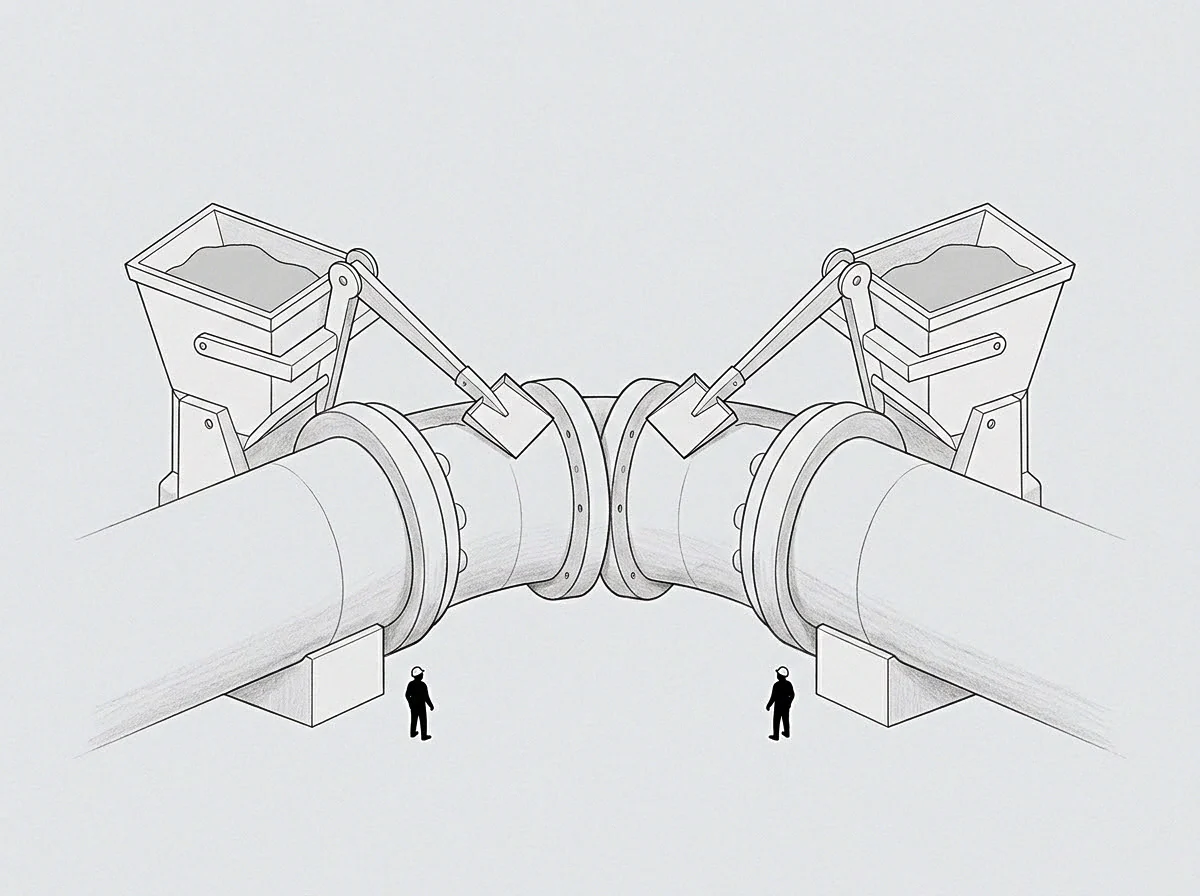
Price
Operational strain alters how an organization tracks expenditure. Leadership often treats cost as a single figure on a balance sheet, but under severe strain, cost operates as a vector: focus drained, hours lost, capability retained, and money spent. Collapsing those dimensions into a single currency figure masks critical operational risks.
A client contract reduces that internal capacity vector to a single billing figure. When engineers spend eighty hours untangling an ambiguous infrastructure outage, the team absorbs deep physiological and operational fatigue, but the client sees only a routine invoice for eighty hours. That flattening obscures the exhaustion required to resolve the incident.
A cardinal billing rate obscures the compounding human exhaustion required to sustain it.
Capacity protections address this gap by levying escalating fees for high-stress requests. Standard rates rarely account for overnight deployments or weekend callouts. A protective agreement introduces progressive pricing structures, increasing financial friction as team utilisation approaches hazardous levels.

Progressive Cost Structures for Emergency Utilization
Progressive pricing serves as an operational deterrent rather than a revenue tactic. Billing triple rates for off-hours intervention forces client managers to consider whether an issue warrants the disruption. The financial friction encourages respect for working boundaries.
- Standard operations run within agreed business hours at the foundational contract rate, covering primary roadmap deliverables and normal maintenance.
- Secondary demand surges occurring outside normal windows incur an automated two-hundred percent billing modifier alongside mandatory compensatory time off for involved staff.
- Unscheduled crisis deployments demand a four-hundred percent rate surge and automatically defer milestone deadlines for the following two weeks.
These tiers stop clients from treating an external team as a frictionless shock absorber. Client managers learn to filter routine issues internally instead of exporting volatility to their partners, while the premium fees allow the vendor to fund contractor support and rebuild depleted capacity.
The contract stipulates that third-tier surge pricing activates automatically whenever emergency escalations exceed two occurrences in a single billing period.

Shift
Drafting dynamic valves, stop cords, intake gates, and progressive pricing is one thing; retrofitting them into existing client relationships is another. Negotiating operational boundaries while a team is already struggling demands careful handling, as clients often view mid-contract renegotiation as operational failure or a breach of commitment.
The renegotiation works when leadership positions capacity limits as shared business continuity measures. A team that breaks down mid-project causes serious commercial damage to the client: abandoned code, lost momentum, and months spent finding replacements. Enforceable capacity caps protect that investment by keeping the team functional over the full life of the engagement.
Executing the shift often means trading commercial concessions for operational protections. Leadership might grant extended payment terms or modest discounts in exchange for automated attenuation triggers and firm backlog caps. Compromising on financial terms is worth the trade if it stabilizes working conditions and keeps the delivery core intact over the long term.
What remains open is where contractual protections reach their limit, and underlying economics leave no option except walking away from the engagement entirely.