
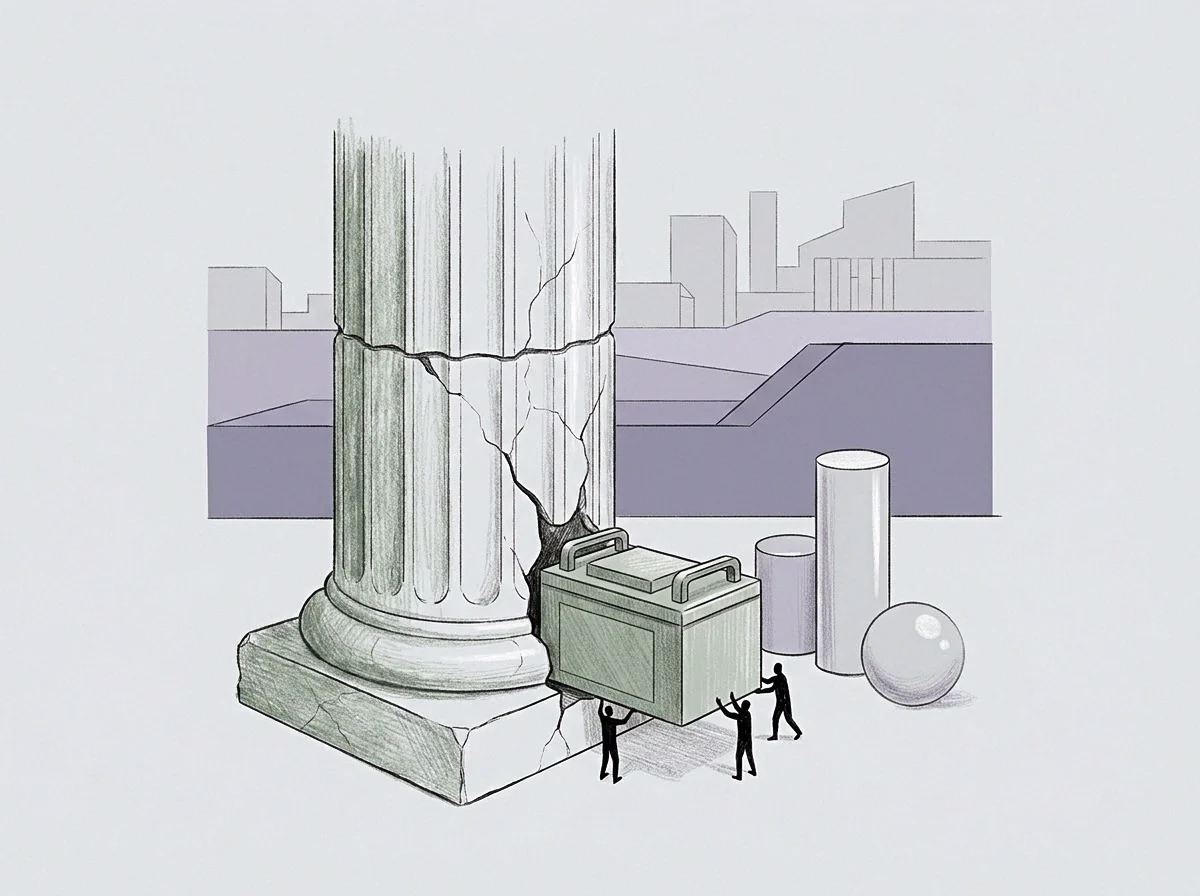
Quantifying Cognitive Context Switches In Direct Technical Support Channels
Context switching in direct support channels consumes engineer capacity through attention residue and recovery latency, generating multi-attribute ordinal costs.
Context switching in direct support channels consumes engineer capacity through attention residue and recovery latency, generating multi-attribute ordinal costs.

Context decay remediation converts unmonitored inter-firm information loss into explicit labor hours, shifting ordinal operational drag into cardinal billings.

Asynchronous communication in retainers imposes fragmented cognitive load that traditional hourly billing fails to measure, eroding capacity without payment.

Operational boundaries fail under alert instability when operators bypass structural interfaces to quiet alarms, requiring strict telemetry decoupling to survive.
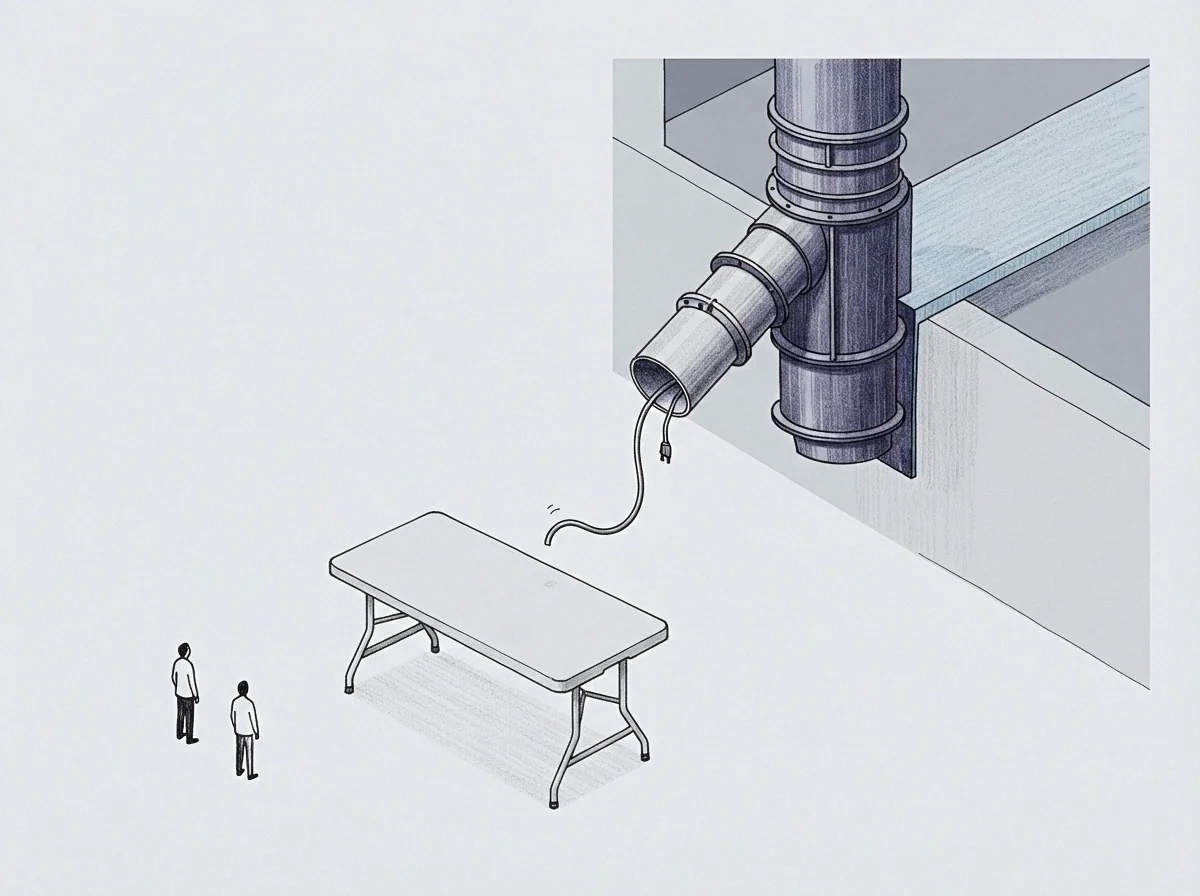
Engineering capacity isolation during persistent outages requires physical structural blast walls separating frontline containment from root cause remediation.

Dynamic backpressure throttles batch migration size against database lock queues and replication lag, preventing tail latency spikes in concurrent workloads.

Continuous incident interventions degrade baseline capacity by compounding cognitive switching costs and forcing teams to trade long-term architectural health for immediate uptime.
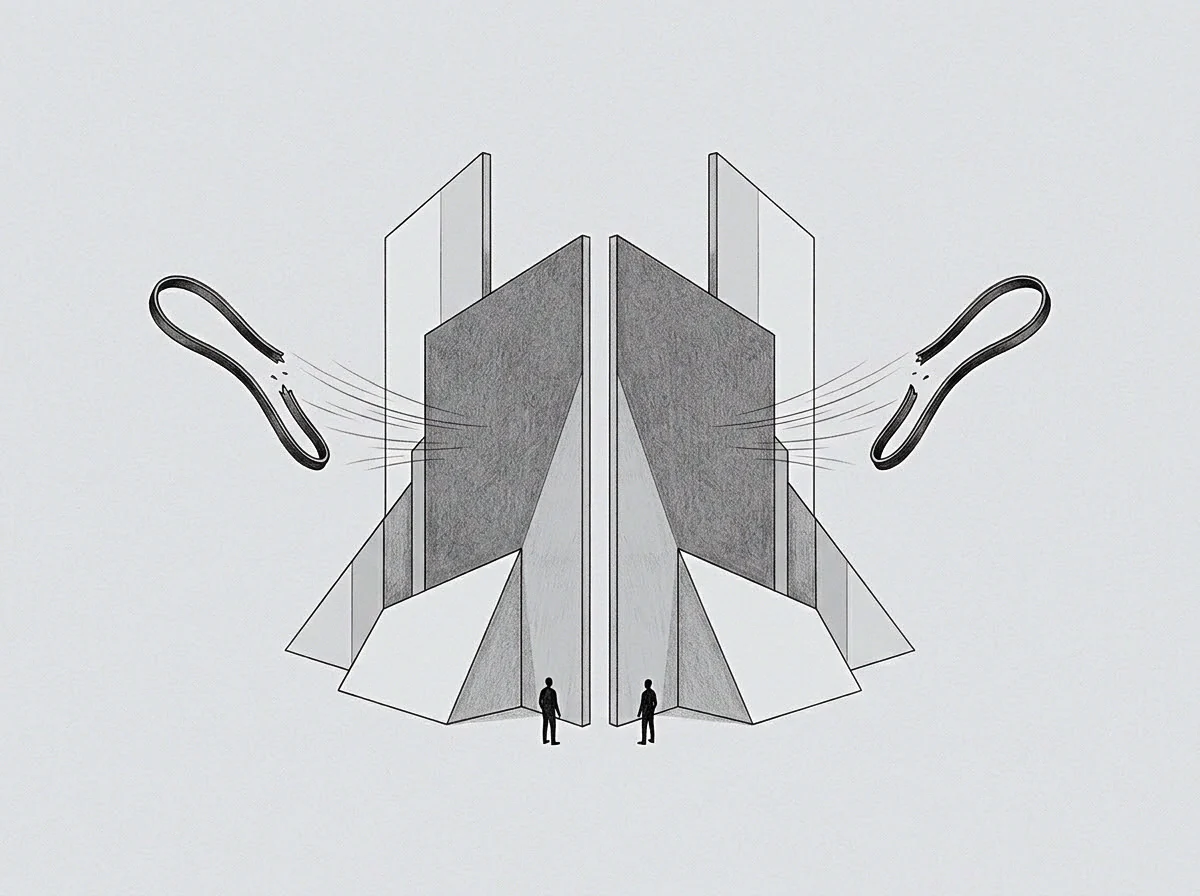
Rapid incident mitigation trades long-term architectural stability for immediate containment speed by introducing unanchored state mutations into system logic.

Context reentry latency measures the time needed to rebuild working memory state after operational shielding breaks, quantified as an ordinal cost vector.

System familiarity persists when primary operational shifts force engineers to execute routine write operations across unfamiliar technical domains.

Unbuffered operational queue pressure forces repeated cognitive context switches that exponentially expand engineering cycle times and collapse throughput.

Context switching friction is an ordinal cognitive cost that converts to cardinal sprint forecasts through calibrated recovery latency bands.

Cognitive friction overhead measures the capacity consumed when engineers must reconstruct undocumented system invariants inside working memory to execute code mutations.

Post-founding attention friction converts into firm value only when multi-attribute internal drag is priced into cardinal external contracts.
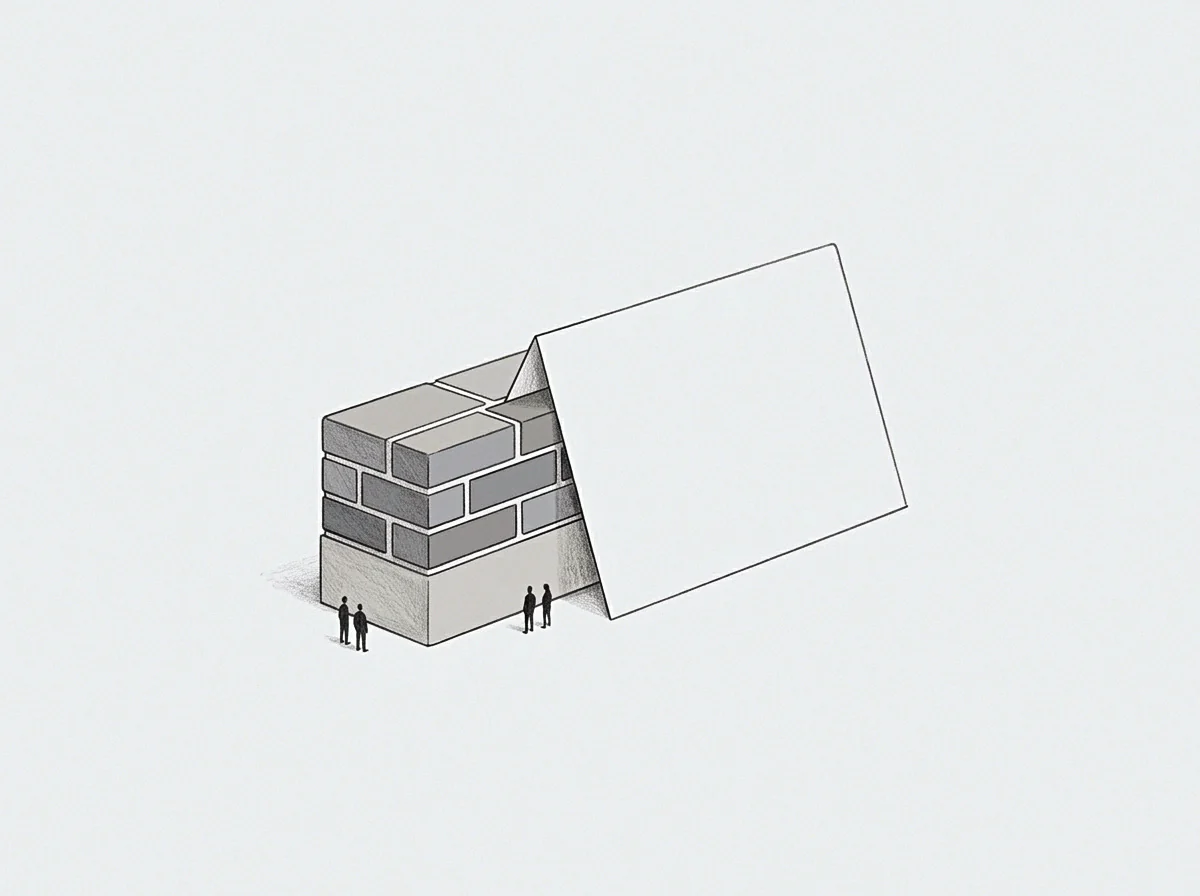
Engineering focus operates as an ordinal vector where context switching penalties systematically reduce cardinal capacity across concurrent software builds.

Parametric termination thresholds release suppliers from fixed contracts when client operational consumption crosses telemetry limits that destroy margins.

Resource saturation requires restructuring fixed milestones into modular deliverables or capacity bands, preventing unbudgeted labor from destroying engagement margins.
The terms are written where they belong. Each field holds three desks, and every entry a desk writes raises the terms it uses, each term given a meaning, a mechanism and the places it appears. The record on these pages stays first person and hand made; the fields grow the nomenclature.