
Measuring Asynchronous Cognitive Recovery Timelines Against Irreversible Corporate Restructuring Covenants Under Crisis
Executive cognitive recovery curves lag compressed corporate restructuring covenant deadlines, driving exhausted leaders to trade permanent equity for brief pauses.

Lag
The operational crisis arrives long before any legal notice, but the physiological cost lands at the precise moment creditors press for immediate concessions. Acute sleep fragmentation, sustained neuroendocrine activation, and constant tactical panic impair prefrontal cortex function within seventy-two hours. While a debtor company slides toward default, executive officers experience a sharp divergence between perceived lucidity and their actual ability to evaluate multi-period probabilities.
Under acute systemic pressure, neurological function defaults to immediate threat mitigation rather than structural solvency, favoring short-term survival arrangements over terminal equity preservation.
Neurological recovery follows a slow curve that administrative pressure cannot accelerate. Restoring executive functioning, emotional regulation, and working memory requires ten to twenty-one days of normalized sleep patterns and metabolic stabilization. Restructuring agreements, however, operate on twenty-four-hour forbearance deadlines.
Creditors push for immediate signatures on restructuring agreements, forbearance stipulations, and debtor-in-possession term sheets while corporate officers work through documented memory deficits, leaving leadership unable to calculate the long-term penalties carried in creditor covenants.
Under severe circadian disruption, the rate of cognitive stabilization lags contractual negotiation velocity by multiples of seven to ten.
This timing mismatch produces severe structural concessions. An executive evaluating a forbearance agreement after five consecutive days of four-hour sleep intervals flattens complex trade-offs into single escape routes. The relief of a thirty-day standstill obscures the permanent surrender of cross-default defenses, lender liability releases, and mandatory asset-sale directives.
In practical terms, the agreement trades away permanent corporate rights for a brief operational reprieve, locking transient cognitive impairment into binding contract language.

Biological Decay Curves in Financial Distress
Prolonged elevation of glucocorticoids reduces synaptic plasticity across hippocampal and prefrontal circuits, degrading an officer’s ability to maintain competing contingencies in working memory during multiparty negotiations. Controlled assessments of acute sleep restriction document a thirty to fifty percent drop in cognitive throughput after forty-eight hours of crisis management. That deficit regularly surfaces as a failure to detect unfavorable terms inside credit enhancements while lenders track liquidity by the hour.
Debt negotiations often peak during these physical lows. Senior secured lender committees routinely run restructuring sessions past midnight, using cumulative exhaustion to secure aggressive operational milestones. Management teams consent to covenants requiring unrealistic revenue benchmarks or accelerated asset dispositions simply to bring a session to a close.
Under these conditions, the person in the restructuring seat yields strategic position to relieve immediate fatigue, giving up enterprise equity to halt continuing pressure.

Floor
Credit instruments establish mechanical boundaries that take no account of physical exhaustion. Standard agreements set minimum liquidity thresholds, fixed charge coverage ratios, and rolling earnings before interest, taxes, depreciation, and amortization targets that trigger default upon fractional variances. Once lenders issue reservation-of-rights letters, they fix a timeline structured to force debtor concessions before operational adjustments can take hold, treating every elapsed hour as progress toward liquidation.
Comparing cognitive capacity against these legal limits reveals a substantial difference in speed. While debt enforcement accelerates rapidly once a default occurs, the cognitive recovery needed to formulate turnaround strategy proceeds at a steady, slower pace. A management team requires weeks of focused analysis to restructure a supply chain or reposition a business, yet distressed debt lenders regularly compress that window into a seven-day cash collateral budget milestone.

Comparative Velocities Across Crisis Domains
The following audit maps the mechanical divergence between biological recovery timelines and restructuring milestones during acute solvency stress.
| Temporal Window | Neurocognitive State | Contractual Event | Permanent Concession |
|---|---|---|---|
| Hours 0 to 48 | Elevated cortisol, catecholamine surge, narrow focus | Default notice, cash sweep activation | Waiver of formal notice requirements |
| Days 3 to 7 | Severe sleep debt, working memory attrition | Forbearance term sheet execution | Full release of lender liability claims |
| Days 8 to 14 | Executive fatigue, depressive affect, panic mitigation | Budget milestone compliance check | Mandatory appointment of restructuring officer |
| Days 15 to 30 | Gradual cognitive restoration, emergent perspective | Section 363 asset sale authorization | Irreversible loss of core operating assets |
Transactional velocity operates without regard for human biological limits. As the schedule indicates, by the time an executive recovers enough sleep to recognize long-term equity loss, early forbearance agreements have already surrendered the company’s legal defenses. Officers relinquish fundamental governance protections while working under acute metabolic exhaustion.
A default waiver signed during acute biological deficit permanently liquidates equity value for transient forbearance.
The counter-position holds that credit agreements are executed by commercial counterparties who formally agreed to the schedule and its negotiated remedies.

Wire
Irreversible restructurings rely on mechanical tripwires written into interim financing agreements. A debtor-in-possession facility or distress amendment rarely ends an enterprise through immediate foreclosure; instead, these instruments use springing covenants, incremental governance transfers, and asset monetization mandates that trigger automatically when milestones are missed. When an exhausted management team accepts an interim financing proposal, it establishes automated provisions that dismantle board autonomy without further judicial review.
Restructuring agreements employ distinct contractual mechanisms that capitalize on degraded counterparty review during negotiations:
- Roll-Up Provisions that convert pre-petition junior debt into administrative super-priority claims, stripping unencumbered assets from general creditors in exchange for emergency cash.
- Milestone Triggers binding the company to deliver finalized investment banking retention agreements or asset purchase indications of interest within ten business days.
- Springing Board Rights transferring full operational governance to creditor-appointed independent directors the instant a thirteen-week cash forecast deviates by more than five percent.
- Automatic Strict Foreclosure Consents wherein the debtor waives all statutory rights to contest collateral surrender under commercial code regulations upon technical covenant failure.
Each of these covenants converts an operational delay into a permanent loss of corporate ownership. Distressed lenders introduce these provisions during secondary redrafts delivered at four in the morning, relying on fatigue to obscure how individual clauses interlock. An exhausted executive reviews the headline interest rate and nominal borrowing availability, missing the structural triggers built into the reporting schedule.

The Mathematical Price of Immediate Relief
A cash injection of five million dollars sounds like salvation to a management group that has worked thirty-six hours without sleep. While the initial pricing seems acceptable on paper, the cost to corporate control is decisive. Lenders secure restrictive covenants knowing an exhausted team values immediate pressure relief over discounted future enterprise cash flows.
In doing so, the financing documents permanently subordinate equity holders to purchase two weeks of operating time.
Agreements executed under acute exhaustion extract permanent structural ownership in exchange for temporary pauses in enforcement.
These restructuring stipulations function through rigid operational triggers: missing a Friday noon deadline to deliver a certified thirteen-week liquidity model terminates the consensual cash collateral order, transferring operational control to the senior collateral agent without further legal recourse.

Wedge
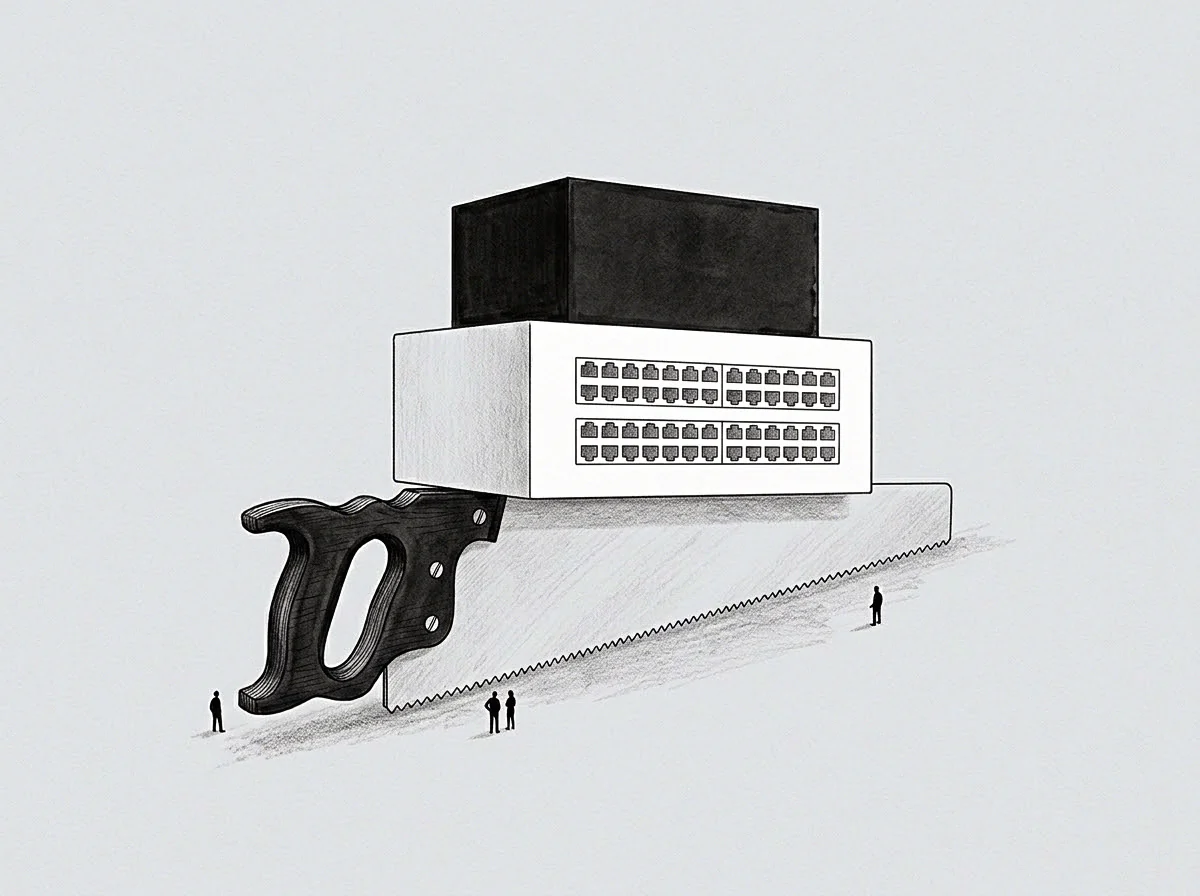
Decoupling biological recovery from irreversible covenant deadlines requires deliberate structural firewalls. An executive team experiencing acute distress cannot match a rested syndicate of institutional restructuring advisors through sheer endurance. Management must build procedural delays, independent decision buffers, and formal standstills between operational emergencies and final contract execution.
What Restores Decision Integrity Before Milestone Expiry?
The first operational defense requires dividing crisis management from negotiating authority. The chief executive oversees internal cash preservation and employee retention, remaining outside the active negotiating room. A transaction committee of independent directors, advised by legal and financial counsel operating on normal sleep cycles, handles creditor demands directly.
This division prevents physical exhaustion from translating into legal concessions.
Negotiation buffers must be secured before liquidity runs out entirely. At the start of distress talks, leadership needs to prioritize a clean standstill over minor pricing concessions on interest rates. Obtaining twenty-one calendar days of unconditional forbearance without reporting milestones provides the time required to clear sleep debt and restore cognitive capacity.
That biological restoration transforms subsequent strategic decisions: a rested team evaluates asset valuations and dilution risks accurately, rejecting terms that depleted officers would accept simply to finish the meeting.
The central difficulty remains the structural tension between biological limits and financial leverage: whether a debtor facing depleted cash reserves can secure the temporal insulation required to restore executive cognitive capacity before strict credit covenants enforce full surrender.