
Nonlinear Metric Coupling Dynamics During Continuous Organizational Infrastructure Restructuring
Continuous infrastructure shifts break linear metric coupling, causing squad velocity to mask systemic latency through cascading operational dependencies.
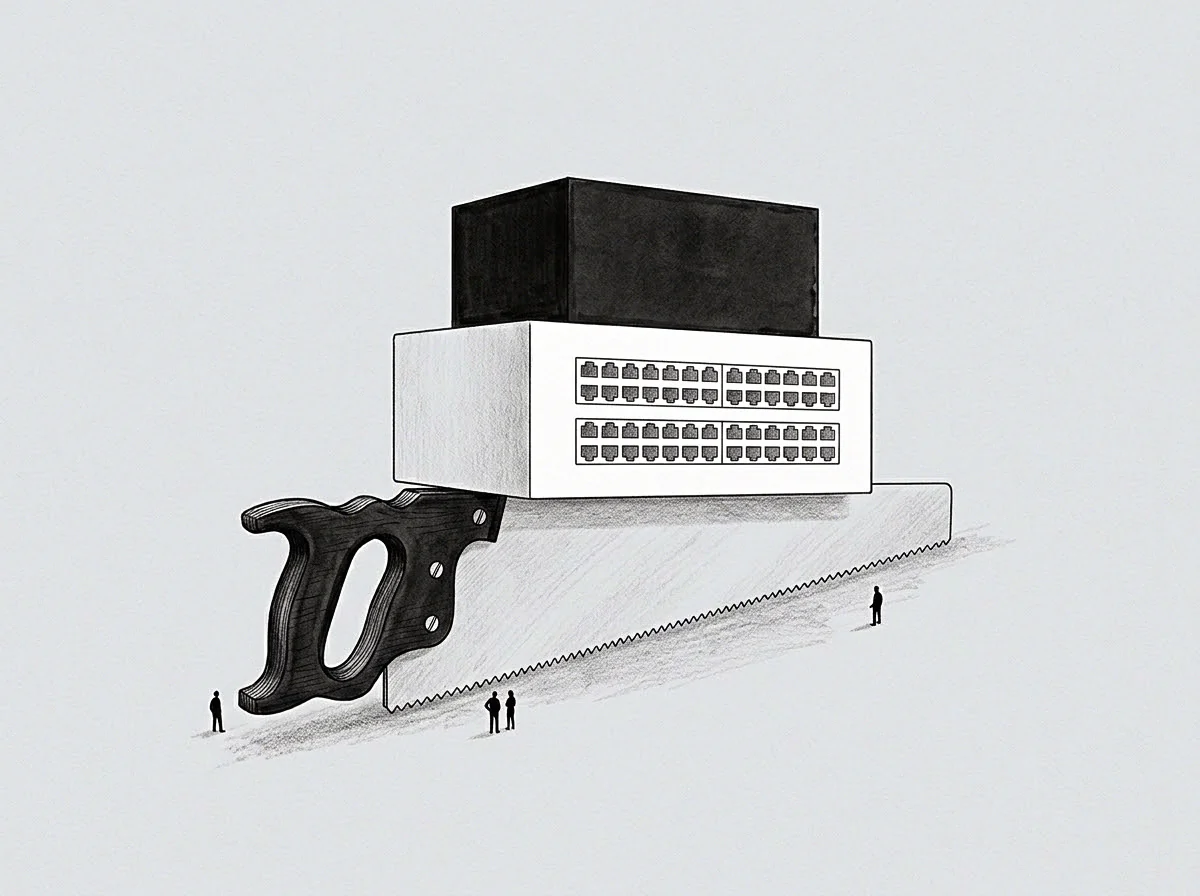
Slope
Infrastructure migrations alter the physical surface beneath operational metrics. A deployment pipeline moves to distributed micro-frontends while engineers simultaneously redraw transactional boundaries across multiple cloud partitions. The immediate telemetry reports nominal throughput, yet latency curves begin curling upward under steady concurrency.
When foundational data layers undergo continuous structural revision, the expected linear relationship between operational load and operational degradation breaks. Small increments in traffic demand disproportionate increases in compute capacity.
The core mechanism operates through coupled state boundaries. When database transactions move from single-instance write locks to distributed eventual consistency, latency ceases to track query complexity directly. It binds to cross-region reconciliation delays, serialization queuing, and network interface retries.
The metric tracking operational efficiency cannot be treated as an isolated slope. Cross-metric sensitivity measures how intensely an unmonitored backplane state alters the slope of a primary operational reading. As continuous restructuring proceeds, this coupling produces severe curvature in performance graphs where linear extrapolation previously held true.
Under distributed transactional churn, throughput preservation forces an exponential divergence in coordination latency.
Engineers observe that divergence during live load shifts. Telemetry registers green on primary availability, yet internal memory exhaustion triggers sudden pod restarts across intermediate proxy tiers. The technical baseline has slipped sideways.
An operational team reading only the surface vector sees flat performance right up to the boundary of catastrophic cascading exhaustion.
- Cross-metric sensitivity establishes the rate at which latency gradients steepen as network contention increases during structural migrations.
- State fragmentation index captures the geometric expansion of retry storms across disconnected database replicas during split operations.
- Coordination overhead ratio tracks the proportion of raw compute capacity consumed purely by inter-node synchronization tasks.
Disregarding cross-tier sensitivity produces widespread infrastructure collapse across dependent microservices as soon as ambient traffic reaches normal peak volume.
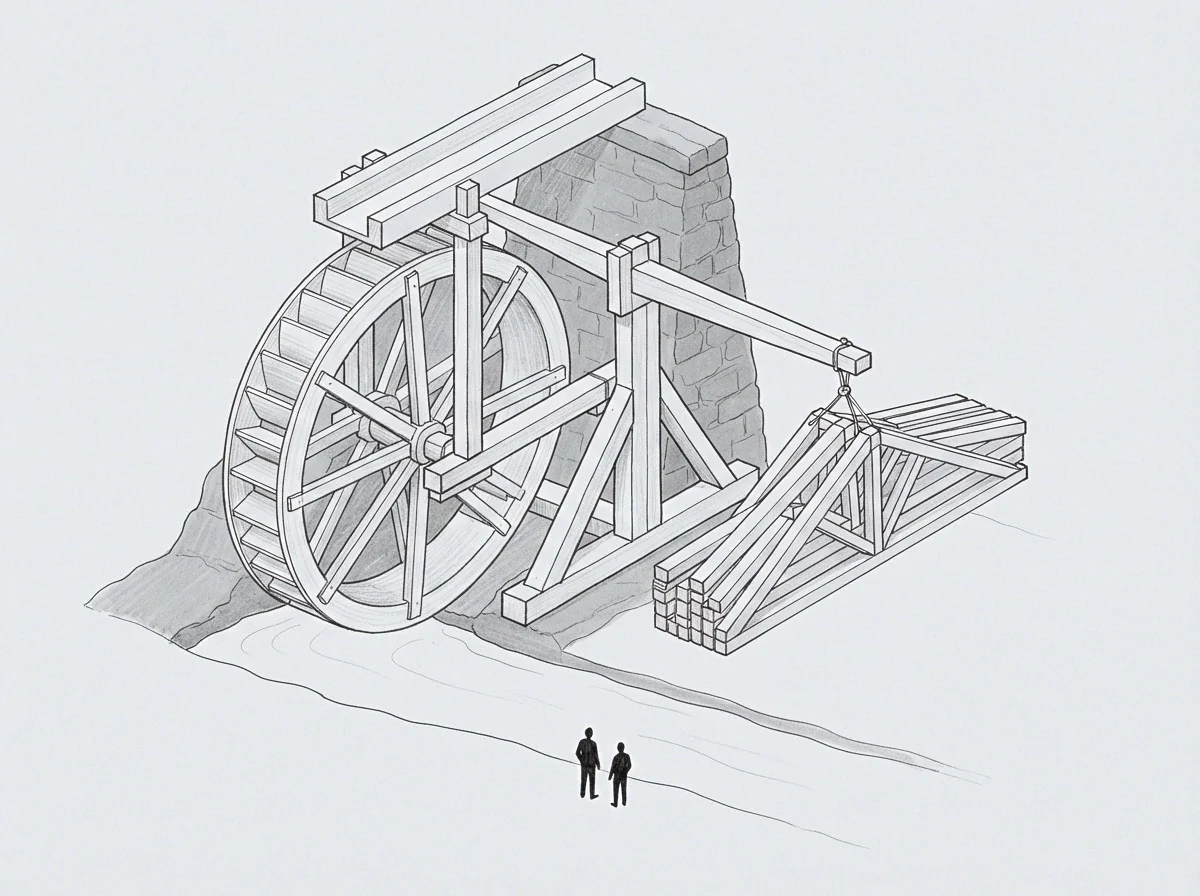
Joint
Which Metric Decouples First During Churn?
Mechanical joints fail when stress shifts away from designated load-bearing struts. In continuous infrastructure overhaul, the joint sits precisely where organizational reporting structures intersect technical service interfaces. When an engineering division breaks apart a monolithic code repository into autonomous domain services, communication paths between squads replicate the previous architectural topology, where Conway law governs the boundary and software boundaries mirror organizational lines.
The velocity metric of an individual squad appears high because code commits occur rapidly within isolated repositories. Meanwhile, release delivery times decay across the entire organization because integration across boundaries involves protracted coordination queues.
Velocity decouples from release delivery immediately upon repository separation. Squad-level cycle time measures activity within the boundary, while organizational delivery time measures traversal across interfaces. An unmanaged interface converts internal engineering speed into external integration friction.
The team measures what its members control directly: pull request turnaround times drop by half, while shared staging environments stall behind three-week queues.
Rapid squad cycle time masks severe organizational deployment latency at unaligned service seams.
The mathematical properties of this decoupling resemble non-holonomic constraints in classical mechanics. System velocity along one axis does not permit arbitrary motion along another without compensatory displacement across hidden degrees of freedom. Squads optimize local deployment frequency, but customer-facing defect density rises because configuration states diverge between platform versions.
Moving faster on local tasks increases the friction of systemic coordination.
Shared infrastructure platforms absorb hidden administrative drag as autonomous units increase their operational divergence.
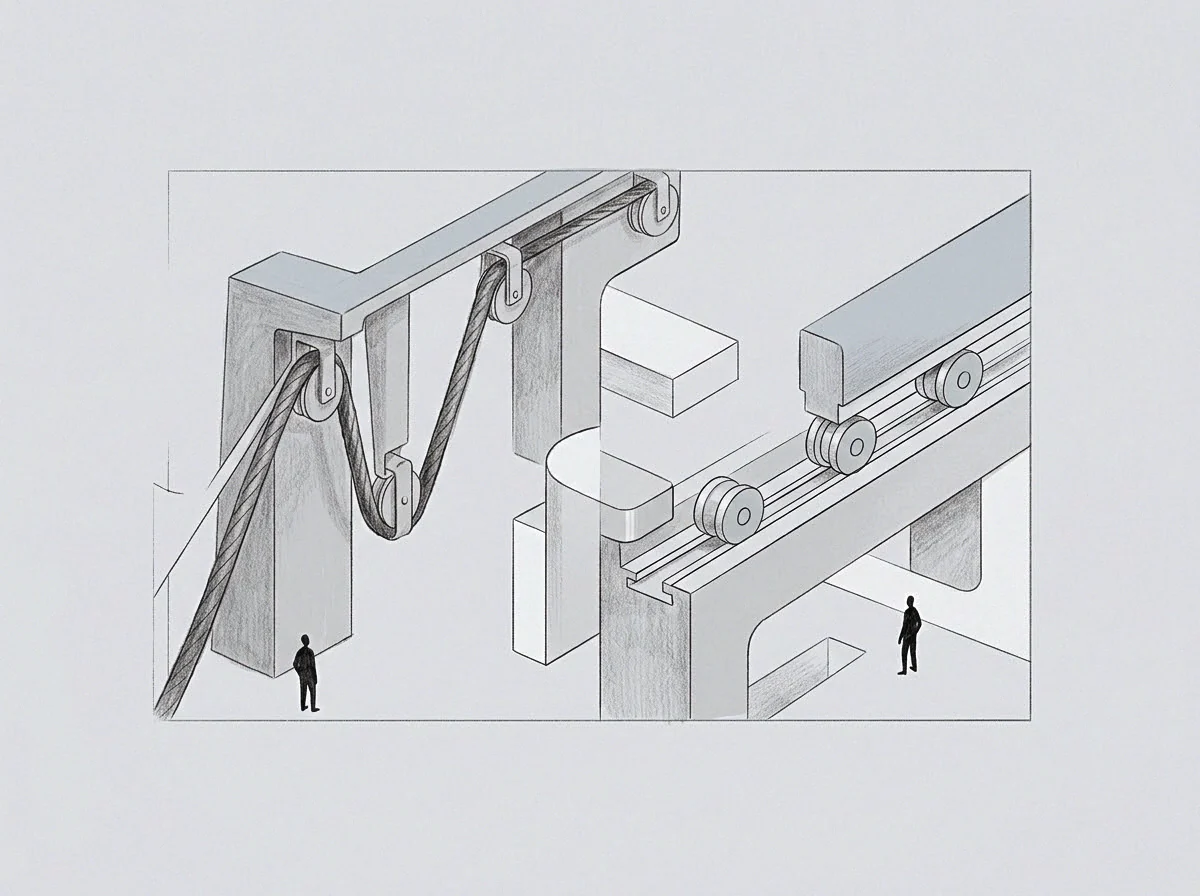
Gauge

Tracking Cross Derivatives Across Structural Shifting
Instruments calibrated for steady-state environments misread transitional turbulence. During infrastructure overhauls, engineers calibrate alarms against static thresholds established under legacy architectures. A five-percent CPU spike that meant negligible queue growth on a bare-metal server signifies immediate connection pool starvation inside an abstracted container cluster.
The metric scale remains ordinal while operational reality demands cardinal precision across shifting resource partitions.
The cross-derivative measures the secondary rate of change between operational variables. When database infrastructure migrates during active customer traffic, the derivative of error rate with respect to query volume changes dynamically as a function of cache invalidation frequency. Standard alerting looks at first-order signals: current error count or average memory consumption.
It misses the second-order acceleration where an error rate begins compounding upon itself through automated failover loops.
| Observed Variable | Legacy Baseline Coupling | Restructured System Coupling | Coupling Nonlinearity Class |
|---|---|---|---|
| Service Latency to CPU Utilization | Linear proportionality | Step-function threshold saturation | Exponential hysteresis |
| Deployment Rate to Defect Density | Independent distribution | Coupled via dependency version drift | Polynomial divergence |
| Worker Headcount to Feature Output | Direct progressive scaling | Sub-linear decay via coordination queues | Inverse power curve |
| Storage Cost to Query Volume | Predictable cardinal step | Multivariate dynamic egress scaling | Hyperbolic expansion |
Every cell reflects real operational exposure. The transition from linear relationships to polynomial and exponential behaviors exposes organizations to sudden resource depletion. Infrastructure engineers observe stability until an unmonitored threshold triggers a sharp discontinuity in operational expenditure.
Cardinally fixed alarm thresholds produce systematic false negatives across transitional computing platforms.
Contractual service level objectives maintain historical validity only when the underlying deployment topologies remain permanently invariant.
Sump

Accumulation of Unprocessed Technical Liabilities
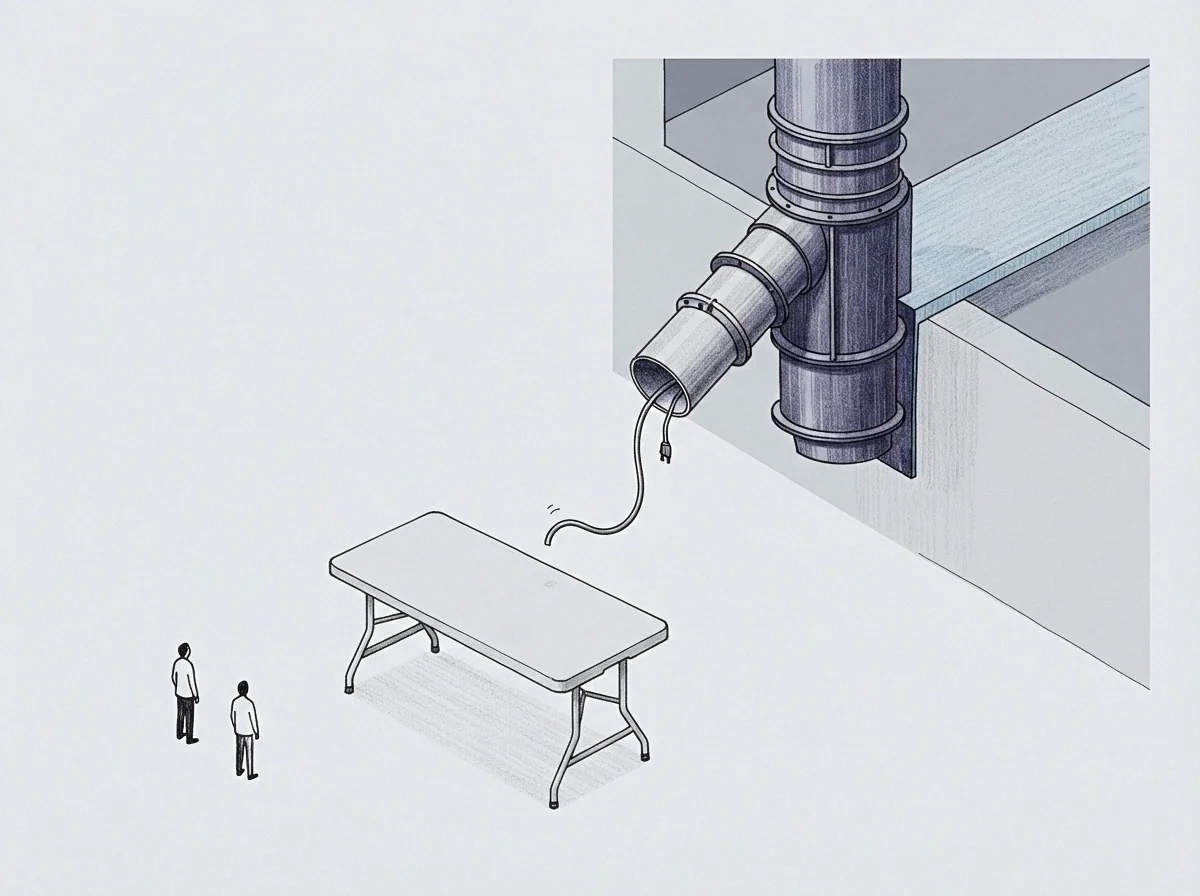
Every operational system possesses a drainage sump where uncomputed organizational debt settles. In physical plants, liquid runs downhill to the lowest depression. In organizations undergoing structural overhaul, operational friction flows directly toward whatever tier lacks the programmatic agency to refuse it.
This collector is frequently the site reliability team, the shared platform cluster, or manual configuration maintenance queues. Teams celebrate the modularity of updated microservices without calculating the labor hours spent reconciling divergent schema versions by hand every Tuesday morning.
The accumulation of friction acts as an unmonitored potential reservoir. When restructuring processes run without pause, platform teams spend their entire operational margin simply containing the ambient spray from upstream architecture shifts. Capacity to construct durable automation drops to zero, turning platform operators into human shock absorbers between mismatched software versions.
- Upstream migration velocity dictates the volume of breaking schema changes pushed down toward unversioned consumer APIs.
- Manual reconciliation latency expands linearly until incoming change velocity exceeds the platform team’s total operational labor budget.
- Silent schema drift introduces corrupt states into auxiliary analytics stores before validation alarms activate.
The system routes around the unaddressed architectural contradiction. It assigns four senior platform engineers to run manual database scripts behind closed doors while leadership reviews slides detailing organizational agility. The size of the sump measures the true scale of what the current architectural plan refuses to confront directly.
Everything functions smoothly provided the engineers on the platform desk keep handling the synchronization exceptions manually.

Verge
Operational Thresholds and Catastrophic Decoupling
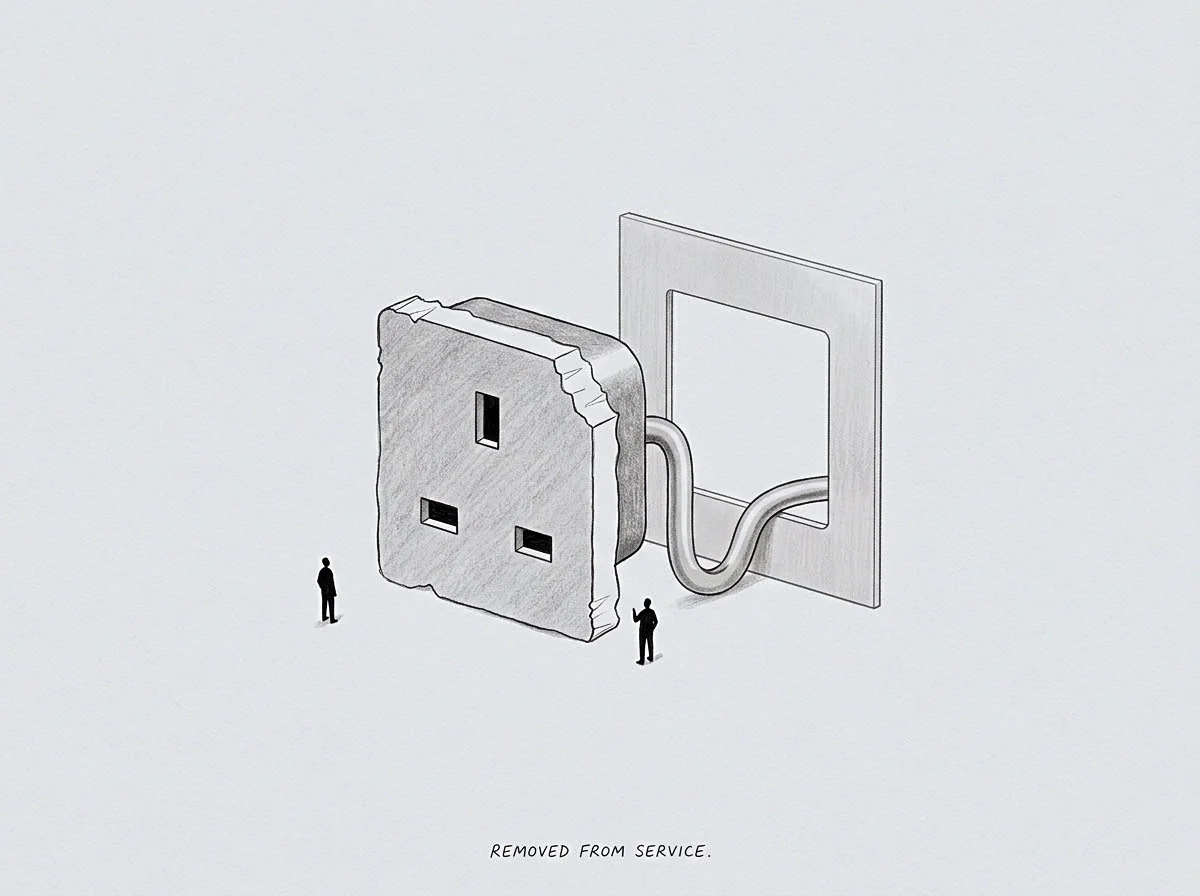
Systems undergoing non-stop infrastructure changes exist perpetually near phase boundaries. A phase boundary marks the border where gradual, continuous quantitative metric changes convert into rapid qualitative system transformations. In mechanical structures, thermal stress expands metal gradually until the beam shears completely at the rivet line.
In continuous infrastructure modernization, microservice connection limits behave identically. Teams observe minor latency bumps month after month during cloud restructuring, until a single network hiccup initiates a systemic cascading collapse across forty interrelated applications.
This failure mode derives from metric hysteresis. Under hysteresis, the path a system takes when degrading does not match the path required to restore it. Once cascading pod evictions begin inside a shared container orchestration layer, dropping customer traffic to zero does not immediately restore stability.
The recovery process requires manual cold boots of circular authentication dependencies. The metrics describing operational health decouple entirely from underlying infrastructure availability during the breakdown.
Cascading operational failures demonstrate complete hysteresis between degradation vectors and recovery paths.
Restructuring without operational stabilization windows pushes systems past the verge of recoverable equilibria. Capacity margins erode silently while dashboards display localized optimization victories. Leadership continues to mandate architectural migration targets, unaware that the physical buffer between daily operation and systemic instability has shrunk to nothing.
Whether an infrastructure boundary can maintain stability during continuous re-architecting remains an open question when human coordination latency scales faster than automated error recovery.