
Measuring The Irreversible Decay Of Core Technical Agency Under Prolonged Commercial Retainer Commitments
Commercial retainers decay core technical agency by replacing first-principles system architecture with routine maintenance tasks.
Seat
A senior engineering group completes a twelve-month commercial retainer covering cloud infrastructure operations for an enterprise client. The contract pays thirty thousand dollars every month on the first business day. In exchange, the engineering team guarantees forty hours of availability each week to handle priority incidents, routine system patches, and minor feature additions requested by the client software leads.
On paper, the financial foundation appears ideal. Cash flow stays predictable, software engineers receive competitive compensation, and the commercial risk of running out of runway drops toward zero.
The operational reality tells a different story inside the building. Engineers who spent prior years building custom database engines and distributed consensus layers now spends three hours every afternoon resolving configuration drift across legacy deployment pipelines. The technical backlog contains sixty open operational requests drafted by external product managers.
Every request demands immediate compliance with legacy constraints rather than fundamental redesign. The core engineering team slowly adapts to the operational rhythm of the paying client. Over twelve months, zero novel system architectures enter production from this team.
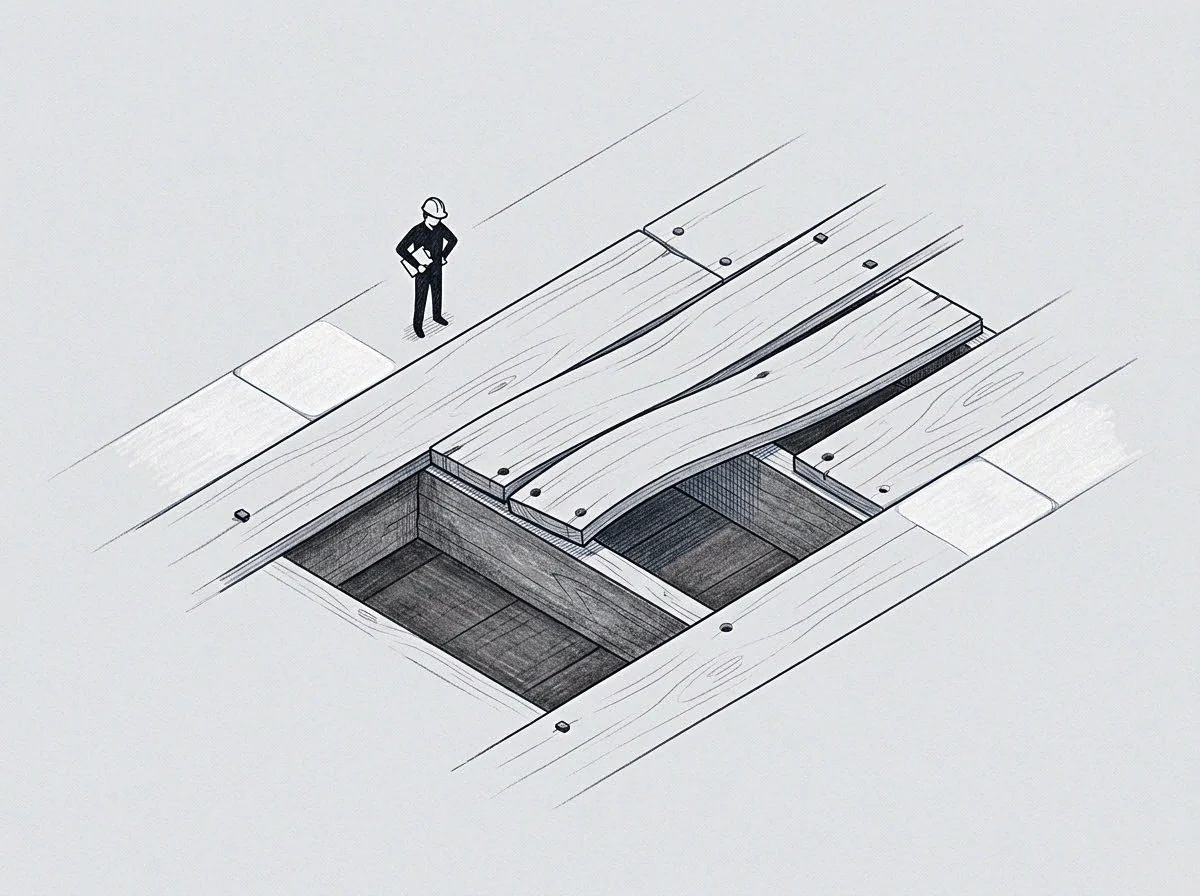
Retainer Commitments and Technical Scope Drift
Commercial retainers alter the incentives of senior technical teams through steady financial guarantees. When an engineering organization accepts monthly retainer fees, the underlying agreement shifts priority toward system availability and rapid issue resolution. The client pays for continuity.
High availability work prioritizes risk mitigation, strict change control, and minimal disruption to established software workflows.
Technical agency requires continuous engagement with first-principles problem solving. First-principles work involves designing novel database schemas, inventing specialized network algorithms, and refactoring core compilers to eliminate structural bottlenecks. When operational retainers consume available working hours, engineers spend their cognitive energy on external platform integration rather than original execution.
The steady retainer client eventually expects complete operational availability during business hours.
The accumulation of routine maintenance tasks weakens internal technical direction over time. Senior architects become experts in the proprietary tooling of the purchasing organization. The engineering team retains high operational velocity, yet that velocity occurs entirely within boundaries drawn by external managers.
Technical authority over fundamental system design steadily dissolves.
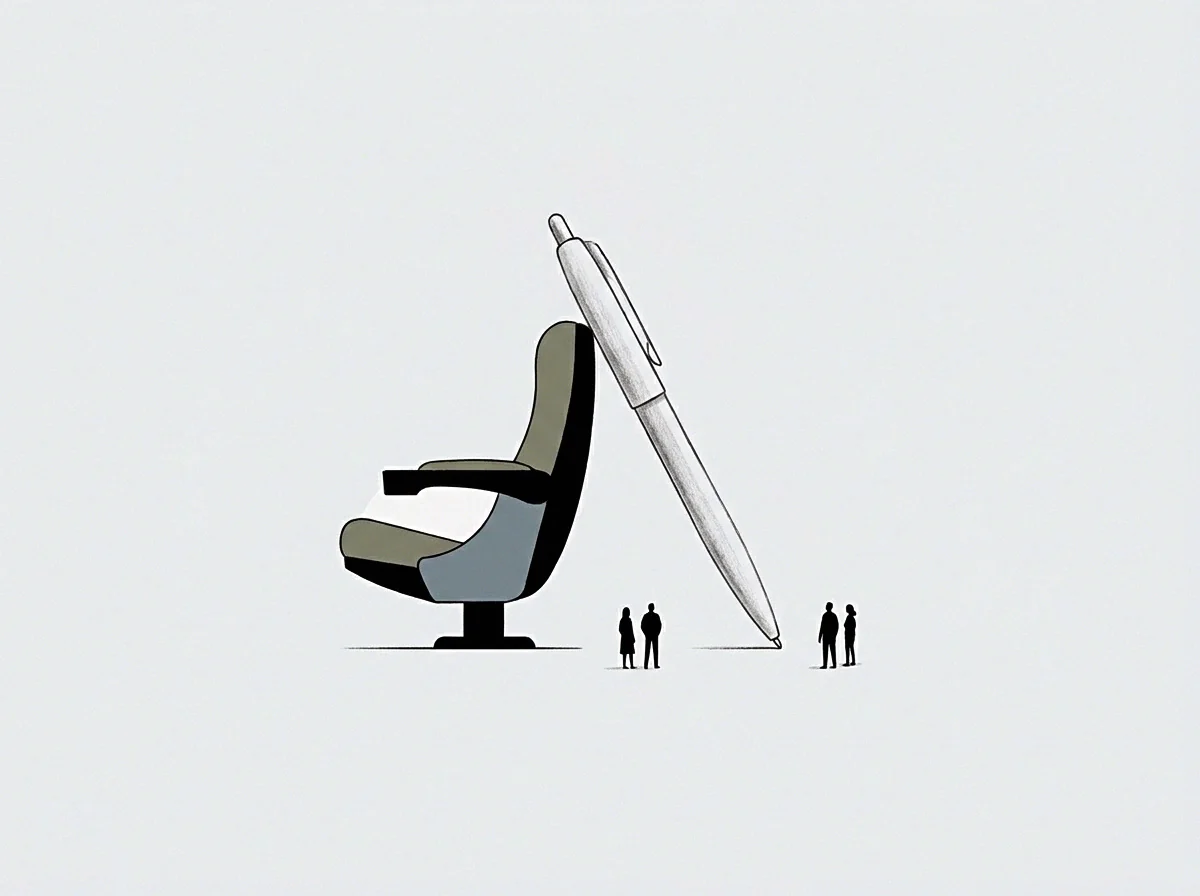
The Shift From Architectural Autonomy to Service Maintenance
Contractual commitments create a predictable distribution of daily engineering attention. Emergency support tickets preempt long-term research projects. Weekly status syncs replace architectural deep dives.
The engineering calendar fractures into half-hour fragments dictated by external stakeholder meetings.
This operational transition happens without explicit conflict. The financial stability of the retainer masks the gradual loss of technical autonomy. The organization pays salaries on time, maintains healthy margins, and retains a satisfied commercial counterparty.
The internal capability vector, however, flattens completely. The team loses the habit of building complex systems from zero.
The purchasing manager notes that the external engineering team handles support tickets far faster when total access to their daily calendar is maintained throughout the billing cycle.

Erosion
The decay of technical capability under commercial retainers operates as an unmeasured capability loss. Technical agency consists of three distinct components: architectural autonomy, first-principles problem formulation, and execution velocity on novel domains. When a commercial arrangement locks an engineering firm into fixed maintenance outputs, each component degrades along a distinct timeline.
Architectural autonomy disappears first. In a retainer agreement, the client holds the authority to define project goals and system boundaries. The retainer engineering team acts as an execution engine for external directives.
Over consecutive billing periods, engineers stop evaluating whether a requested feature should exist. The team focuses exclusively on how quickly the feature can be deployed within the client codebase.

Deconstruction of Core Technical Agency
The loss of first-principles problem formulation follows architectural autonomy. Novel system building demands deep focus, high tolerance for technical ambiguity, and the willingness to accept project failure during early exploratory phases. Retainer environments penalize ambiguity and failure.
The client measures value by system uptime, rapid ticket resolution, and adherence to established delivery schedules.
The team gradually replaces foundational problem solving with shallow integration work. Engineers assemble third-party cloud tools, configure managed vendor services, and write translation layers between incompatible external services. Capability in foundational software engineering atrophies from disuse.
- Architectural Passivity occurs when senior engineers default to client-specified frameworks without assessing underlying performance trade-offs or technical suitability.
- Domain Atrophy develops as technical staff forget how to construct custom networking tools, storage layers, and algorithmic engines due to years of exclusively relying on pre-built cloud products.
- Contextual Trapping emerges when an engineering group becomes hyper-specialized in a single client legacy environment, rendering their skills non-transferable to modern technical stacks.
- Estimation Degradation happens when engineers lose the capacity to accurately estimate complex, original technical builds after years of executing predictable support tickets.
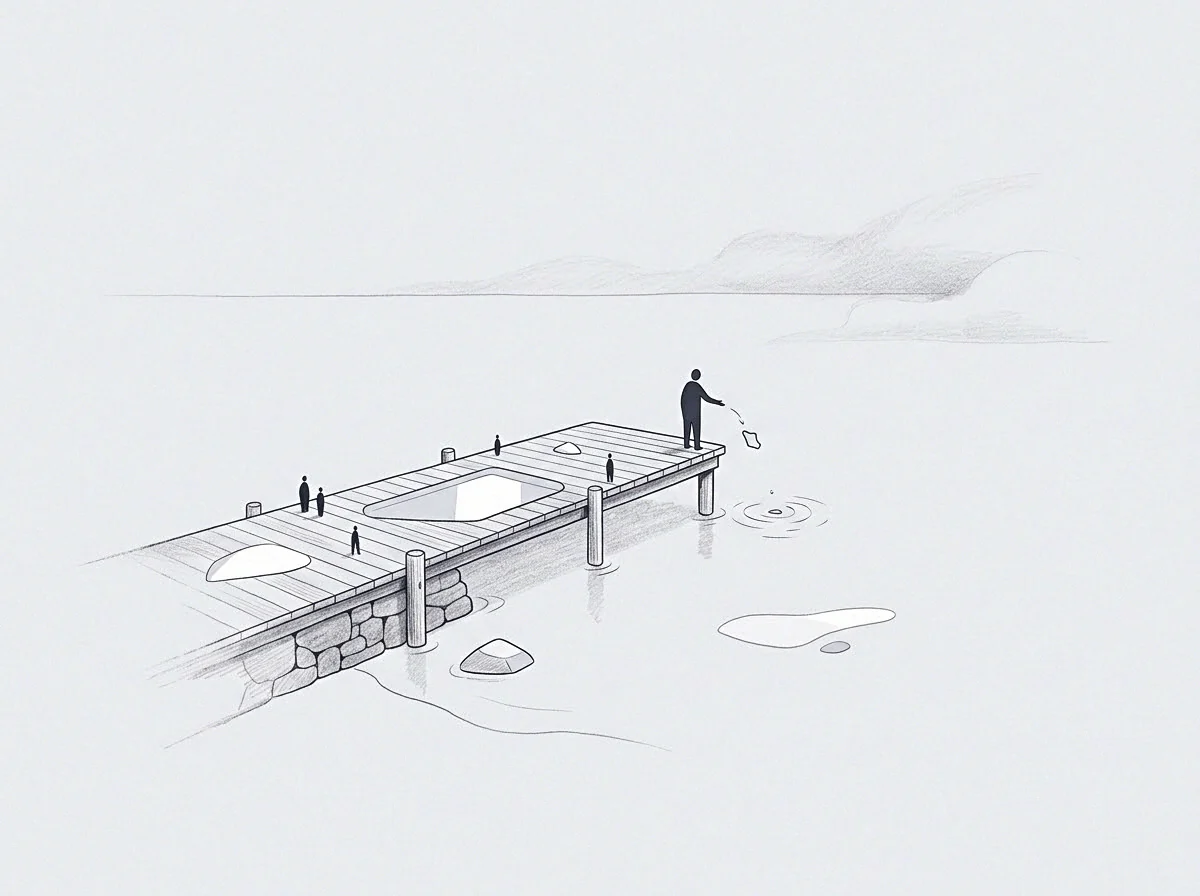
Attentional Allocation and Cognitive Atrophy
Human technical capability requires deliberate practice in high-complexity environments. Cognitive science research demonstrates that high-level problem-solving skills degrade rapidly when an individual engages primarily in routine execution tasks. The brain optimizes for the daily cognitive load.
When daily tasks consist of configuration management and minor updates, the capacity for high-abstraction mental modeling diminishes.
Shallow technical maintenance consumed over years replaces original system design habits with derivative vendor integration routines.
Operational retainers introduce constant context switching. A software engineer working on an internal core database engine gets interrupted by high-priority client alerts. The switching cost between deep architectural focus and operational support is high.
Research on task interruption demonstrates that returning to a state of deep focus after an operational alert takes over twenty minutes. Multiple interruptions per day permanently restrict an engineer to surface-level execution.
The long-term consequence of this environment is permanent agency loss. The team becomes unable to pitch, design, or execute complex original software projects independent of external client guidance.
Gradient
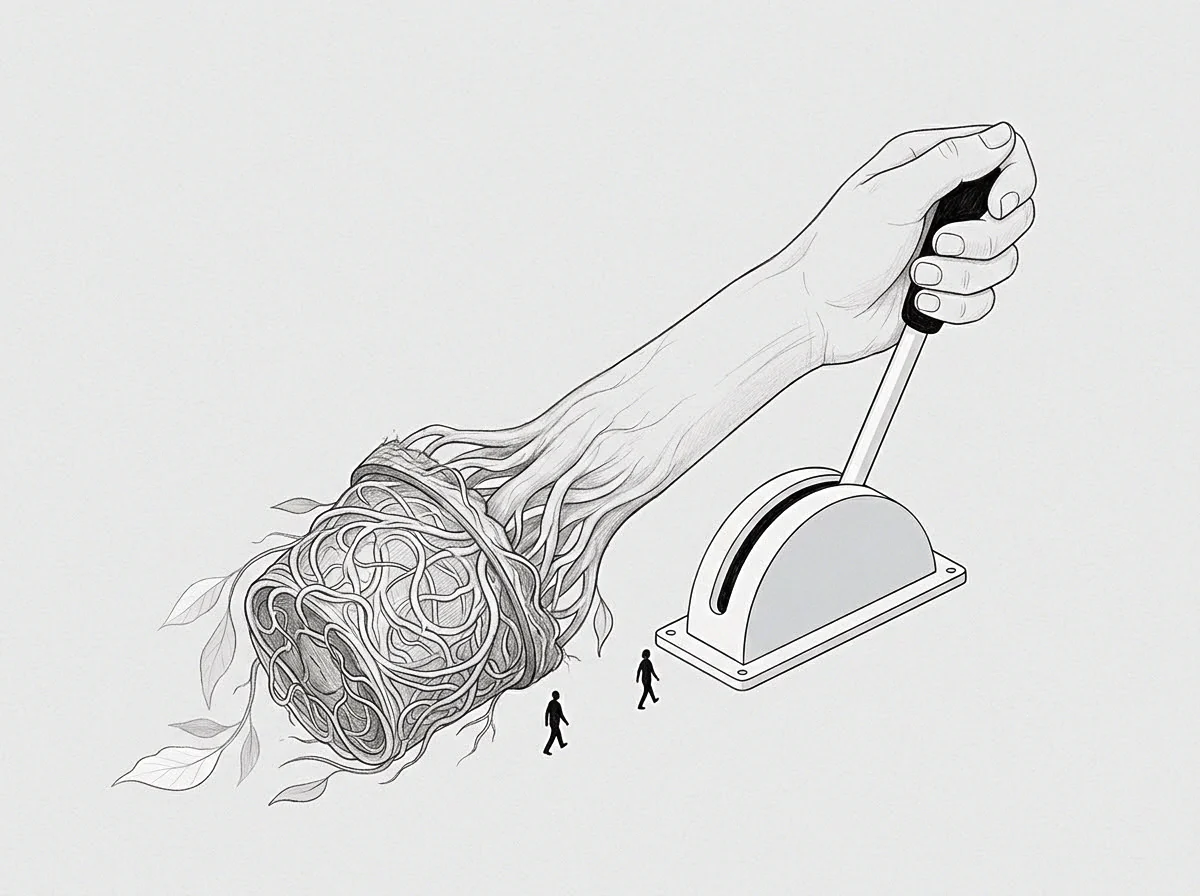
Quantifying the decay of technical agency demands measuring the gap between cardinal financial returns and ordinal capability vectors. Cardinal financial returns are easy to track. A firm records revenue, gross margin, and account expansion figures on an monthly basis.
Ordinal capability vectors measure the relative strength of an engineering team to execute high-complexity design relative to past performance.
When an engineering firm prioritizes cardinal revenue from retainers, the ordinal capability vector often trends downward. The firm trades long-term technical positioning for short-term financial safety. Measuring this decay requires tracking specific operational metrics over extended time windows.
Does Prolonged Retainer Revenue Permanently Alter Technical Risk Appetite?
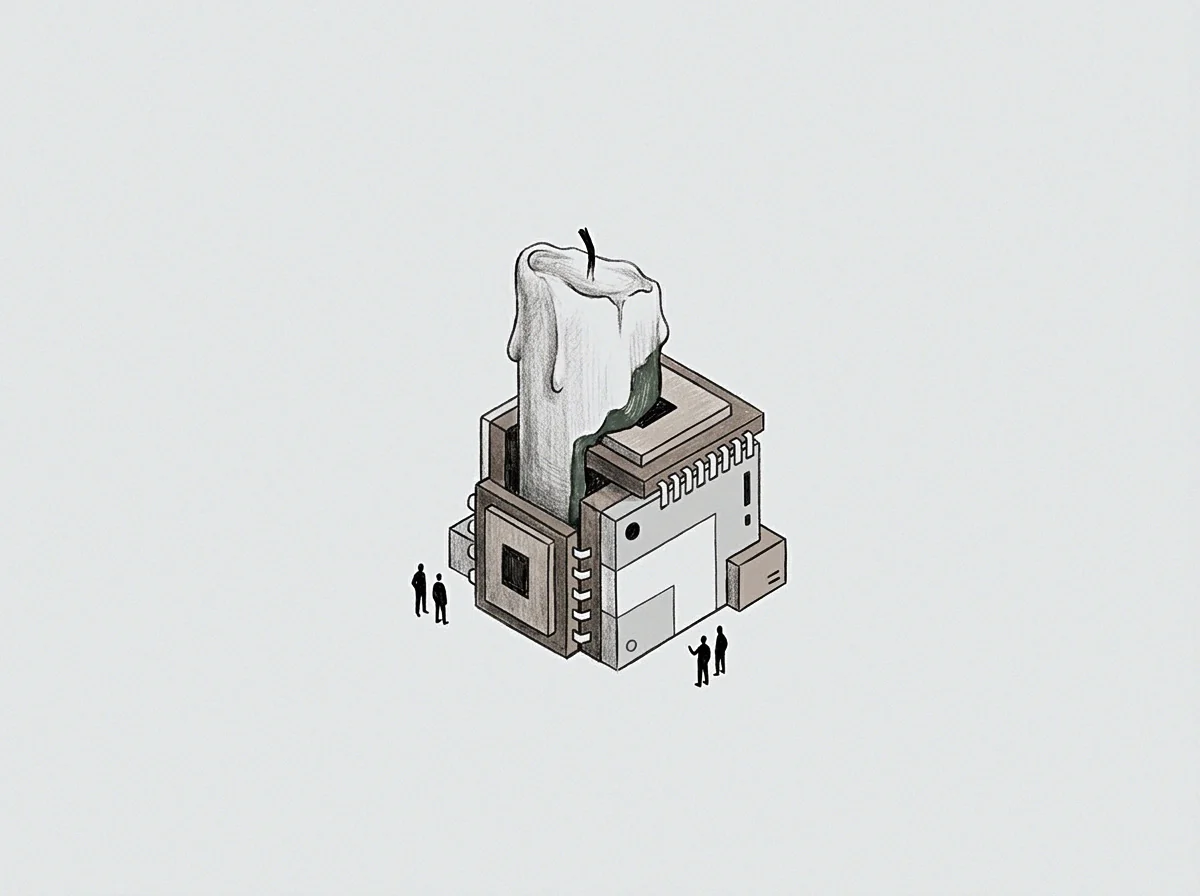
Guaranteed retainer revenue changes how an engineering team evaluates technical risk. In a high-agency technical environment, engineers take structural risks by testing unproven algorithms, developing proprietary infrastructure, or refactoring legacy architectures to achieve order-of-magnitude performance gains. Retainer agreements punish structural risk.
A failed technical experiment under a retainer contract risks client satisfaction and threatens predictable recurring revenue.
Studies on organizational risk tolerance show that secure financial retainers convert innovative technical teams into risk-averse operational caretakers. The team systematically avoids complex architectural decisions in favor of safe, incremental updates. Over multiple years, this risk aversion becomes deeply embedded in the engineering culture.
The organization loses the structural appetite to build novel technology products.
Cardinal Revenue Against Ordinal Capability Vectors
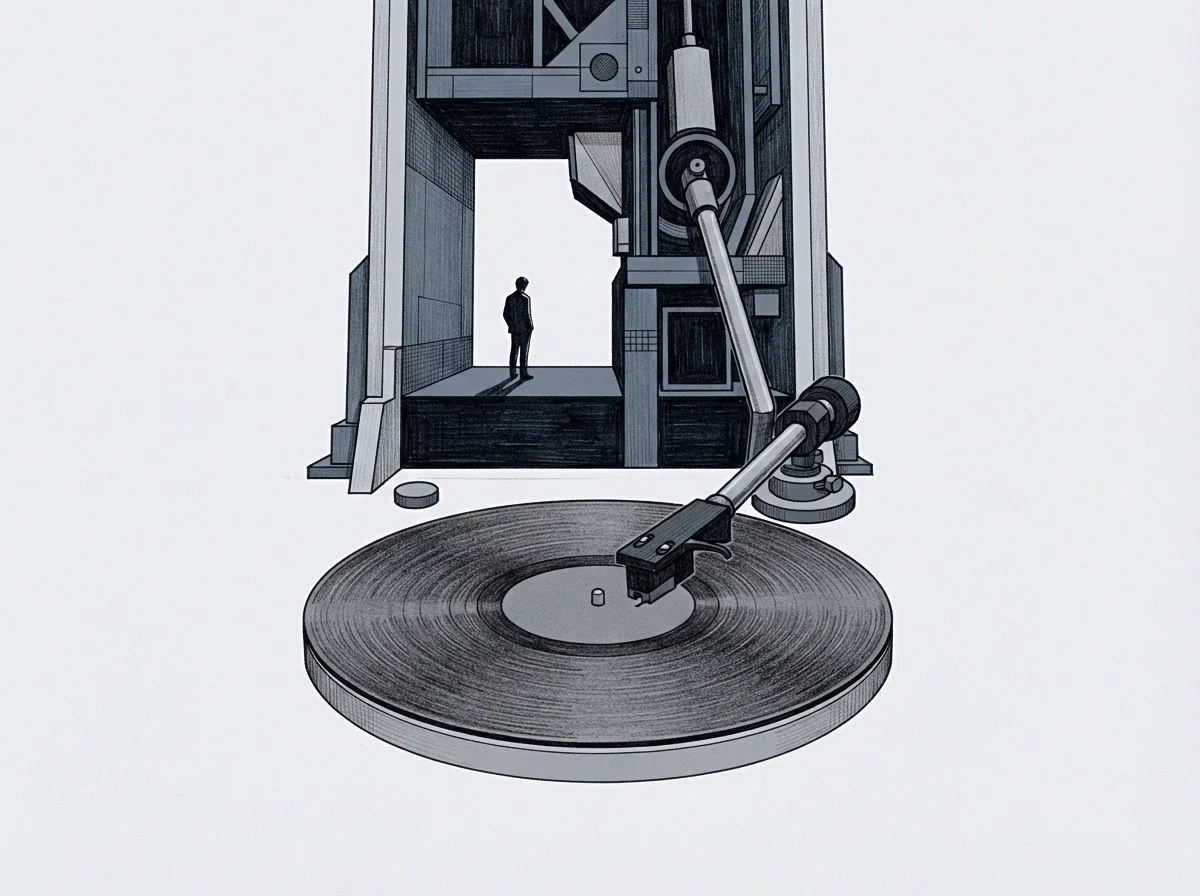
Evaluating retainer health strictly through cash metrics creates a false signal of organizational strength. A company with growing retainer revenue can experience severe technical degradation beneath the surface. To measure this unseen decay, technical leaders track the ratio of internal original code generation against client maintenance code generation.
Consider an engineering team of ten senior developers over a three-year period. In year one, sixty percent of engineering hours go to building internal open-source tools and proprietary core infrastructure, while forty percent support commercial clients. By year three, under growing retainer demands, ninety percent of engineering hours belong to client ticket maintenance.
The cardinal revenue metric shows fifty percent growth across the three years. The ordinal capability vector shows severe regression. The team can no longer build complex original systems without external structural assistance.
Empirical findings in software engineering research indicate that technical teams engaged primarily in maintenance activities for over twenty-four consecutive months demonstrate a statistically significant drop in their ability to solve novel algorithmic problems within timed benchmark tests. This finding rests on direct empirical evaluations of software developer output across multiple enterprise IT environments. The result holds true across various organizational sizes, provided the underlying work assignment remains focused on legacy support.
If engineering teams receive dedicated research blocks outside client support hours, the observed decline in algorithmic performance slows substantially.
Financial stability gained through maintenance contracts obscures the continuous decline of internal engineering capability.
Evaluating internal capability requires declaring baseline operational assumptions. Assume an engineering organization maintains a seventy percent retainer allocation across a thirty-six month contract window. The firm generates high predictable profits throughout the period.
The team attempts to launch an original software product in month thirty-seven. The project fails to ship because the engineering staff no longer possesses the muscle memory for end-to-end product architecture.
A central question remains unaddressed by commercial operators: at what exact threshold of retainer allocation does the decay of core technical agency transition from a reversible skills deficit into a permanent structural incapacity?
Margin
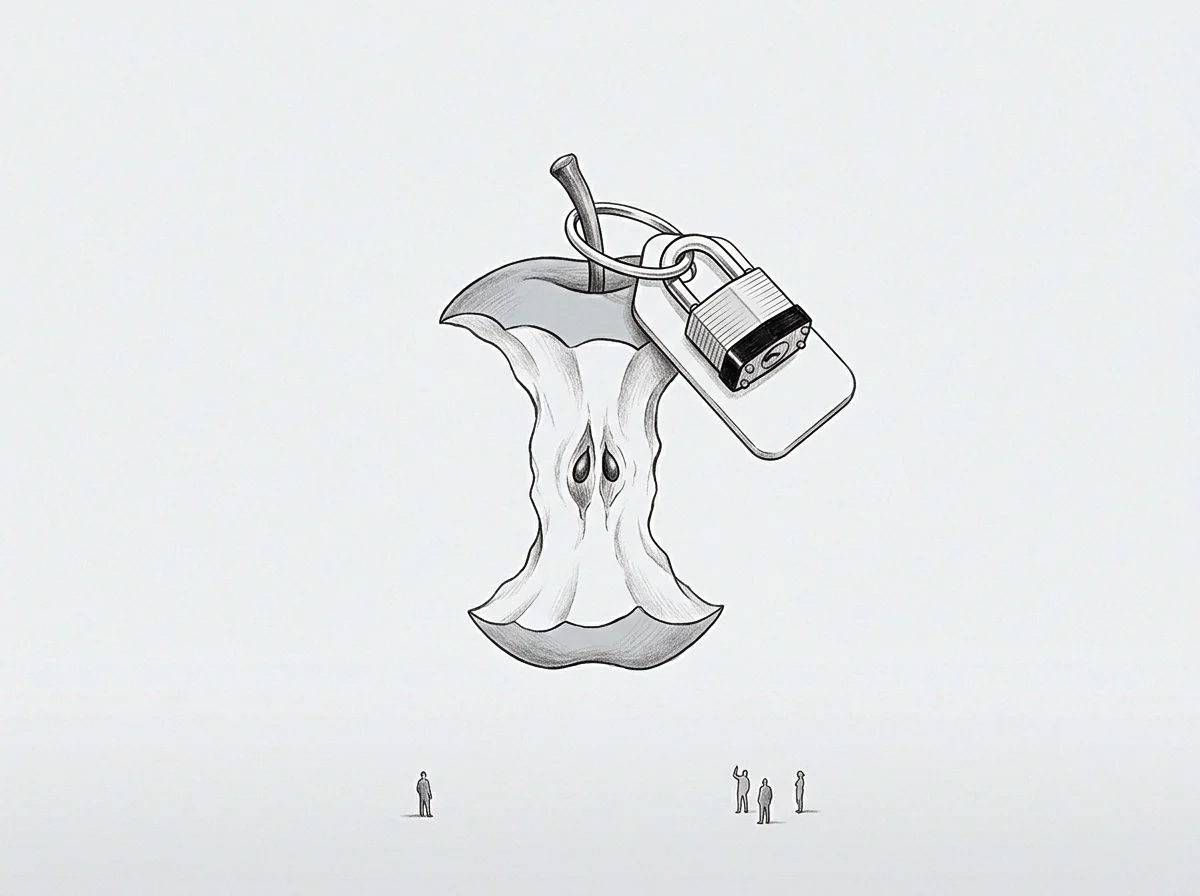
Preventing agency decay requires evaluating different commercial retainer structures. Contracts vary widely in how they allocate developer hours, structural risk, and architectural autonomy. Choosing the wrong contract model accelerates technical atrophy, while structured retainer models preserve core capability.
The traditional time-and-materials retainer carries the highest agency risk. In this model, the client purchases raw developer hours, assuming direct control over daily tasks. The client treats external developers as flexible staffing additions.
The technical team surrenders all architectural direction, functioning purely as execution capacity.
Comparative Evaluation of Commercial Engagement Models
Different commercial arrangements create distinct technical capability trajectories over time. Comparing these arrangements highlights the trade-offs between steady income and the preservation of core technical agency.
| Engagement Model | Capacity Allocation | Agency Decay Rate | Architectural Control | Cardinal Yield |
|---|---|---|---|---|
| Time and Materials Retainer | 100% Client Directed | Rapid (12-18 Months) | External Client Holds Control | High Predictable Baseline |
| SLA-Based Maintenance | 70% Operations / 30% Buffer | Moderate (24 Months) | Shared Operational Scope | Steady Fixed Recurring |
| Value-Capped Sprint Retainer | 50% Client / 50% Internal | Low Controlled Rate | Internal Team Retains Direction | Moderate Variable Yield |
| Isolated Research Retainer | Direct Deliverable Output | Minimal Agency Loss | Complete Internal Autonomy | High Value Outcome Based |
The isolated research retainer offers the strongest protection for engineering capability. Under this model, the client purchases a specific technological outcome or research milestone rather than ongoing developer availability. The internal engineering team maintains complete freedom over how to solve the problem, what tools to use, and how to structure the architecture.
The team sharpens its first-principles engineering skills while maintaining commercial solvency.
Contractual isolation of internal research hours prevents client operational support from consuming core engineering capacity.
Transitioning from staff augmentation retainers to outcome-based contracts alters the power dynamic between client and vendor. Outcome-based work requires the client to trust the technical authority of the engineering team. It forces the engineering team to accept execution risk in exchange for total control over system design.
Inserting a mandatory forty-percent capacity isolation clause into commercial agreements explicitly reserves engineering hours for original internal development.
Bound
Arresting technical decay demands strict structural boundaries inside commercial agreements. An engineering organization must design internal operational barriers that insulate core developers from client operational creep. Without formal boundaries, commercial retainers expand until they occupy all available working hours.
The first structural intervention requires isolating team roles. Developers assigned to internal product development must remain completely separate from daily client support operations. Rotating engineers between client maintenance and original research fails.
Context switching costs destroy deep concentration, and support emergencies inevitably invade research blocks.
Structural Controls to Preserve Engineering Autonomy
Engineering leaders implement explicit operational rules to maintain high technical agency despite ongoing retainer commitments. These controls operate at both contractual and internal execution levels.
- Enforce strict contractual boundaries that restrict client contact to designated project managers during specific daily windows.
- Cap total commercial retainer commitments at maximum fifty percent of total organizational engineering capacity.
- Mandate quarterly technical audits where senior architects present original system designs built entirely within the organization.
- Terminate client retainers that refuse to allow modern tech stack migration or demand perpetual support for legacy platforms.
Contractual Isolation of Core Research Capacity
Long-term technical health requires treating internal capability as an unalterable business requirement. When a client requests additional retainer hours, management rejects the expansion unless it fits within predetermined structural limits. Protecting the internal capability vector takes precedence over short-term account growth.
Commercial retainers provide financial stability, yet that stability turns toxic when it destroys the capacity to innovate. Technical agency is difficult to build and remarkably fast to lose. Once an engineering team loses its habits of first-principles thinking and complex architectural execution, rebuilding those capabilities takes years of deliberate effort.
Engineering agency remains viable only when core research capacity is systematically protected from the daily demands of commercial maintenance.