
Preserving Cash Balances During Sudden Revenue Contraction Events
Preserving cash balances during sudden revenue contraction requires immediate expense freezing, aggressive receivable collection, and ring-fencing statutory reserves.

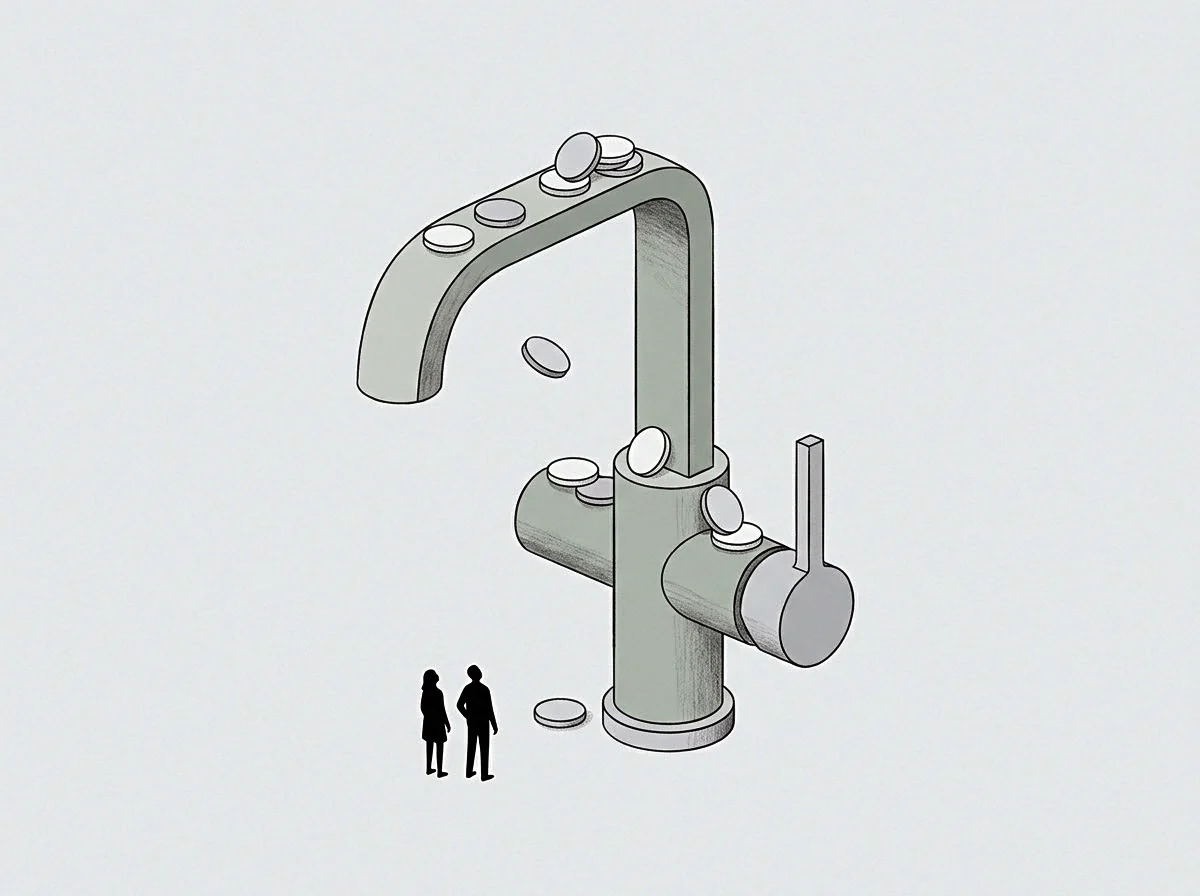
Siphon
Accounting loss measures the difference between booked revenue and accrued expense across a standard reporting interval, while cash contraction velocity measures the physical rate at which liquid depository balances leave an enterprise. The two metrics move on different axes. A ledger often records an accounting surplus during the identical thirty-day window in which operating accounts deplete toward zero, because receivables age past ninety days while payroll liabilities clear on fixed calendar intervals.
In a sudden contraction event, gross receipts drop faster than scheduled cash disbursements, creating an immediate liquidity differential. Survival during this interval depends entirely on arresting the outward movement of currency before reserves reach the operational floor.
Every commercial enterprise maintains an ordinal burn profile that ranks outward payments by contractual enforceability, operational consequence, and settlement latency. Cardinal figures on an income statement obscure this ordering by summing diverse obligations into aggregate monthly totals. When receipts contract by forty percent inside a single quarter, aggregate planning hides which specific disbursements drain reserves within forty-eight hours and which liabilities permit delayed settlement without terminating core operations.
Liquid preservation demands decomposing disbursements into distinct vectors containing dollar volume, settlement speed, counterpart recourse, and internal operational drag.
When operating receipts fall faster than trade credit expands, depository solvency declines on an exponential curve determined by fixed disbursement schedules.
Liquidity contraction arrives through distinct operational channels that compound one another if unaddressed.
- Disbursement compression represents the formal postponement of non-payroll liabilities through negotiated extensions, restructured vendor agreements, and suspended discretionary services. Counterparties frequently accept extended terms when communicated before payment defaults occur.
- Receivable acceleration forces immediate settlement of outstanding client billings through early settlement discounts, daily collection monitoring, and short-cycle factoring arrangements. Capital arrives days ahead of standard contractual cycles through direct financial concessions.
- Capacity idling halts secondary operational pipelines to eliminate direct consumption of inventory, utility overhead, and outsourced contractor fees. Idled production lines preserve cash reserves without legally extinguishing corporate assets.
The speed of a liquidity response matters more than precision in forecasting future sales receipts. Historical revenue models fail during macro disruptions or major account cancellations because past collection patterns assume counterparty solvency that no longer holds. A founder who waits thirty days to collect additional variance data absorbs two full payroll cycles of unrecoverable capital outflow.
Depletion compounds daily. Early intervention preserves operational autonomy before outside creditors dictate liquidation terms.
A delayed recognition of operational contraction inevitably forces an emergency capital raise at ruinous valuation discounts or total equity surrender.
Clamp
Halting outgoing cash demands an immediate classification of every expense into survival tiers. Operational expenses fall into fixed obligations with immediate legal penalties, direct variable inputs required to service existing paying accounts, and deferrable overhead that provides no immediate cash return. Trade payables, software subscriptions, real estate leases, and secondary consulting retainers belong to the final tier.
Freezing these secondary outflows immediately lowers the daily cash burn rate without halting fulfillment for current cash-generative customers.
Immediate Expense Triage Sequences
Contractual commitments contain latent negotiation leverage during broad market downturns. Commercial landlords, enterprise software providers, and material suppliers face the choice between receiving partial disbursements on modified timelines or absorbing total write-offs inside formal insolvency proceedings. A structured outreach program secures ninety-day payment moratoria or converted variable-fee structures across major vendor contracts.
Cash stays inside company depositories during the critical adjustment window.
Discretionary expenditures drop to absolute zero. Software licenses sit idle across dormant seats. Discretionary marketing budgets pause until unit economics reflect altered customer acquisition costs and lower lifetime values.
Field research on organizational adaptation under economic shocks indicates that firms executing deep operational cuts inside the initial fourteen days retain three times the depository reserves of peer firms attempting phased weekly reductions across six months.
Postponing trade payables before payment dates preserve working balances while vendor relationships renegotiate under distress.
Personnel costs dominate modern service and technology balance sheets. When revenue contracts by half, headcount reductions become unavoidable arithmetic. Delaying workforce adjustments out of sentimental loyalty consumes the remaining capital required to maintain a viable core team.
Severance obligations consume immediate cash, requiring structured payment plans where labor regulations permit. The remaining workforce must align exclusively with debt collection, operational continuity for retained clients, and direct cash generation.
The operational cost lands on team capacity and founder attention.
The other party in the vendor arrangement expects frank disclosure of liquidity limits alongside a realistic proposal for partial payments over an extended calendar.
Outflow
Operating disbursements move outward through automated clearinghouse transfers, credit facilities, and wire authorizations that run on fixed schedules unless manually terminated. Treasury management shifts from passive reconciliation to active daily clearance under acute fiscal contraction. Finance teams review every individual invoice before release, verifying that the associated deliverable directly supports a paying account or satisfies an unavoidable regulatory requirement.
Unchecked automated billings steadily drain operating capital.
Active Collection Protocols
Receivables represent the fastest domestic source of non-dilutive liquidity when collected aggressively. Customers experience their own liquidity pressures during general market disruptions, creating a structural incentive to delay remittances to external suppliers. Invoicing cycles must contract from thirty-day intervals to weekly or milestone-based billings.
Offering a five percent discount for settlement within forty-eight hours converts aging receivables into immediate depository funds, trading gross margin for balance sheet security.
Credit collection becomes an hourly executive duty. Daily aging reports replace monthly financial summaries. Accounts past due receive immediate telephone escalation, followed by formal demand documentation and potential delivery halts on pending orders.
When counterparties display chronic insolvency risk, partial recovery through structured settlement plans beats speculative litigation that consumes legal fees without guaranteeing balance replenishment.
Depository survival depends on enforcing collection cycles faster than vendor disbursement clocks clear bank accounts.
Banking relationships require proactive management to prevent sudden credit line revocations. Commercial lenders evaluate covenant compliance on trailing financial performance, creating exposure to technical defaults as receipts decline. Establishing direct operational dialogue with credit officers before covenant breaches occur permits structured waiver negotiations, temporary debt service holidays, or interest-only payment periods that protect immediate depository liquidity.
Creditors freeze revolving credit facilities without warning when financial reporting shows uncommunicated covenant defaults.

Split
Preserving solvency requires evaluating capital allocation across competing operational priorities under severe fiscal stress. Balancing structural reduction against business continuity involves distinct trade-offs between cash preservation, team capacity, and future enterprise recovery. The decision matrix hinges on distinguishing reversible tactical retrenchments from irreversible operational liquidations.
| Operational Dimension | Moderate Contraction | Severe Contraction | Catastrophic Contraction |
|---|---|---|---|
| Workforce Allocation | Hiring freeze and contractor reductions | Targeted structural layoffs in non-revenue units | Retention of minimal core engineering and support only |
| Vendor Obligations | Negotiation of thirty-day term extensions | Structured ninety-day deferrals across major contracts | Conversion of trade liabilities into equity or notes |
| Capital Expenditures | Postponement of all uncommitted asset purchases | Immediate cancellation of active buildouts and tooling | Liquidation of non-core physical and intellectual assets |
| Customer Invoicing | Enforcement of strict net-fifteen day terms | Five percent incentives for immediate wire settlement | Pre-billing full annual service commitments with discounts |
Every operational reduction imposes specific drag on enterprise capability. Eliminating marketing expenditures halts incoming customer leads, dampening future recovery curves even as it extends immediate depository longevity. Terminating research and development teams risks technological obsolescence over multi-year horizons.
The executive task balances immediate cash survival against the operational baseline required to deliver contracted commitments once demand stabilizes.
Cash conversion cycles determine how long an organization survives under reduced top-line volumes. When operational cycles turn negative, the enterprise requires fresh capital injections to service historical debts. Preserving cash balances allows leadership to redesign service delivery models, renegotiate core unit costs, and identify sustainable operational margins suited to the lower revenue plateau.
The explicit clause granting lenders sweeping depository sweep rights upon a covenant default shifts all remaining cash control to outside institutional committees.
Lock
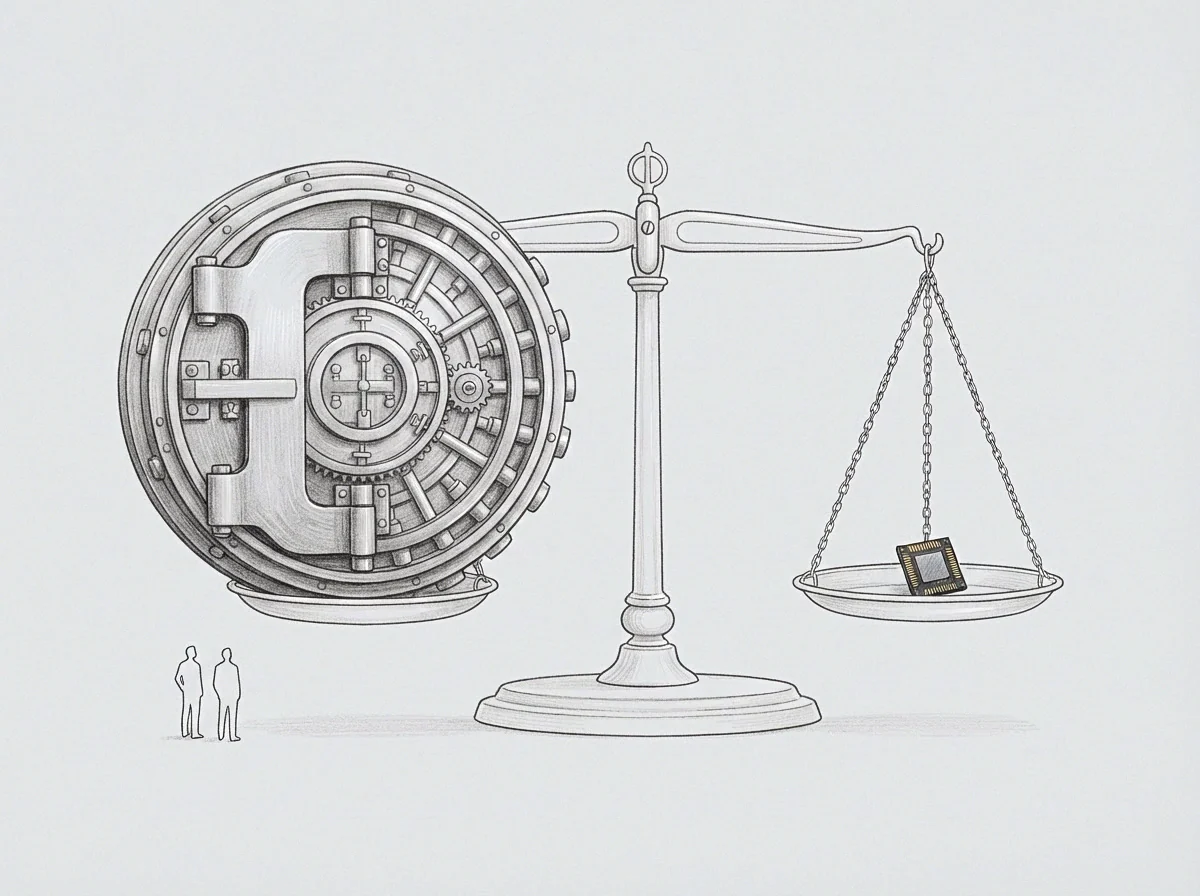
Maintaining financial discipline across an extended downturn requires establishing rigid operational boundaries around existing reserves. Depository balances must separate into isolated accounts dedicated to mandatory payroll taxes, secured debt service, and core working capital. Commingling funds invites operational drift, leading operators to disburse survival capital on secondary obligations.
A dedicated capital lock ring-fences the funds required to wind down operations orderly or pivot toward sustainable cash-positive niches.
Determining the Liquidation Reserve
Every operating business maintains a definitive wind-down baseline representing the total cash required to satisfy statutory severance, statutory employee taxes, commercial lease terminations, and professional liquidation expenses. This figure forms an inviolable floor beneath all financial operations. When depository balances decline toward this calculation, leadership must either secure binding equity commitments, complete an emergency asset sale, or initiate formal insolvency procedures to prevent personal director liabilities.
Operating below the statutory reserve creates personal civil and criminal liabilities for corporate directors under corporate insolvency laws. Fiduciary responsibilities shift from equity holders to creditors the moment an enterprise enters the zone of insolvency. Maintaining a continuous accounting of absolute shutdown costs prevents rogue operational continuation that consumes trust-fund taxes or committed employee compensation.
Capital preservation concludes when operational burn matches adjusted cash collection rates at a sustainable equilibrium point. The enterprise either stabilizes within its reduced operating envelope or executes a structured recapitalization supported by real operating margins. Cash reserves provide the time required to complete structural transitions without surrendering autonomy to external distress buyers.
Depository reserves fall below statutory shutdown obligations when leadership treats wind-down reserves as operating capital.