
Quantifying Capability Loss From Protracted Interruption Shielding In Asymmetric Duty Schedules
Protracted shielding from operational interruptions degrades an engineer's diagnostic capability by severing feedback loops needed to observe runtime variance.
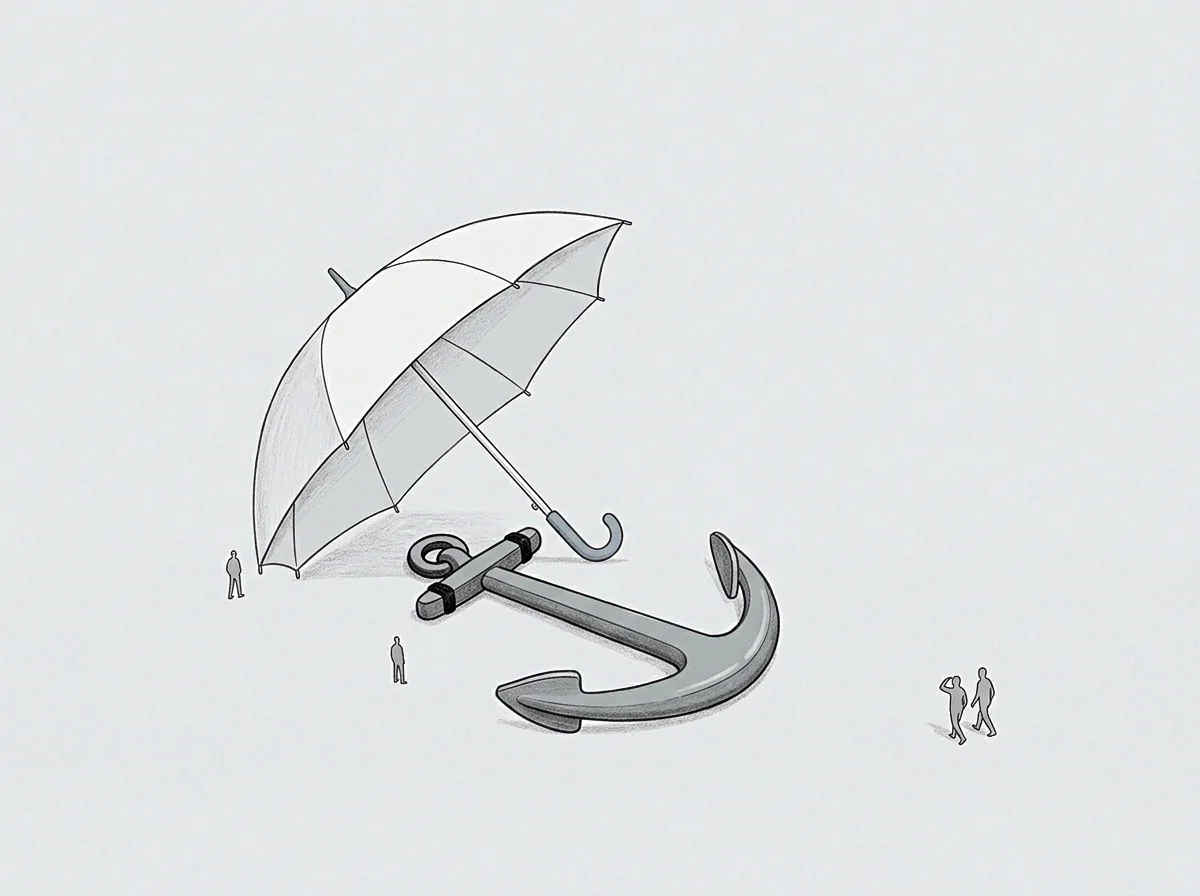
Seat
A builder spends twelve months isolated in a quiet annex while an operational counterpart absorbs every pager alert, infrastructure fault, and customer defect. The arrangement appears efficient on delivery trackers. Feature velocity remains high because continuous stretches of uninterrupted hours stay protected from incoming operational volatility.
The shielded builder writes thousands of lines of architectural code in unbroken silence. The phone stayed dark.
The operational reality of a complex software system rarely matches its static specification. Incoming interruptions carry dense operational data about environmental drift, hardware degradation, downstream dependency alterations, and user behavioral variance. When an engineer operates behind a permanent protective partition, that operational data flows exclusively to the shielding partner.
Interruption shielding establishes an artificial boundary condition where the protected worker interacts solely with idealized system models. Noise contains system state.
Protecting a developer from every operational interruption severs the feedback loop required to observe how abstract code behaves under environmental variance.
The protected builder assumes the codebase functions smoothly because no alarms reach the desk. Meanwhile, the shielding partner accumulates an uncodified, tacit body of operational knowledge regarding where the runtime environment fractures under load. The builder experiences unbroken concentration while the operational counterpart suffers cognitive fragmentation.
The arrangement creates an immediate imbalance in runtime comprehension. The partner in the triage chair eventually asks why the person who authored the service cannot resolve the errors occurring inside it.
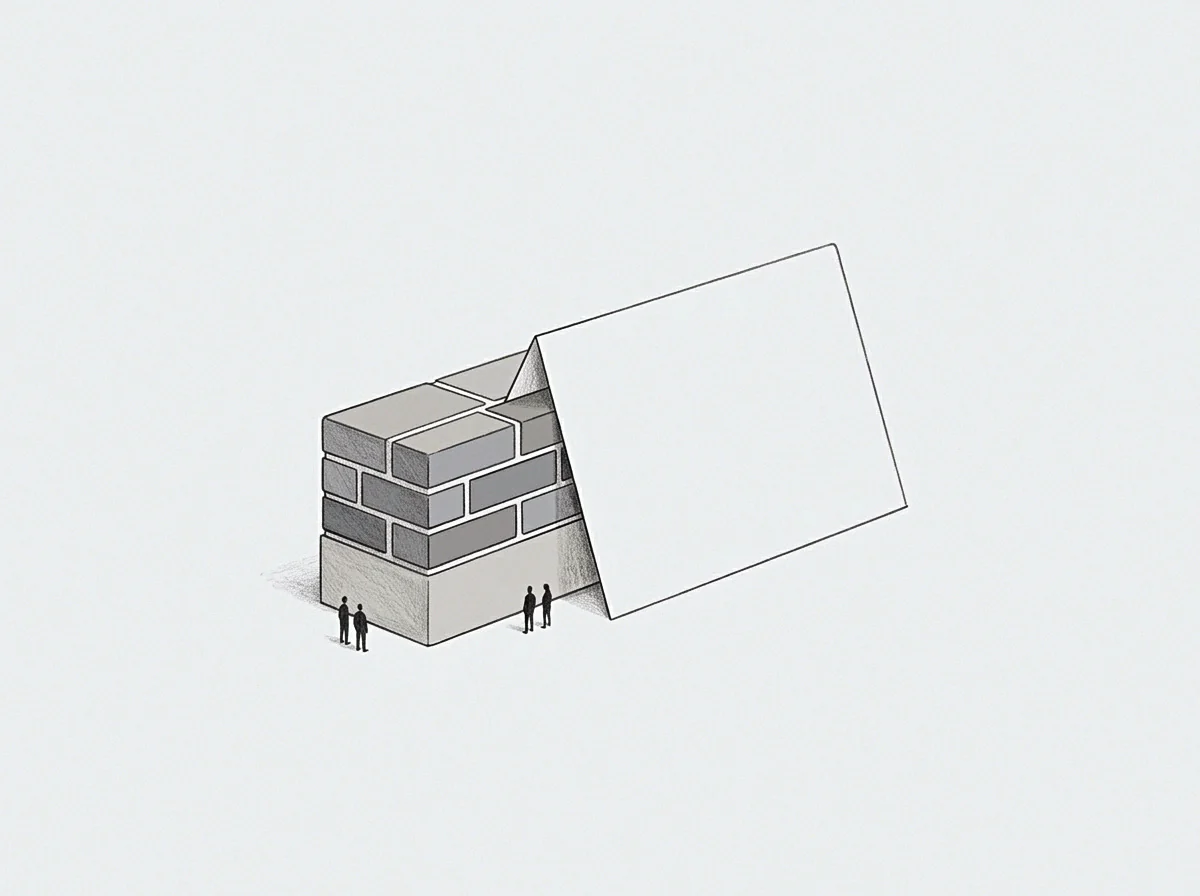
Drift
Operational comprehension degrades through the elimination of negative feedback. When a system author receives zero exposure to runtime failure modes, the internal cognitive map of the production environment ceases to update. Production reality moves forward continuously.
Third-party dependencies revise internal behavior, operating system kernels receive security patches that alter input and output scheduling, and network topologies shift beneath the cluster. The author continues to write code predicated on historical runtime assumptions that no longer apply.
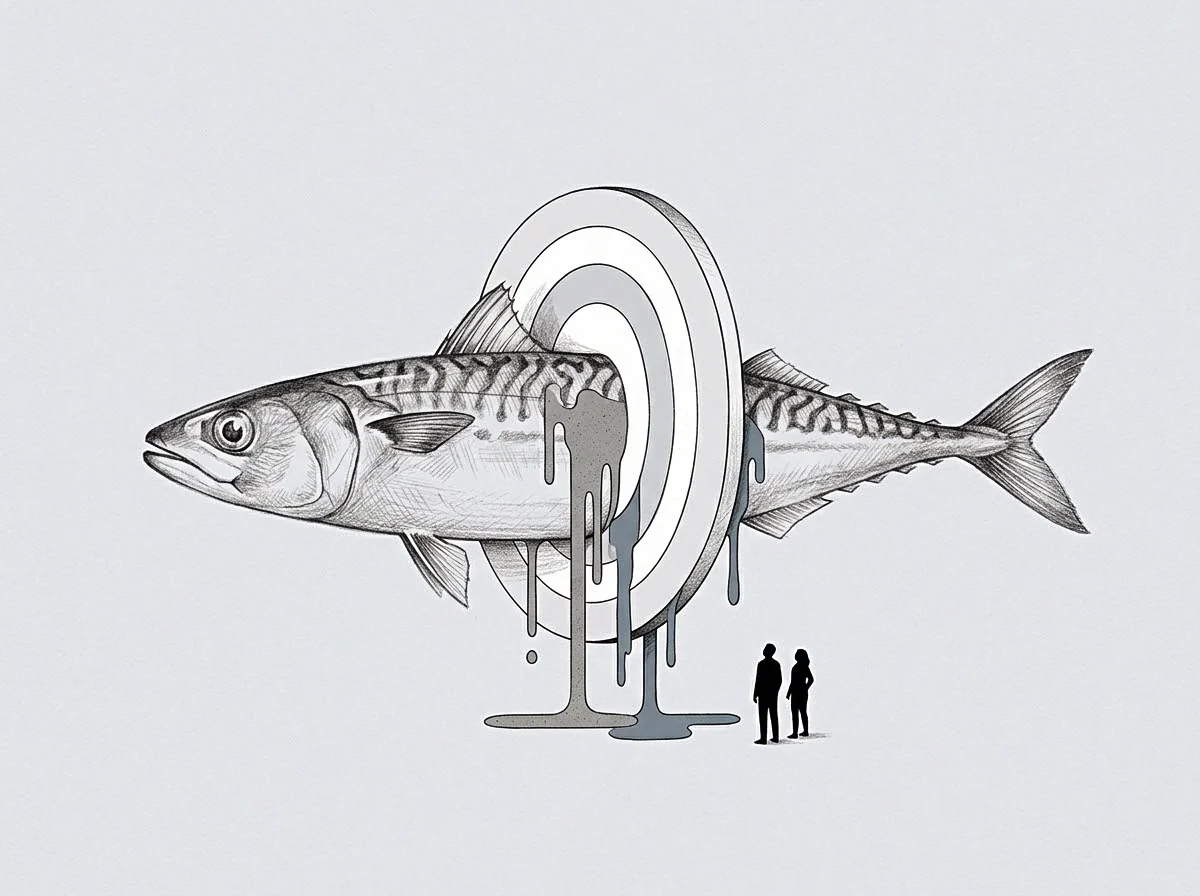
Attenuated Signals in Shielded Environments
The separation of authoring from operating produces environmental decoupling, wherein the conceptual model held by the engineer diverges from actual system behavior. This divergence expands in proportion to the duration of the shielding schedule. A developer isolated for three quarters loses visibility into transient network failures, memory leak signatures under non-standard traffic profiles, and edge-case payload shapes that break downstream parsers.
Capacity degrades silently over time.
The shielded builder interprets the absence of operational escalations as evidence of system stability. Because the shielding counterpart absorbs edge cases manually, the author sees no reason to alter defensive coding practices or refine recovery routines. The author begins viewing operational anomalies as irrelevant trivia rather than essential signals regarding systemic fragility.
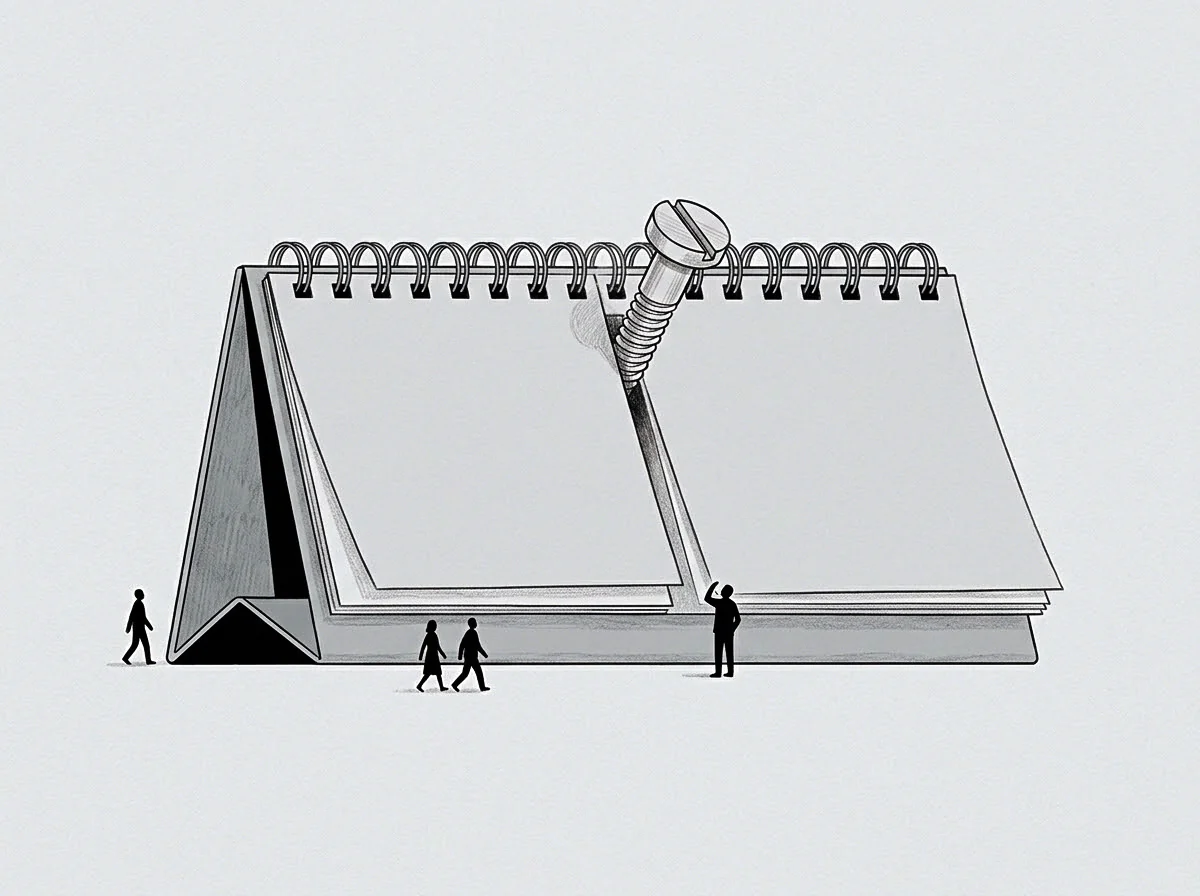
Where Does Environmental Decoupling Surface First?
Diagnostic failure exposes the degradation of the shielded worker before execution metrics show any drop. An isolated builder faced with a distributed latency spike attempts remediation through linear code analysis rather than runtime observation. The engineer hesitates at prompts.
The worker searches for algorithmic regressions in recent commits because the mental model contains only the code itself. The operational reality involves an unannounced socket exhaustion trigger introduced by a cloud provider networking update two weeks prior. The shielding partner identifies the root failure within four minutes because that partner lived through three similar socket anomalies during on-call triage last month.
The shielded engineer requires fourteen hours of static analysis to reach the same conclusion. Diagnostic accuracy drops over time.
A worker isolated from system failures attributes outages to internal code logic while the actual fault resides in neglected runtime environmental shifts.
Prolonged insulation transforms experienced system architects into brittle component implementers. The loss of operational capability leaves the technical organization unable to survive unexpected personnel turnover or sudden operational handovers without catastrophic incident recovery delays.
Gauge
Quantifying capability reduction requires separating gross volumetric output from diagnostic acuity. A shielded engineer often maintains an elevated commit count and completes architectural milestones ahead of schedule. Tracking story points or closed task tickets provides zero visibility into whether the engineer retains the competence to debug the resulting software during an outage.
Measuring the multi-attribute capability vector demands assessing performance across diagnostic latency, error-triage autonomy, and heuristic calibration.
Evaluating this loss relies on tracking operational divergence across specific testing intervals:
- Mean diagnosis duration expands steadily as an isolated author loses intuition regarding production runtime behavior.
- Triage escalation frequency climbs because the shielded engineer requires intervention from operational counterparts on standard failure modes. Two consecutive triage failures indicate systemic model rot.
- Architectural patch regression occurs when new services written in isolation fail immediately upon exposure to uncontrolled traffic.
- Defect localization speed slows down as the author relies on exploratory logging rather than targeted hypotheses.
Consider two engineers who maintain a distributed streaming pipeline over twenty-four months. The first worker takes an asymmetric shielding assignment, authoring analytical primitives in complete insulation from pager duty. The second worker accepts a symmetric rotating assignment, spending every third week addressing operational interruptions, pipeline stalls, and upstream schema violations.
At the twenty-four-month boundary, both engineers are asked to identify a silent data corruption bug caused by an out-of-order event sequence.
The shielded worker examines local unit tests and validates algorithmic sorting logic, spending forty-eight labor hours verifying code correctness without resolving the failure. The rotated worker checks stream partition rebalancing logs within ninety minutes, remembering that cloud broker reconnections induce partition reassignment under heavy load. The second worker resolves the defect in two hours.
The protected schedule hides debt. The apparent velocity gained by shielding the first engineer produced an unmeasured operational capability deficit equal to forty-six hours of incident resolution latency.
Diagnostic intuition develops exclusively through direct contact with unscripted operational exceptions.
Teams that protect senior staff from all operational interruptions exchange long-term institutional resilience for short-term typographic output.
Scope
Asymmetric duty schedules create an uneven distribution of structural context across engineering roles. When organizations establish a permanent gatekeeper to absorb system noise, the shielded role experiences synthetic focus while the gatekeeper role experiences chronic attention fragmentation. The two operational modes generate diverging cognitive capacities across the lifespan of a software platform.
| Evaluation Dimension | Shielded Engineering Seat | Absorbing Operations Seat | Rotational Interleaved Schedule |
|---|---|---|---|
| Systemic Model Accuracy | Low: based on ideal state | High: derived from active failure modes | Balanced: updated via continuous contact |
| Mean Time to Root Cause | Elevated: eight to twenty-four hours | Minimal: fifteen to forty-five minutes | Moderate: one to two hours |
| Uninterrupted Build Blocks | High: thirty-five weekly hours | Extremely low: five weekly hours | Predictable: twenty-five weekly hours |
| Tacit Environmental Intuition | Atrophied across multi-quarter cycles | Concentrated in single individuals | Distributed across entire cohort |
The data demonstrates that permanent shielding concentrates diagnostic capabilities within the absorbing seat while causing catastrophic atrophy in the shielded seat. The rotational schedule avoids this operational trap. Rotational schedules accept small, deliberate decrements in peak typographic output in order to preserve baseline diagnostic competence across the entire engineering cohort.
Operational friction returns upon contact.
Shielded workers who re-enter on-call rotations after protracted isolation experience severe cognitive disorientation. The engineer discovers that internal tools, deployment scripts, monitoring consoles, and failure remediation runbooks evolved significantly during the period of insulation. System models become obsolete fast.
The insulation also distorts economic calculations inside the business. Leaders calculate the monetary cost of engineering time based entirely on project delivery velocity, treating operational interruptions as pure overhead to eliminate. This accounting error obscures the functional reality: interruption triage represents an essential information-gathering mechanism that calibrates engineering judgment against real-world friction.
The question remains whether an engineering organization can accurately price the silent capability degradation of its staff before a catastrophic platform outage forces the calculation into the light.

Reentry
Restoring decayed diagnostic capability demands ending absolute interruption shielding before the cognitive gap becomes irreversible. A transition from permanent insulation to an interleaved operational cadence re-establishes broken feedback pathways between abstract architecture and production behavior. The isolated engineer must re-enter operational rotations through structured, bounded exposure windows rather than sudden emergency assignments.
Re-establishing operational competence involves a phased sequence of mechanical interventions:
- Shadow triage shifts reconnect the isolated author with the live stream of operational exceptions without placing solitary resolution pressure on degraded intuition.
- Author-led post-incident analyses compel the shielded engineer to trace operational failures down to root causes within services they authored.
- Rotational on-call duty cycles distribute the cognitive cost of system interruptions across all team members equally. The author confronts environmental variance directly during every operational cycle.
- Mandatory runbook authorship forces the engineer to codify defensive diagnostic steps for newly deployed platform components.
The operational lead establishes a formal scheduling agreement stipulating that no engineer remains shielded from primary production support rotations for more than six consecutive weeks, ensuring that technical staff confront real-world operational friction before their diagnostic capability atrophies.