
Retainer Margin Deficits From Multi Channel Interruption Overhead
Unbounded multi-channel client messaging creates cognitive switching and triage overhead that consumes unbilled capacity, halving realized retainer margins.
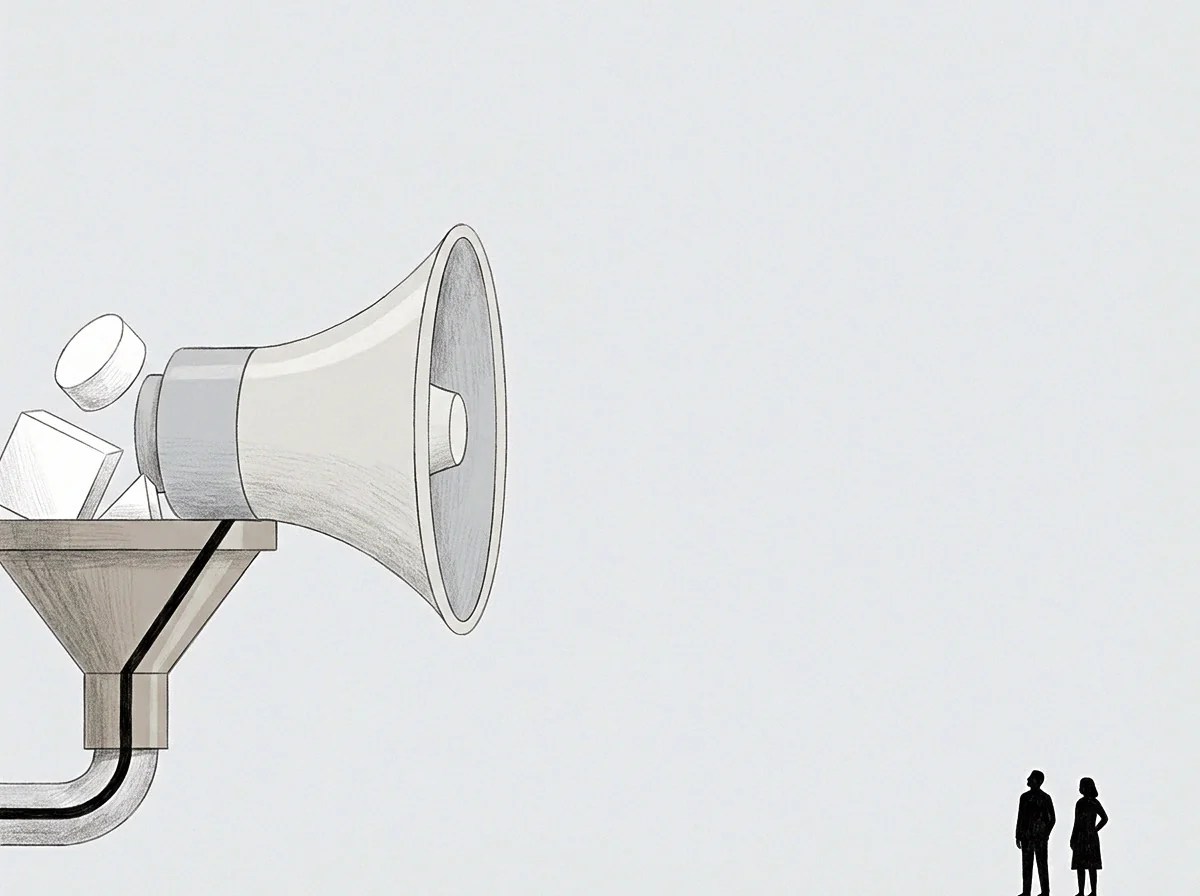
Spill
A retainer agreement sets a fixed fee for anticipated work while leaving the consumption of internal attention open to continuous drain. When client communication scatters across real-time messaging, ticketing portals, direct phone lines, and email threads, the labor of monitoring those inputs often exceeds the labor of execution. Every channel demands ongoing triage.
The operator scans incoming alerts, assesses urgency, checks background context, and decides whether an immediate response is required. This triage runs continuously, separate from billable output.
The financial shortfall surfaces at month end when logged execution hours fail to explain the total exhaustion of working capacity. The missing hours disappear into the gaps between tasks.
A fixed retainer agreement without strict channel limits converts uninterrupted technical execution into constant peripheral triage whenever real-time access is granted.
Every incoming notification breaks working memory. Resuming complex analytical or production work after an interruption takes time, often fifteen minutes or more per instance. Five ten-minute inquiries spread across six hours dismantle the possibility of sustained focus, cutting total operational throughput to a fraction of available capacity.
- Context Fragmentation Drag destroys the focus required for complex technical execution through repeated interruptions during core production blocks.
- Channel Redundancy Friction emerges when clients transmit identical requests across multiple platforms at once to force a faster response.
- Administrative Triage Burden absorbs senior operator capacity into sorting, tagging, and routing incoming requests without advancing contract deliverables.
Unregulated communication access leads directly to margin collapse on fixed-fee arrangements, leaving the operating firm with depleted capacity and unrecoverable payroll expenses.
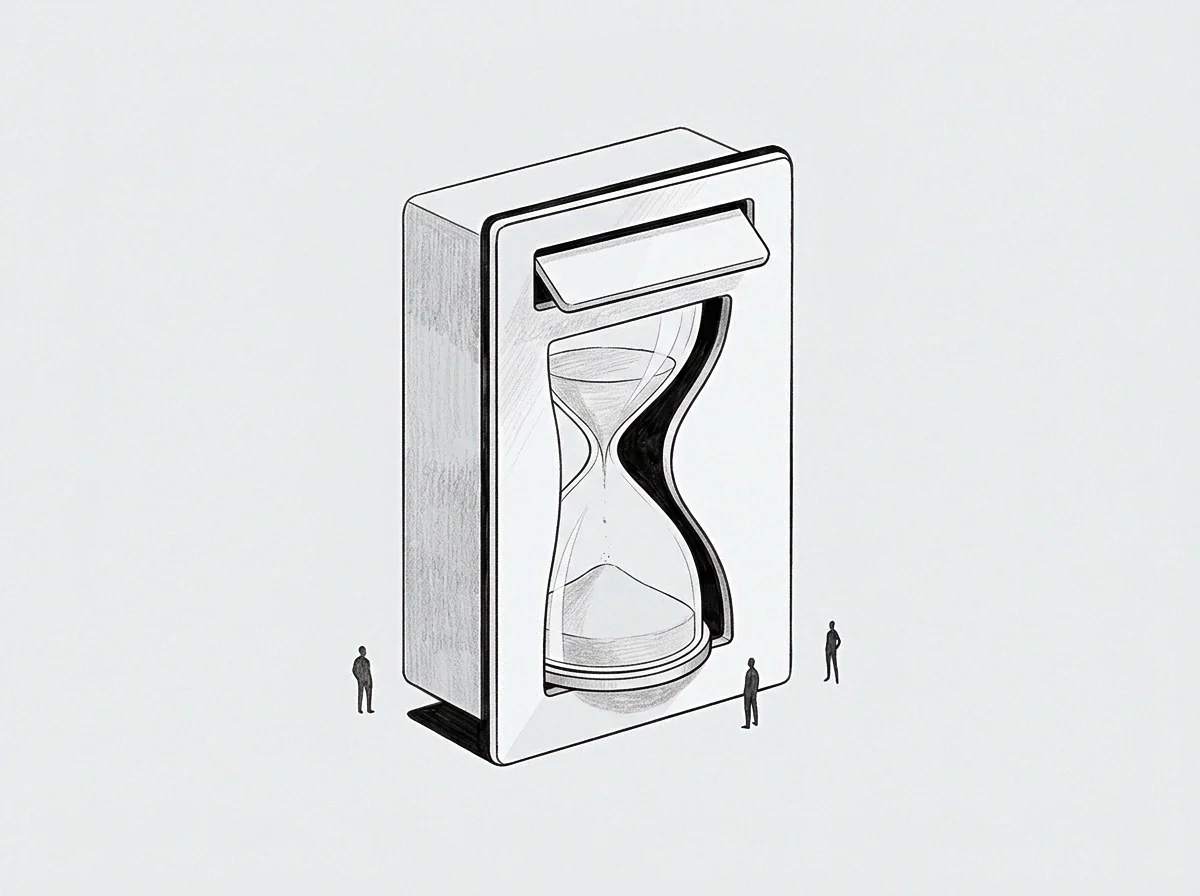
Desk
The physical workspace mirrors the fragmentation of the communication setup. An operator works across multiple open tabs, chat windows, notification feeds, and email folders. Attention shifts constantly.
Each alert demands an evaluation of priority, depleting executive capacity before core project deliverables receive attention.
Attention is a finite resource rather than an elastic reserve. When four communication streams run at once, working memory holds partial states for several unresolved client issues simultaneously. The cognitive burden of these open loops slows execution on the active task.
Errors increase and revision cycles multiply, compounding the original loss of capacity.
Attention allocated to ambient channel surveillance is permanently lost to deliverable production.
The compounding effect across a team is severe. When three operators collaborate on a single retainer account and each maintains direct client contact across separate platforms, internal coordination overhead expands rapidly. Team members spend billable hours aligning answers, reconciling contradictory client instructions, and clarifying task ownership.
The hours disappear without a record.
Constant multi-channel monitoring establishes a dynamic where reaction displaces planned production, locking the team into continuous catch-up cycles.

Yield
Realized hourly yield drops quickly as communication channels multiply. A retainer priced at ten thousand dollars per month for forty hours of production implies an intended rate of two hundred fifty dollars per hour. Unrestricted real-time communication introduces operational friction that alters this figure entirely.
| Communication Architecture | Direct Production Hours | Interruption and Triage Hours | Context Recovery Hours | Effective Realized Rate |
|---|---|---|---|---|
| Single Batched Asynchronous Channel | 40 | 4 | 2 | $217 per hour |
| Dual Channel (Email and Scheduled Calls) | 40 | 12 | 8 | $167 per hour |
| Multi-Channel (Email, Slack, SMS, Tickets) | 40 | 28 | 22 | $111 per hour |
The hours required to service the account climb from forty-six hours under a batched model to ninety hours under a multi-channel setup. The monthly fee remains static at ten thousand dollars. The realized hourly return drops to less than half its target.
An engagement absorbing ninety total hours against a ten thousand dollar fee yields one hundred eleven dollars per hour.
The shortfall remains invisible in systems that track only direct deliverable time. Timesheets log a thirty-minute task while omitting the six four-minute disruptions preceding it, producing an inaccurate record of account profitability. Operating capacity drains away without leaving an audit trail.
The operational issue is how long an organization can sustain low-yield accounts before solvency fails.

Grid
Addressing margin deficits requires a defined communication structure. Intake must pass through a single entry point operating on predictable cadences. By eliminating synchronous access and real-time chat, the firm protects its execution capacity from external volatility.
Asynchronous batching organizes incoming requests into scheduled review windows. The operator reviews inputs twice daily, categorizes items by scope, and routes them into sprint queues. Triage overhead contracts into set boundaries, preserving sustained work blocks for core deliverables.
- Single Point Intake directs all inquiries into one centralized system, terminating secondary and informal messaging channels.
- Scheduled Batch Processing confines message reviews to predetermined daily intervals, preventing continuous attention fragmentation.
- Asynchronous Response Thresholds replace immediate reply expectations with formal turnaround windows aligned with contract terms.
A client used to immediate replies across private chat channels will often view structured batching as a drop in responsiveness. The firm addresses this by establishing operational protocols during onboarding. The client pays for specialized problem solving, and shielding the operator from interruptions is what maintains work quality.
Clients often assert that account performance declines if incoming inquiries are not answered within five minutes.
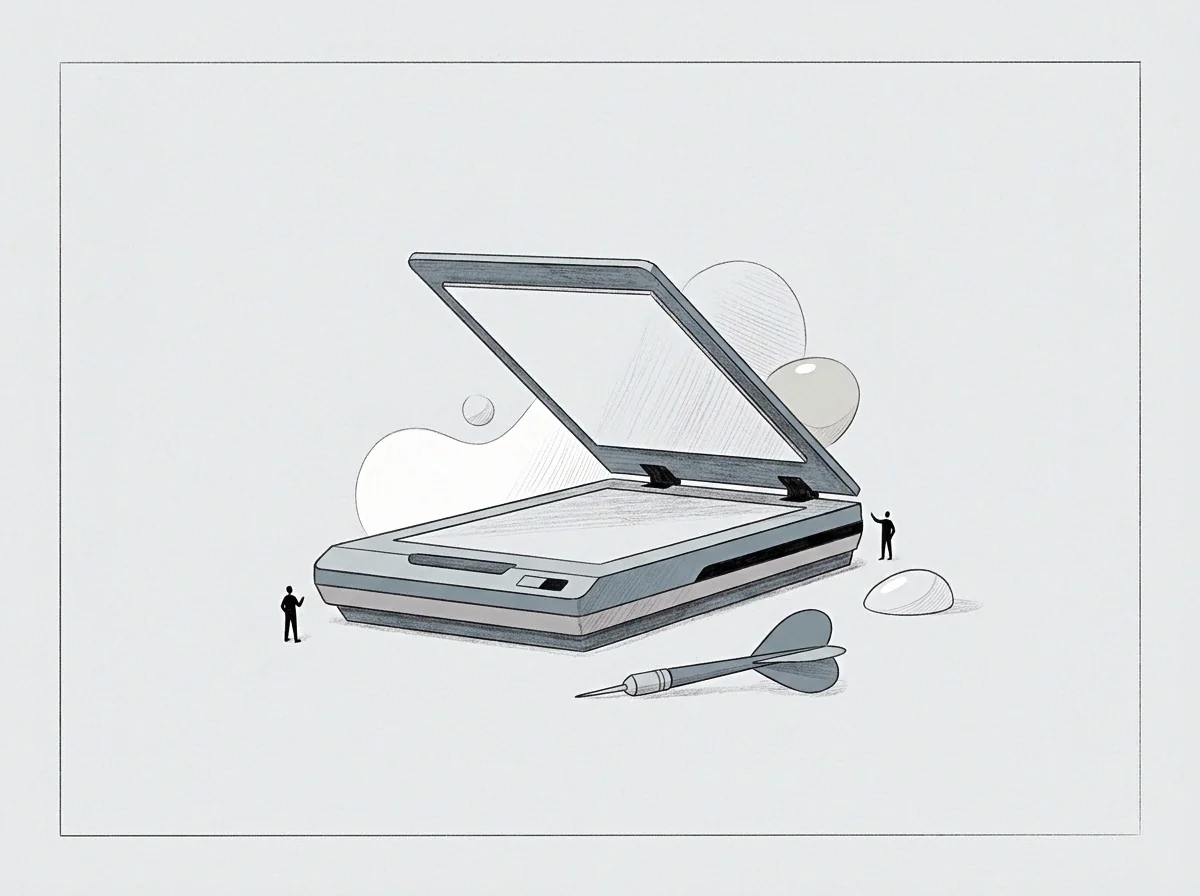
Pact
Contract terms define the boundaries of operating capacity. Retainer agreements need to specify authorized interaction channels, maximum interruption frequencies, and formal response turnaround times in explicit clauses. Unmonitored availability creates unbilled liability that erodes retainer margins.
Scope definition covers communication protocols alongside project tasks. When an agreement allows unmetered messaging, it grants the client an unpriced claim on the operator’s attention. Setting clear parameters on access quantifies the cost, making the client aware of the capacity consumed by ad-hoc inquiries.
A contract that excludes communication boundaries permits unlimited consumption of operating capacity without compensatory price adjustments.
Instituting a dedicated communication surcharge or adding terms that cap monthly support inquiries protects account margin. When requests exceed agreed thresholds, additional intake transitions to standard hourly billing, ensuring that elevated communication overhead brings proportional revenue rather than margin erosion.
A contractual clause establishing a single asynchronous channel with a twenty-four-hour response window protects margins by preventing unbilled interruption time from absorbing productive labor.