
Quantifying Cognitive Capacity Degradation Across Unstructured Client Escalations Under Fixed Margin Contracts
Unstructured client escalations destroy fixed contract margins by imposing unpriced attentional switching cycles that degrade subsequent engineering output.

Shock
An unplanned client escalation arrives through an unmonitored channel at dusk, demanding an immediate correction to a workflow delivered three weeks prior under a fixed fee agreement. The operational lead leaves a scheduled architecture review to isolate the client complaint, pulling two senior engineers into an unscheduled diagnostic cycle that lasts until midnight. By morning, the incident logs show sixteen hours of unplanned technical investigation, zero billable additions to the invoice, and an unrecorded depletion of the deliberate focus planned for the subsequent milestone.
The contract margin stays formally fixed at twenty-eight percent on the ledger, yet the capacity to deliver the next contract phase on time contracts sharply.
Fixed-price commitments rely on a stable relationship between logged hours and technical output. Unstructured escalations disrupt this setup by introducing frequent context switches for execution teams. When an escalation lacks error logs, reproduction parameters, or clear communication boundaries, teams respond to the input as an active emergency.
Working memory shifts immediately from planned development to real-time triage.
Diagnostic attention diverted under ambiguous operational pressure depletes the cognitive reserves available for subsequent structured delivery.
Attention functions as a limited resource rather than an infinitely expandable pool. When high-pressure ambiguity enters a workflow, execution teams absorb the variance directly. Handling unstructured urgency requires operators to manage communication friction while troubleshooting technical issues.
The commercial agreement records only the completed task, leaving this internal cognitive expenditure unmeasured.
Immediate resolution of the issue is categorized as standard account maintenance covered by the original milestone price.
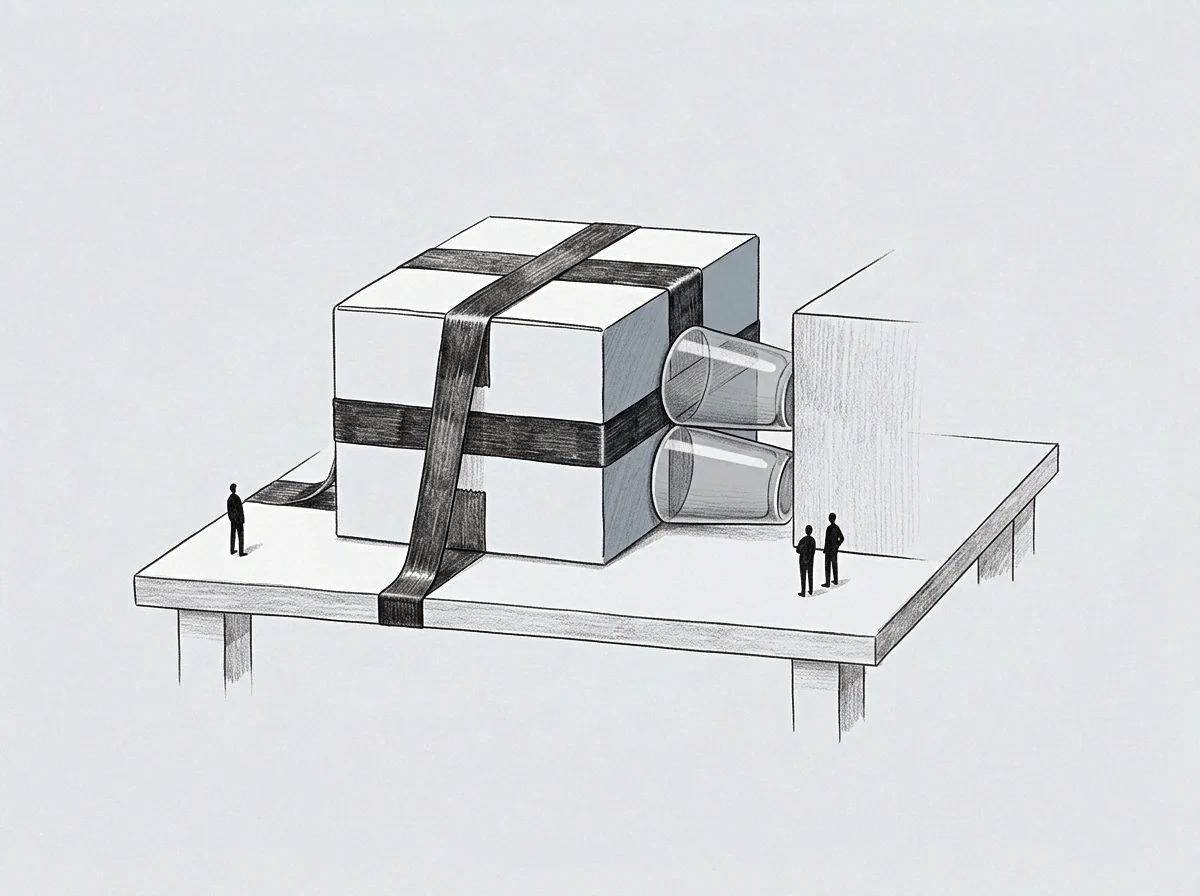
Room
Inside the operational center, incoming requests distribute unevenly across the team. Junior personnel route complex client calls directly to the senior system architect, creating an informal bottleneck that project dashboards do not capture. That architect holds the institutional memory of the codebase, so every vague message about unexpected system behavior lands on their desk.
Over five consecutive working days, thirty distinct messages bypass the issue tracking system entirely.
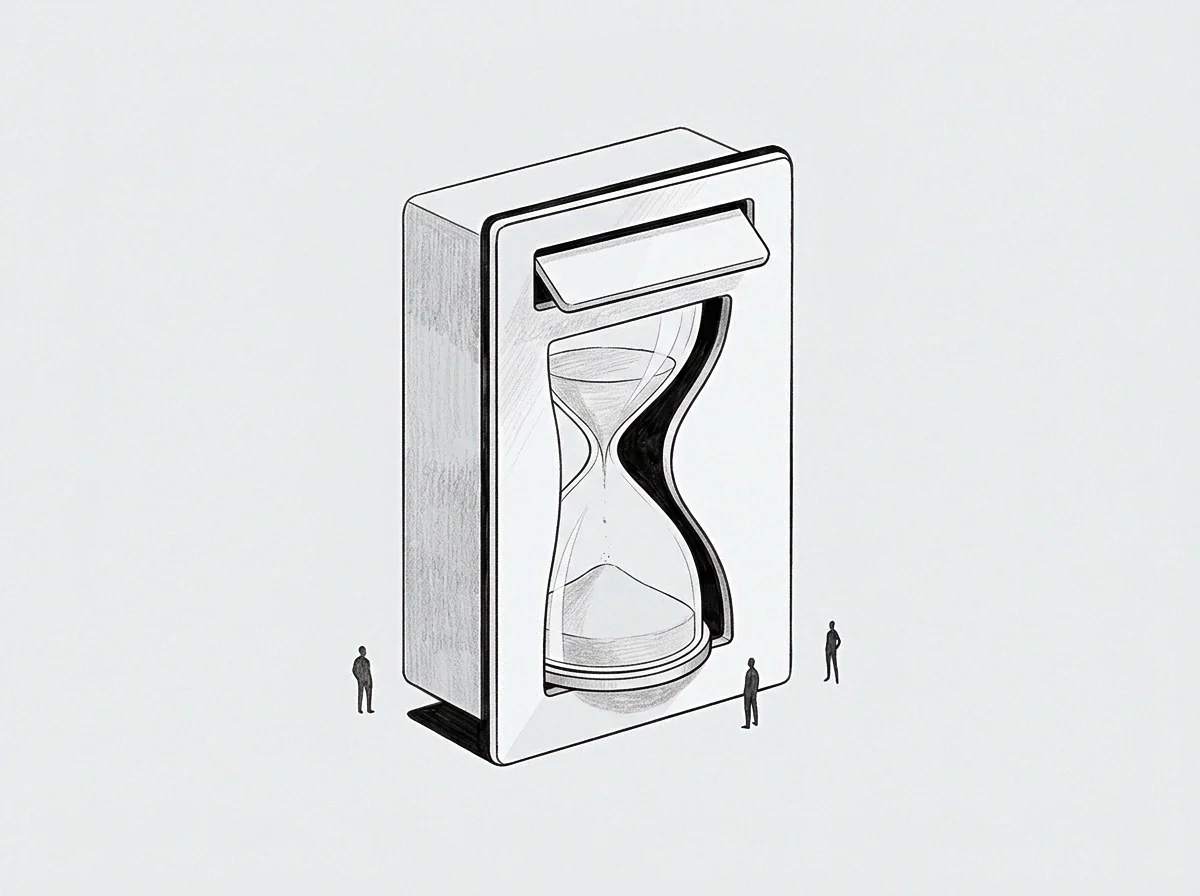
Attentional Fragmentation Across High Pressure Interfaces
Context switching between structured development and conversational triage carries a measurable reset penalty. Research in executive function indicates that recovering focus after an ambiguous interruption can take up to twenty-three minutes before deep concentration returns. Without clear intake boundaries, an operator remains in a state of continuous vigilance, monitoring notification channels instead of focusing on complex technical tasks.
The financial effect within a fixed-margin agreement is gradual margin compression masked by steady milestone billing. The account appears profitable under standard accrual accounting because developer salaries stay fixed, but the unseen cost falls on long-term team capacity. Extended cognitive fatigue lowers decision quality and leads to measurable increases in code defect rates during subsequent sprints.
A contract that fixes financial compensation while leaving communication channels unrestricted converts administrative ambiguity into unpriced cognitive exhaustion.
Clear boundaries around intake protect engineering focus from unstructured client demands. When an organization treats client urgency as an unconstrained priority, technical staff start avoiding deeper refactoring in favor of quick fixes that reduce immediate friction. System integrity declines while official reporting shows steady progress.

Which Work Absorbs The Unplanned Variance?
Planned technical debt remediation and core architecture tasks usually yield their allocated time to urgent external requests. Resolving the immediate issue consumes time intended for structural maintenance. When incoming messages lack standard details, an operator spends sixty percent of the triage window collecting basic background context that belonged in the initial report.
| Escalation Protocol | Context Acquisition Time | Attentional Fragmentation Level | Residual Error Rate In Planned Sprints |
|---|---|---|---|
| Structured Schema With Telemetry | Twelve minutes of initial reading | Low switching penalty with preserved working blocks | Three percent defect rate |
| Ad Hoc Messaging Channel | One hundred ten minutes of conversational probing | Severe continuous vigilance across eight hours | Nineteen percent defect rate |
| Unscheduled Executive Escalation Call | Forty-five minutes of de-escalation management | Complete destruction of daily deep work cadence | Twenty-seven percent defect rate |
The table highlights the operational gap between structured incident tracking and unstructured troubleshooting. While financial reporting records identical milestone completions, a team managing ad hoc communication exhausts its focus threefold faster. The operation undergoes internal strain while maintaining the appearance of stable margins on paper.
What remains unsettled in operational practice is whether client escalation patterns can be calibrated reliably before commercial terms are signed.
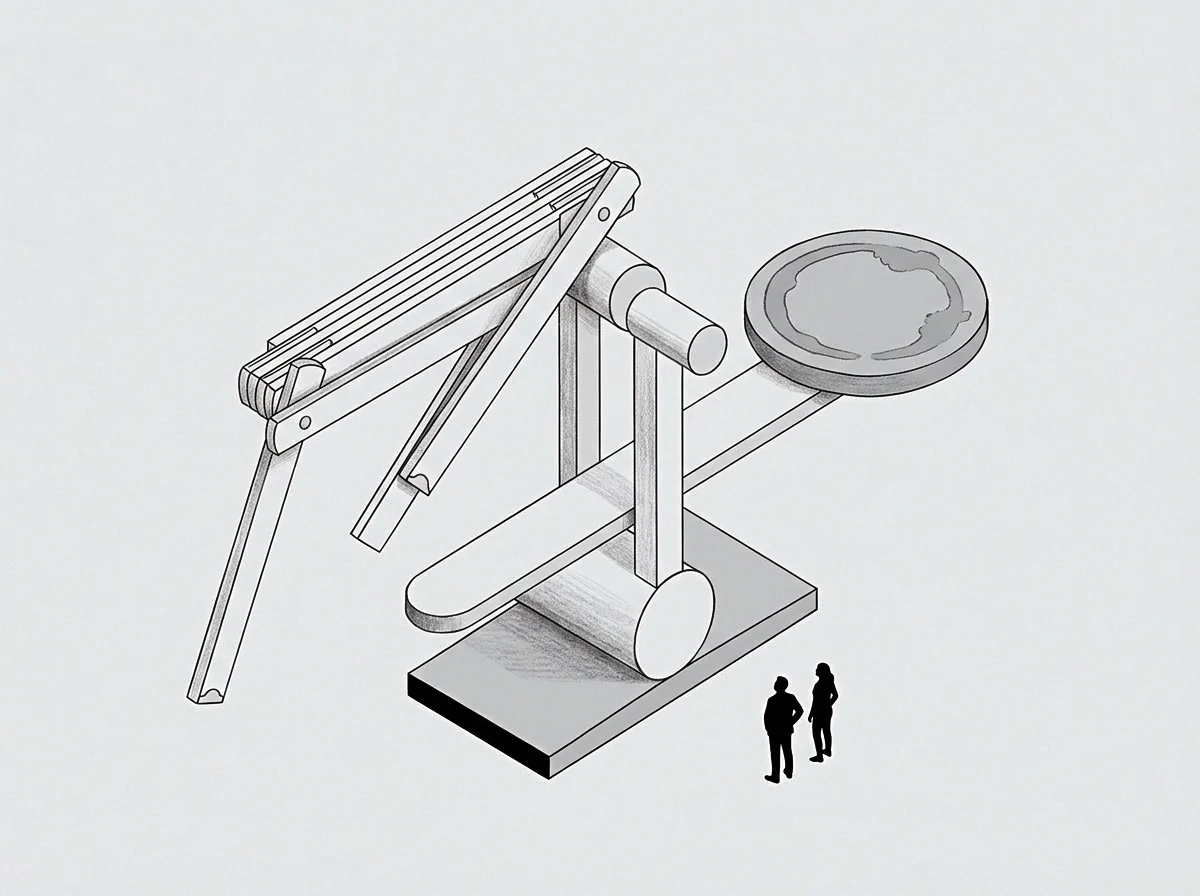
Variance
Fixed-margin agreements operate predictably only when project scope and communication protocols stay within defined bounds. If a client relies on erratic communication habits, the gap between expected and actual cognitive demand widens. The contract contains no mechanism to adjust for human attention costs, forcing the team to absorb the difference through internal capacity.
Cognitive load theory outlines three categories of effort: intrinsic load tied to technical difficulty, germane load dedicated to building mental models, and extraneous load caused by external disruptions. Unstructured escalations introduce significant extraneous load. Engineers spend working memory parsing unclear requests, sorting through conflicting symptoms, and handling client anxiety instead of applying technical expertise to solutions.
- Extraneous Conversational Processing consumes baseline working memory through the continuous decoding of ambiguous qualitative client messages.
- Attentional Switching Friction fractures continuous technical focus, forcing multiple full cognitive resets across a single afternoon.
- Interpersonal Management Demands exhaust impulse control reserves through prolonged client de-escalation exchanges that yield zero technical artifacts.
- Post Escalation Fatigue depresses analytic reasoning efficiency for multiple hours following the resolution of the urgent episode.
This fourfold depletion path explains why fixed fee contracts frequently experience margin erosion during final delivery phases. The early phases run smoothly because the work remains largely internal. As client integration intensifies, the frequency of ad hoc escalations climbs, eroding team capacity at the exact moment technical complexity reaches its peak.
Unstructured demands left unchecked erode team retention faster than challenging technical scope ever does.
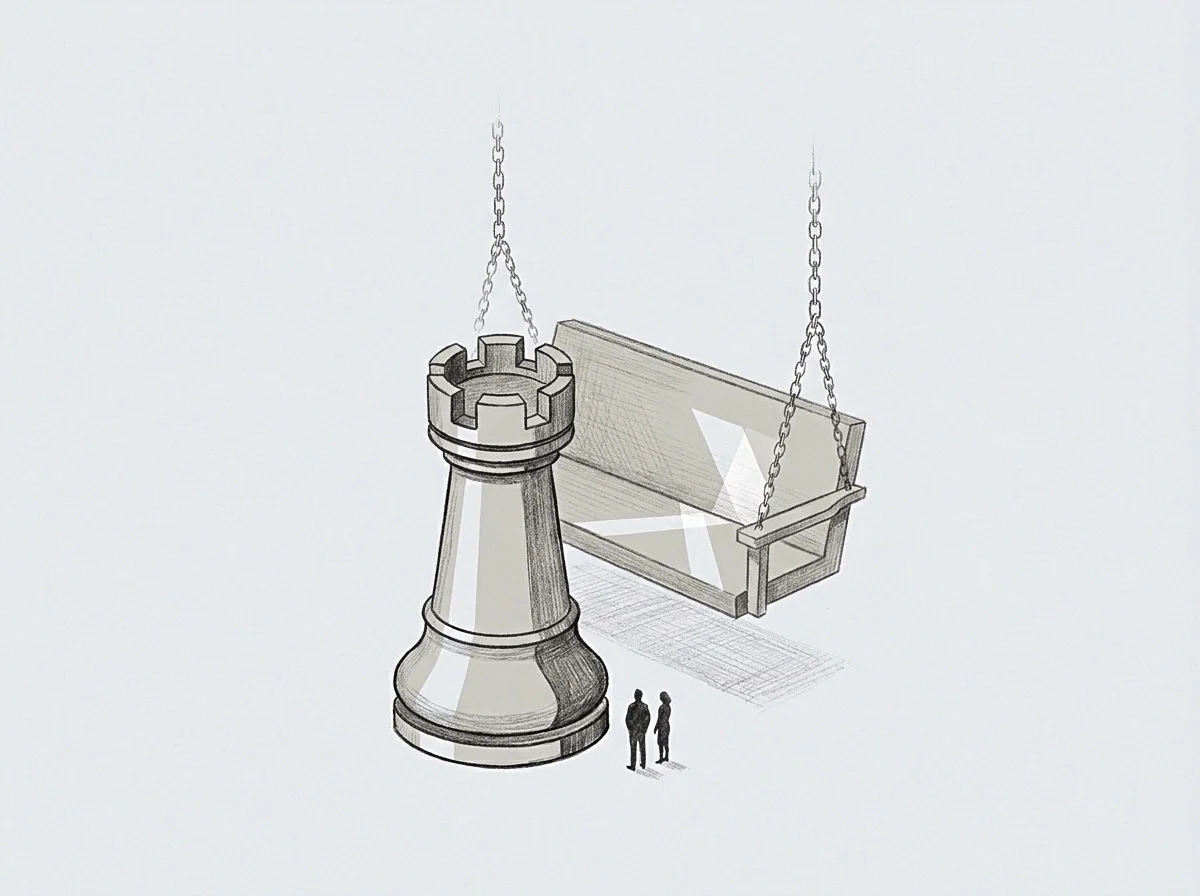
Deficit
The cumulative effect of frequent interruptions is cognitive fatigue that affects engineering judgment. Decisions made under ongoing strain tend to favor short-term relief over long-term stability. Engineers resort to fragile fixes to resolve high-stress interactions quickly, creating defects that prompt further escalations and reinforce operational strain.
Consider an operational team handling four fixed margin client accounts concurrently. If one client generates twelve unstructured escalations per week via synchronous chat, that single client consumes fifty percent of the team’s diagnostic capacity despite representing only twenty-five percent of contract revenue. The other three clients experience delayed turnarounds and reduced delivery precision as their dedicated cognitive reserves are cannibalized by the vocal client’s irregular demands.
A contract term specifying structured escalation gates preserves operational margins by preventing cognitive cannibalization across client accounts.
Tracking this drain requires looking beyond standard time logs. Traditional timesheets record hours spent on tasks without capturing the quality of focus remaining after an interruption. An engineer who spends two hours handling a sudden client call may record those hours accurately, but the six hours remaining in their workday often show a forty percent drop in analytical output.
The clause restricting escalation intake to structured telemetry tickets with agreed reproduction steps restores operational predictability.

Shield
Protecting operational margins under fixed-fee agreements requires clear intake boundaries. A structured escalation firewall keeps technical teams separated from direct client urgency. This screening process translates unstructured reports into standardized tickets before technical resources are assigned.
The firm establishes strict communications protocols within the master services agreement. Escalations arriving outside structured channels receive automated acknowledgments without immediate technical assignment. The team protects deep work blocks by confining client interaction windows to predefined intervals.
This boundary preserves the working memory required to complete planned milestones on schedule.
The client retains the right to report critical incidents at any hour, provided the submission conforms to the agreed defect schema.