
Quantifying Enterprise Customization Demands Against Baseline Software Product Engineering Capacity Limits
Quantifying enterprise customization demands against baseline capacity isolates the recurring maintenance tax and cognitive context switching on core product velocity.
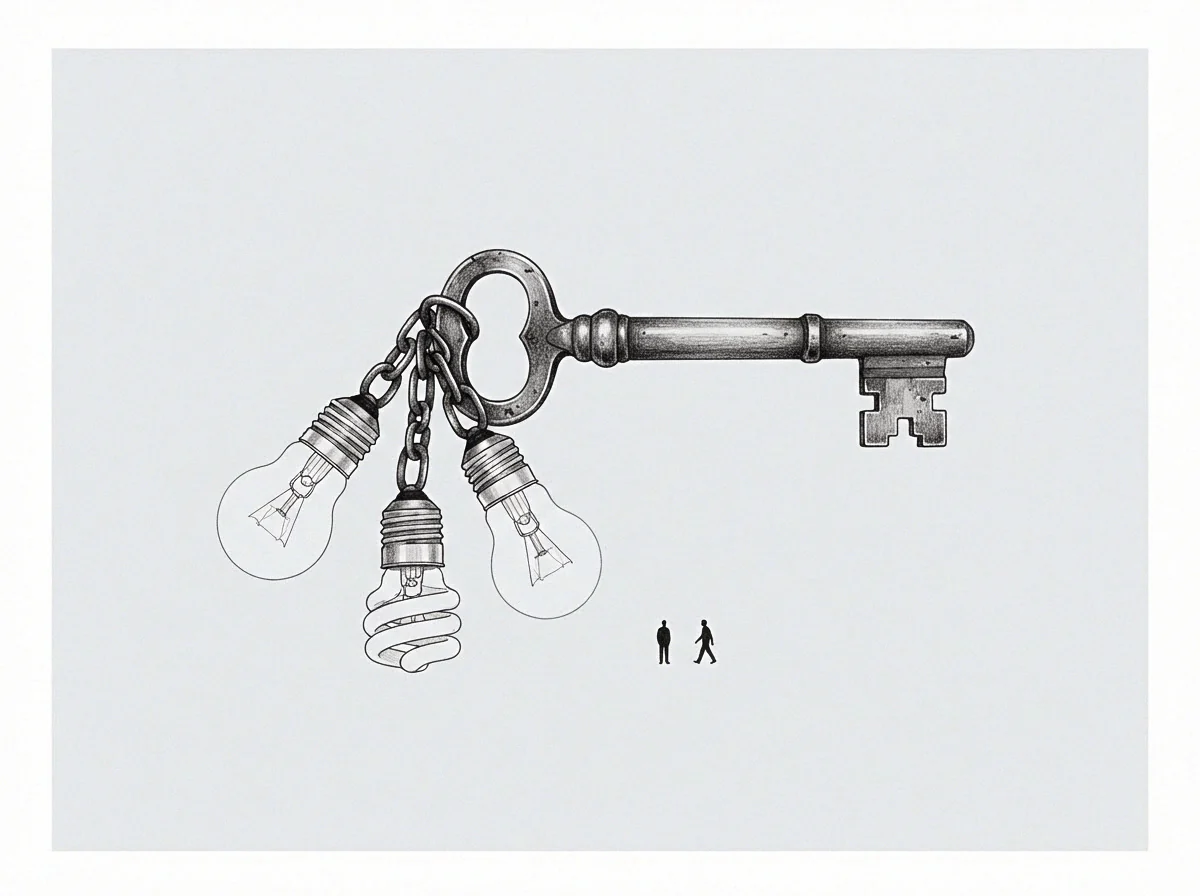
Fork
An enterprise account executive signs a contract with a single handwritten addendum promising a proprietary identity provider integration within ninety days. On the sprint board the following Monday, twelve developer tickets shift from the shared multi-tenant data layer into a customer-specific repository. The invoice records a sizable implementation fee, yet the engineering calendar silently surrenders five developer-months of planned core velocity to maintain parity between disparate operational branches.
Revenue arrives before delivery.
When an enterprise buyer demands modifications to core data schemas, authentication flows, or reporting pipelines, the enterprise software organization encounters an immediate structural bifurcation. One portion of developer effort continues to service the shared commercial product, while another portion fractures into unmerged, client-specific code modifications. The software vendor often absorbs this operational burden under the category of customer success or professional services, masking the permanent diversion of technical labor away from the baseline roadmap.
Code branches multiply without warning.
The diversion of engineering throughput toward one client reduces the collective velocity of the entire multi-tenant product line.

Contract Commitments and Baseline Roadmap Collisions
Enterprise sales cycles frequently incentivize account representatives to commit engineering deliverables that exist outside established release milestones. When a five-hundred-thousand-dollar contract hinges on an unreleased data connector, the commercial organization treats the concession as negligible friction. The software architecture team receives the signed commitment as a non-negotiable deadline, forcing immediate reallocation of senior personnel away from planned platform scalability initiatives.
This reallocation carries an ordinal penalty that compounding operational friction obscures. Two senior backend engineers step away from database indexing improvements to hand-craft single-tenant ingestion logic. Context switching exacts a toll.
The platform misses its scheduled performance release by two quarters, while customer support tickets regarding query latency rise forty percent across all standard tenants. The financial balance sheet registers client acquisition, but technical capacity suffers systemic erosion.

The Genesis of Divergent Code Paths
Software development teams facing strict customization delivery schedules take the path of least resistance: direct repository duplication. Rather than extending an abstract plugin boundary, developers duplicate a microservice repository, alter hard-coded routing rules, and deploy a bespoke container alongside the standard fleet. Divergent tenants stall core upgrades.
This isolation appears harmless during initial deployment, yet it creates a permanent synchronization liability. Every subsequent core platform update, security patch, and third-party library upgrade demands dual implementation and verification. The custom deployment gradually falls behind the core trunk, transforming into an orphaned artifact that requires specialized institutional knowledge to maintain.
The customer repeatedly insists that their agreed operational specifications must remain untouched by scheduled platform updates.

Bolt
Total developer output is bounded by finite hours, cognitive limits, and architectural cohesion. When an enterprise promises fifty percent of engineering output to custom tenant development, the commercial organization does not merely delay roadmap dates; it actively destroys the baseline team’s capacity to maintain core infrastructure. Context switching creates cognitive friction that degrades overall system quality.
The primary components of technical capacity split into three distinct categories that demand explicit measurement:
- Baseline Product Development represents scheduled roadmap initiatives designed to expand universal product capabilities across the broader market.
- Tenant Customization Engineering captures client-specific feature requests, bespoke connector creation, and proprietary business logic implementations.
- Platform Maintenance Overhead covers dependency patching, infrastructure reliability, defect remediation, and regression verification across all deployed environments.
When customization work expands, platform maintenance overhead expands alongside it, compressing baseline product development from two directions simultaneously. The extraction landed on release velocity.

Decomposing Baseline Software Engineering Capacity
Capacity limits stem from the finite availability of focused engineering hours. Consider an organization with twenty product engineers generating approximately eight hundred productive coding hours per two-week cycle. Standard technical allocations reserve fifteen percent for maintenance and technical debt, fifteen percent for architecture and testing, and seventy percent for core product enhancements.
When three enterprise accounts demand bespoke custom features requiring one hundred hours each per cycle, the seventy percent allocation collapses to thirty-two percent. Core velocity grinds to zero. The baseline roadmap loses momentum, enabling competitors to capture market share while the organization’s most capable builders spend their shifts debugging custom tenant edge cases.
Baseline engineering output contracts in direct proportion to the volume of unabstracted client customizations under active maintenance.
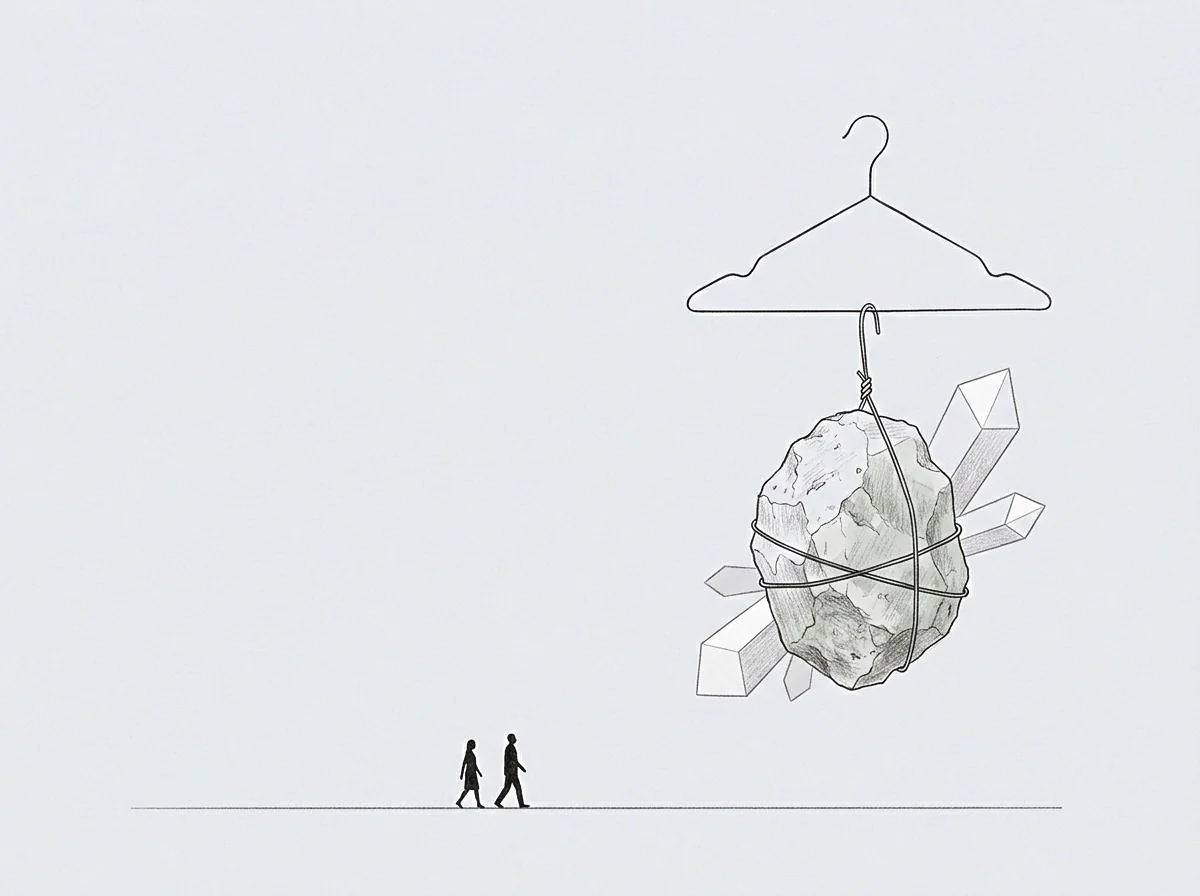
Fixed Maintenance Taxes on Bespoke Components
Every line of custom code acts as an ongoing operational levy on baseline engineering operations. Bespoke software lacks the economy of scale inherent in multi-tenant infrastructure, requiring dedicated continuous integration pipelines, specialized deployment scripts, and isolated staging environments. Maintenance overhead accumulates every quarter.
The operational penalty of bespoke code surfaces during system upgrades. When the core platform transitions from one major database version to another, standard automated migrations fail on custom tenant branches due to modified schema definitions. Two senior architects spend three weeks manually writing conversion scripts for a single enterprise client.
The financial toll landed on developer attention. When organizations fail to quantify this recurring maintenance burden, baseline product quality deteriorates until the standard commercial offering becomes uncompetitive.
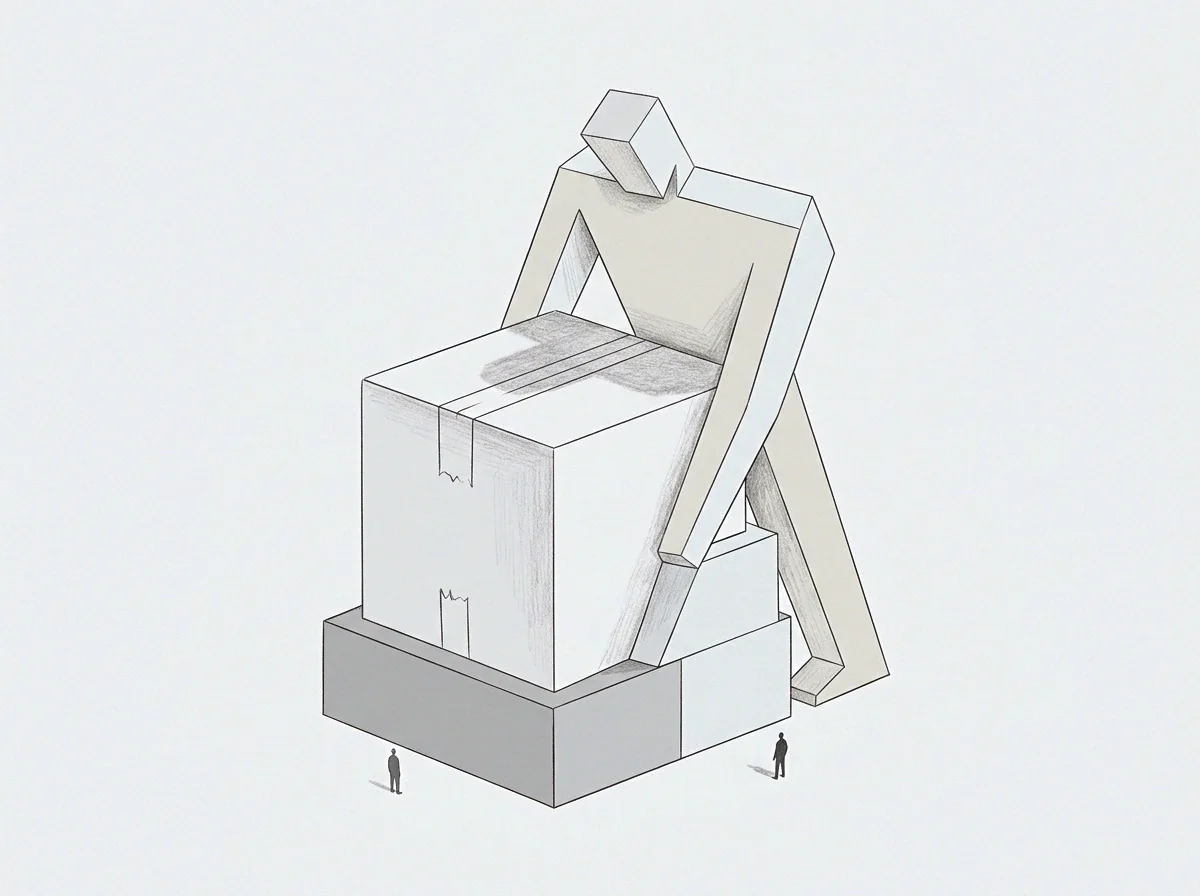
Wedge
Technical architecture dictates how cleanly an enterprise software platform handles idiosyncratic client requirements without destroying standard operational output. Software teams generally adopt one of three architectural patterns to handle enterprise customization demands: direct branch forking, dynamic runtime configuration, or decoupled extension platforms. Each pattern imposes distinct capacity penalties on the baseline engineering organization.
The choice between these patterns governs whether customization costs remain linear or scale exponentially with each new enterprise customer acquired. Direct branching creates an immediate engineering crisis, whereas runtime configuration and decoupled extensions require significant upfront architectural investment to protect baseline developer bandwidth.
| Customization Pattern | Trunk Isolation Degree | Per-Cycle Engineering Drain | Three-Year Maintenance Burden | Deployment Overhead |
|---|---|---|---|---|
| Hard-Forked Bespoke Branch | Zero isolation; complete divergence | Extreme (40 to 60 percent diverted) | Exponential compounding debt | Manual, uncoordinated releases |
| Dynamic Configuration Layer | Moderate isolation; shared codebase | Low (5 to 10 percent diverted) | Linear, bounded conditional debt | Automated multi-tenant pipelines |
| Decoupled Extension Runtime | High isolation; sandboxed plugins | Minimal (1 to 3 percent diverted) | Bounded API contract maintenance | Fully decoupled continuous delivery |
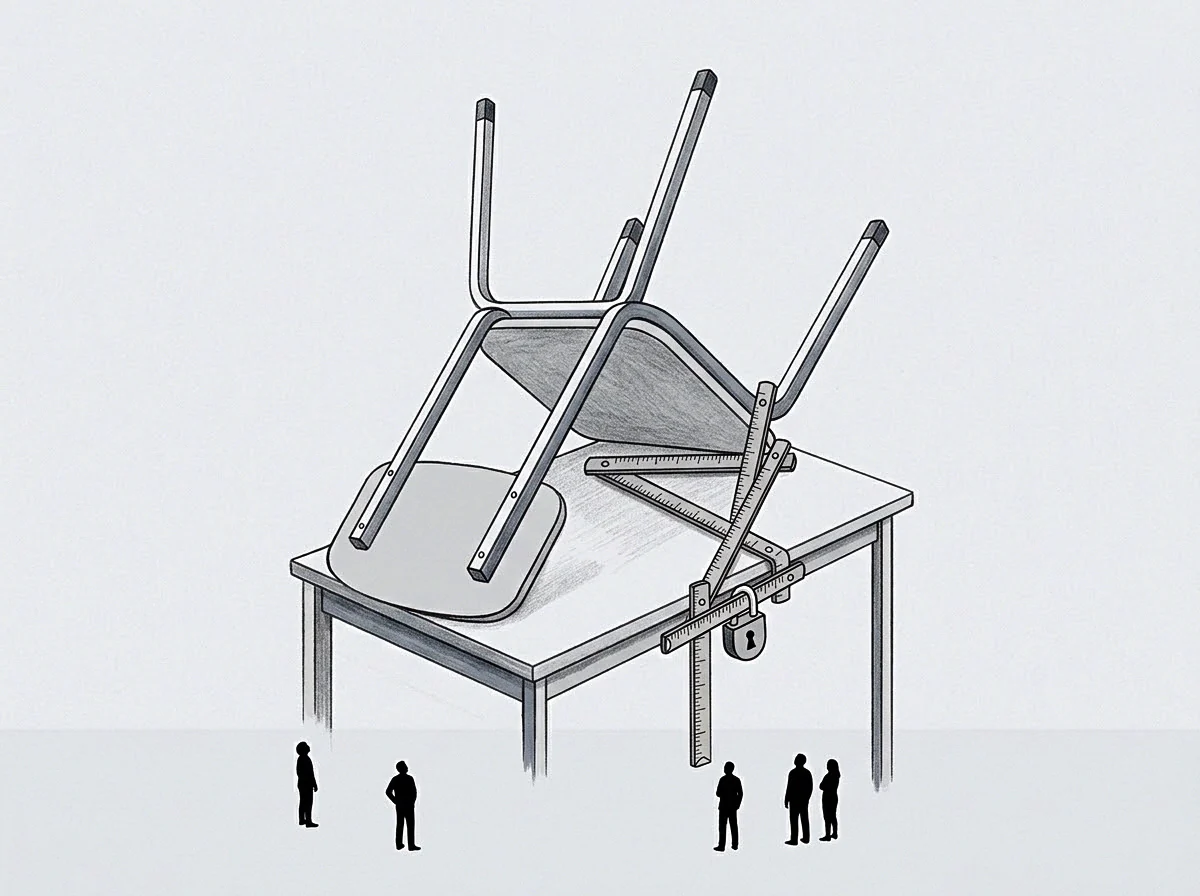
Structural Architecture and Isolation Tradeoffs
Direct code branching represents the most destructive mechanism for handling enterprise client requests. When developers create a private repository branch for Customer A, every subsequent bug fix applied to the core product must be manually backported to that private branch. Merge conflicts arise constantly, introducing regressions that affect only that specific client.
Bespoke code resists automated testing. Standard continuous integration suites cannot anticipate customer-specific data permutations, forcing QA teams to perform manual validation before every release. Over eighteen months, the engineering hours devoted to maintaining the private branch exceed the initial development effort by an order of magnitude.
The company effectively runs an outsourced systems integration consultancy funded by baseline product revenue.

Branch Divergence Against Runtime Plugin Extensibility
Decoupled extension models isolate client-specific logic behind stable application programming interfaces and asynchronous event buses. By establishing clear plugin boundaries, the baseline engineering team permits enterprise customers to execute custom business logic in sandboxed runtimes without altering core multi-tenant microservices. Feature parity demands dual verification.
This structural decoupling isolates baseline developers from custom code lifecycle demands. An enterprise client can update proprietary routing algorithms or integration connectors without triggering platform-wide regressions. The baseline engineering team retains full autonomy over core database migrations, caching architectures, and interface updates, preserving forward development momentum.
A strict architectural boundary isolates the core development cycle from individual enterprise customization liabilities.
Operating a decoupled extension platform requires uncompromising governance over public interface versioning. The engineering organization commits to maintaining backward compatibility across its external APIs, preventing custom plugins from failing when the underlying platform evolves. This commitment establishes a bounded, predictable engineering tax that preserves the baseline team’s core velocity across decades of operational expansion.
Drag
Quantifying customization demand against baseline capacity requires an objective mathematical framework rather than subjective estimation. Many organizations assess customization requests through commercial optimism, evaluating only the initial hours required to build the requested feature while ignoring the multi-year drag coefficient imposed on core delivery schedules. Technical debt compounds under pressure.
To accurately measure this operational drag, engineering leadership must model the full lifecycle capacity expenditure of bespoke code. This calculation combines direct development hours, recurring regression testing overhead, custom infrastructure maintenance, and cognitive context switching penalties across the engineering department.

Where Custom Work Depletes Baseline Product Output?
The primary source of engineering drag lives in the hidden coordination overhead created by fragmented system behaviors. When an organization supports multiple customized enterprise implementations, the surface area for platform verification expands exponentially. One custom patch alters shared services.
The process of quantifying this capacity drain follows a structured analytical sequence across four distinct operational stages:
- Baseline Capacity Audit calculates the net productive development hours available per sprint after subtracting standard operational maintenance and platform reliability allocations.
- Customization Footprint Analysis measures the specific lines of modified code, unique database schemas, and bespoke API endpoints active across all custom client tenants.
- Regression Tax Calculation establishes the precise developer hours consumed during each release cycle to validate custom configurations against standard platform enhancements.
- Opportunity Velocity Assessment determines the specific baseline product roadmap milestones delayed or eliminated as a direct result of custom engineering commitments.
Sales targets eclipse architectural stability. When organizations quantify these stages, they discover that enterprise accounts paying ten percent above standard subscription tiers frequently consume thirty to fifty percent of total engineering output.

Mathematical Models for Release Regression Overhead
Consider an enterprise software platform with twenty releases per year. When all customers operate on a standardized multi-tenant core, each release requires forty engineering hours of integration testing and verification, representing eight hundred hours annually. The baseline capacity drain remains strictly predictable.
Assume the company introduces five customized enterprise tenants with divergent business logic. Each release now requires an additional sixteen hours of client-specific regression testing, plus eight hours of branch resolution and environment verification. The annual regression burden rises from eight hundred to three thousand two hundred hours.
Custom integrations break during upgrades. That difference of two thousand four hundred hours equates to more than an entire full-time engineer’s annual productive output permanently diverted from baseline product development. Will the organization continue to treat these diverted hours as zero-cost additions to standard customer onboarding?

Clause
Sustaining baseline engineering velocity amidst enterprise customization demands requires rigorous contractual and operational discipline. The commercial organization must stop selling unpriced engineering labor as an incentive for enterprise contract execution. When enterprise clients demand bespoke capabilities, the contract must establish strict boundaries regarding operational isolation, ongoing maintenance fees, and lifecycle management.
Every custom enterprise agreement must translate internal engineering depletion into explicit commercial terms. If a client insists on proprietary workflows that cannot be incorporated into the standard platform roadmap, the organization must structure the engagement to cover both initial build expenditures and the capitalized cost of long-term platform divergence. Bespoke branches demand dedicated staffing.
A contractual requirement that charges enterprise clients for continuous baseline synchronization protects multi-tenant product capacity from uncompensated depletion.
Contract Terms Governing Code Divergence
Commercial contracts must define customization work through precise legal boundaries that protect the baseline engineering team. Rather than agreeing to ambiguous promises of client-specific feature enhancements, agreements must specify that all modifications will be delivered strictly through standardized platform extension APIs. Backward compatibility remains brittle.
When an enterprise buyer requires direct modifications to core microservices, the agreement must include an explicit sunset provision. This provision mandates that bespoke code paths will be decommissioned within twelve months, transitioning either to standard core platform features or to customer-maintained external extensions. If the client refuses standard migration upon expiration, the contract applies an escalating maintenance surcharge that covers the dedicated staffing required to support the isolated environment.
Converting Engineering Depletion to Cardinal Pricing
Enterprise customization pricing frequently fails because it calculates only the initial hourly development expenditure, ignoring ongoing lifecycle drag. To capture the full capacity loss, the finance and engineering teams must establish a cardinal pricing multiplier that incorporates future maintenance overhead, testing taxes, and opportunity loss.
A standard customization estimate of one hundred engineering hours carries an ongoing annual maintenance tax of approximately thirty hours for the life of the contract. Over a three-year contract cycle, the true labor investment totals one hundred and ninety hours rather than the original one hundred. By pricing the customization at the full one hundred and ninety hours upfront, the software vendor either secures sufficient commercial revenue to hire dedicated maintenance personnel or prices the customization out of reach, steering the enterprise buyer back toward standardized baseline product functionality.
The contract specifies an annual technical synchronization fee equivalent to twenty-five percent of the initial custom development fee, payable upon every major platform release cycle.