
Reactivating Hibernated Enterprise Architecture Following Prolonged Functional Arrest and Total Operational Capacity Elimination
Reactivating hibernated architecture requires isolating infrastructure, rotating expired secrets, recovering data stores in read-only mode, and verifying stage-gated boot orders.
Room
An enterprise architecture subjected to total operational shutdown preserves structural descriptions while losing dynamic state. Inactive servers, unrenewed cryptographic certificates, suspended tenant accounts, and orphaned configuration files collect across cold storage partitions. Hardware remains physically mounted in racks, yet logical links between services decay through time.
Upstream data vendors change protocols during the dark period. Public key infrastructures expire their intermediate trust chains. Operators returning to the facility face static topology diagrams that accurately describe a topology from two calendar years prior, while the live network environment contains disconnected routes.
The first physical reality of reactivating a dormant technical apparatus involves inventorying structural decay across physical and virtual assets. Storage area networks hold database volumes with uncommitted write-ahead logs. Compute pools have their allocations revoked at the hypervisor boundary.
When electricity flows into cold metal, the boot sequence reveals missing kernel drivers, deprecated runtime dependencies, and configuration management scripts pointed at domain names that lapsed months ago.
Cold storage preserves data blocks while dynamic operational context decays continuously across the arrest interval.
Dormancy forces an operational reckoning. The system boots directly into a fracture zone between frozen application expectations and current infrastructure environments. Time creates technical debt through external divergence alone.
The operating system kernel expects time synchronization sources that no longer respond. Host operating systems hold stale domain name resolution caches.

Structural Decay of Dormant Infrastructure
Physical compute clusters left unpowered for extended periods suffer storage degradation and firmware desynchronization. Solid-state drives experience charge leakage in unpowered NAND cells when unrefreshed across twelve to eighteen months. Baseboard management controllers lose battery-backed real-time clock calibration, reverting system clocks to factory epoch dates.
When network interfaces negotiate link state, the desynchronized clocks immediately reject transport layer handshakes.
Virtual environments encounter identical failure patterns during rehydration. Storage volumes detached from cloud fabrics lose volume attachment mappings. Identity providers revoke service principals tagged as inactive under automated hygiene policies.
The boundary between functional components fragments into silent dead ends.
Whether the preserved relational schemas can reconcile three years of accumulated upstream interface modifications without manual protocol rewriting remains undetermined.

Trace
Reconstruction begins with state artifacts rather than executable services. The engineering team reads historical database logs, schema definitions, object storage snapshots, and static code repositories to determine the exact boundary of the arrest. Transaction counts and event logs record the final committed state of the organization before execution ceased.
Parsing these records reveals the ordered sequence of events that preceded the freeze.
Schema reconstruction demands isolated sandbox environments where engineers mount snapshot volumes in read-only mode. Database engines recover write-ahead logs without exposing the instances to incoming external traffic. Schema validators inspect table constraints, foreign key integrities, and temporal sequence tables.
The operator evaluates the integrity of the data tier prior to initializing any application middleware.

Ledger Integrity and Snapshots
Point-in-time recovery requires absolute isolation from production routing. Snapshot catalogs list raw volume backups by timestamp. The recovery supervisor provisions isolated network segments containing ephemeral relational instances.
The data volumes attach to temporary worker hosts where file system checkers run non-destructive verification sweeps.
Data integrity checks follow a strict structural order:
- Relational ledger reconciliation verifies cryptographic checksums across storage pages to identify silent data corruption on dormant storage blocks.
- Snapshot ancestry mapping tracks parent-child lineage in backup delta trees to ensure no differential layer is missing from the restore pipeline.
- Constraint validation passes confirm referential integrity between primary entities and transactional event logs across cold partition boundaries.
Verification precedes execution in every tier of historical state recovery.
Application source code repositories provide the second required trace. Git commit trees show the exact source revisions tied to the production release tags active during the final operational window. Container image registries often prune untagged or dormant image layers, leaving build manifests that fail during dockerfile reassembly because base images have been deprecated upstream.
Rebuilding the execution container requires pinning base images to local archive mirrors.
State recovery operates reliably when engineers treat historical storage volumes as immutable read-only evidence.
Wedge
Isolation forms the boundary condition for safe reactivation. Bringing a dormant enterprise architecture directly onto public network routes invites cascading failures. Stale worker nodes attempt to deliver multi-year-old outbound webhooks to external business partners.
Scheduled cron jobs trigger batch email dispatches containing obsolete account notices. Internal message brokers release queued events from the day operations ceased, flooding downstream components with outdated transactions.
Engineers insert synthetic network wedges to sever external ingress and egress completely. DNS resolvers rewrite all outbound requests to loopback addresses or local mock services. Ingress load balancers drop public traffic, allowing only authenticated bastion hosts to interact with internal ingress controllers.
Egress Quarantines and Mock Endpoints
The egress quarantine intercepts protocol traffic across multiple OSI layers. At the network layer, firewall rules reject all non-RFC-1918 traffic. At the application layer, forward proxies intercept HTTP, gRPC, and SMTP requests, returning canned successful responses to satisfy internal client timeouts while logging payloads for operator inspection.
Mock service endpoints simulate third-party payment gateways, messaging rails, and regulatory reporting interfaces. Application services communicate with these mock adapters, allowing operators to verify internal orchestration loops without triggering external financial or legal obligations. The system exercises its end-to-end data flow within a closed electrical circuit.
Prematurely restoring external network routes causes dormant queues to dump thousands of unhandled exceptions into live vendor APIs, prompting automated downstream security bans that halt reactivation for weeks.
Current
Re-energizing the core architecture demands an ordered, stage-gated activation pipeline. Core infrastructure dependencies boot first, followed by data stores, state brokers, core business logic, and interface adapters. Jumping across stages results in distributed deadlock conditions where services enter infinite crash loops while waiting for uninitialized dependencies.
System boot follows a deterministic hierarchy. The table below delineates the stage-gated recovery model, outlining target tiers, verification criteria, and recovery hazards encountered across reactivation operations.
| Stage | Operational Tier | Target State | Observed Failure Mode |
|---|---|---|---|
| Primary | Identity and Secret Vaults | Tokens issue and decrypt | Expired signing certificates |
| Secondary | Data and Message Persistence | Logs replay clean | Lock file collisions |
| Tertiary | Domain Logic Services | Internal health checks pass | Stale environment variables |
| Quaternary | Ingress Routing Gateways | Traffic routes to clusters | Mismatched cipher suites |
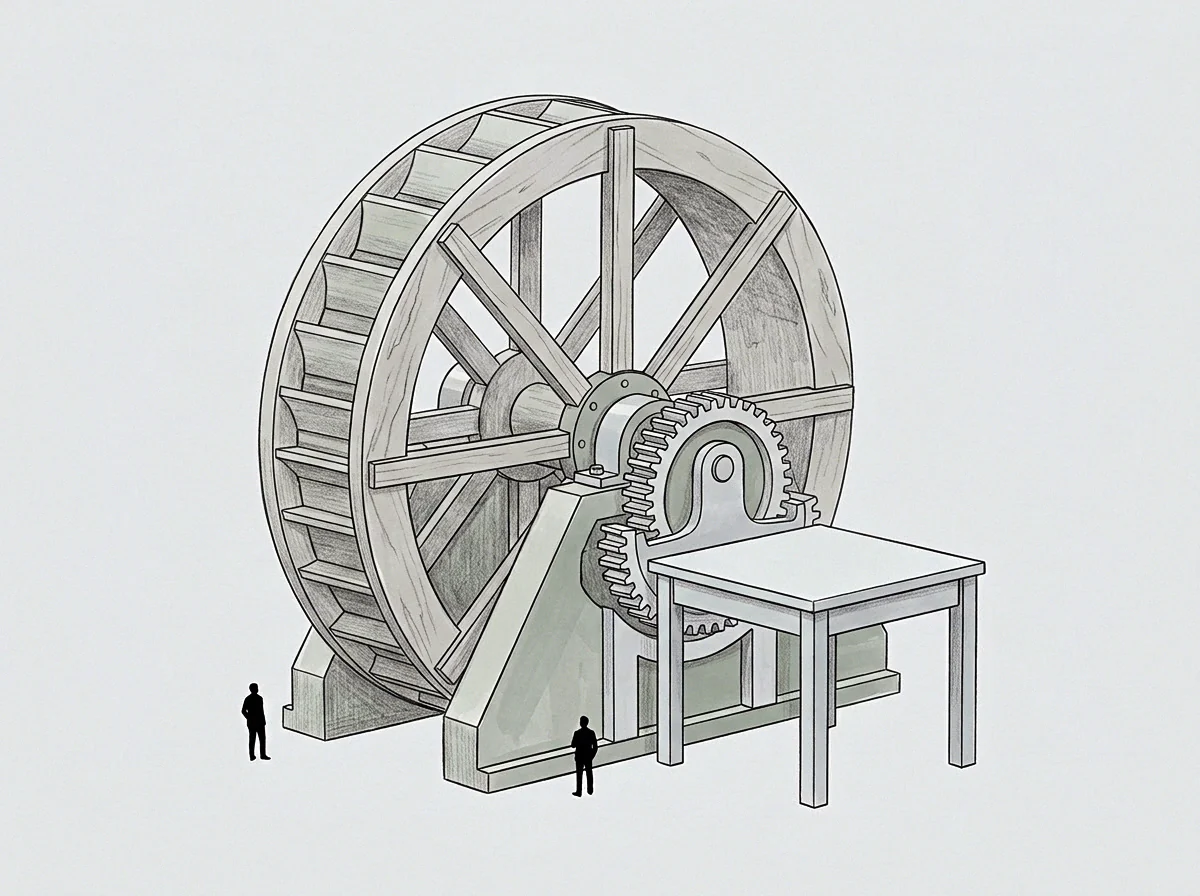
Secret management systems represent the primary constraint in the activation current. Vault instances sealed under multi-custodian keys remain inoperable until unseal keys are gathered from physical custodians. Stored secrets, database passwords, API keys, and transport layer security certificates expire during the shutdown duration.
The operator executes key rotation scripts against sealed stores before launching stateful worker nodes.
Secret Store Decryption and Rotation
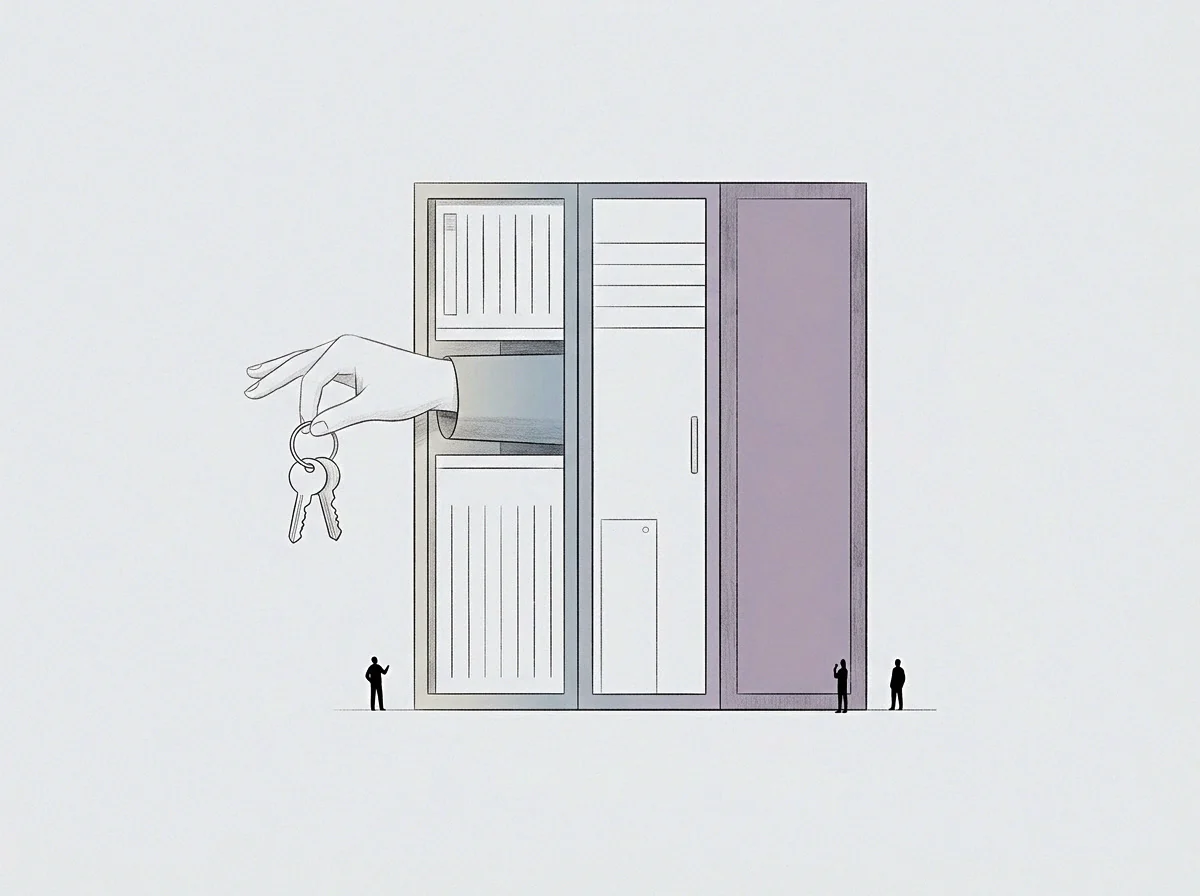
Unsealing key management services requires human coordination across cryptographic key holders. Once the master key restores the vault runtime, automated rotation pipelines generate fresh intermediate certificates, asymmetric signing keys, and symmetric database credentials. The rotation engine writes these credentials into ephemeral secret volumes mounted into container namespaces.
Message broker restoration follows credential injection. Kafka clusters, RabbitMQ brokers, and Redis caches initialize with clean queue metadata. Operators choose whether to purge dead-letter queues containing pre-shutdown transactions or route them into cold quarantine topics for offline processing.
Purging clears the path for genuine health probes.
Orchestration succeeds only when identity services stabilize before state engines attempt socket connections.
Domain logic services initialize once persistent storage and messaging layers pass synthetic health checks. Worker nodes boot with concurrency throttles engaged to prevent connection storms against recently restored database pools. Memory usage and CPU thread counts are monitored continuously during the initial warming phase.
Integration endpoints require entirely new authentication tokens before test transactions can clear across the wire.
Tether
A reactivated system without telemetry operates blind. The final phase of operational reconstruction establishes permanent observability tethers that verify functional stability under controlled operational load. Monitoring daemons, log forwarders, metrics collectors, and distributed tracing agents deploy to all active nodes.
Telemetry streams route to centralized analytical dashboards where operators measure system heartbeat signals in real time.
Telemetry verification precedes the release of user traffic. Ingestion agents establish baselines for CPU utilization, database query latency, memory allocation drift, and inter-service network error rates. When baseline metrics match design specifications, synthetic transactional load flows through the system at gradually escalating volumes.
Telemetry Reconstruction and Synthetic Probes
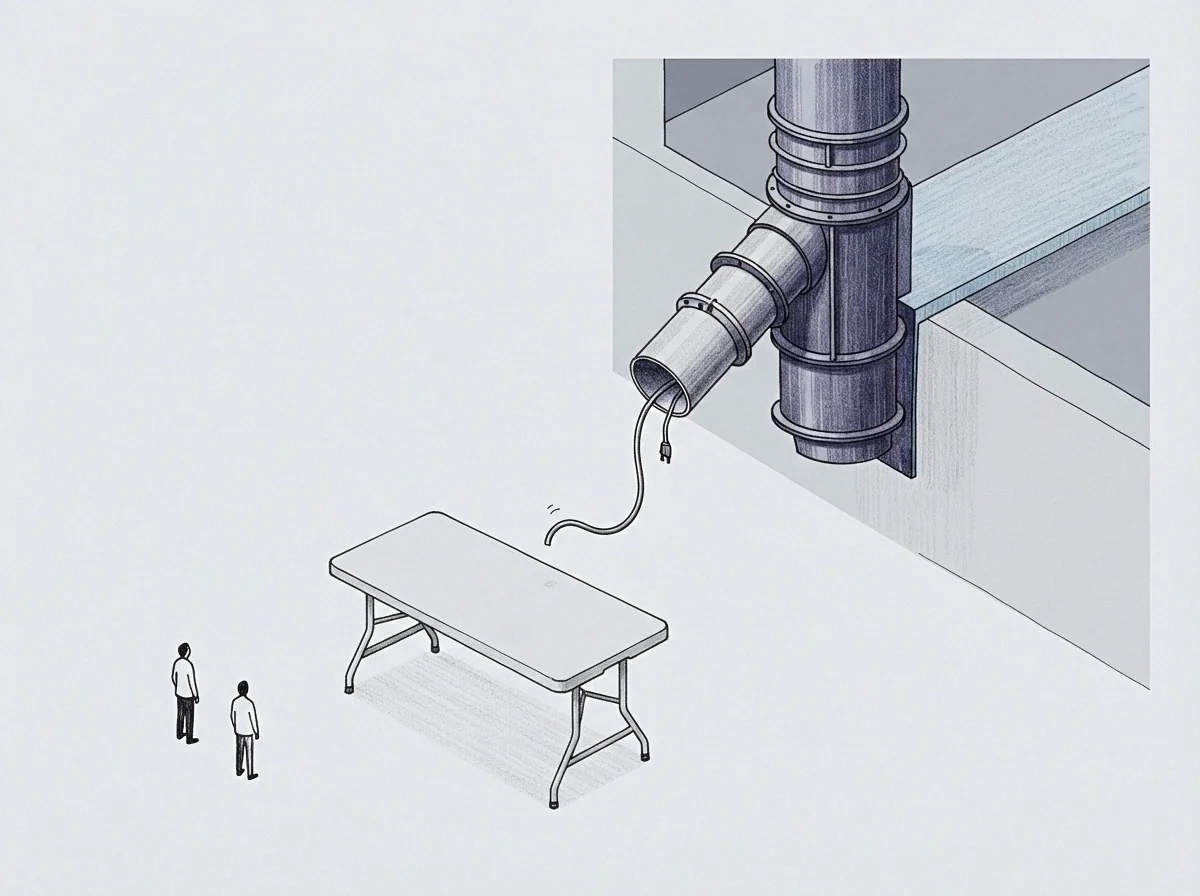
Synthetic transaction runners inject simulated end-to-end workflows across ingress endpoints. These runners create test user accounts, execute mock transactions, trigger internal workflow engines, and assert data persistence in the database tier. Synthetic probes run on five-second intervals, providing immediate warning of internal processing regressions.
Canary routing strategies govern the reintroduction of production traffic. Operators configure edge load balancers to route a small fraction of real inbound requests to the newly reactivated architecture, with the remaining traffic rejected or directed to maintenance status pages. As error budgets remain unviolated across multi-hour observation windows, the traffic allocation percentage increases systematically.
Reactivation requirements are fulfilled when telemetry validates steady-state processing at full operational throughput across forty-eight continuous hours without manual operator intervention.