
Rebuilding Cold Infrastructure From Preserved Backups and Schemas
Rebuilding cold infrastructure requires converting static schema definitions and cold data snapshots into verified, running compute topologies.
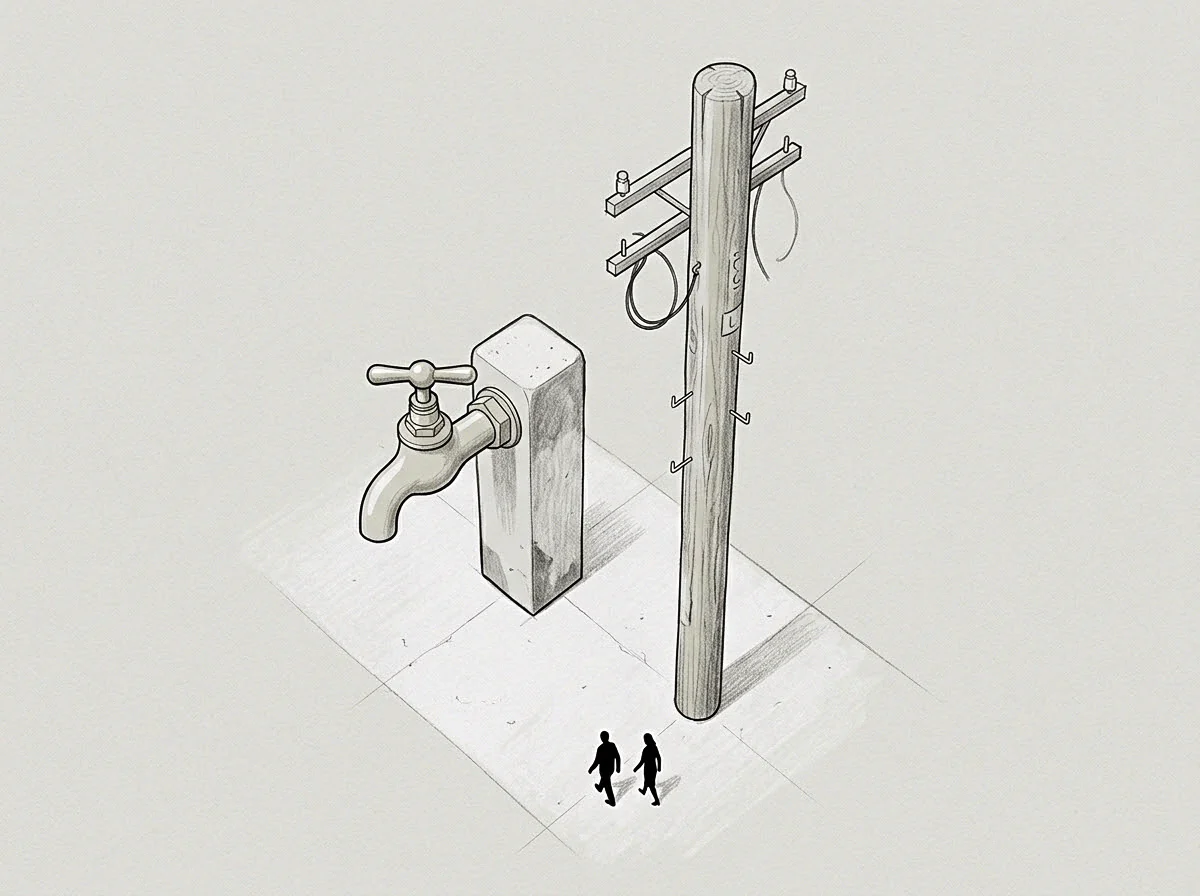
Node
An operator executes the initial database restore script against an isolated compute instance using schemas preserved twenty-four months earlier. The database dump sits silent. Static declarations define tables, relational keys, columnar types, and index constraints.
They leave network ingress paths, internal service discovery rules, and execution context unrecorded.
Cold infrastructure rebuilds start with disconnected artifacts. Database definitions and storage snapshots exist as dormant data payloads on remote object stores. Schema files specify data structures.
They fail to describe dynamic operational state. Static schemas lack dynamic routes. Recreating an environment from raw definitions exposes the gap between data layout and system runtime.
A schema definition preserves data shape while dropping dynamic network state.
The sequence breaks early. Compute instances provisioned from infrastructure manifests lack historical runtime context. Security groups, local hostname maps, and TLS certificate bindings require manual synthesis when absent from stored declarative manifests.
The operator reconstructs implicit network graphs from memory or fragmented internal documentation. Rebuilding cold environments forces every unstated dependency into view.
Failing to account for unstated environment dependencies forces manual configuration under emergency deadlines, multiplying the total hours spent by a factor of three.

Clock
Time degrades stored build environments long before physical media fails. Dependencies decay in isolation. A declarative configuration file referencing external binary repositories or package index mirrors risks total failure when those remote services drop support for legacy distribution tags.
The restoration clock ticks.

Temporal Friction in Immutable Preservation
Rehydrating software systems requires reconstructing the exact compilation pipeline that built the original binaries. Build chains collapse silently. Package repositories deprecate old toolchains, base operating system images vanish from registries, and cryptographic signing keys expire.
An operator holding valid database backups and pristine schema definitions faces structural failure when the compiler fails to assemble runtime binaries.
- Artifact Eviction External package repositories remove legacy distribution archives over time, causing automated software assembly pipelines to exit with missing package errors.
- Interface Drift Upstream external API endpoints modify underlying security transport requirements, rendering hardcoded authentication clients within preserved systems unable to establish network sessions.
- Credential Expiration Preserved configuration stores contain cryptographic certificates with fixed validity windows, blocking automated system boot sequences upon restoration.
Operating system image deprecation alters runtime behavior. Updating a base distribution layer to resolve compilation errors introduces modified system libraries. These modified libraries alter query performance characteristics against restored relational stores.
Cold storage conceals broken links. Small changes in dependency chains propagate into operational failures across restored cluster topologies.
The snapshot restored without error, but the application refuses to accept upstream connections.
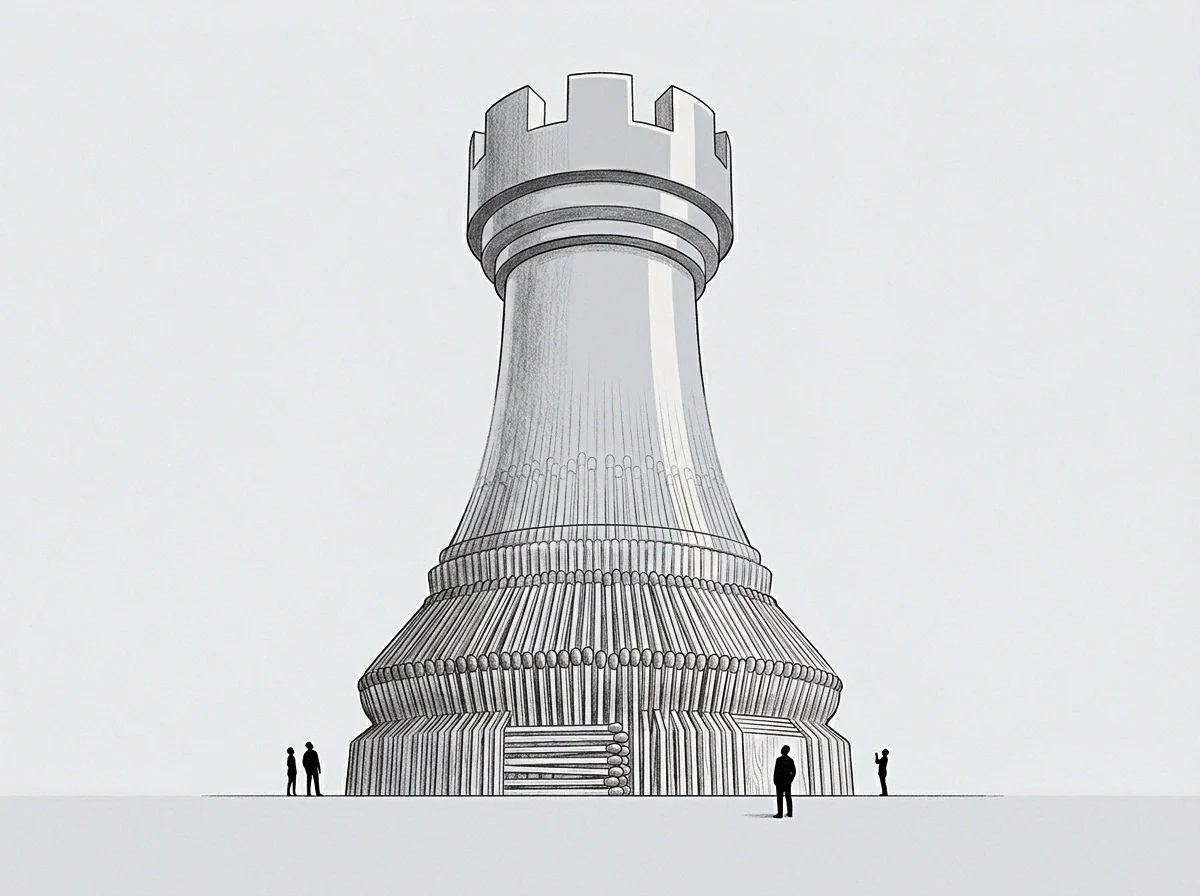
Trace
Sequenced verification transforms an unverified database dump into a functional service instance. Restoring raw disk blocks without verifying relational constraints creates silent corruption risk. Data schemas lack index statistics.
Importing data into an empty schema without adjusting target engine settings causes massive write amplification.
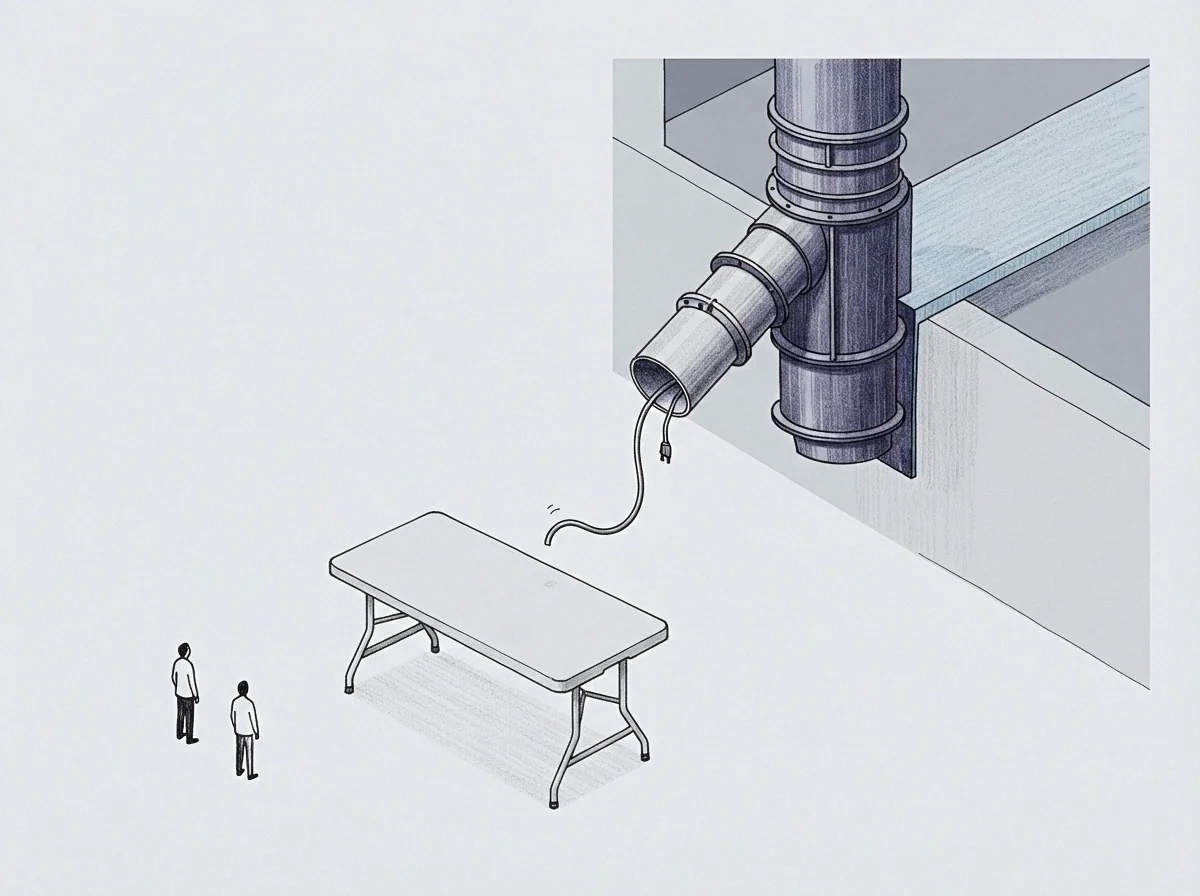
Should Schema Migration Run Before Data Ingestion?
Executing schema migration scripts prior to bulk data ingestion creates substantial disk IO overhead. Primary key indexes, foreign key references, and unique constraint checks evaluate every inserted row during bulk loading. Applying index definitions and constraints after raw record ingestion completes reduces total data rehydration time.
Index build operations run faster when executed after bulk record insertion finishes.
The restoration effort halts. Schema definitions omit database engine configuration settings. Memory buffers, write-ahead log sizes, and parallel worker allocations default to fresh install baselines during system recreation.
The database administrator tunes the target engine configuration specifically for bulk ingestion before executing baseline restoration pipelines. Implicit state escapes the dump.
State verification consumes attention. Restoring snapshot files without corresponding write-ahead log sequences leaves transactions incomplete. The recovery sequence mandates executing consistency verification utilities against restored storage tables before opening ingress ports to client applications.
Whether historical telemetry tables warrant full restoration during emergency rehydration remains unresolved when storage capacity constraints collide with operational recovery timelines.
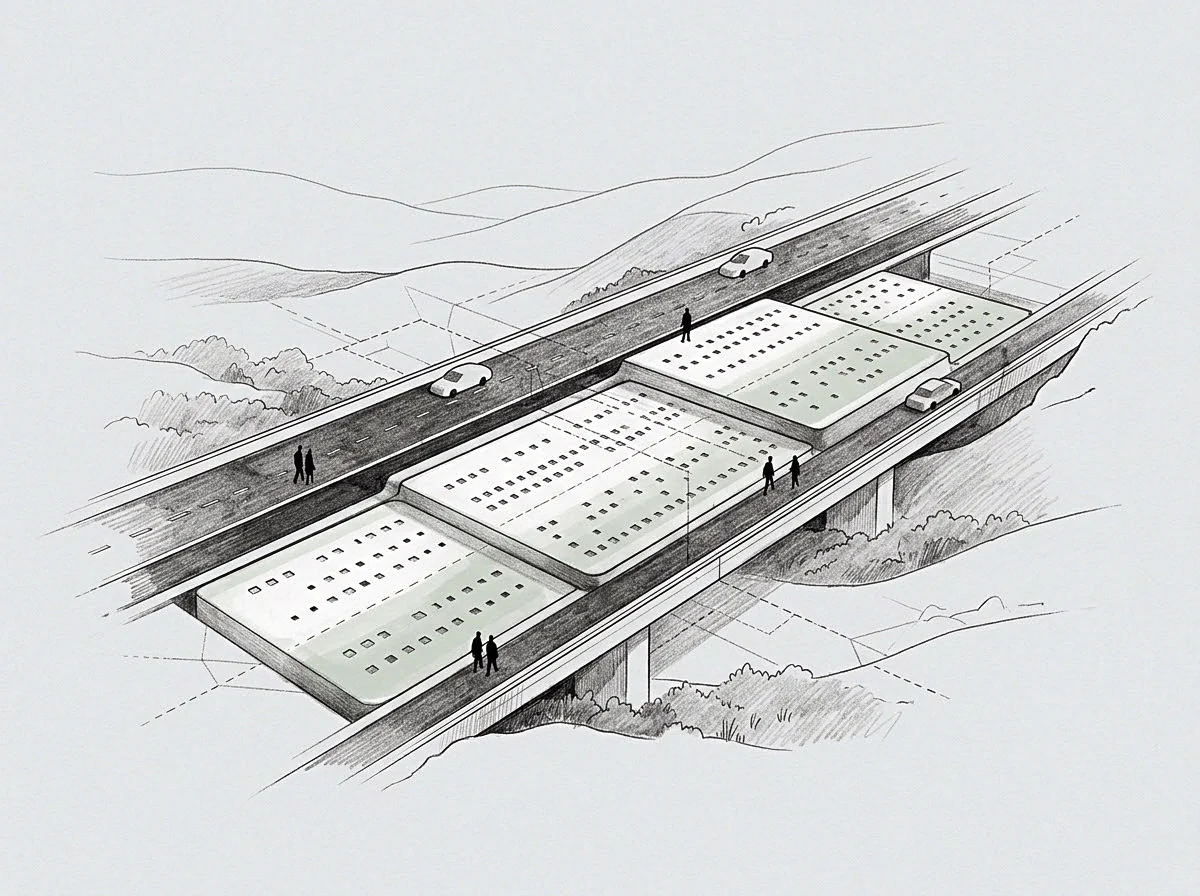
Cost
Calculating the total resources required to resurrect dormant systems demands decomposing the recovery vector into distinct components. Hours spent by engineering personnel, consumed operational capacity, lost system availability, and cardinal financial expenditures on temporary compute instances represent separate magnitudes. The network route remains missing.
Storage price stays low. Maintaining static snapshots on low-cost object storage incurs minimal monthly financial outlay. Converting those static snapshots into running infrastructure consumes massive engineering attention and operational capacity when executed under time pressure.
The true cost of cold preservation remains hidden until rehydration starts.
| Recovery Strategy | Storage Price | Hours Vector | Dependency Risk | Operational Insight |
|---|---|---|---|---|
| Cold Schema Reconstruction | Low | High | High | High Gained |
| Warm Standby Topology | High | Low | Low | Minimal Gained |
| Snapshot Rehydration | Medium | Medium | Medium | Moderate Gained |
The distinction between cardinal storage price and the ordinal vector of internal recovery hours shapes infrastructure architecture decisions. A low monthly cloud storage invoice obscures the high operational cost of manual dependency resolution during emergency restoration events. Engineering teams evaluating disaster readiness measure both figures.
- Topology Provisioning Virtual networks, firewall rules, and compute instances instantiate from declarative manifests.
- Schema Initialization Database engines initialize empty relational structures and target data definitions.
- Bulk Ingestion Preserved data archives stream into target storage volumes through parallel channels.
- State Validation System integrity checks verify checksums and relational constraints across restored tables.
System rehydration transforms static operational knowledge into organizational competence. Engineers executing a cold rebuild gain deep familiarity with low-level system dependencies, network paths, and runtime configuration limits. This technical experience balances against the hours lost during recovery operations.
The inclusion of an explicit checksum validation clause in the backup protocol converts baseline operational uncertainty into a deterministic verification step.
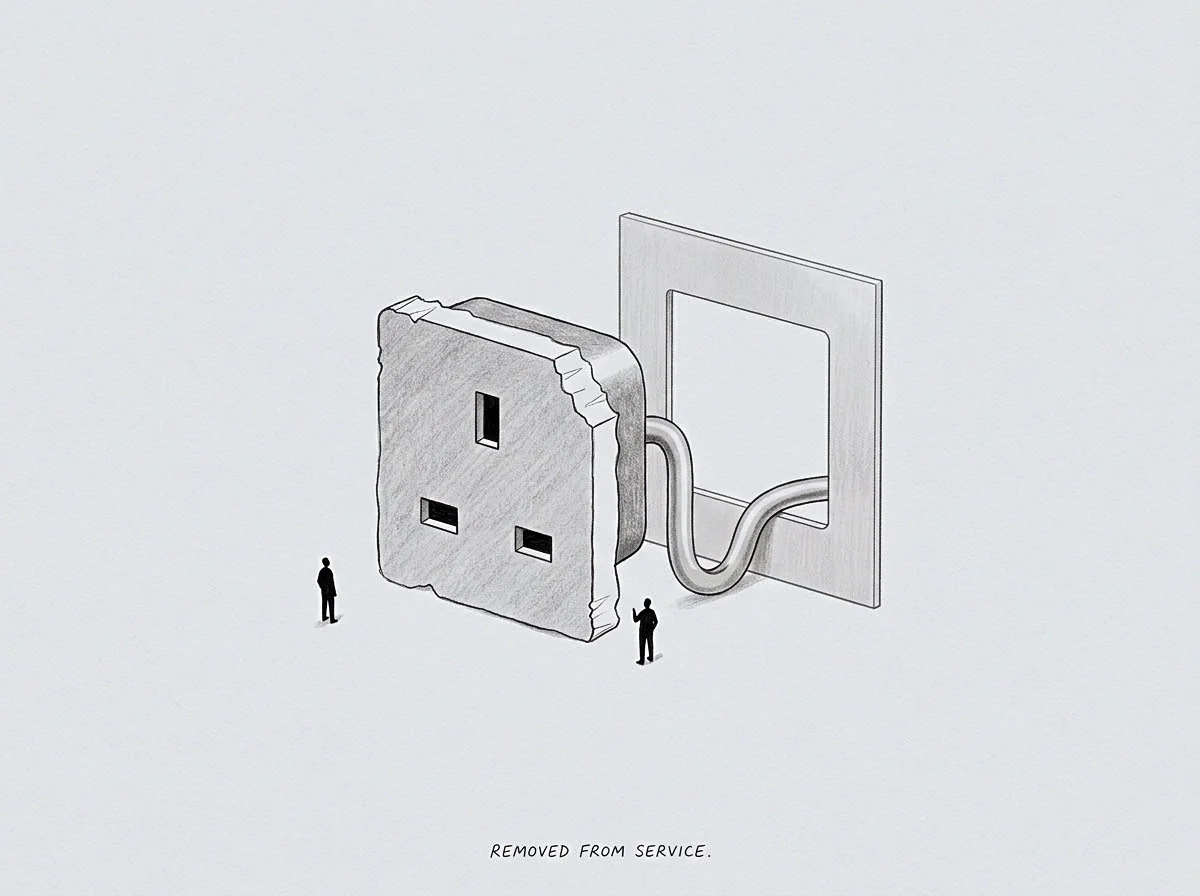
Vault
Immutable archive storage locks snapshot state against environmental changes. Storing compiled application binaries alongside database dumps eliminates runtime dependency decay. Cold preservation requires container images, database definitions, and environment variables to reside in a unified, read-only storage container.

Deterministic Preservation Strategy
Isolating build artifacts from external network access prevents supply chain corruption. Storing third-party dependencies inside local, read-only mirror archives shields historical build systems from upstream repository deletions. Schema declarations omit runtime state.
Operational documentation must exist inside the preserved vault artifact itself. Storing recovery runbooks in external cloud documents introduces access dependencies when primary identity providers experience outages. Storing versioned recovery scripts alongside database schemas ensures recovery procedures remain accessible during total infrastructure failure.
Preserving compiled binary artifacts alongside database schemas prevents build chain failure during emergency recovery.
Validating cold archives requires routine dry-run restorations on isolated network segments. Automated testing pipelines deploy preserved schemas and snapshots into clean environments monthly, measuring recovery hours vectors against operational baseline targets.
Storing application binaries, base system images, database schemas, and cryptographic keys within a single immutable archive eliminates external dependency reliance during infrastructure rehydration.