
Resolving Unsynchronized Data Schemas Across External API Integrations After Prolonged Downtime
Decoupled raw staging and automated schema diffing prevent post-outage external API contract alterations from corrupting downstream production datastores.
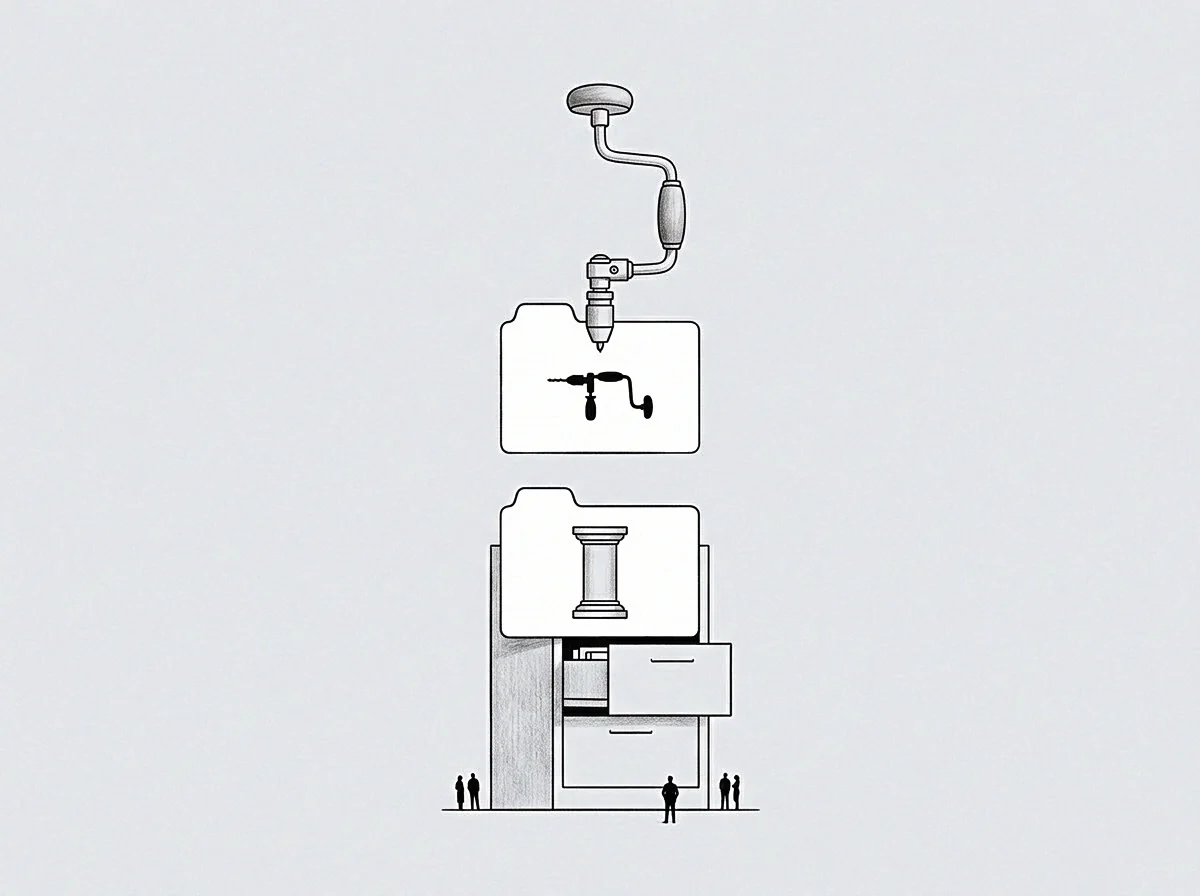
Floor
Extended outages in external third-party services create a compound failure domain. When an upstream platform remains unreachable for hours or days, its internal product teams frequently deploy delayed code releases, apply database migrations, or adjust response payloads to resolve the root incident. Downstream consumer systems, isolating the connectivity failure, continue to accumulate queued outgoing calls or record frozen state markers.
Upon power restoration, the downstream service resumes data transfer under the assumption that the wire specification remains identical to the pre-outage baseline. The incoming response body arrives with altered key identifiers, modified timestamp formats, nested field structures, or dropped parameters.
Operational telemetry during recovery usually misclassifies structural mismatch as service instability. Ingestion handlers parse incoming payloads using cached structural definitions, triggering high-volume exception cascades inside deserialization layers. The resulting retries exhaust network socket pools and corrupt application state before engineering teams identify that the remote contract changed while the endpoint was dark.
The financial price of the outage multiplies across two distinct operational phases: the passive window of complete downtime and the active window of internal processing failure caused by silent contract drift.
An unannounced structural modification in an external service payload forces downstream ingestion pipelines into immediate retry loops that inflate compute expenditure while masking data corruption.
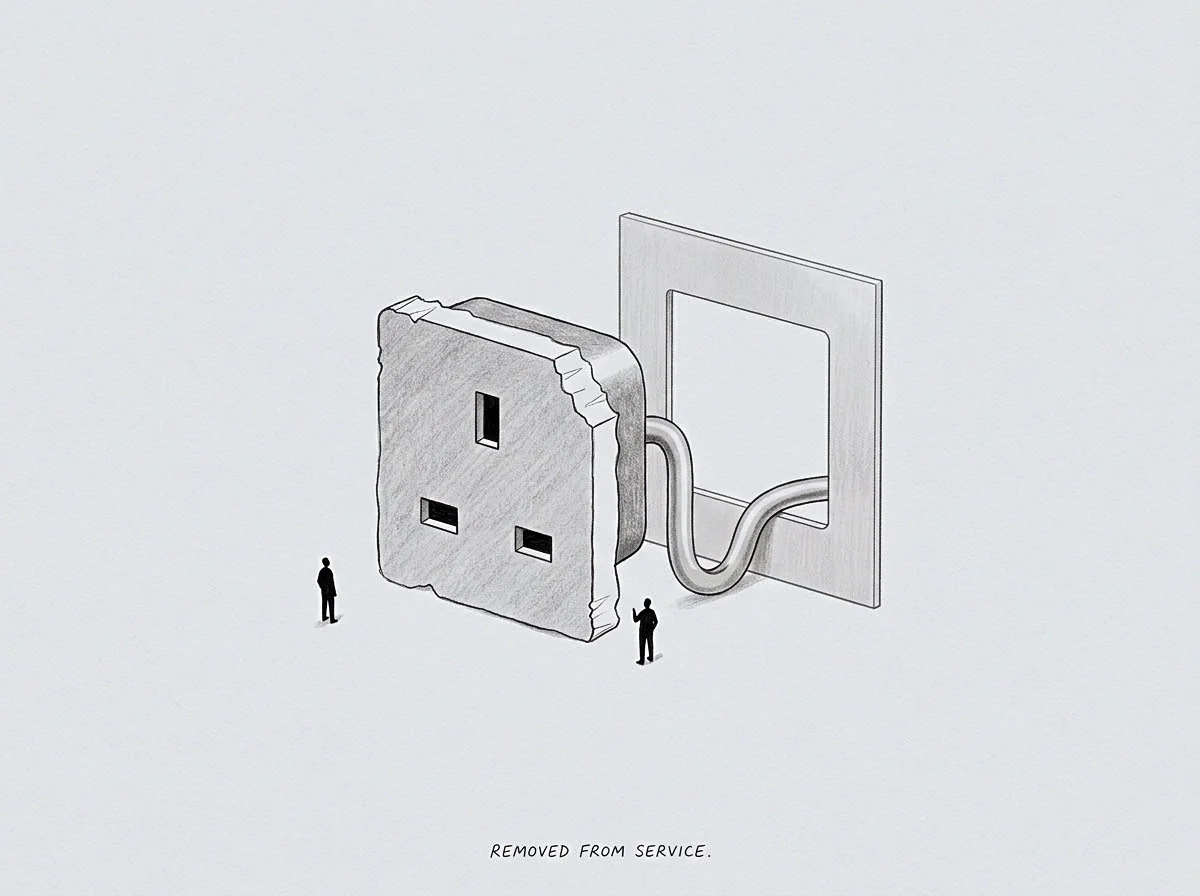
Ingestion Breakdown and Silent Corruption
Payload parsing failure exhibits two primary manifestations across modern HTTP pipelines. The first is explicit execution failure, where deserializers throw strict type errors, causing worker threads to abort processing and drop jobs into dead-letter queues. Explicit failure preserves data boundaries at the cost of immediate service availability.
System queues fill rapidly, memory pressure accelerates, and retry counters breach threshold limits across dependent microservices. The failure manifests clearly within logging dashboards, drawing immediate response resources toward endpoint isolation.
The second manifestation presents greater operational risk: soft structural acceptance. Weakly typed ingestion pipelines or flexible schema parsers map unannounced fields into default fallback nulls, empty strings, or dropped key-value sets. Database records persist incomplete entities without raising pipeline exceptions.
Downstream analytical models, accounting ledger engines, and reporting tables store truncated data assets for weeks before an operational audit reveals missing fields across historical records. Repairing silent historical drift demands manual database reconstruction, custom migration scripts, and exhaustive audit validation.
When an integration pipeline processes altered schema payloads without structural validation, downstream systems store truncated records that require manual database reconstruction.

Buffer
Isolating application runtime environments from external API volatility requires an explicit boundary layer. Standard network architecture routes third-party API HTTP responses directly into domain models or application services. Direct binding exposes internal transactional boundaries to external contract modifications.
When an external partner modifies a payload response format during an extended service disruption, direct ingestion immediately contaminates internal microservice logic.
A decoupled ingestion architectural model establishes an unparsed staging layer between external wire boundaries and internal relational datastores. Incoming API payloads write directly to raw payload storage without immediate type casting or domain conversion. A secondary asynchronous processing loop reads raw payload blobs, runs structural verification routines, and transforms verified documents into internal domain structures.
The raw payload storage layer acts as a safety buffer during post-outage recovery windows, permitting engineers to pause transformation workers without dropping incoming API payloads from upstream providers.

Isolating Payload Ingestion From Domain Translation
Structural isolation patterns rely on strict separation between network ingestion handlers and domain models. The ingestion tier executes minimal compute operations, accepting HTTP response bodies, stamping temporal markers, and appending metadata headers before writing raw structures to storage. Domain transformation logic operates as a downstream consumer of these staged records.
- Raw Payload Staging secures unparsed API responses into immutable storage before execution of structural validation logic.
- Schema Verification Gateways test staged payload documents against expected contract definitions prior to application object hydration.
- Quarantine Storage Pools divert malformed or unmapped payload payloads out of standard processing queues into isolated inspection stores.
- Dynamic Replay Engines re-evaluate quarantined payload batches through updated transformation handlers following schema patch deployments.
Staging incoming API responses inside raw storage before running transformation logic prevents unannounced endpoint modifications from corrupting internal domain datastores.

Quarantine Protocols for Malformed Payload Arrays
When validation workers detect structural divergence within staged API payloads, the ingestion pipeline routes affected records directly to quarantine storage pools. Standard execution logic stops for that specific record, while non-divergent records continue through normal domain ingestion pathways. Quarantine mechanisms preserve processing continuity across unaffected application features while halting execution on modified endpoints.
Alert triggers fire upon initial quarantine routing, providing engineering teams with raw payload snapshots, baseline contract expectations, and structural difference reports. Operators examine the structural variance to determine whether the remote partner deployed a breaking change, an intentional schema deprecation, or a bug fix. Quarantine stores remain locked until pipeline operators supply updated transformation maps, allowing retrofitted processing workers to re-evaluate staged records without lost order history.
Payload payloads that fail schema validation belong in isolated quarantine stores while valid payloads process unimpeded.

Delta
Calculating the exact distance between baseline payload specifications and post-outage API responses requires automated structural diffing. Schema variance analysis evaluates field existence, data type shifts, nullability constraints, and array nesting variations across incoming payload batches. Manual inspection of JSON documents during outage recovery delays system restoration and introduces human error into transformation mapping updates.
Automated delta analysis compares incoming raw payload blobs against standard JSON Schema definitions, OpenAPI specifications, or Protocol Buffer descriptors. The diffing engine generates an execution delta report highlighting breaking changes, such as dropped parameters or type conversions, alongside non-breaking updates like additive fields. Isolating breaking changes guides developers directly to affected code lines inside domain mappers, reducing recovery time objectives following prolonged third-party downtime.
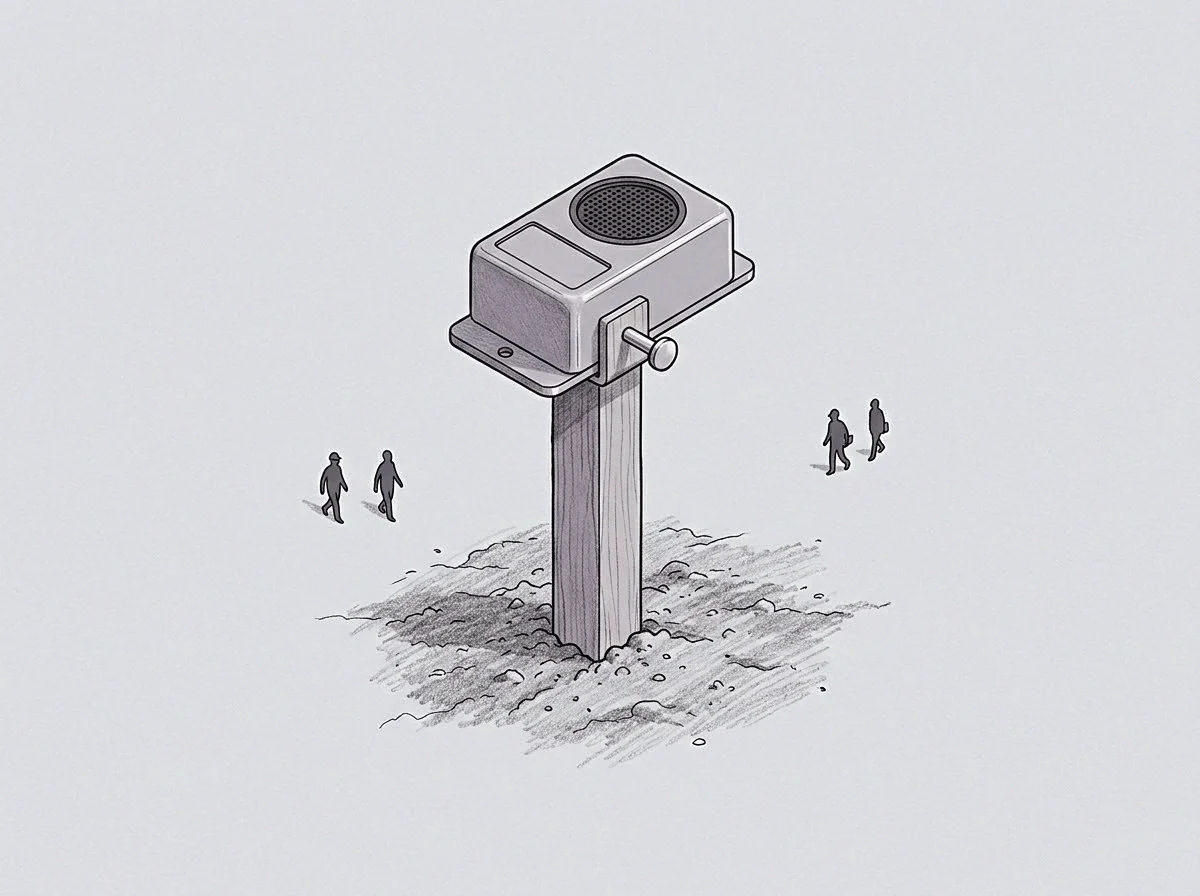
Automated Diffing and Contract Inspection
Structural diffing algorithms operate by recursing through JSON tree hierarchies to map path keys against target type rules. The comparison script identifies missing mandatory fields, altered field identifiers, converted scalar types, and structural array shifts.
- Load incoming raw API payload from post-outage quarantine staging pools.
- Retrieve registered pre-outage API schema definition from operational schema registry.
- Traverse structural node tree to map payload keys against defined schema properties.
- Flag type conversion mismatches, string format variations, and missing required attributes.
- Generate scalar divergence scores to classify payload compatibility risk profiles.
- Output machine-readable structural delta artifacts to developer remediation pipelines.
Structural comparison tools locate exact field variations between expected contracts and post-outage responses, accelerating engineering patch deployments.

How Far Can Schema Divergence Accumulate Unnoticed?
Unnoticed structural divergence expands across system boundaries relative to the flexibility of the ingestion parser. Strongly typed languages, such as Rust, Go, or Java, reject structural shifts at deserialization boundaries when unexpected fields arrive or required fields vanish. The process fails immediately, halting the error at the network boundary.
Dynamic environments, such as Python or JavaScript, frequently ignore unmapped fields or coerce types silently, allowing structural divergence to creep deep into storage systems, cache layers, and business rules.
The time required to detect silent structural divergence scales non-linearly with payload volume. A pipeline ingesting millions of API responses daily can accumulate millions of truncated database records within hours. Finding every contaminated row demands custom analytical queries, historical database rollback windows, and manual field reconciliation.
Structural divergence left unchecked for extended periods degrades data integrity across internal reporting metrics and downstream customer feature dashboards.
Dynamic language ingestion layers allow missing payload attributes to pass quietly into production database stores, creating long-term operational recovery costs.
What structural threshold triggers automated pipeline shutdown before dirty records enter secondary cache tiers?

Frame
Selecting an operational recovery strategy following an unannounced third-party schema shift requires clear evaluation of backfill methodologies. Systems operators choose between re-ingesting raw historical payloads through updated mapping logic, replaying event logs directly from upstream sources, or applying targeted structural translation patches to quarantined database entities. Each choice balances compute costs, developer hours, system memory footprints, and data validation timelines.
The table below compares three standard backfill strategies used to clear post-outage quarantine queues and resynchronize unsynchronized API data layers.
| Backfill Strategy | Engineering Hours Vector | Operational Risk Level | Upstream Payload Reliance | Capability Gained |
|---|---|---|---|---|
| Direct Payload Re-ingest | Low (10 to 20 hours) | Moderate (High CPU Load) | Low (Uses Local Raw Staging) | Validates Staged Raw Payload Storage |
| Structural Translation Ingestion | High (40 to 80 hours) | Low (Isolated Transformations) | None (Operates on Local Storage) | Establishes Multi-Schema Mapper Layer |
| Upstream Endpoint Stream Replay | Moderate (20 to 30 hours) | High (Upstream Rate Limits) | Absolute (Requires Upstream Access) | Verifies Remote Stream Continuity |

Evaluating Backfill Strategy Vectors
Direct payload re-ingest leverages raw payload staging pools stored during the initial outage window. Once engineers update domain mappers to accommodate post-outage schema shifts, quarantine processing workers re-evaluate stored raw JSON payloads. Compute consumption spikes as systems process days of buffered data, but operational risk remains controlled because operations draw entirely from local, immutable staging datastores.
Structural translation ingestion builds custom inline conversion scripts designed to modify quarantined records directly within application database tables. This approach bypasses total re-ingestion, saving network bandwidth and compute cycles. The strategy demands substantial engineering allocation, as developers must construct, test, and execute custom database update queries across production data tables under operational time pressures.
Upstream stream replay relies on requesting historical event streams directly from the external third-party API provider. This strategy exposes system recovery to external rate limits, network constraints, and potential upstream data loss. The partner team might not store historical stream logs, rendering total state recovery impossible if local raw payload buffers were not maintained during the outage window.
The external engineering group updated their API response contract while repairing their main datastore over the weekend, leaving downstream integrators to rebuild their parsing logic under operational pressure.

Ledge
Resolving schema divergence across external API integrations after prolonged downtime demands a structured operational sequence. Integrators who rely on assumptions of upstream contract stability suffer persistent validation errors, corrupt datastores, and wasted compute spend. Securing system resilience requires establishing immutable payload buffering, deploying automated structural comparison tooling, and maintaining explicit quarantine routines for malformed API payloads.
When an external API endpoint resumes transmission after extended downtime, system operators enforce strict circuit-breaking policies. Network adapters accept incoming responses only into isolated raw staging environments. Automated diffing services compare post-outage payloads against registered baseline schemas, generating structural delta alerts at the first instance of field deletion, key alteration, or type conversion.
Application mappers remain offline until delta verification processes confirm total contract compatibility.
Engineers deploy retrofitted domain mappers directly to transformation workers once schema alterations are analyzed. Staged raw payloads transition through structural verification gateways, routing valid data entities to primary application stores while isolating malformed structures within quarantine pools. Translation scripts process quarantined records, converting legacy payload formats into current domain expectations without dropping event history or consuming unnecessary upstream API resources.
Long-term operational resilience depends on treating every external integration as an unverified external dependency. API contracts change without warning, third-party outages occur unexpectedly, and upstream recovery processes routinely introduce unannounced payload adjustments. System architectures built around decoupled raw payload storage, explicit schema validation gates, and dynamic re-ingestion capabilities maintain operational continuity across any external integration volatility.