
Arbitrating Dynamic Branch Overhead Against Static Overprovisioning Costs Under Extreme Input Variance Regimes
Conditional execution sacrifices pipeline throughput under high entropy while static overprovisioning buys latency stability by wasting memory bus capacity.
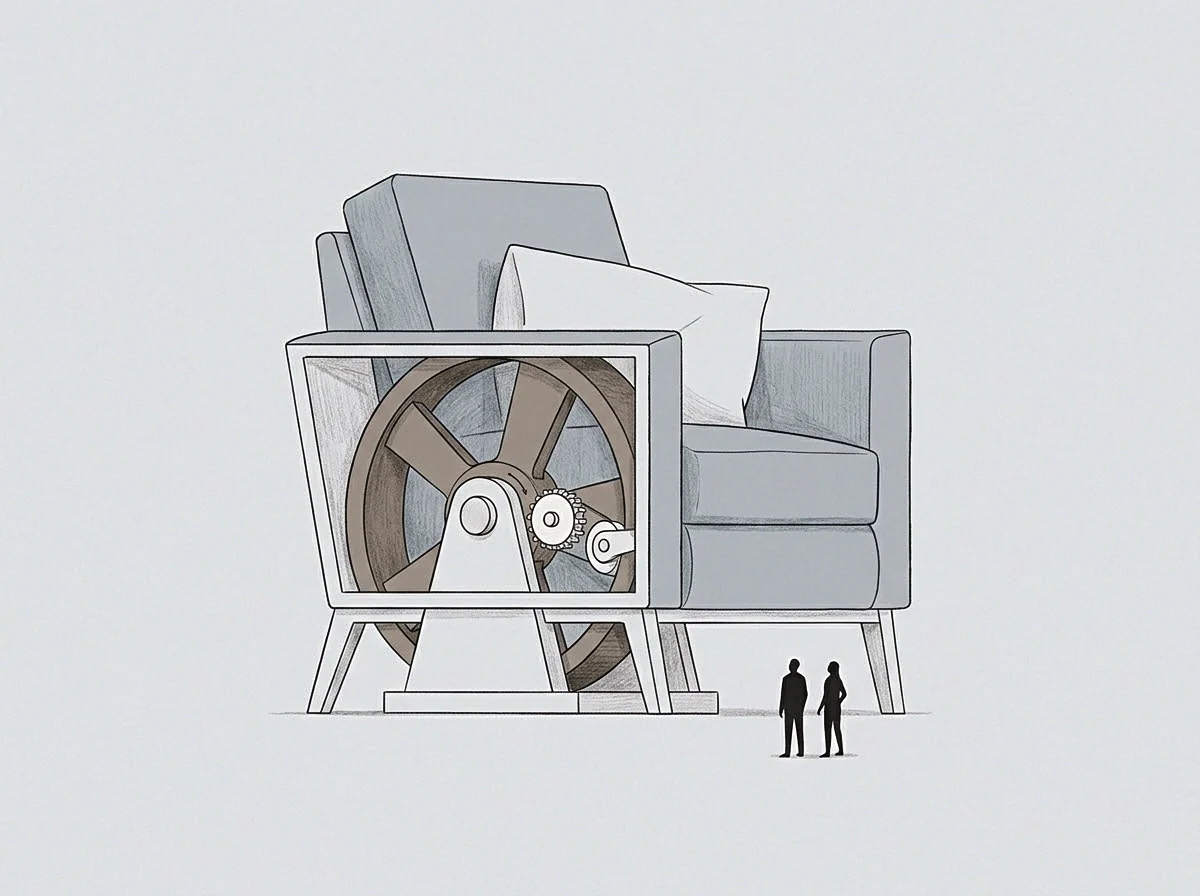
Floor
An operator watching cluster telemetry at three in the morning tracks two numbers that refuse to reconcile: ninety-ninth percentile response times hit forty-two milliseconds on an algorithmic inference batch with mixed tensor dimensions, yet hardware counters across the same sixty-second window show seventy percent idle execution slots on primary computing blocks. Compute units sit idle because the host interface cannot feed them quickly enough. Memory bandwidth saturates transferring zero bytes, and when a heavy batch pairs three large matrices with thousands of sparse vectors, the whole system stalls on the variation.
Execution systems run into physical limits at the interface between storage, buses, and arithmetic logic units. When input distributions drift toward high entropy, every architectural decision carries an ordinal penalty: an operator either pays runtime dispatch fees or buys excess silicon that sits idle for most of its service life. Transistors draw leakage current whether running dense matrix multiplications or cycling empty.
Baseline operational expenses stay fixed, but useful computational output swings across orders of magnitude.
A cluster running at ninety percent capacity burns power while delivering single-digit effective throughput on sparse tokens.
Hardware efficiency under heavy tails comes down to choosing between those two failure modes. Uniform workloads with fixed tensor shapes yield predictable pipeline timing, but extreme variance breaks that symmetry. A pipeline built for the average payload stalls the moment an oversized request locks up the memory bus; size that same pipeline for the observed peak, and every smaller payload drags empty padding through the execution stages.
Flooding buses with zero bytes pushes rack power to hardware ceilings while queuing latency compounds quietly across downstream nodes.

Variance
Payload shapes swing sharply from one request to the next. Structured workloads feed vectors within narrow margins around a known median, but live traffic tends toward Pareto or multimodal distributions where the ninety-ninth percentile can outstrip the median by a factor of ten or one hundred. A language request might carry four tokens in a health check or thirty-two thousand in a document run.
The two-microsecond baseline latency looks clean until that long tail takes over the queue.

Bimodal Payloads and Long Tail Distributions
Statistical spread breaks pipeline scheduling because instructions no longer occupy execution units for predictable spans. When a workload splits into two distinct groups, like short queries running alongside full document re-rankings, hardware demands clash. Sizing a static execution frame for the larger jobs forces memory buffers to match worst-case boundaries, meaning the smaller jobs finish in single-digit cycles only to sit blocked behind serialization barriers.
- Tail latency expansion degrades downstream throughput as slow execution batches hold memory locks and block subsequent queues.
- Bus saturation spikes occur when simultaneous oversized requests force multiple parallel transfers of uncompressed padding arrays.
- Register file starvation emerges when uneven thread occupancies lock out adjacent execution blocks from running shorter tasks.
- Thermal throttling events follow sustained bursts of maximum-width static allocations, forcing frequency drops across entire server sockets.
When payload size diverges by three orders of magnitude, static memory allocations waste ninety-four percent of total bus bandwidth on zeros.
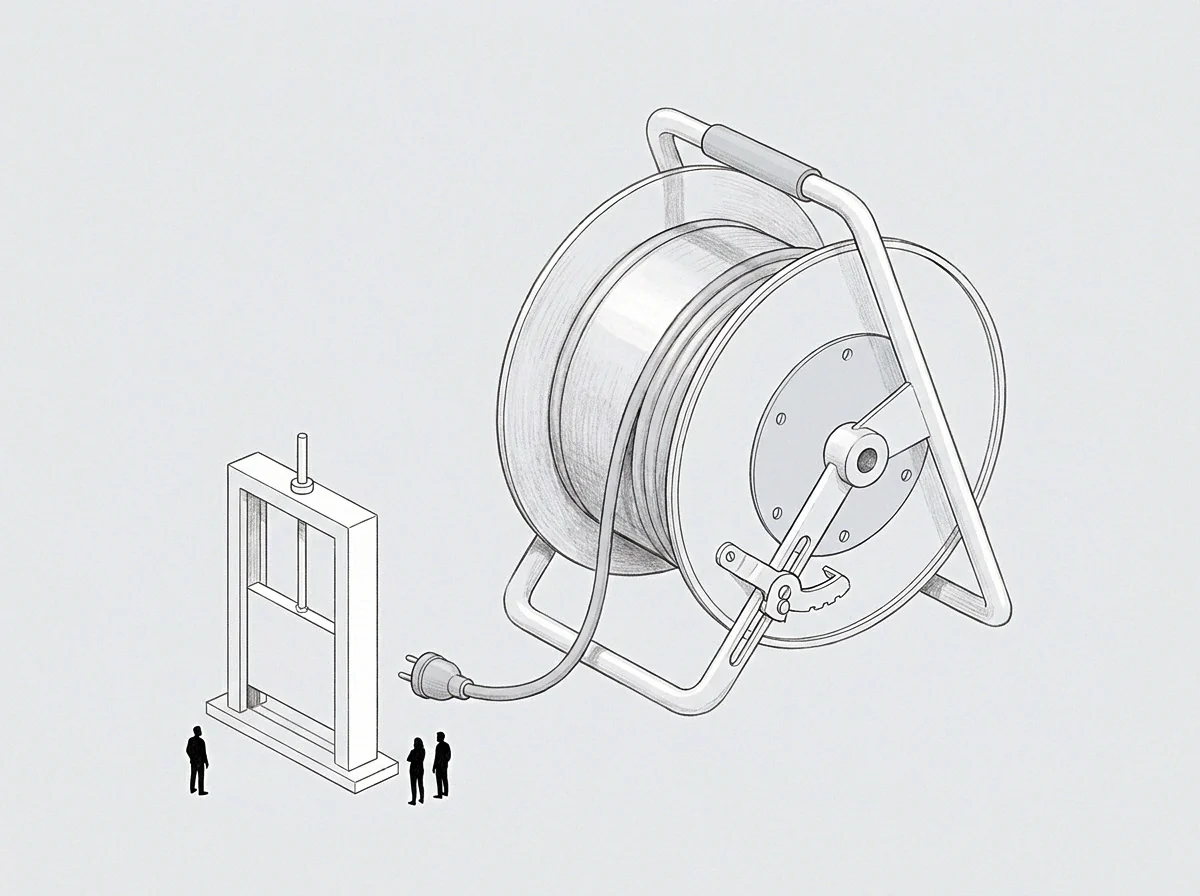
Input Invariance as a Diagnostic
Output timing that never changes regardless of input composition is the signature of a frozen architectural shortcut. When an engine takes the exact same time to process a four-byte payload as a four-megabyte one, it is running on static overprovisioning: predictable latency purchased at the expense of hardware utilization. Real compute work naturally scales with input entropy.
Dynamic execution paths alter latency to match data complexity, which is why a service level agreement demanding ninety-ninth percentile response times under ten milliseconds will force out speculative branching whenever token length kurtosis climbs above three.
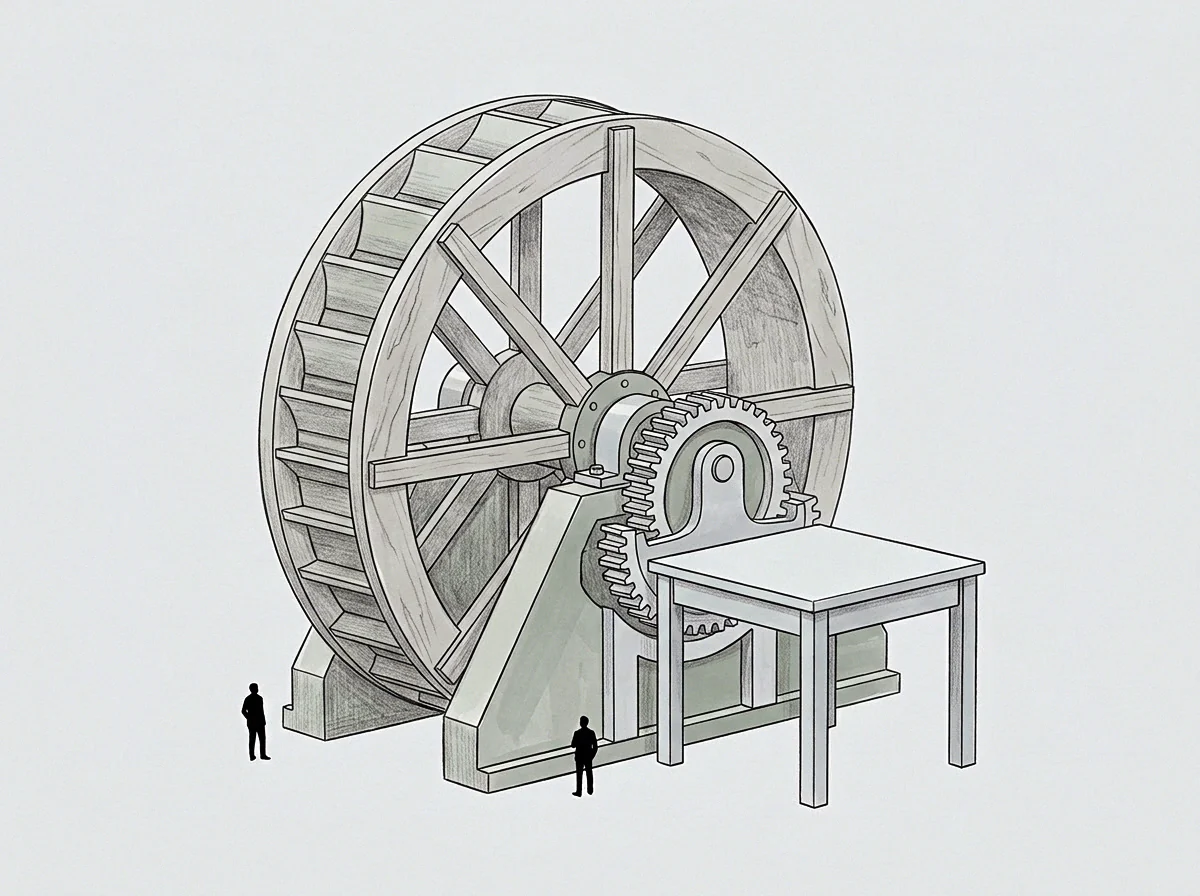
Switch
Conditional execution routes workloads through specialized kernels based on runtime inspection of incoming data. When an input parser detects an oversized payload, it diverts work away from the fast SIMD lane toward a fragmented, multi-pass sequence, where repeated branch mispredictions cost twenty clock cycles each. Steering around empty padding saves memory bandwidth for real data, but the inspection overhead introduces structural costs that escalate quickly under high variance.

Instruction Pipeline Penalties and Pipeline Bubbles
Control flow steering extracts a heavy penalty in deep execution pipelines. Processors and hardware accelerators depend on continuous instruction prefetching to keep arithmetic logic units saturated. The moment a data-dependent branch trips, the pipeline stalls while speculative instructions are cleared from execution buffers, sending stall cycles cascading through the core.
Under high input entropy, branch prediction logic deteriorates into guesswork, filling pipeline stages with bubbles that wipe out whatever memory bandwidth was saved by skipping padding.
- Input header parsing inspects dimensional metadata at the core interface, consuming cache space before arithmetic work starts.
- Kernel dispatch arbitration evaluates available thread blocks and issues specialized microcode corresponding to the identified payload size.
- Context switching overhead invalidates instruction cache lines as execution shifts from sparse to dense processing routines.
- Barrier synchronization delays force parallel threads to wait until the slowest conditional path finishes before releasing shared register blocks.
Instruction cache misses double whenever conditional dispatch routines handle more than twelve distinct kernel variants per thread group.

Should Pipeline Serialization Supersede Fixed Allocation Reservoirs?
The shape of the workload dictates whether serialized branch overhead is cheaper than constant allocation waste. If variance comes from occasional outliers, reserving full static headroom on silicon squanders capital; routing those rare inputs to a slower path keeps common execution lean. But when variance is continuous and lacks a stable median, conditional branches generate constant pipeline turbulence.
Evaluating conditions and swapping kernel instructions then costs more than simply running zero-padded operations through static registers, as branch serialization quickly degrades deep pipelines whenever input entropy overwhelms prediction tables.
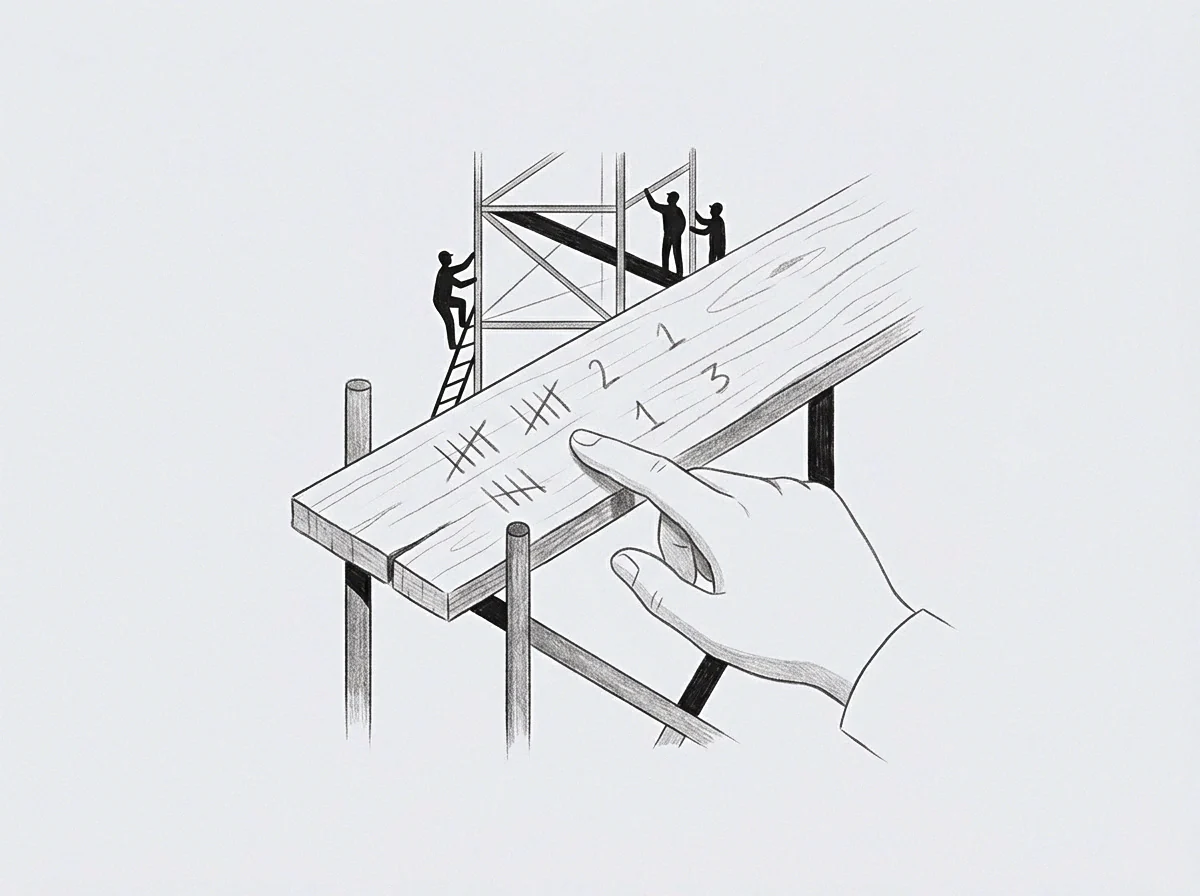
Slack
Static overprovisioning removes conditional branches by locking execution pipelines to maximum payload thresholds permanently. Sizing allocation registers for the largest possible dimensions forces the memory bus to saturate early, while smaller tensors pad out unused capacity with zeros. That upper-bound reservation buys completely deterministic timing: pipelines never stall on branch resolutions, instruction caches retain tight loops indefinitely, and hardware schedulers run without interruption.
The price of that consistency shows up on the balance sheet as wasted capacity.

Memory Footprints of Static Padding
Reserving fixed buffers across distributed compute clusters requires massive high-bandwidth memory allocations. When an execution block processes an input at one-tenth of buffer capacity, ninety percent of the transferred cache line is empty padding that displaces real data. Memory controllers pull zeros over high-speed interconnects, burning watt-hours just to move empty space.
The table below outlines resource tradeoffs between static reservation and conditional execution across key operational dimensions.
| Evaluation Metric | Static Allocation Pipeline | Conditional Branch Dispatch |
|---|---|---|
| Memory Bandwidth Waste | Elevated due to continuous transmission of zero-value padding arrays | Minimal as allocations match exact payload bounds |
| Latency Predictability | Deterministic across all inputs regardless of payload scale | Unstable with high variance at the ninety-ninth percentile |
| Instruction Cache Occupancy | Stable retention of uniform static kernel routines | Frequent eviction driven by diverse kernel variations |
| Pipeline Execution Stalls | Zero bubbles from control branching logic | Recurring bubbles caused by branch mispredictions |
| Operational Power Profile | Consistently high baseline power consumption | Variable power consumption tracking actual compute load |
Overprovisioning buys operational tranquility at the expense of continuous hardware waste.
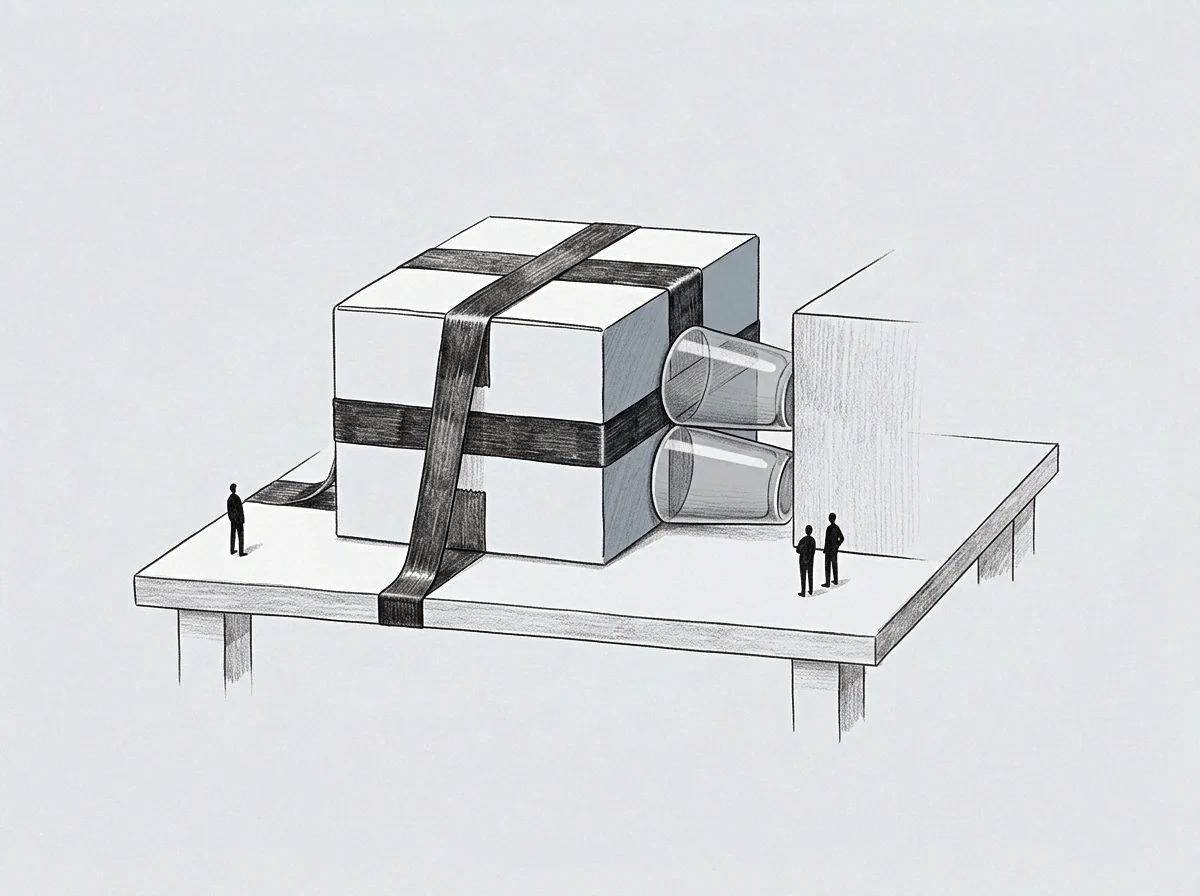
Quantifying the Inefficiency of Masked Operations
Modern vector processors use masked operations to keep padded zeros from corrupting arithmetic results. Masking protects mathematical correctness, but execution lanes still spend cycles running instructions that yield no useful state changes: ten vector units process data while eight simply write zeros back to memory. Sponsoring that hardware means paying for twenty accelerators to get the useful throughput of five.
Yet against the churn caused by pipeline jitter, paying for an overbuilt cluster lease remains the preferred expense.

Arbitration
Balancing conditional dispatch overhead against static overprovisioning requires rigorous empirical measurement across fixed evaluation windows. Hardcoding cutoffs without baseline data leads straight to runaway tail latencies or untenable server bills when execution times diverge by three orders of magnitude. The arbitration threshold marks the exact point of payload variance where the latency penalty of branch mispredictions and cache evictions equals the capital expense of moving padded allocations over the bus.

The Crossover Threshold in Latency Critical Systems
Finding the transition point between execution models depends on the delta between median runtimes and tail completion times. When payload variance stays within three standard deviations of the median, avoiding branch delays protects the pipeline, making static allocation faster overall despite minor memory waste. But once distribution variance stretches into long-tailed territory, where outliers exceed the median by a factor of twenty, static buffers become unsustainable: hardware costs scale directly with peak buffer sizes, whereas conditional branching fees scale only with the frequency of those outliers.

Constructing the Calibration Window
An operator needs at least thirty days of recorded traffic before committing to an execution architecture. Synthetic benchmarks produce false confidence by underestimating real payload entropy; live requests cluster into sudden, high-variance bursts that overwhelm dispatch schedulers. Calibrating against thirty-day patterns reveals the true balance between pipeline bubbles and padding overhead.
Even then, finding the exact line where specialized kernels balance out thermal throttling remains an open challenge whenever live distributions drift faster than telemetry can capture them.