
Measuring Static Headroom Allocation In High Variance Network Nodes
Static headroom allocation isolates idle capacity to absorb high-variance packet bursts, trading steady state channel utilization against peak loss prevention.
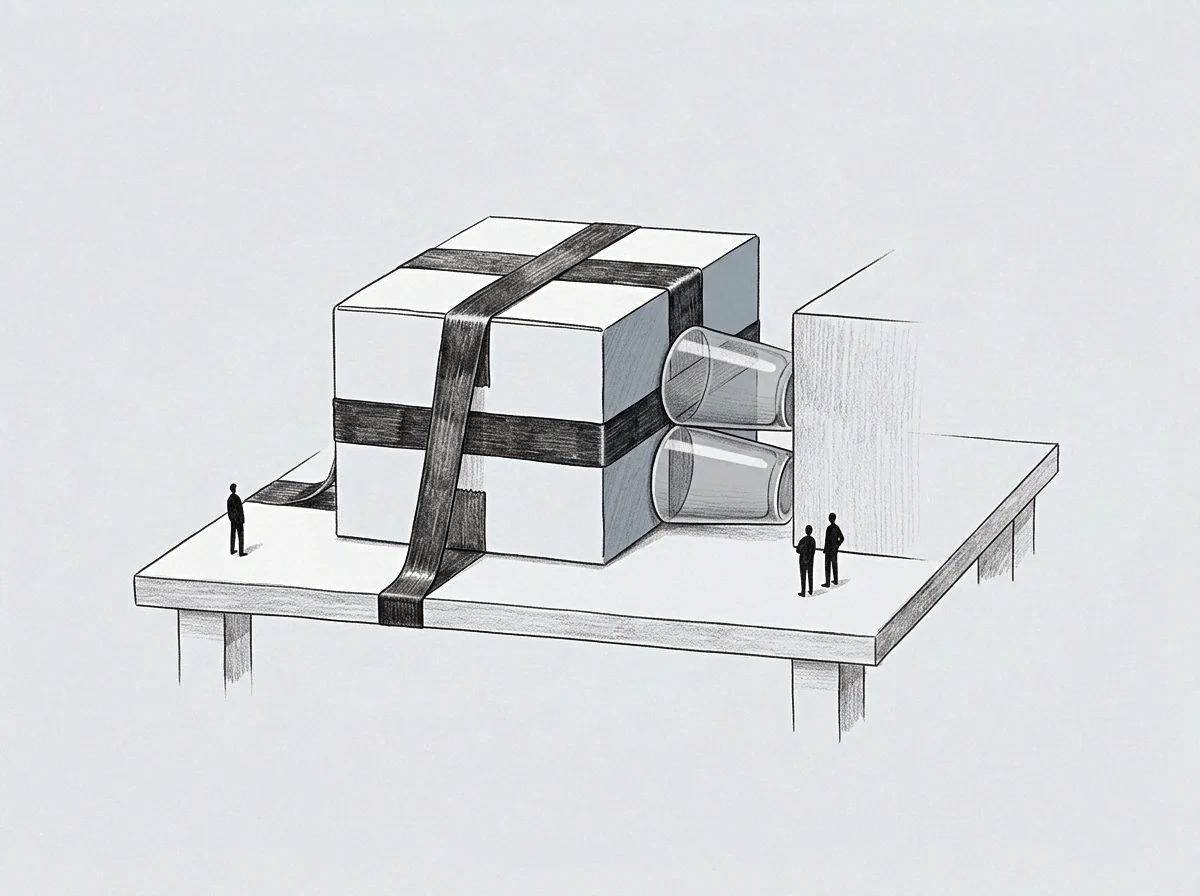
Ceiling
A transit monitor displays zero transmission errors across sixty minutes while packet drops spike within five-millisecond intervals. Ingress flow rates swing by three orders of magnitude between consecutive sampling windows. A supervisor examining the utilization line sees forty percent mean occupancy on the primary trunk.
The hardware appears half empty while ingress buffers dump packets onto the floor. Standard capacity models treat that gap as waste, and operators view unallocated throughput as an operational failure when mean rates stay low.
The discrepancy comes from the distribution profile of irregular transmission points. Packet arrivals rarely follow Gaussian distributions in production environments with high burst factors. Instead, traffic arrives in dense clusters followed by long silences.
When capacity is provisioned strictly to the average rate, instantaneous spikes saturate the input stage within microseconds. Static headroom allocation assigns an invariant block of uncommitted throughput specifically to damp those instantaneous peaks.
The dashboard displays empty transit channels alongside discarded payloads during the same polling interval.
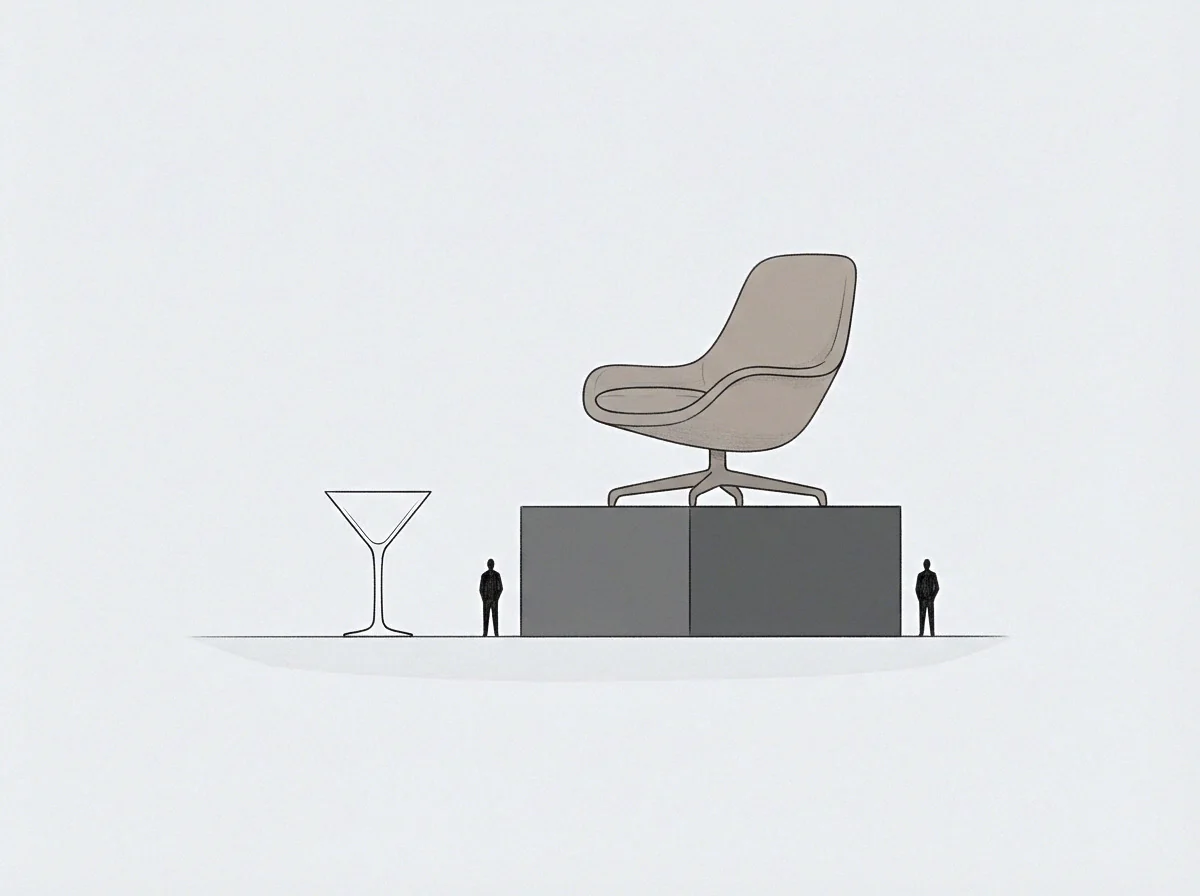
Ingress Variance Above The Mean Load
Payload volume swings across short intervals create steep gradients on ingress queues. The value axis plots packet delivery success against time, yielding a gradient that reflects the local rate of queue accumulation. When this gradient turns negative, packets accumulate faster than the serializer can clear the FIFO registers, driving the buffer straight toward exhaustion.
A node processing traffic with a Pareto distribution cannot rely on dynamic allocation loops to absorb incoming bursts. Dynamic feedback loops take hundreds of round-trip cycles to signal upstream transmitters, meaning microsecond spikes overrun the ingress port before a pause frame ever reaches the sender. Without a static reservation, peak volume crashes against the hardware boundary and saturates finite buffers.
The operator must hold a dedicated margin above the moving median to protect against tail drop.
The unspent volume set aside in a static allocation acts as an inverted profile of the worst anticipated burst. Mirroring the descent gradient above the baseline defines the exact latent volume needed to preserve throughput continuity during a spike event. That latent capacity accrues transmission fees every minute it sits untouched.
While cardinal pricing bills for total channel bandwidth, the true cost shows up in tail latency and dropped connection state. The operational contract defines an allocation threshold of twenty percent minimum unreserved link margin before shedding lower tier traffic classes.
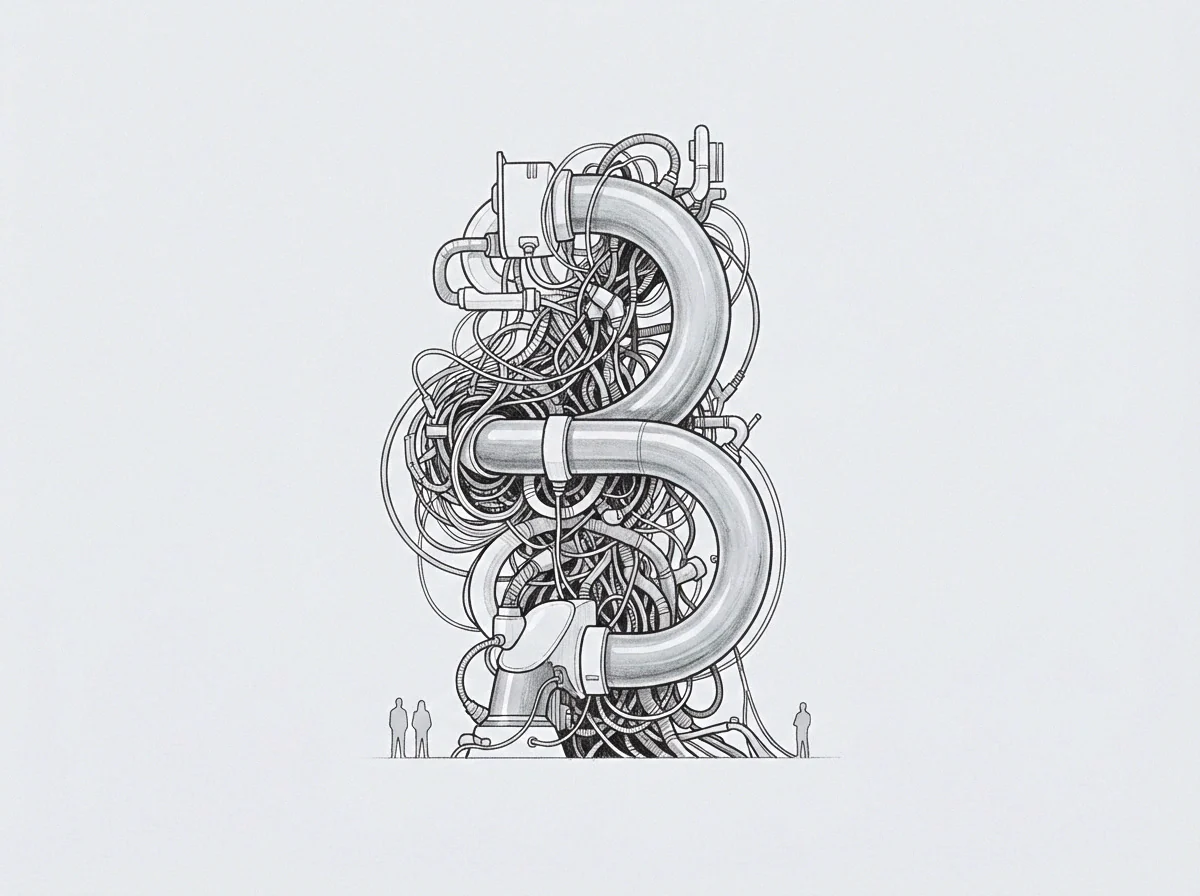
Reserve
Ingress queues require explicit boundary calculations to survive heavy-tailed volume spikes without degrading transit latency. When an operator assigns static headroom, that block operates as a hard floor beneath which general payloads cannot trespass, functioning as an intentional deadband. The system routes around this dedicated throughput margin during routine operations while unprocessed burst capacity accumulates directly behind the boundary.
System designers calculate this dedicated capacity through empirical percentiles rather than standard deviation multiples. In high-variance distribution nodes, second and third moments diverge under heavy load conditions, making Chebyshev bounds overestimate mid-tier safety while underestimating extreme tail risk. Static bounds instead lock channel capacity against worst-case microburst coefficients derived from trace telemetry.
Engineers manage three primary states when holding uncommitted transit headroom across high-variance nodes:
- Hard reserved headroom isolates physical switch queues so that unexpected traffic volume from secondary tenants cannot consume ingress queue depth allocated to critical telemetry.
- Elastic burst partition releases unassigned transmission slots to background bulk traffic only when instantaneous queue occupancy remains below the lower hysteresis threshold for twelve consecutive polling cycles.
- Depleted headroom state occurs when incoming burst intensity exceeds static allocations, forcing the node into immediate tail drop and signaling hardware throttles across connected backplanes.
Memory allocation fixes maximum holding capacity. When an operator locks too much headroom into rigid static partitions, adjacent services starve for baseline capacity. Because mean throughput figures obscure instantaneous variance, the resulting imbalance creates artificial queue pressure on regular traffic classes while the reserved headroom sits empty, compounding recurring hardware expenditure.
Miscalculating the ratio of static headroom to dynamic buffer allocation causes severe systemic degradation across distributed interfaces. Because statically locked buffers cannot rebalance, the error signal records lost packets and upstream TCP connections collapse into global synchronization, causing transit channels to swing violently between congestion and dead silence.
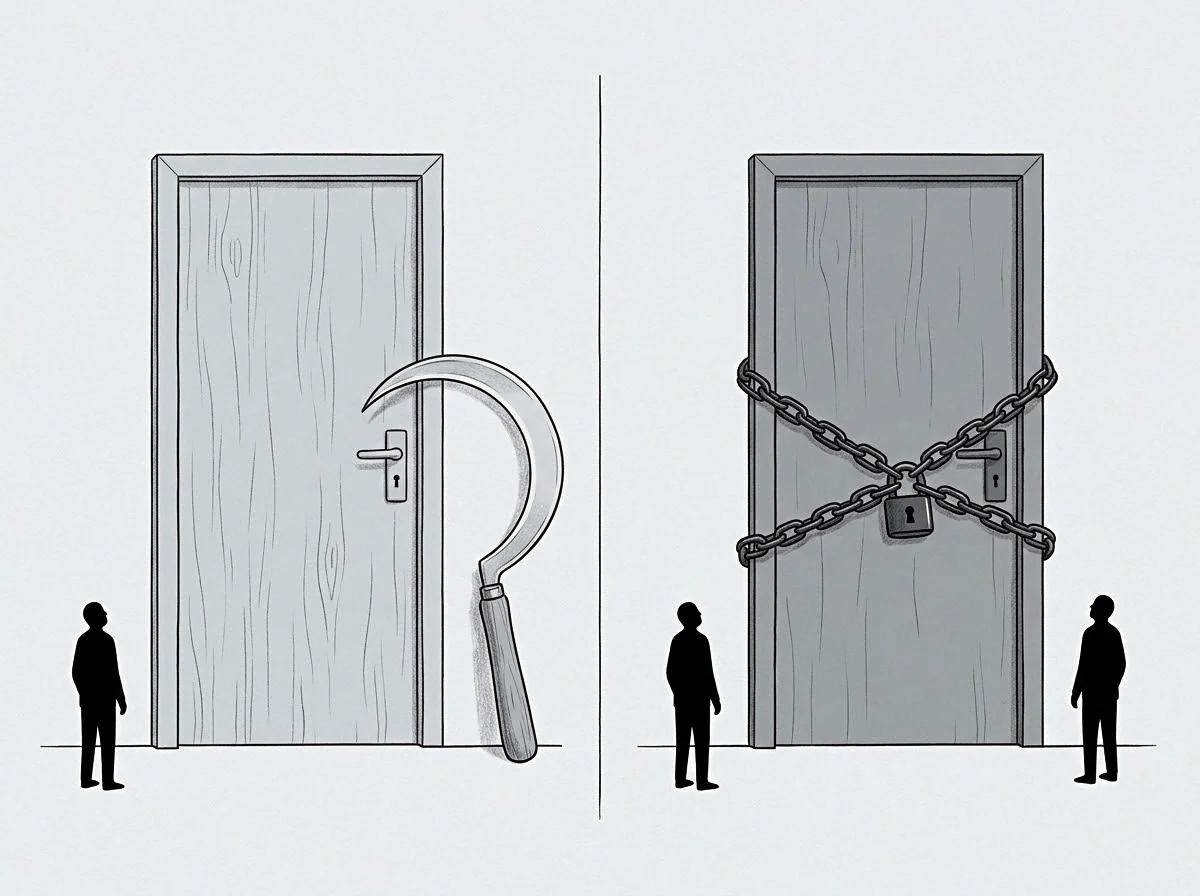
Wall
Capacity limits manifest as a physical barrier in high-variance hardware routing. Packet buffers in silicon memory cannot expand on demand. When incoming bursts hit the storage boundary, packet discard begins instantaneously without regard to priority headers as the system hits the boundary of its internal model.
Operational friction in reviews signals that engineers have reached the line where computation stops and physical drop takes over.
Static headroom acts as a buffer layer positioned immediately ahead of that hardware boundary. By reserving an absolute block of serializer capacity, the operator creates a landing zone where burst gradients flatten before touching physical drop limits, absorbing the initial slope without queue overflow. The cost of climbing this gradient is paid in advance through idle channel reservations that withhold capacity from peers.
When an operator freezes reserve bandwidth for burst mitigation, steady state utilization degrades across the entire cluster.

Should Static Reserve Absorb Heavy Tail Shocks?
Operational debates divide engineers into two distinct perspectives regarding static capacity reservation. One side argues that static allocation wastes valuable link transit by permanently benching high-cost hardware capability to protect against events occurring less than one percent of operational runtime. Advocates of this view favor aggressive active queue management and rapid backpressure signaling, accepting occasional packet drops in exchange for ninety-five percent average link utilization.
The opposing position holds that in high-variance nodes, the recovery cost of a dropped burst exceeds the price of idle bandwidth. When high-variance nodes drop packets, retransmission floods amplify the initial spike into a prolonged outage. Static headroom eliminates the retransmission cascades that bring down multi-tenant backbones, setting the system boundary where the cost of packet loss overtakes unused bandwidth as ingress throttles activate under pressure.
- Assess the arrival distribution shape over millisecond sampling windows to isolate heavy tail behavior from standard Poisson variation.
- Map the maximum burst duration against ingress packet buffer clearing speed to determine static margin boundaries.
- Lock thirty percent of total port bandwidth into static reservation pools to isolate critical control traffic from transient burst volume.
- Monitor drop counters along the reserve boundary to verify that the unspent capacity matches the mirrored magnitude of incoming burst spikes.
High burst coefficients defeat reactive congestion protocols. The physical boundary of memory registers cannot be negotiated during a spike, making an unspent transmission margin essential for protecting core routing logic from cascading failures.
Spill
Excess volume beyond the reserved margin tests the secondary defenses of the system. Once an incoming burst consumes the statically allocated headroom, traffic spills into shared memory pools or drops directly at ingress serializers. The rate of spill reflects the gap between predicted burst magnitude and real-world variance, marking the point where the system leaves predictable operational states and enters boundary survival.
A node relying exclusively on static margins faces severe degradation when a burst exceeds planned headroom limits. Without dynamic coordination layers, static allocations cannot borrow capacity from neighboring idle interfaces, causing the performance slope to steepen sharply once headroom is exhausted. The following comparison outlines performance traits across different headroom allocation policies applied to nodes carrying irregular transit profiles.
| Allocation Model | Burst Absorption Latency | Channel Utilization | Configuration Complexity | Tail Drop Vulnerability |
|---|---|---|---|---|
| Pure Static Reservation | Zero microsecond delay | Thirty to fifty percent | Minimal configuration state | High during sustained tail spikes |
| Dynamic Hysteresis Pool | Forty microsecond feedback | Seventy to eighty percent | High state machine overhead | Moderate during fast rise bursts |
| Hybrid Weighted Headroom | Five microsecond threshold | Sixty to seventy percent | Moderate control parameters | Low under predicted burst limits |
Dynamic allocation models promise higher link efficiency, but they fail during extreme packet arrival gradients. The microsecond delay required to reallocate memory between ports gives irregular spikes enough time to overrun input buffers. Because traffic tails follow Pareto distributions, the static headroom model remains the only approach that provides zero-delay absorption for immediate packet spikes.
Allocating headroom against variance rather than mean throughput preserves transit reliability across irregular bursts.
Hardware designers observe that secondary tenants consistently object when link monitoring reveals large blocks of unallocated bandwidth during business hours. Those users demand access to the locked headroom to lower their own queue latencies, arguing that empty buffers during quiet periods prove the infrastructure is oversized for current needs.
Drift
Operational profiles shift over calendar quarters as software payloads evolve and client distribution models change. A static headroom allocation configured twelve months ago degrades silently as traffic variance patterns mutate. As the arrival distribution shifts further into heavy-tailed territory, a static ceiling that once contained ninety-nine percent of burst volume begins to leak, causing unallocated queues to discard excess payloads.
Tracking the relationship between the negative gradient of queue growth and the mirrored unspent headroom requires continuous verification against raw packet telemetry. When engineers inspect queue performance solely through hourly averages, headroom drift remains invisible. The mean rate shows stability while variance explodes underneath, marking where unaddressed operational risks accumulate when deep telemetry analysis is bypassed.
Ingress queues reject arriving bursts whenever unallocated headroom remains locked behind rigid partition boundaries.
Static allocations cannot adapt without administrative intervention. An operator must measure the delta between actual burst peaks and static reserve ceilings on a weekly rhythm. If burst magnitude expands, the static reserve must grow proportionally, even when cardinal price metrics penalize the resulting drop in average channel utilization.
The physical wall remains whether an operator measures it or ignores it.
How an operating team determines the exact threshold where static headroom reservations become counterproductive under shifting packet variance profiles remains an open question in modern infrastructure design.