
Quantifying Localized Microclimate Thermal Drift Vectors in Industrial Capital Expenditure
Localized thermal drift vectors distort industrial equipment tolerances, requiring targeted spatial microclimate containment to prevent premature capital asset loss.
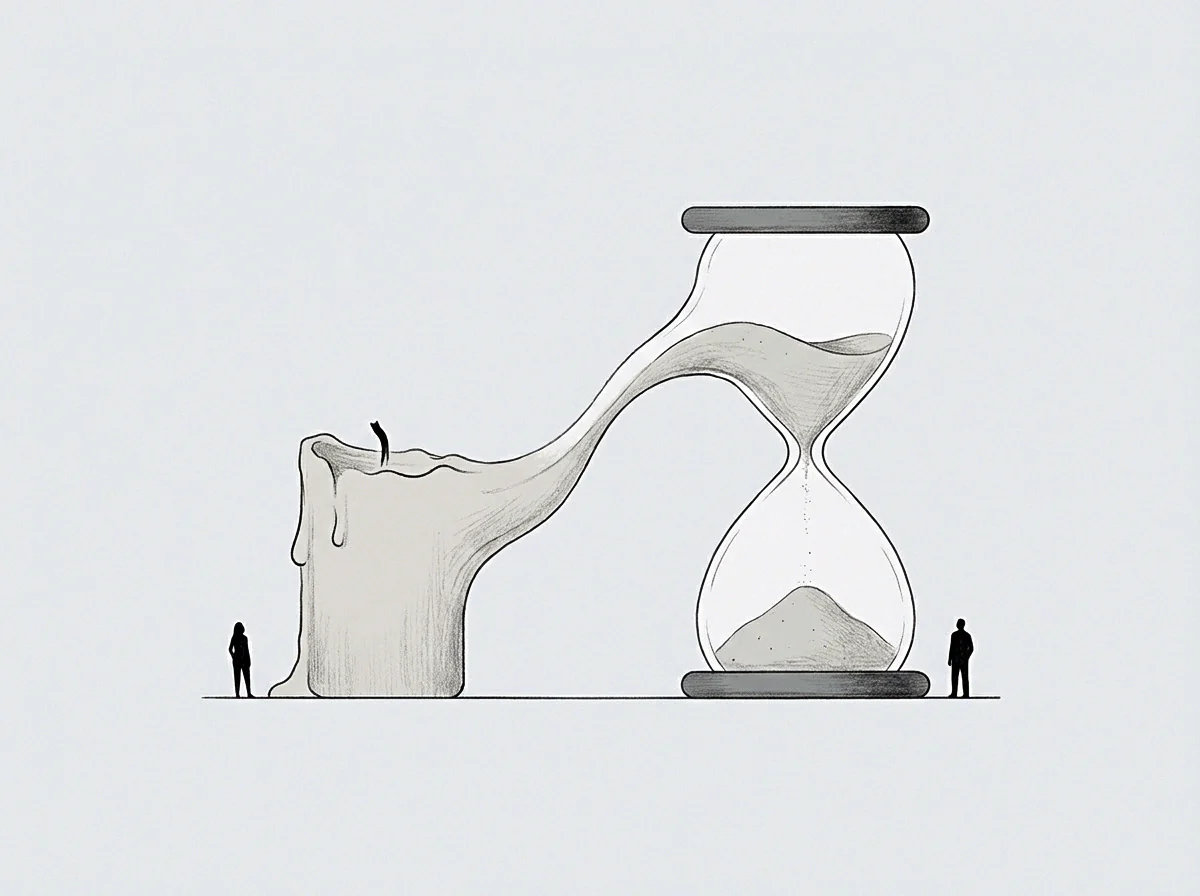
Bay
Thermal stratification in an industrial production hall begins when heat-generating machinery sheds caloric waste into bounded air faster than ambient convection can disperse it. Buoyant air rises toward ceiling trusses, creating a vertical temperature slope that displaces cooler air toward structural perimeters. Equipment positioned along external masonry experiences divergent atmospheric conditions from identical equipment operating beneath an insulated deck.
When an operator places precision tooling within twelve feet of an uninsulated roll-up door, localized sensible heat fluxes introduce directional gradients across the machine chassis. The frame expands unevenly along its structural axes, altering mechanical tolerances, tool paths, and sensor alignments across distinct operating shifts.
Capital budgeting models routinely treat plant floors as homogeneous thermal environments, assuming in depreciation schedules that assets operate within the standardized temperature brackets listed on manufacturer data sheets. In practice, the physical plant presents a fragmented cluster of microclimates. A stamping press radiates sensible heat outward, creating localized heat around its concrete pad, while ten paces away, intake air handlers draw winter exterior air into the circulation path.
The resulting temperature difference between adjacent manufacturing cells often exceeds nine degrees Celsius. An asset bought on the assumption of uniform wear absorbs unequal mechanical strain based purely on its coordinates inside the facility.
Equipment operating inside an unmitigated thermal plume reaches metal fatigue limits earlier when daily temperature cycles fluctuate across fifteen degrees Celsius.
Recording an environmental baseline demands spatial density. Spot measurements taken with portable infrared pyrometers yield isolated points that fail to describe continuous airflow vectors. Air mass transport obeys boundary layer dynamics across machine enclosures and structural columns.
Heated surfaces induce free convection, drawing air from surrounding floor zones to replace rising thermal plumes. As air sweeps past unshielded control cabinets, internal cabinet temperatures climb relative to nominal factory air. The electronic components face operational lifetimes inversely proportional to local operating temperatures: electrolytic capacitors dry out, optical encoders lose register, and machine downtime clusters around specific floor coordinates rather than spreading evenly across the asset roster.
Calculating capital deployment requires mapping these microclimate boundaries before specifying facility infrastructure. Plant expansions that overlook localized heat accumulation frequently require post-commissioning cooling retrofits, where spot chillers add unexpected electrical loads and vent turbulent exhaust into neighboring production bays. The facility’s operational balance fractures under sequential, ad-hoc thermal remedies.
When designers trace convective air paths alongside mechanical layouts, cooling investments target specific heat sinks rather than relying on gross building air volume turnover.
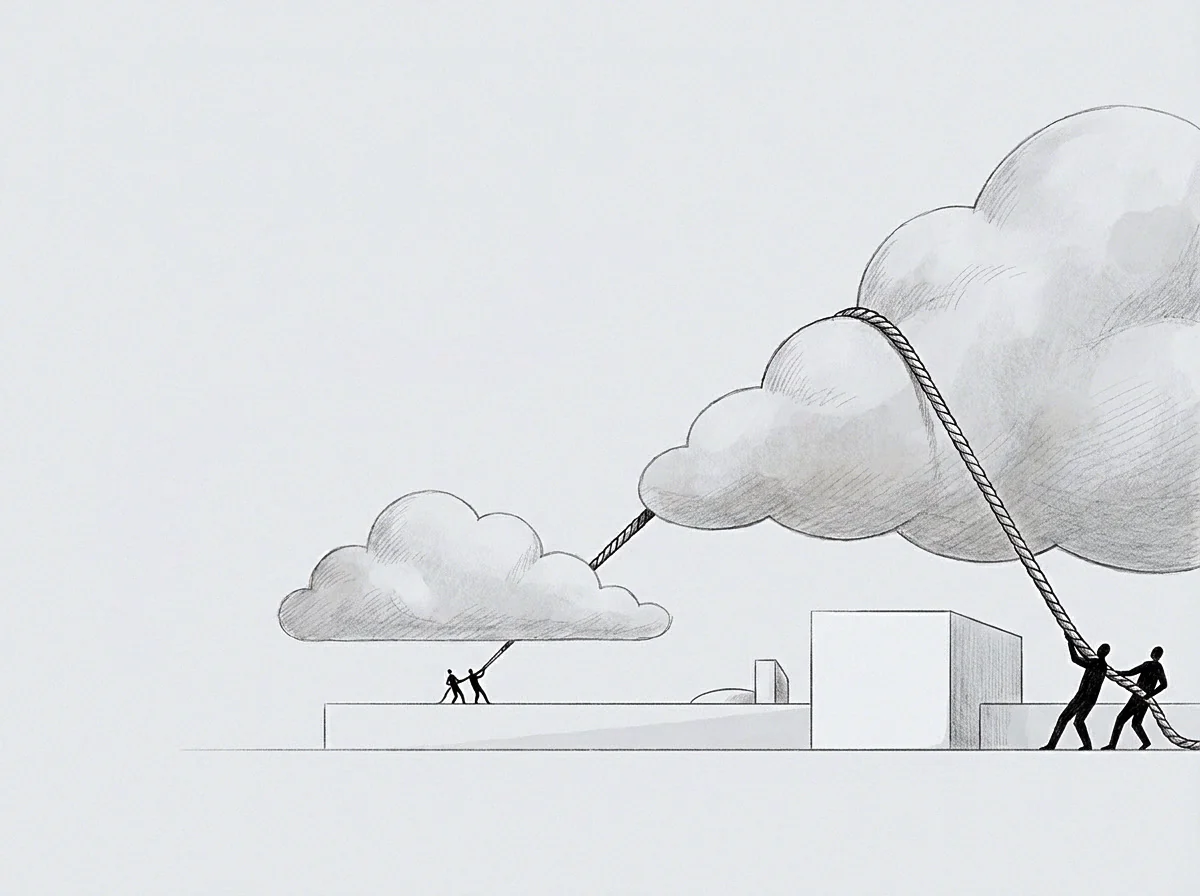
Vector
Quantifying environmental drift requires decomposing thermal movement into directional vectors across three-dimensional factory space. A thermal drift vector represents both the rate of temperature change over time and the spatial trajectory of that change across an asset base. Conduction through structural floor slabs creates horizontal heat flux channels, while buoyant plumes generate vertical temperature differentials.
An engineer measures this displacement by logging temperature differentials across fixed spatial intervals. Sensor clusters placed on asset perimeters capture directional thermal currents throughout operating shifts, tracking how a heat plume migrates as operational loads vary.
Thermal vectors behave dynamically under changing production tempos. When an operator brings secondary machinery online, newly generated convective currents alter existing draft pathways across the bay. The thermal field shifts.
Air volumes that remained stable during low-output shifts suddenly encounter accelerated movement from auxiliary exhaust fans. These induced drafts accelerate localized heat transfer across precision measuring equipment, warping structural frames along predictable directional axes.
Directional thermal gradients distort mechanical alignments before internal machine sensors record ambient air variations.
Three mechanical interaction modes dictate how spatial heat movement influences production infrastructure:
- Structural Asymmetry Vectors produce uneven thermal expansion across cast iron machine bases, inducing angular distortion in spindle axes during extended machining operations.
- Electronic Boundary Infiltration carries concentrated hot exhaust air directly into passive intake louvers of programmable logic controllers, degrading semiconductor lifespan through elevated internal ambient conditions.
- Convective Transverse Drafts pull ambient air past high-tolerance inspection stations, disturbing optical calibration beams and introducing measurement error into quality control operations.
Sensors recording these vectors need defined monitoring periods. An operator tracking thermal displacement records measurements across twenty-four-hour operating windows to isolate ambient solar shifts from machinery-induced heat loads. Without this temporal separation, seasonal building envelope heating confounds equipment-specific waste heat calculations.
Machine run-time records supply the operational baseline against which external weather influences can be subtracted, yielding internal operational variables that facility engineering teams can manipulate through capital improvements.
Ignoring directional thermal trajectories leads capital allocation teams to misjudge machine degradation mechanisms, replacing mechanical spindles and bearings repeatedly while the convective heat plume warping the housing remains unaddressed.
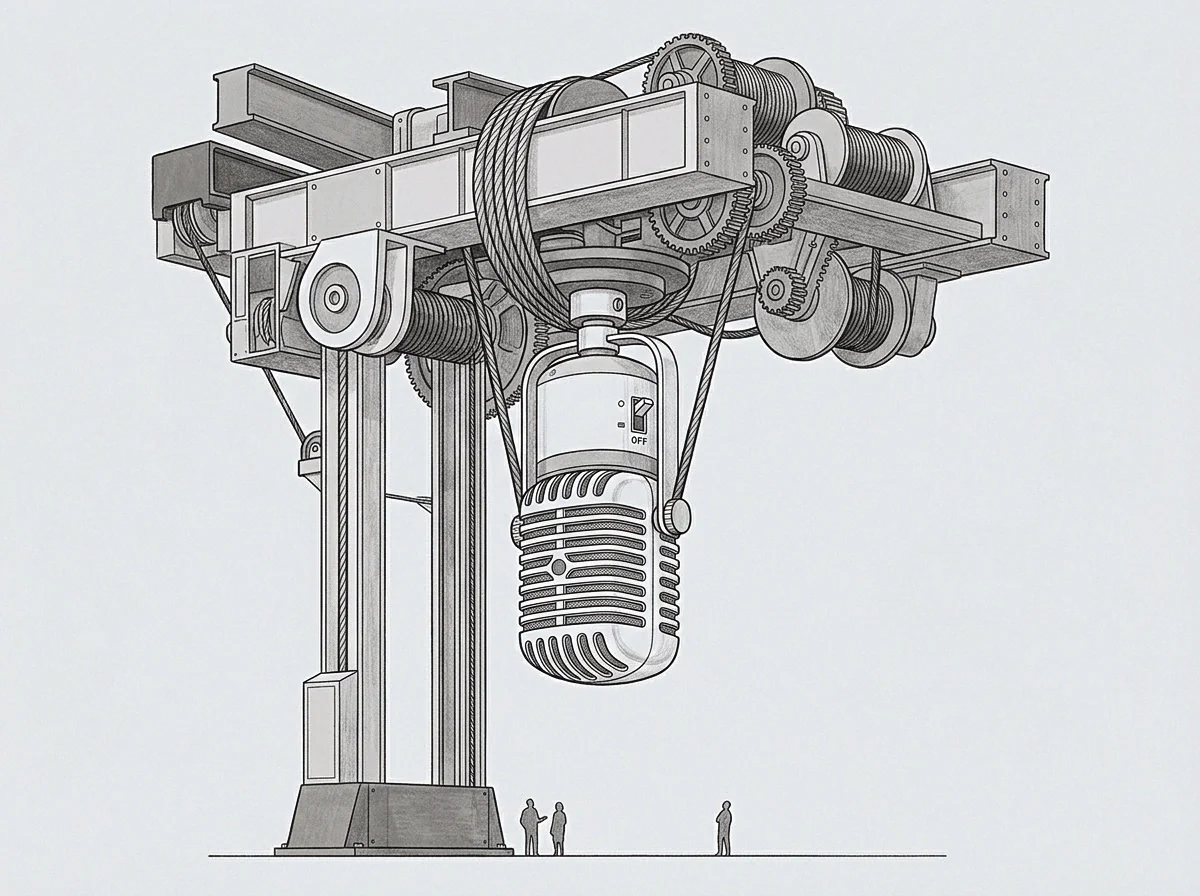
Tolerance
Mechanical parts expand when heated, causing tooling tolerances to slip whenever ambient floor conditions drift outside controlled engineering limits. A steel component one meter long expands roughly twelve micrometers for every single degree Celsius increase in ambient temperature. In sub-millimeter precision fabrication, a four-degree Celsius shift consumes the entire allowable manufacturing margin.
Because the machine controller operates on the assumption of a static environment using positioning commands calculated for an idealized state, parts produced during morning cold starts differ dimensionally from those turned during mid-afternoon peak thermal loads.
Compensating for localized microclimates involves choosing among distinct capital interventions. Facility managers evaluate building envelope upgrades, localized ducting systems, and machine-level thermal compensation packages. Each option presents distinct installation lead times, operational expenses, and physical containment envelopes, making the decision dependent on the spatial concentration of the thermal drift vector.
| Mitigation Classification | Capital Intensity | Operational Cost Profile | Effective Spatial Containment | Implementation Downtime |
|---|---|---|---|---|
| Localized Spot Extraction Ducting | Moderate Initial Layout | Low Electrical Consumption | Confined to Source Perimeter | Three Production Shifts |
| Dynamic Spindle Chilling Retrofit | High Equipment Outlay | Moderate Refrigeration Power | Isolated to Mechanical Interface | Five Operational Days |
| Overhead Convective Baffle Arrays | Low Structural Material Cost | Zero Auxiliary Power Usage | Broad Production Bay Volume | Two Weekend Periods |
| Enclosed Clean-Room Micro-Env | Extensive Capital Commitment | Continuous HVAC Load Demand | Total Internal Volume Control | Four Operational Weeks |
Local containment strategies frequently outperform general building air conditioning upgrades. Cooling an entire sixty-thousand-square-foot industrial warehouse to preserve three-micron tolerances on two lathe beds incurs immense energy penalties. Targeted engineering enclosures constrain the volume of air requiring active climate control.
Baffle curtains isolate convective plumes shed by plastic injection molding machines, funneling heat upward toward roof exhausts before it crosses intermediate circulation paths. The machine bed maintains stability while ambient plant temperatures fluctuate freely beyond the curtain boundary.
Isolating heat sources at their physical origin preserves greater mechanical precision than attempting to chill mixed ambient floor volumes.
Equipment manufacturers increasingly incorporate internal thermal expansion sensors to adjust tool offsets automatically. Software algorithms read internal thermocouple networks and calculate spindle position corrections dynamically. These systems perform reliably when thermal shifts occur uniformly throughout the machine casting, but fail when exposed to external localized drift vectors.
An external draft chilling the left casting wall while the right wall faces a furnace produces uneven structural bending. The software assumes linear expansion and applies invalid offsets, ruining production yields.
Rigid enclosures maintain component tolerances more reliably than reactive software adjustments whenever directional air currents cross production zones.
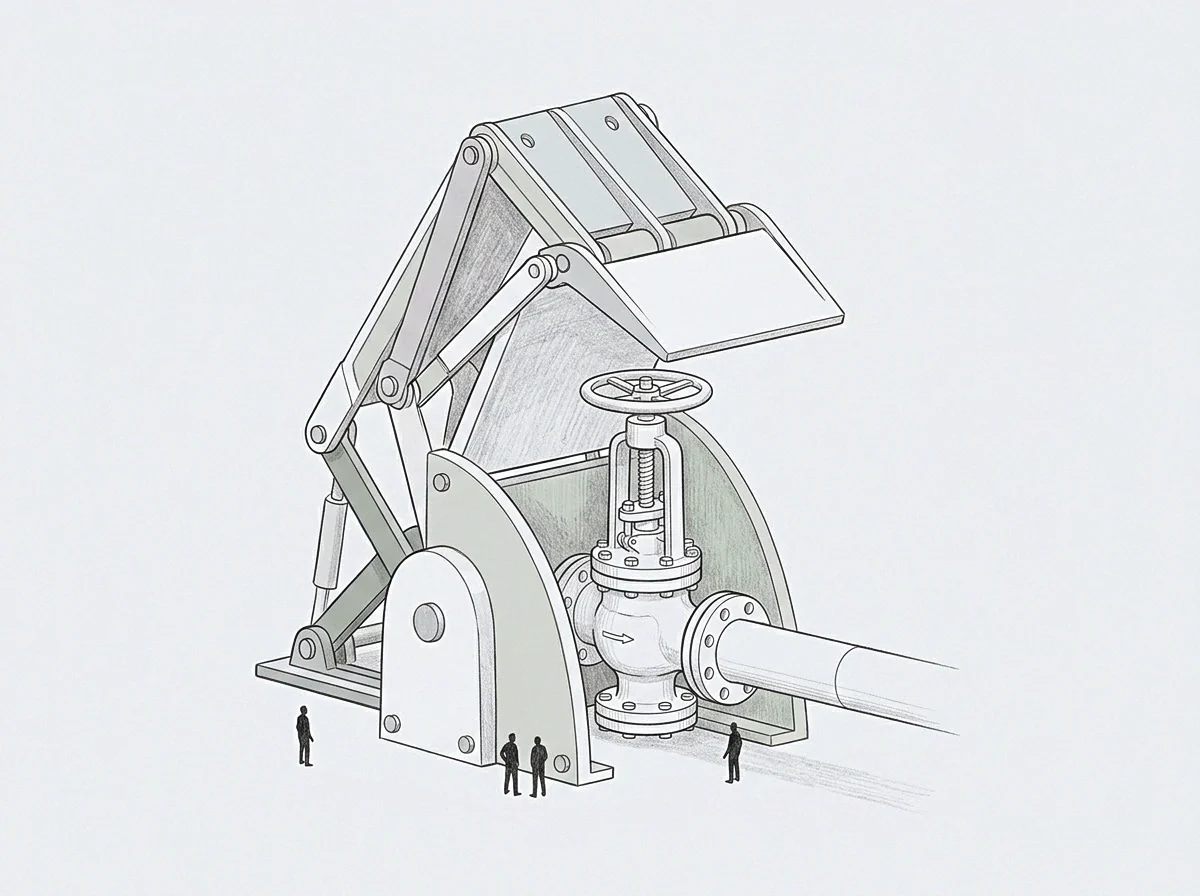
Index
Deriving a dependable financial metric for microclimate wear requires establishing an environmental vulnerability rating for each capital asset. This scoring pairs recorded thermal drift vectors with known equipment sensitivity ratings. A waterjet cutter tolerates substantial ambient temperature fluctuation without experiencing mechanical failure, whereas a five-axis computer numerical control mill experiences tool runout, bearing wear, and software communication dropouts under identical conditions.
Combining spatial temperature volatility with asset sensitivity produces an actionable delta that informs capital allocation prior to tool failure.
Tracking this delta over an extended operating window clarifies the hidden operational cost of plant placement. Maintenance logs routinely record premature spindle rebuilds, seal failures, and hydraulic pump degradations as isolated maintenance events. Correlating maintenance frequency against spatial temperature logs reveals geographic failure clusters across the production floor.
Machines positioned inside high-gradient thermal zones consume maintenance budgets at twice the rate of identical assets operating in neutral floor pockets, proving that an asset’s spatial position influences its total cost of ownership as decisively as operating run-time hours.
A financial allocation model remains incomplete until environmental drift vectors modify standard asset depreciation curves.
Industrial facility operators structure capital monitoring through four consecutive procedural benchmarks:
- Spatial Thermal Mapping establishes baseline microclimate isotherms across all active production halls through continuous forty-eight-hour environmental telemetry logging.
- Asset Sensitivity Profiling matches operational tolerance thresholds of individual machinery types against measured floor-level thermal drift vectors.
- Maintenance Variance Logging attributes unexpected asset wear patterns to recorded localized temperature gradients rather than general mechanical failure baselines.
- Targeted Capital Remediation directs physical mitigation funding toward highest-index production bays prior to scheduled machine mid-life overhauls.
Evaluating capital replacement schedules through this lens prevents premature asset disposition. When declining machining precision occurs, conventional practice schedules machine rebuilds or wholesale replacement. The replacement tool then encounters the same localized microclimate vector, repeating the cycle of structural degradation.
Quantifying the microclimate separates machinery wear from site-specific thermal distortion, allowing capital to flow toward ducting, physical partitions, or directional exhaust vents that restore machine precision without wholesale asset replacement costs.
The unexamined variable remains whether facility operators can decouple microclimate tracking from proprietary industrial control software to prevent artificial maintenance lock-ins across multi-vendor facilities.
Hedge
Mitigating localized microclimate degradation functions as an operational risk hedge for industrial manufacturing organizations. Capital budgeting committees evaluate prospective plant modernizations by balancing upfront structural modifications against prolonged asset preservation. Incorporating directional thermal analysis into initial facility layouts eliminates emergency capital interventions during high-volume production runs.
When dedicated thermal exhaust tunnels are built during initial facility construction, future precision machine installations proceed without secondary climate engineering costs.
Capital depreciation allowances gain predictability under systematic microclimate containment. Standard accounting schedules write down production machinery along straight-line trajectories over five-to-ten-year horizons. Accelerating physical wear through unmonitored thermal cycles breaks these financial projections, forcing unbudgeted asset retirements onto operational balance sheets.
Preserving stable microclimate boundaries extends mechanical asset utility beyond nominal book values, improving overall return on invested capital across heavy manufacturing facilities.
The facility lease agreement carries a specific environmental containment covenant dictating maximum allowable localized temperature differentials across tenanted bays.