
Deriving Operational Baselines From Systems Under Continuous Internal Strain
Operational baselines derived under continuous strain capture systemic deformation rather than sustainable capacity, requiring avoidance vectors for calibration.

Wedge
A production system runs six quarters without rest, billing eighteen hours of processor time for every sixteen hours on the clock, while the operations team marks the throughput as normal. Machinery absorbs internal strain so thoroughly that distortion comes to read as standard operating procedure. When internal friction goes unmeasured, ordinary operational baselines stop describing an organization’s resting state, marking instead the shape of a sustained deformation.
Deriving a baseline from an engine running under load produces an artifact. The observed numbers register displacement from unexpressed torque, unresolved personnel friction, and uncompensated overtime rather than true capacity. Latent capacity remains invisible because the system consumes its own reserves to keep outward indicators flat.
Unaccounted mechanical tension converts operating reserves into invisible baseline drift.
When operators evaluate performance during ongoing organizational or technical exertion, the metric window captures work plus resistance. The vector computed from this output points downward along the path of least resistance, yet leadership treats the resulting floor as a stable platform for planning.
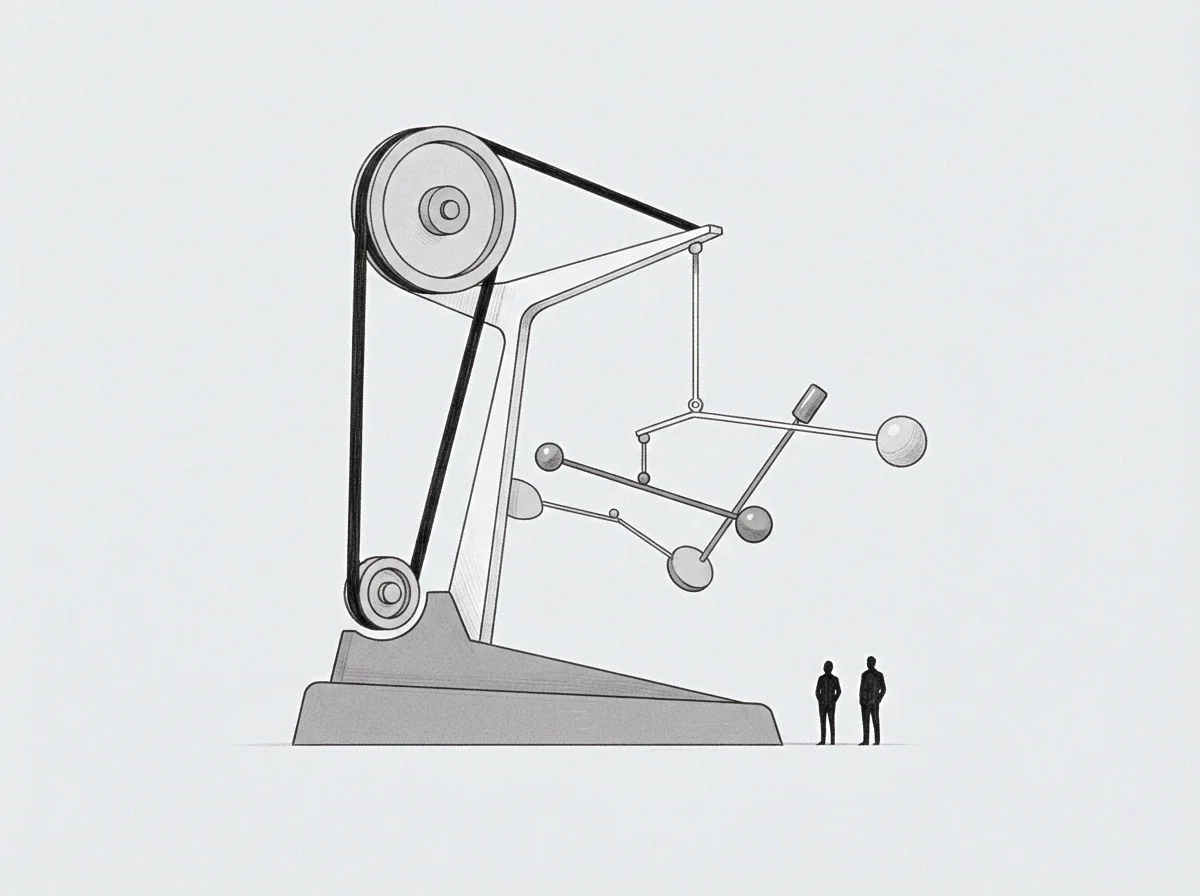
Deformation of Continuous Effort
Steady internal stress produces predictable mechanical alterations across teams and infrastructure. Components yield gradually, changing their physical characteristics before structural failure announces itself. In software architectures as in human organizations, continuous load shifts the setpoint of every feedback loop.
A team absorbing two vacancies silently redistributes ticket queues, maintaining previous service levels through compressed review cycles and deferred maintenance. The operational report shows stable resolution times, which executive staff interpret as steady-state performance. The derived baseline records sprint speed while omitting the depletion of human and technical capital that paid for it.
When leadership uses that strained metric to schedule following quarters, the baseline functions as a coercive wedge, driving expectations deeper into structural deficit while treating the deficit as regular output.
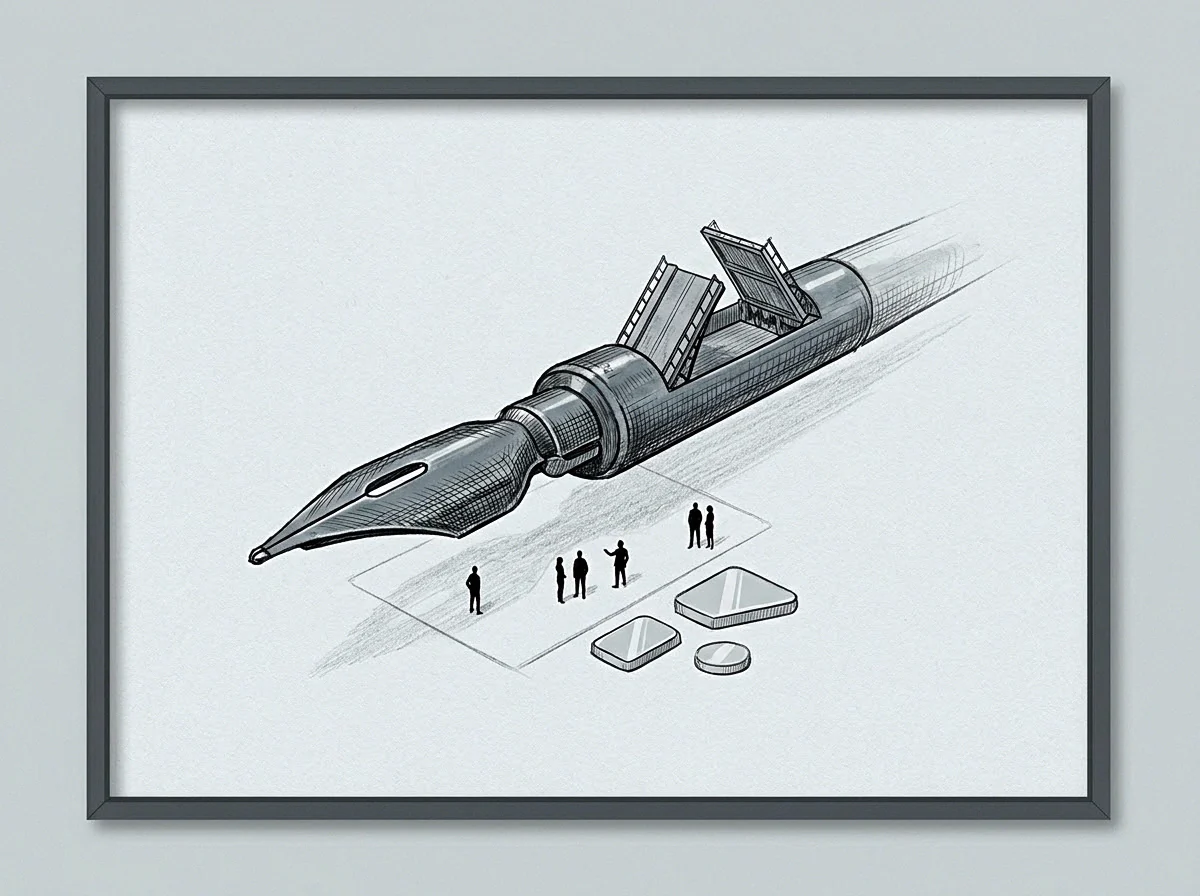
Gauge
Measuring an organization under internal strain requires separating active displacement from underlying potential. The raw output signal contains both the genuine yield of the system and the resistance generated by internal constraints. Without isolating the two elements, any historical performance window yields flawed predictive models.
When teams experience unvoiced contractual ambiguity or technical debt, they alter their routing. The system routes around internal obstacles, spending energy on circumvention that external observers tally as productive output.
| Evaluation Metric | Equilibrium Setting | Continuous Strain Setting | Derived Analytical Error |
|---|---|---|---|
| Cycle Duration | Ten hours with full validation cycles | Ten hours with omitted verification steps | Treats deferred verification as throughput efficiency |
| Queue Retention | Two days reserve capacity across buffers | Zero reserve with immediate ticket handoffs | Registers loss of operational buffer as streamlined flow |
| Personnel Retention | Voluntary departure below five percent annually | Voluntary departure masked by internal transfers | Interprets lateral role movement as organizational stability |
| Error Remediation | Direct root correction within sprint allocations | Hotfixes deployed outside logging protocols | Assumes stability while unlogged fixes compound risk |
Figures gathered during sustained crises reflect survival protocols rather than scalable processes. When an analytics team treats crisis velocity as an operational standard, the resulting quarterly plan guarantees accelerated degradation across physical and digital equipment.
A performance metric recorded during sustained crisis measures survival technique rather than scalable throughput.
Calculations derived from strained states consistently underprice the true resource demand of routine execution, locking organizations into structural exhaustion where normal output requires emergency interventions.

Vector
Every operational system under pressure generates a gradient along the line of least effort. This gradient carries no moral valuation. It indicates where energy flows with minimal friction and where structural blocks force artificial diversions.
An analyst mapping continuous strain must map the vectors of avoidance. Systems do not resist arbitrarily; they route around unaddressed friction points, unresolved ownership boundaries, and brittle software dependencies.

Pathways of Least Resistance
The direction of operational avoidance reveals the location of internal blockages. When an engineering division repeatedly circumvents a deployment automation suite, the circumvention points directly at unmaintained infrastructure scripts. The team expends double the manual labor to preserve control, registering high activity while development progress stalls.
- Avoidance mapping tracks recurring process diversions to uncover hidden structural blockages within daily coordination channels.
- Gradient calculation measures the rate of energy dissipation across alternative routing paths within active team workflows.
- Latent volume mirroring takes the inverted profile of systemic resistance to identify trapped productive reserves.
- Boundary surveying marks the explicit perimeter where operational processes revert to informal compensations.
The team avoids the brittle deployment script because manual execution carries less immediate cognitive friction than rebuilding the continuous delivery pipeline. The descent into manual execution represents the path of least resistance. Identifying this descent allows an operator to invert the curve, revealing the latent potential locked behind the broken tooling.
Mirroring the descent curve of a deflected team reveals the exact volume of trapped output.
In mechanical engineering, calculating elasticity requires isolating applied stress from thermal expansion. In operational management, separating structural friction from true baseline velocity follows the same rule: identify what the team circumvents to discover the real resistance factor.
A true operating floor exists where execution proceeds without informal interventions.
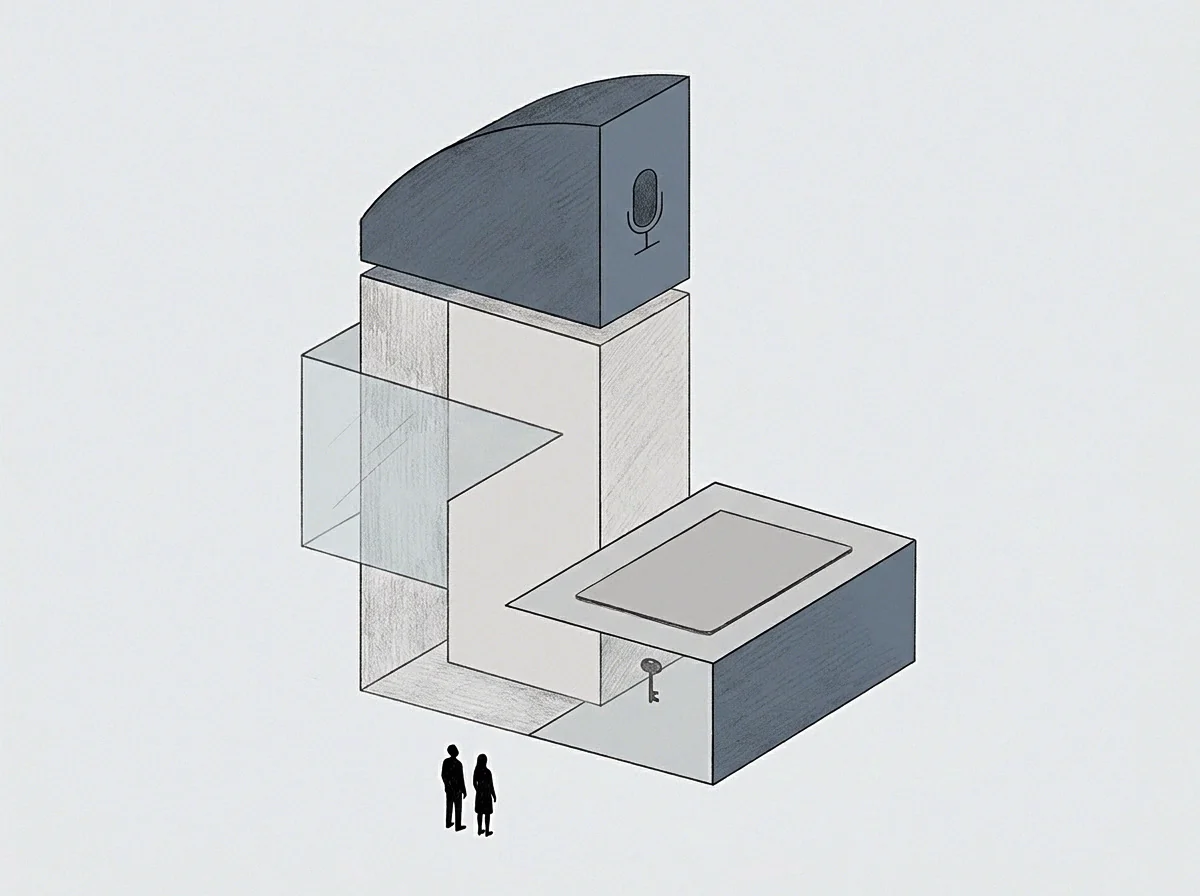
Anchor
Establishing an authentic baseline during periods of continuous internal load requires introducing an unyielding measurement anchor. When internal indicators float alongside organizational stress, absolute reference points disappear. The analyst must look to physical constraints outside the immediate operational feedback loops.
Financial disbursements, physical server heat generation, and absolute employee turnover serve as external constraints. These cardinal figures resist the semantic inflation that teams apply to internal milestone reporting during periods of extended exertion.
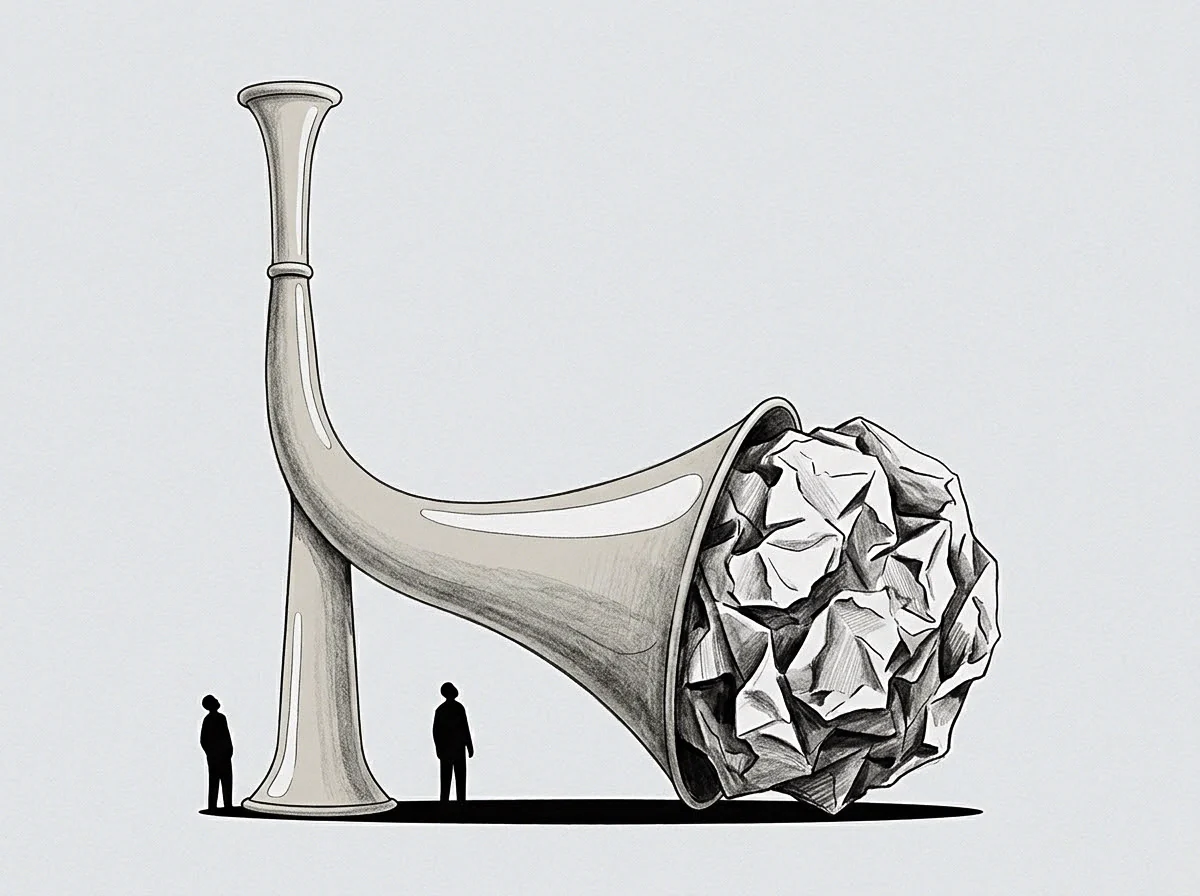
Calibration Against Hard Boundaries
Consider two parallel groups operating under differing contractual conditions. The first group operates with indefinite deliverables and rolling deadlines, absorbing eighty hours of unrecorded weekly coordination meetings. The second group works under hard fixed-price agreements with strict delivery milestones.
Over three quarters, the first group reports consistent output metrics, while the second group reveals repeated schedule adjustments.
The first group appears stable only because their baseline moves with their fatigue. The second group reveals their true operational floor against the rigid boundaries of their contract. The contract acts as an operational anchor, exposing the gap between actual output and systemic demand.
A system stripped of its reserves cannot generate accurate calibration data. An operational baseline derived without deliberate slack accounts only for exhaustion, confusing the boundary of collapse with sustainable throughput.
The terms governing client delivery were met on schedule, yet every milestone arrived through unbilled night work that the operations log failed to record.
Yield
Material testing identifies a point where structural deformation ceases to be elastic and becomes permanent. Organizations experience the identical transition. When internal strain persists beyond the system recovery threshold, the baseline does not return to its origin upon the removal of the load.
The system takes a permanent set.
A startup operating through continuous emergency releases eventually loses the institutional memory of deliberate planning. The emergency tempo replaces engineering standards, embedding structural faults, elevated turnover rates, and unmaintainable code patterns directly into standard operating budgets.
Permanent Organizational Deformation
A structural engineer tests concrete by subjecting cores to controlled compression until microfractures appear, noting the yield point before total structural collapse. Organizational analysis requires a similar calculation. One must determine whether current throughput relies on temporary resilience or whether the organization has crossed into plastic deformation.
Silence costs daylight hours. An organization that has taken a permanent set exhibits specific operational traits: documentation ceases to be updated, informal communications supplant formal coordination channels, and individual staff members hoard institutional knowledge as defensive insulation against unpredictable management requests.
At what exact threshold of sustained strain does an operational baseline cease to be recoverable through administrative restructuring, leaving replacement of the entire operating apparatus as the sole path to structural stability?