
Mapping Financial Liability Limits Against Structural Processing Velocity Constraints
High processing velocity creates unhedged financial risk when execution speeds outpace legal liability reconciliation windows.

Velocity
An execution platform processes eighty thousand transactions per minute while legal settlement protocols confirm counterparty balances every six hours. Latency creates financial exposure. Within that six-hour gap, the operational system moves value faster than the underlying contractual framework can verify legal ownership or enforce liability limits.
The engine runs at peak operational capacity, yet every transaction executed beyond the manual reconciliation point adds uncollateralized risk to the balance sheet. When high-throughput systems operate against delayed liability verification routines, processing speed transforms from a technical metric into an unhedged exposure vector.

Latency Disparity Across Operational and Legal Layers
Execution systems function on millisecond cycles, whereas financial liability frameworks depend on asynchronous validation windows. A distributed payment network might clear thousands of micro-settlements before an automated risk engine flags a breach in exposure limits. The gradient computed from processing throughput against risk verification latency reveals a steep slope of unhedged volume.
Execution velocity compounds unhedged risk.
When an execution engine continues processing transactions during a verification outage, the system routes around legal boundaries to preserve operational uptime. Avoiding structural checks allows short-term throughput targets to look achievable, but the unprocessed risk accumulates quietly behind the baseline. This divergence between execution throughput and legal clearing cadence creates a structural gap where processing errors compound faster than financial reserves can absorb them.
When throughput velocity exceeds the verification cadence of liability checks, uncollateralized risk accumulates as a linear function of execution frequency.

Computing Throughput Against Exposure Windows
Financial risk limits set a ceiling on the total economic exposure an organization accepts within a given time frame. When processing velocity accelerates, transaction throughput hits that exposure cap in minutes rather than days. Operational architecture often isolates the compute layer from the risk accounting layer to prevent database locks and latency bottlenecks during volume spikes.
Decoupling processing speed from liability enforcement creates a operational shadow zone. The system continues confirming incoming requests because the immediate compute resources remain available, even as the aggregate financial liability crosses contractual indemnity thresholds. The baseline calculation must track both the rate of compute execution and the precise decay rate of legal exposure windows to prevent system failure during high-throughput events.
How far processing speed can accelerate before asynchronous settlement mechanisms default under structural tail events remains an open question for systemic architecture design.
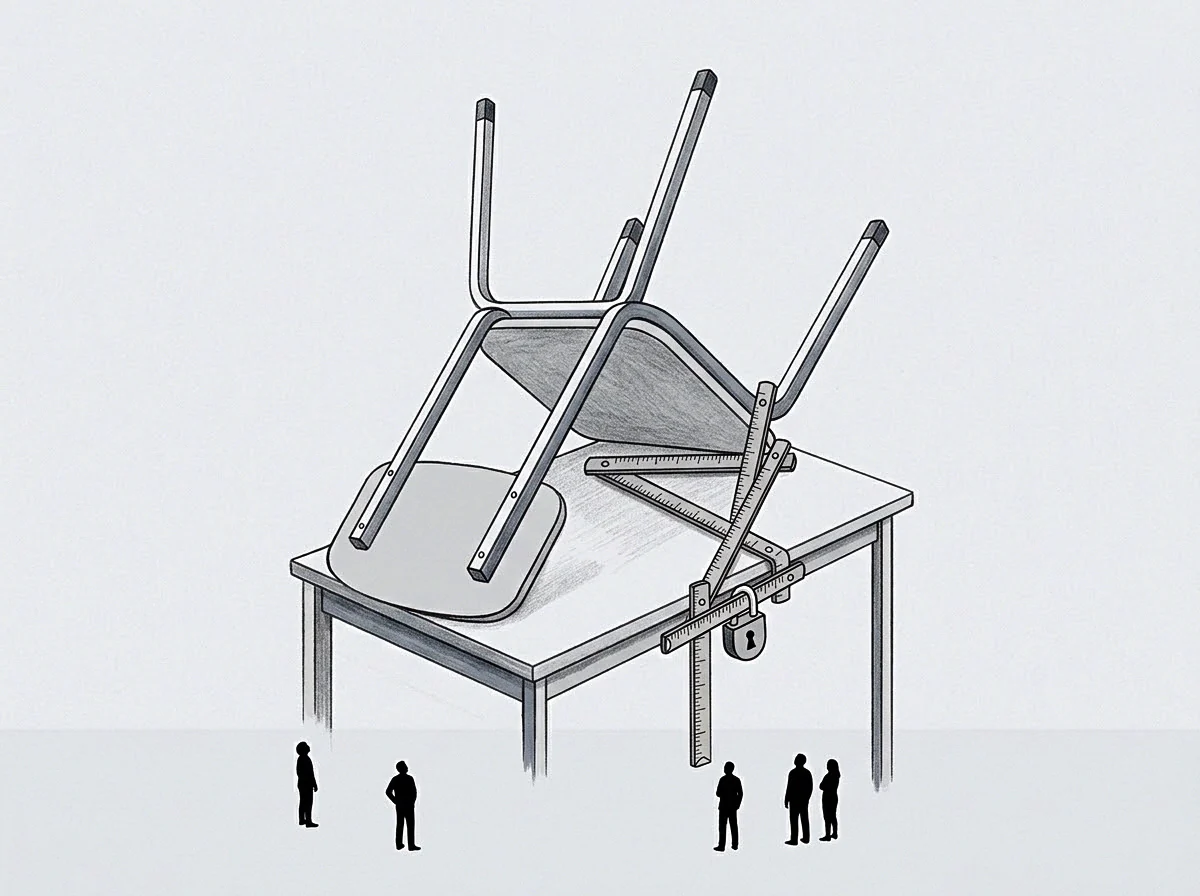
Wall
Contractual liability caps construct a firm boundary around operational exposure. Systems pause at boundaries. Inside the legal agreement, an indemnity limit defines the precise cardinal figure beyond which an engine owner refuses to absorb financial losses.
When processing velocity carries an operational system past this threshold, technical execution collides directly with legal enforcement limits. The engine reaches a wall where further throughput generates liabilities that no contractual clause protects.
Contractual Caps as Architectural Boundaries
Legal agreements specify maximum liability bounds to shield operating capital from tail-risk events. The technical architecture must map these contractual figures into hard operational stops inside the execution software. Caps enforce operational boundaries.
If an engine processes programmatic transactions without checking cumulative liability limits, the software operates outside its legal design envelope.
- Indemnity ceiling defines the maximum cardinal loss absorbed by the execution engine before manual reconciliation holds the batch.
- Processing rate limit throttles continuous execution when uncleared transactional volume approaches contractual exposure bounds.
- Settlement latency window introduces systemic lag between transaction authorization and final balance clearing.
A wall forms at the exact point where contractual protection terminates. When an automated service processes requests beyond its agreed liability limit, every extra transaction carries full unhedged balance-sheet liability. System designers frequently treat liability limits as static legal boilerplate rather than active architectural parameters.
This disconnect leads software engines to run at maximum speed straight into legal walls.
Setting an indemnity cap without automated throughput throttling forces an engine to process unhedged transactions during latency spikes.

Structural Points of Throttling and Failure
Integrating financial constraints directly into throughput control algorithms forces the software to slow down as liability windows fill up. The compute architecture must calculate cumulative financial exposure alongside memory and processing utilization metrics. When aggregate risk approaches legal limits, automated rate limiters must apply backpressure to incoming execution queues.
Ignoring this backpressure requirement leads to structural failure during market volatility spikes. As transaction volume surges, clearing cycles lag compute. If the system continues prioritizing low processing latency over financial compliance, unspent financial risk builds until an unexpected settlement failure forces an abrupt operational shutdown.
Operating execution engines without dynamic rate limits calibrated to liability caps turns routine network bursts into catastrophic insolvency events.

Exposure
Uncollateralized transactions floating between authorization and settlement represent a growing pool of latent balance-sheet risk. Risk accumulates during bursts. Measuring this unhedged volume requires tracking the exact divergence between current processing velocity and legal clearing rates over time.
The distance between what the system has executed and what the legal framework has settled marks the exact coordinate of corporate liability exposure.
Quantifying Unhedged Transactional Drift
Financial drift increases whenever processing engines outstrip the throughput capacity of back-office settlement pathways. Tracking this drift demands a continuous comparison of execution metrics and legal reconciliation logs across active operating windows. Speed accelerates exposure growth.
Static caps fail dynamically.
| Architectural Metric | Asynchronous Batch Reconciliation | Real Time Streaming Clearing |
|---|---|---|
| Execution Throughput Velocity | High volume capability with zero inline latency delays | Bounded processing speed limited by inline risk checks |
| Liability Cap Enforcement | Deferred validation applied during scheduled batch runs | Immediate inline enforcement before transaction write |
| Unhedged Exposure Latency | Six to twenty-four hour exposure windows during processing | Sub-second exposure windows with real time verification |
| Systemic Failure Behavior | Accumulates large unhedged exposure during market bursts | Throttles execution throughput when liability limit hits |
Mapping these processing dynamics illustrates how deferring legal reconciliation creates severe systemic tail risk. The batch processing engine achieves maximum processing throughput but leaves large financial volumes unhedged for extended periods. Real-time clearing limits processing speed to ensure zero uncollateralized execution.
Choosing between these execution models sets the fundamental boundary condition for operational risk management.
The structural safety of an execution architecture rests on aligning legal settlement cadence with real-time compute velocity.

What Settles When Execution Rate Outpaces Legal Exposure?
When operational pipelines run unchecked, legal frameworks fall behind processing realities. The engine logs throughput. Automated clearing mechanisms continue logging successful executions, but the legal framework holding the financial liability stops guaranteeing transactions once the contractual cap is reached.
The systemic gap between technical completion and legal settlement forms an unhedged volume of counterparty risk.
Unchecked processing velocity under deferred settlement schedules builds up latent potential for severe financial balance-sheet erosion. The mirror image of rapid operational throughput is an equal and opposite accumulation of unverified legal risk sitting behind the baseline. Software operators who focus exclusively on compute latency fail to observe this financial exposure until settlement default triggers complete service termination.
The execution pipeline completed all assigned calculations within expected latency windows, even as underlying financial guarantees defaulted upstream.

Desk
Operators managing high-throughput software sit at the intersection of technical performance and legal accountability. Automated checks preserve capital. Establishing operational controls at this boundary requires binding processing algorithms directly to corporate risk thresholds.
The engine operator configures hardware limits, while the legal team establishes liability ceilings. Aligning these two perspectives keeps execution speed within acceptable financial bounds.
Operational Controls at the Interface of Risk and Speed
Implementing effective controls demands clear procedures that translate financial terms into exact programmatic parameters. Settling transaction volume safely requires step-by-step risk management protocols inside the software architecture.
- System operators log throughput metrics across continuous automated execution cycles.
- Financial risk models compute real-time exposure deltas against fixed indemnity bounds.
- Automated circuit breakers pause execution pipeline nodes upon reaching exposure thresholds.
These control steps establish a functional balance between processing capacity and legal compliance. When the system detects an unhedged exposure spike, automated circuit breakers intercept incoming traffic before liability limits break. Unchecked volume exhausts reserves.
Settlement delay amplifies exposure.
System operators routinely prioritize execution throughput until unexpected settlement delays trigger manual operational intervention.
Setting static rate limits proves insufficient when underlying financial markets move rapidly. Effective software architecture uses dynamic throttling parameters that automatically adjust execution throughput based on real-time settlement confirmation rates. Aligning technical capacity with legal clearing speed protects balance-sheet capital while maintaining maximum safe operational throughput.
Inserting a hard execution pause trigger tied directly to aggregate liability ceilings transforms uncontrolled financial tail risk into predictable, bounded processing pauses.
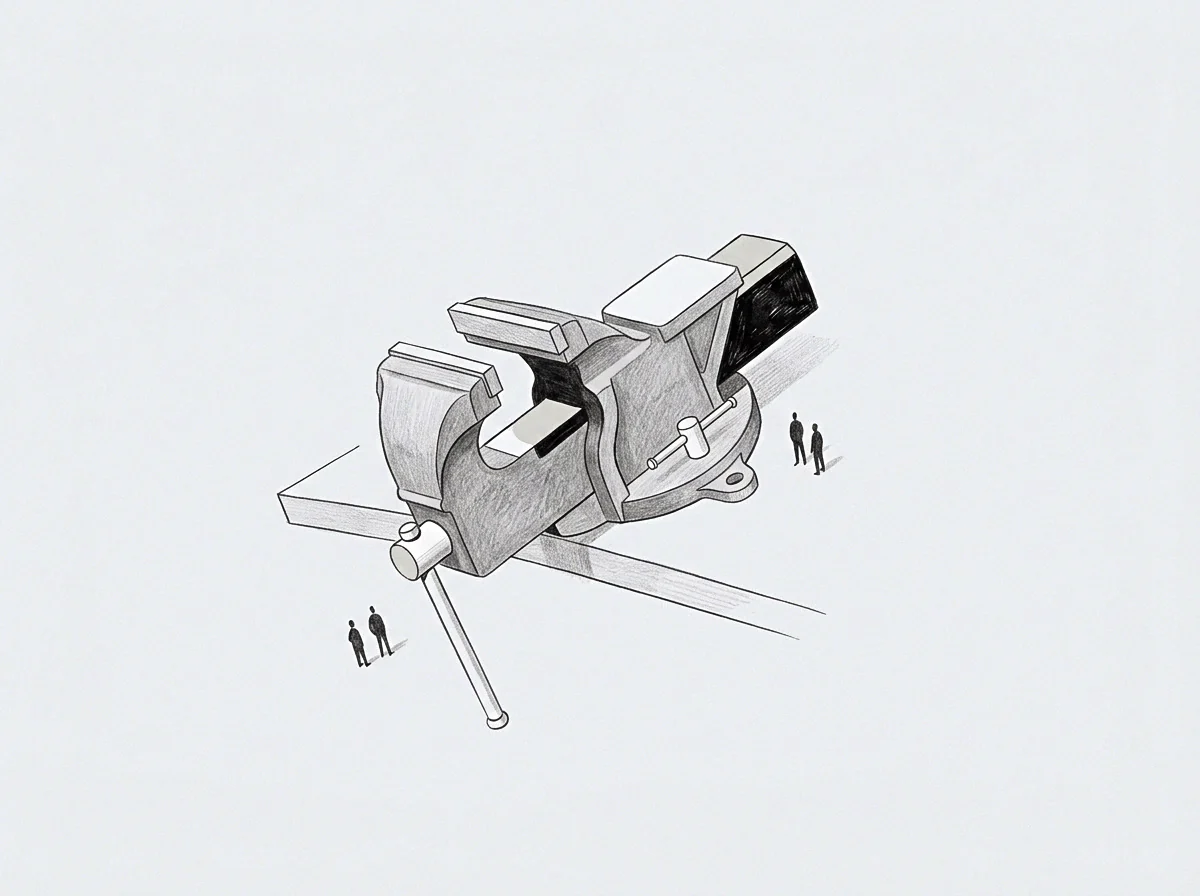
Gradient
Evaluating an operational execution pipeline against legal constraints produces a distinct exposure slope. The baseline axis measures economic value processed over time, while the vertical axis tracks unhedged counterparty liability. Computing the slope along this trajectory reveals whether an organization is building sustainable processing capacity or accelerating toward a structural financial wall.
A rising exposure gradient signals that execution velocity has outpaced legal settlement capacity.

Mapping Systemic Slope Against Capital Retention
Managing high-velocity processing demands continuous monitoring of the exposure gradient across all active execution pipelines. Software engineers and financial risk officers must collaborate to maintain system equilibrium. When processing velocity increases, the risk engine must verify that legal reconciliation mechanisms retain sufficient throughput to clear liabilities within designated time windows.
If settlement verification lags compute speed, the exposure slope steepens dramatically. Operating along a steep exposure slope consumes capital reserves in the event of systemic clearing failures. System designers who continuously calibrate processing throughput to match the cadence of legal settlement maintain operational stability under peak transactional stress.