Meaning
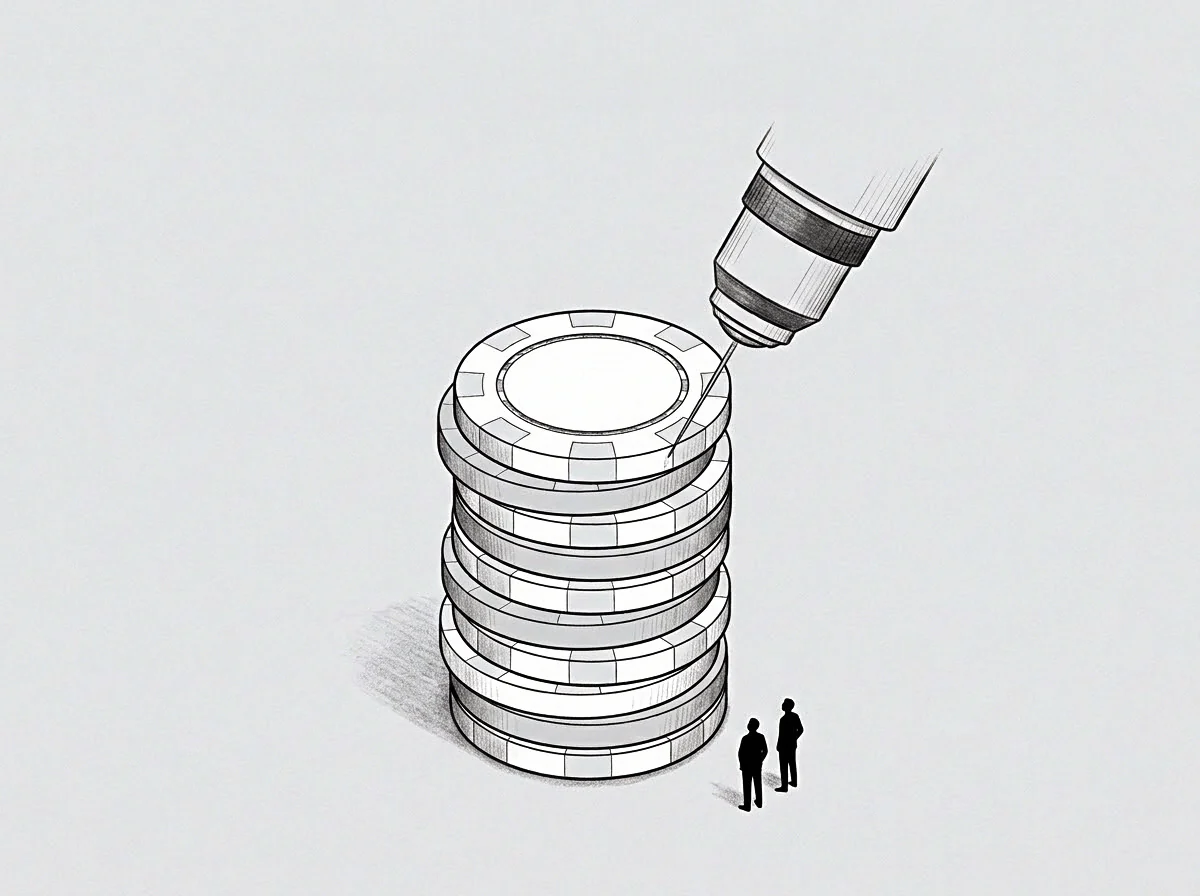
A reference state representing the standard operating condition or a historical performance level against which future changes are measured. The baseline provides the starting value for any longitudinal study of company health or operational speed. It allows the observer to see where the current state sits relative to the initial conditions.
Reference Value
Measurement begins with the establishment of a fixed point that captures the status of the organization at a specific moment in time. This baseline acts as the zero point on a graph of progress.
Comparison Metric
Analysis of growth or decay requires a constant against which to judge new data points. When a person looks at current revenue or output, they use the baseline to determine if the movement is a genuine improvement or a return to the mean. This distinction is necessary for understanding whether a new strategy is working.
The deviation from the fixed point indicates the strength of the new influence. It clears away the noise of daily fluctuations to show the underlying trend.
Stability Condition
Validity of the comparison depends on the reference point remaining unchanged throughout the period of observation. If the baseline moves, the resulting data becomes impossible to interpret accurately.