
Measuring Initial State Space Compression Under Delivery Stress
Delivery stress forces operational systems to abandon high-dimensional architectural options, compressing initial state space along paths of least resistance.

Span
The initial state space of an engineering project or operational build contains every configuration the architecture could theoretically assume. At the start of a project cycle, degrees of freedom remain high: technical choices, resource allocations, interface contracts, and delivery schedules exist as open coordinates within a broad volumetric boundary. The technical team selects from multiple data persistence strategies, modular boundaries, and deployment topographies.
This initial phase holds maximum latent potential, represented by the unspent volume of alternative routes that could satisfy the stated requirements.
When delivery pressure escalates, this high-dimensional volume narrows. External deadlines, capital constraints, and partner commitments introduce a steep descent gradient that forces the system toward immediate execution paths. Under severe stress, options that were once viable drop out of the computational model entirely because evaluating them demands attention that the timeline cannot supply.
The system routes around non-essential options, compressing the decision surface down to the path of minimum resistance.
A delivery deadline accelerates descent toward the nearest working configuration by eliminating options that require multi-stage evaluation.
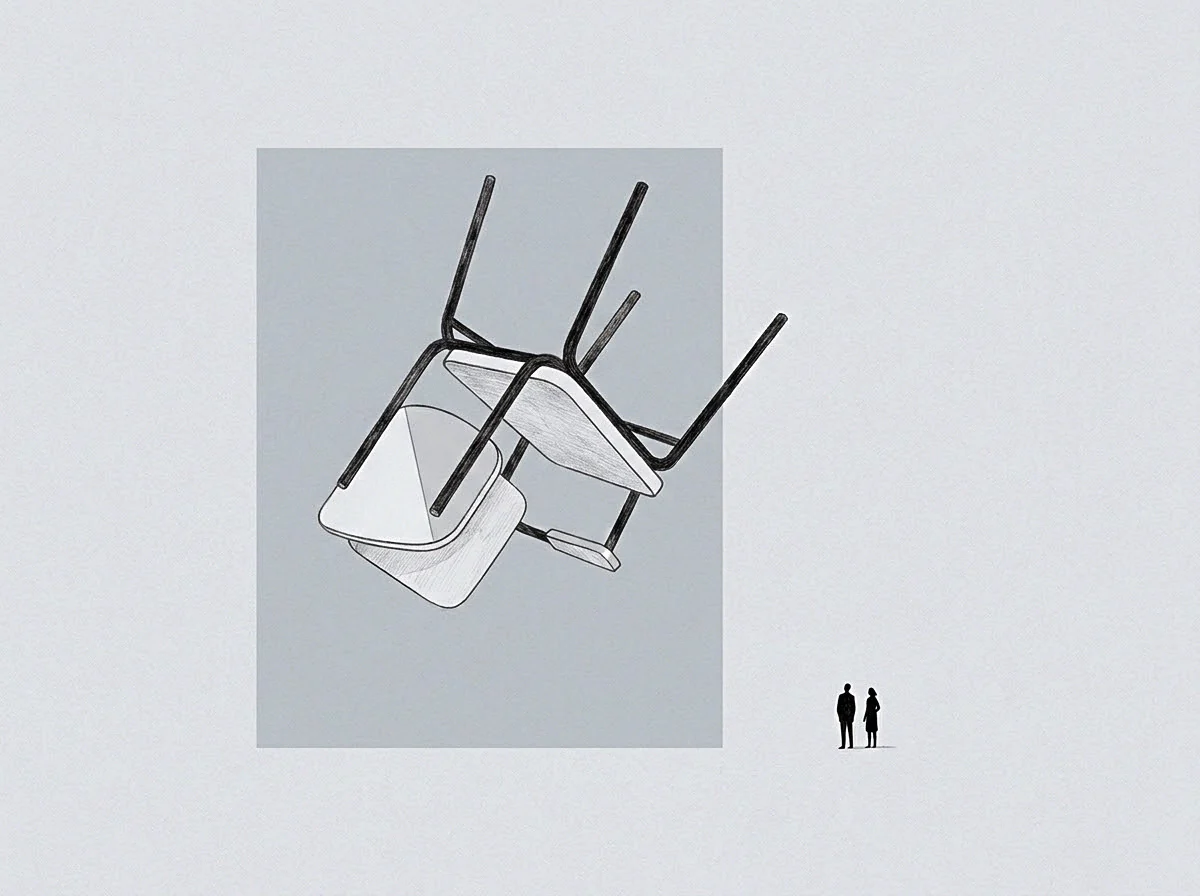
Initial Boundary Topology
The total configuration domain available at project kickoff defines the baseline volume. This space includes structural decisions that determine how a product scales, how errors propagate, and how future features dock into the core system. In an unconstrained environment, the operator moves across this space to optimize long-term flexibility, evaluating tradeoffs along multiple evaluation axes simultaneously.
Early stress alters this evaluation landscape. As the delivery date approaches, the system stops computing long-range tradeoffs and instead defaults to familiar patterns. The loss function shifts from maximizing architectural durability to minimizing short-term execution variance.
Consequently, multidimensional decision vectors collapse into single-axis decisions based purely on immediate throughput.
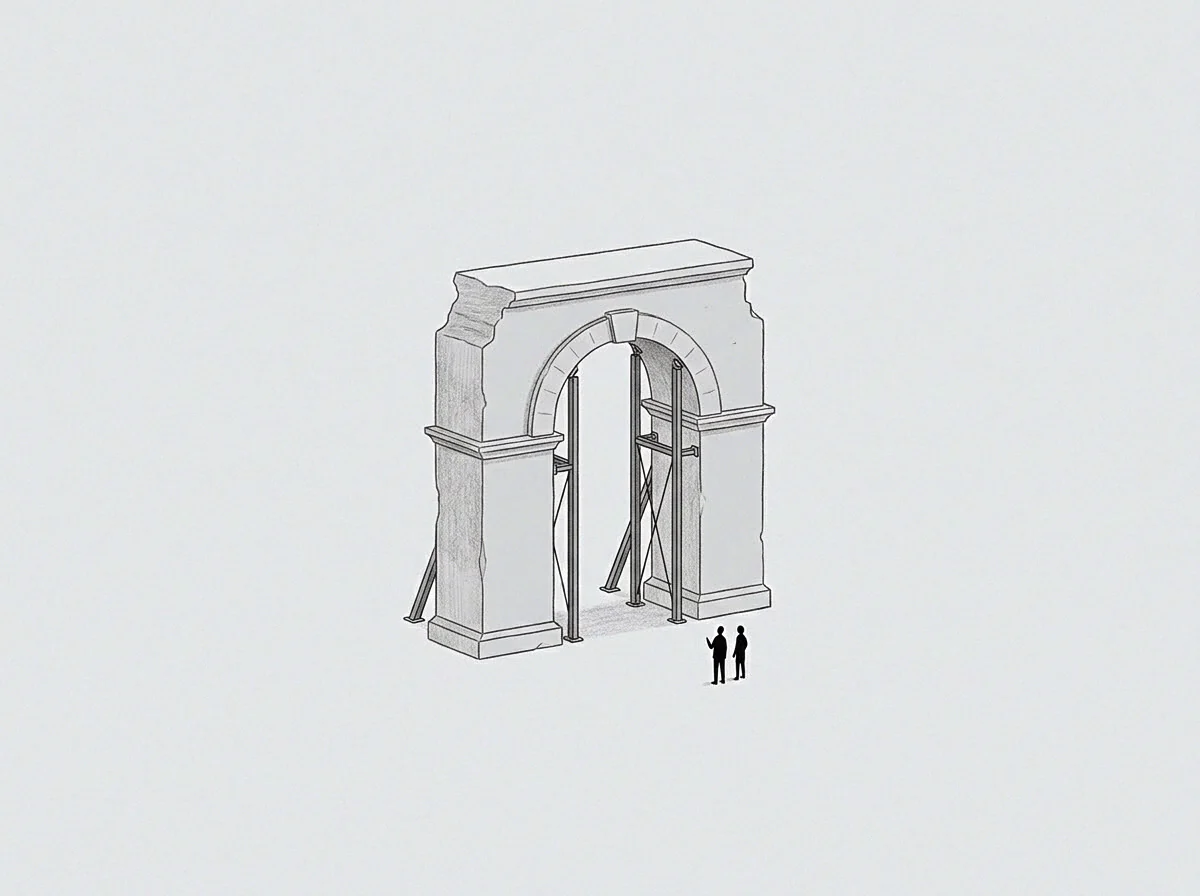
The Inbound Pressure Vector
Delivery stress acts as an external force vector pushing the system down the steepest local slope. When a critical deadline approaches, the cost of evaluating complex architectures rises relative to the cost of deploying simple, familiar structures. Teams abandon abstract interfaces, split microservices back into monoliths, and hardcode external configuration parameters directly into application code.
This structural contraction happens before any code is written, taking place entirely within the mental and operational models of the engineering team. The room accepts a sub-optimal data model today because validating the flexible alternative consumes three days of investigation that the schedule does not contain. The system survives the deadline, but the theoretical volume of future state space shrinks permanently around the deployed artifact.
The immediate objective remains delivery at any structural price, and the long-term architectural choices can wait until the current release stabilization finishes.

Gauge
Measuring the rate of state space compression requires comparing the baseline distribution of planned architectural paths against the actual execution traces recorded under stress. When a system operates without severe delivery constraints, its path divergence is wide, reflecting ongoing experimentation and iterative refinement. Under stress, path divergence drops toward zero, indicating that the system executes only the most predictable sequence of actions.
Quantifying this reduction relies on tracking the variance of proposed technical decisions over consecutive sprint cycles. A sudden collapse in proposed architectural variants signals that the team has stopped exploring the state space and settled into a local minimum. Avoidance of complex modules serves as a coordinate marker for where unprocessed technical debt accumulates behind the delivery schedule.
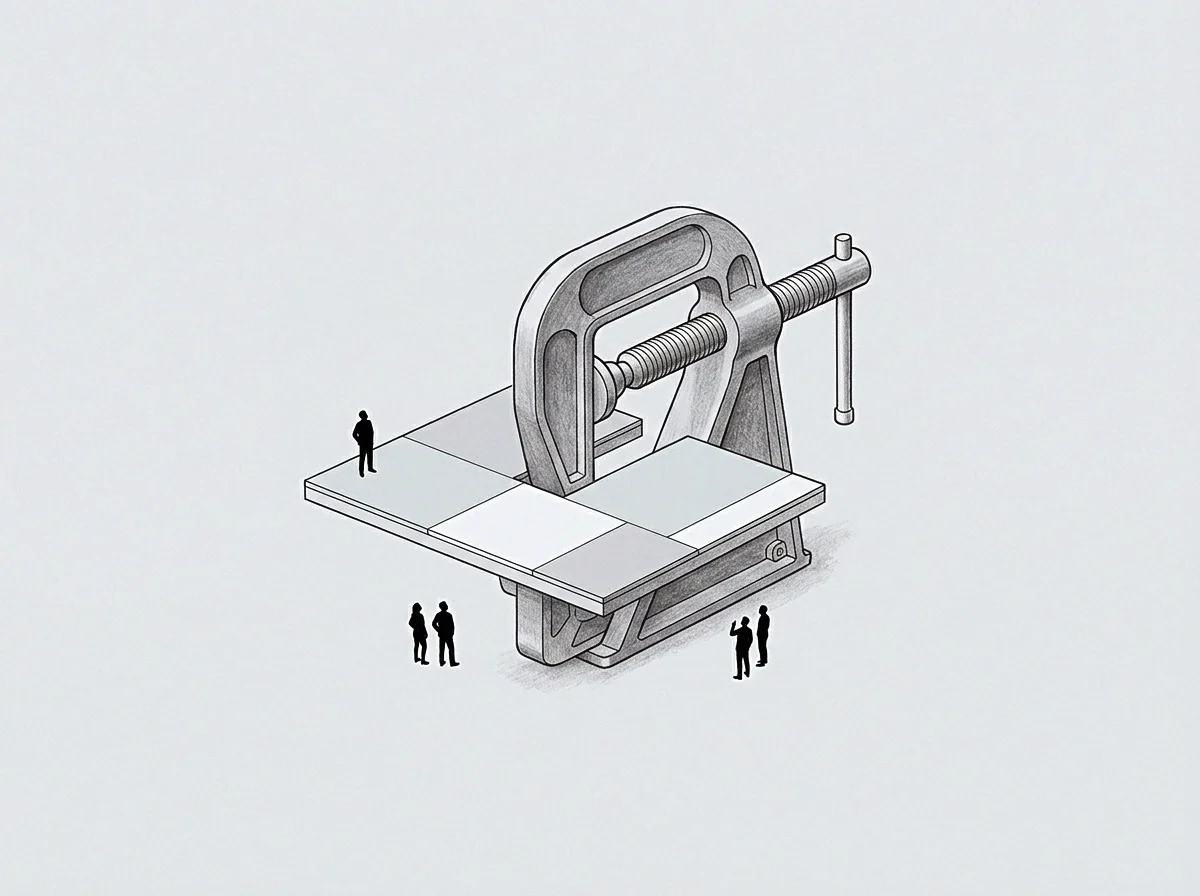
Calculating State Reduction Rates
The rate of state space shrinkage maps directly to the magnitude of external delivery stress. By measuring the ratio of rejected options to explored options per unit of time, operators can calculate the velocity of state space contraction. A high contraction velocity indicates that the team is pruning valid architectural options prematurely to protect the release date.
Tracking this metric over multiple execution windows reveals whether the state space recovers after the stress event subsides. In healthy organizations, the state space expands back toward its baseline baseline volume once the deadline passes. In fragile systems, the compressed state becomes the permanent baseline, locking the product into a rigid, low-potency operating regime.
State space reduction accelerates when the cost of evaluating architectural choices exceeds the perceived risk of immediate technical debt.
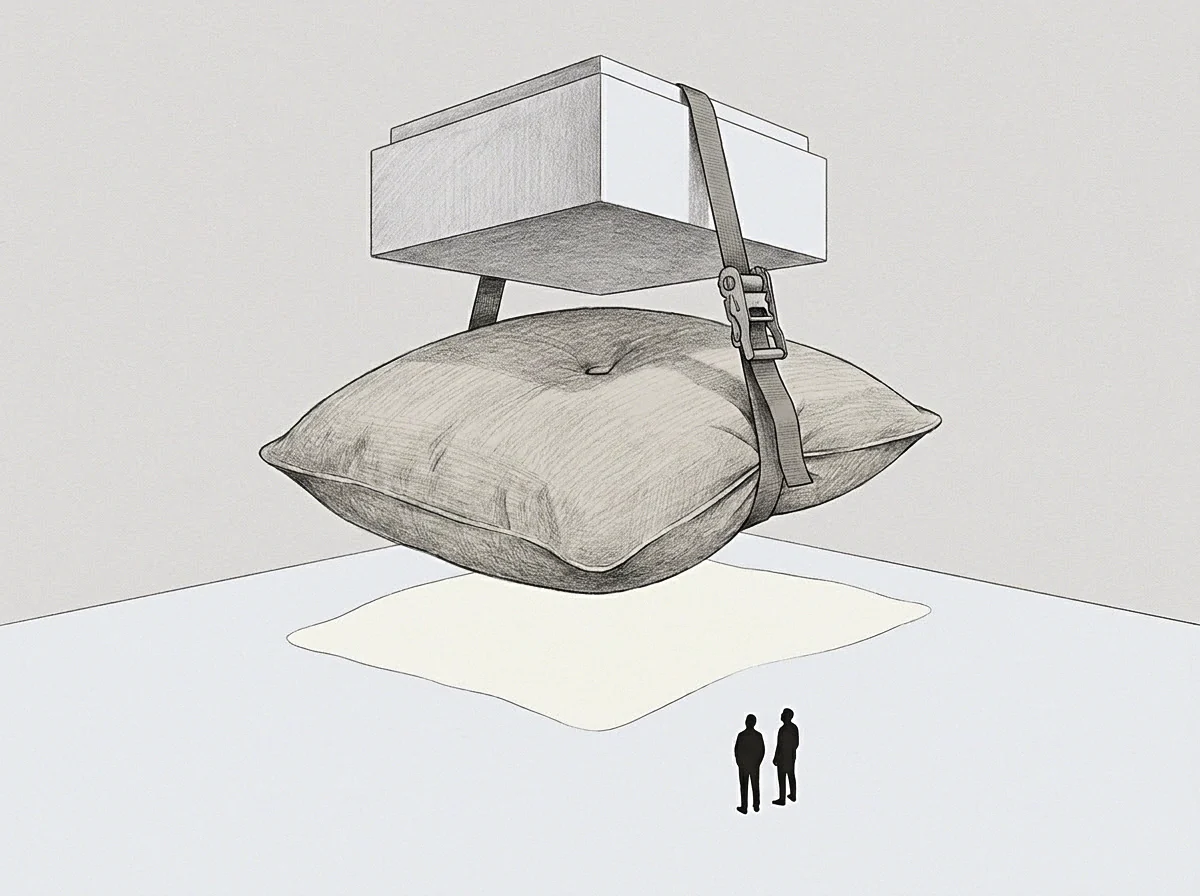
Vector Coordinates of Operational Avoidance
Systematic avoidance marks the boundaries where the operating model refuses to compute solutions due to execution expense. When technical leaders repeatedly skip refactoring critical components, that area of the codebase becomes an operational dead zone. The system routes around the unmanaged complexity, adding wrapper logic and peripheral abstractions to avoid touching the core modules.
- Architectural Monoculture occurs when teams repeatedly select the same familiar software pattern regardless of its fit for new domain requirements.
- Deferred Refactoring Latency measures the expanding temporal gap between when structural debt is identified and when resources are allocated to resolve it.
- Interface Rigidity Floor defines the point where module contracts can no longer accept new parameters without breaking downstream dependencies.
- Tail Risk Evacuation describes the complete removal of failure-recovery paths from the active codebase under short-term deadline pressure.
The presence of these indicators confirms that state space compression has moved from a temporary operational posture to an embedded structural constraint. Measuring these markers provides early warning before the system reaches absolute structural stagnation.
The execution metric shifts permanently when the governing contract enforces immediate output speed over structural expansion.
Toll
The structural consequences of unmanaged state space compression emerge long after the immediate delivery crisis resolves. When a system compresses its state space under stress, it trades long-term operational adaptability for short-term execution predictability. The path of least resistance minimizes immediate effort but deposits the system into a tight local minimum surrounded by high cost walls.
Climbing out of a local minimum requires spent energy that far exceeds the energy saved during the original delivery push. The organization pays for early speed through elevated maintenance overhead, reduced feature velocity, and heightened vulnerability to unexpected edge cases. Over time, the accumulated cost vector forces the operational model into complete stagnation.
Can Initial State Volume Be Restored Post Delivery?
Restoring lost state space volume after a delivery event requires explicit structural investment rather than simple timeline relaxation. Once a team establishes low-complexity workarounds under stress, those workarounds become operational habits. The system continues to select the compressed path even when the external delivery pressure subsides, because the mental model of the team has converged on the narrow pattern.
Re-expanding the state space demands dedicated cycles spent mapping alternative technical routes and unwinding temporary abstractions. Without deliberate intervention, the post-delivery baseline remains anchored to the compressed state achieved during the crisis. The organization retains the operational drag of its emergency choices without retaining the speed that justified them.
Unwinding a compressed state space demands explicit allocation of capacity to rebuild options abandoned during delivery crises.

The Structural Cost of Local Minima Convergence
Local minima convergence occurs when the execution team selects the nearest functional design rather than searching for an optimal topology. Under delivery stress, this selection process is rational because searching the broader state space carries immediate schedule risk. However, settling into a local minimum establishes an architectural floor that limits future throughput.
The cost of this convergence surfaces when new operational demands hit the system. Features that would have fit cleanly into a high-volume architecture now require extensive custom code and fragile integrations. The organization spends more capacity working around its compressed core than it would have spent building a scalable foundation during the initial phase.
Ignoring the cumulative vector of state space shrinkage leaves the organization trapped inside an inflexible operating environment where minor feature changes trigger cascading system failures.

Grid
Comparing different operational regimes during delivery stress reveals how specific control structures either preserve or destroy initial state space. Organizations handle delivery pressure through distinct management strategies, ranging from rigid scope freezing to dynamic option pruning and isolated buffer allocation. Each regime distributes the cost of compression differently across the system’s operational lifetime.
The evaluation table below compares these three operational regimes across core metrics, detailing how each approach impacts initial state space retention, option recovery latency, and ongoing maintenance overhead under equivalent delivery stress conditions.
| Execution Regime | State Compression Rate | Option Recovery Latency | Maintenance Overhead | Structural Flexibility |
|---|---|---|---|---|
| Static Scope Freezing | High | Extremely High | High | Low |
| Dynamic Option Pruning | Moderate | Moderate | Moderate | Moderate |
| Partitioned Buffer Isolation | Low | Low | Low | High |

Comparative Mechanics Under Stress
Static Scope Freezing halts all exploratory architectural work the moment delivery stress crosses a predefined threshold. This regime forces immediate convergence on current implementations, achieving high short-term predictability at the expense of severe state space collapse. Option recovery latency under this model remains extremely long, as the team rarely revisit decisions made during the lock-in period.
Dynamic Option Pruning systematically evaluates and sheds the highest-cost architectural branches while preserving alternative secondary paths. This regime maintains moderate state space volume by dropping speculative features while protecting core abstraction boundaries. The team retains sufficient operational flexibility to reintroduce trimmed options during subsequent optimization cycles.
Tradeoffs Across Operational Regimes
Partitioned Buffer Isolation protects state space volume by insulating core architectural teams from external delivery pressure through dedicated execution buffers. While peripheral teams execute rapid workarounds to meet immediate deadlines, the core engineering group continues refining baseline interfaces within a controlled space. This division prevents emergency choices from corrupting primary system boundaries.
Selecting an execution regime dictates where the system stores its operational debt. Choosing emergency speed over structural preservation guarantees that future engineering cycles will spend their capacity servicing legacy workarounds rather than expanding core functionality.
Insulating core system boundaries from emergency workarounds prevents short-term delivery choices from permanently degrading architectural capacity.
Static scope locks preserve target schedules by transferring the entire cost of structural debt onto future maintenance cycles.
Margin
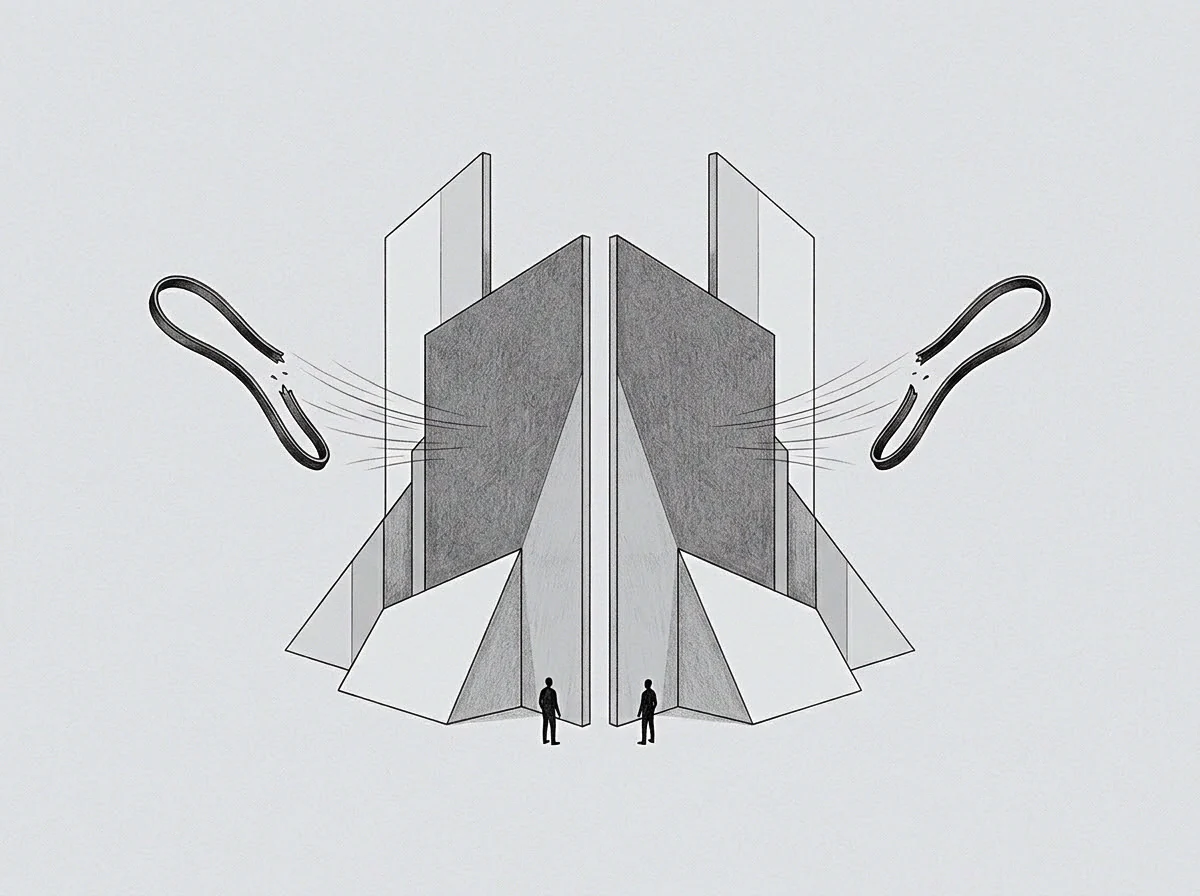
Reclaiming state space margin requires mapping the current boundary wall to identify where emergency shortcuts limited operational reach. The boundary wall represents the line beyond which the current system cannot execute without throwing errors or requiring manual intervention. By measuring the distance between current operating points and this hard wall, technical leaders determine how much usable volume remains inside the system.
Preserving volumetric depth demands continuous monitoring of state space metrics during both baseline operations and high-stress delivery cycles. When state space volume drops below critical thresholds, engineering leadership must halt low-priority feature development to perform targeted boundary expansion. This disciplined intervention prevents the system from locking into an unrecoverable local minimum.
Mapping the Boundary Wall
The wall forms where technical choices made under stress encounter real-world execution scaling limits. A hardcoded database query written to save two days of schema design functions adequately under low traffic but fails when load surges. Mapping this wall involves testing system components under artificial stress to locate hidden bottlenecks before they trigger production outages.
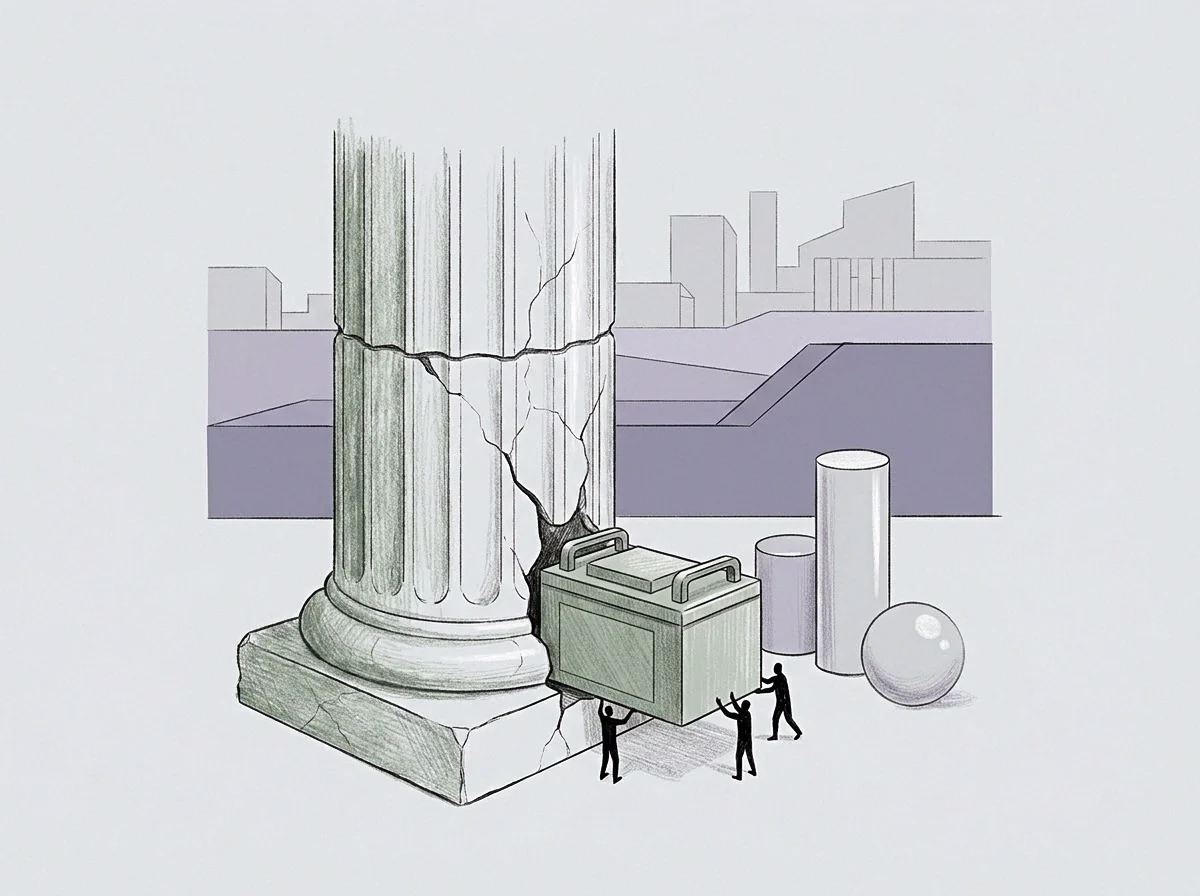
Once identified, these boundary points indicate where state space re-expansion yields the highest operational returns. Re-architecting components at the boundary reintroduces lost degrees of freedom, giving the organization space to maneuver when the next delivery crisis hits.
Procedure for Preserving Volumetric Depth
- Establish baseline measurements of initial configuration space volume during early design phases before delivery stress arrives.
- Track option rejection velocity during active sprint cycles to identify premature pruning of critical architectural options.
- Isolate core system interfaces from emergency scope changes by enforcing strict pull request validation criteria.
- Schedule explicit re-expansion sprints immediately following major delivery events to clean up temporary structural workarounds.
- Audit operational avoidance patterns quarterly to identify modules that engineers consistently refuse to modify or refactor.
Maintaining a healthy state space requires continuous measurement of the slope between current execution and theoretical limits. When operators treat state space compression as a derived measurement rather than a personal failure, they gain the clarity needed to rebuild structural capacity. The boundary wall expands only when the system actively computes solutions at its current edge rather than routing around the discomfort of structural refactoring.