
Systematic Boundary Wall Expansion Methods Through Directional Latent Potential Inversion Dynamics
Directional potential inversion shifts boundary wall coordinates by converting measured avoidance gradients into active structural expansion vectors.
Directional potential inversion shifts boundary wall coordinates by converting measured avoidance gradients into active structural expansion vectors.

Standardized performance signals yield multi dimensional gradient fields by computing partial derivatives of operational effort across orthogonal value axes.
Directional gradient optimization calculates resource reallocation vectors directly from value slopes rather than static matrix categories.
Continuous force on an operational slope causes hidden structural degradation before baseline performance collapse occurs.
Engineering teams route operational expansion around core database constraints by building peripheral wrapper services, accumulating hidden coordination friction.
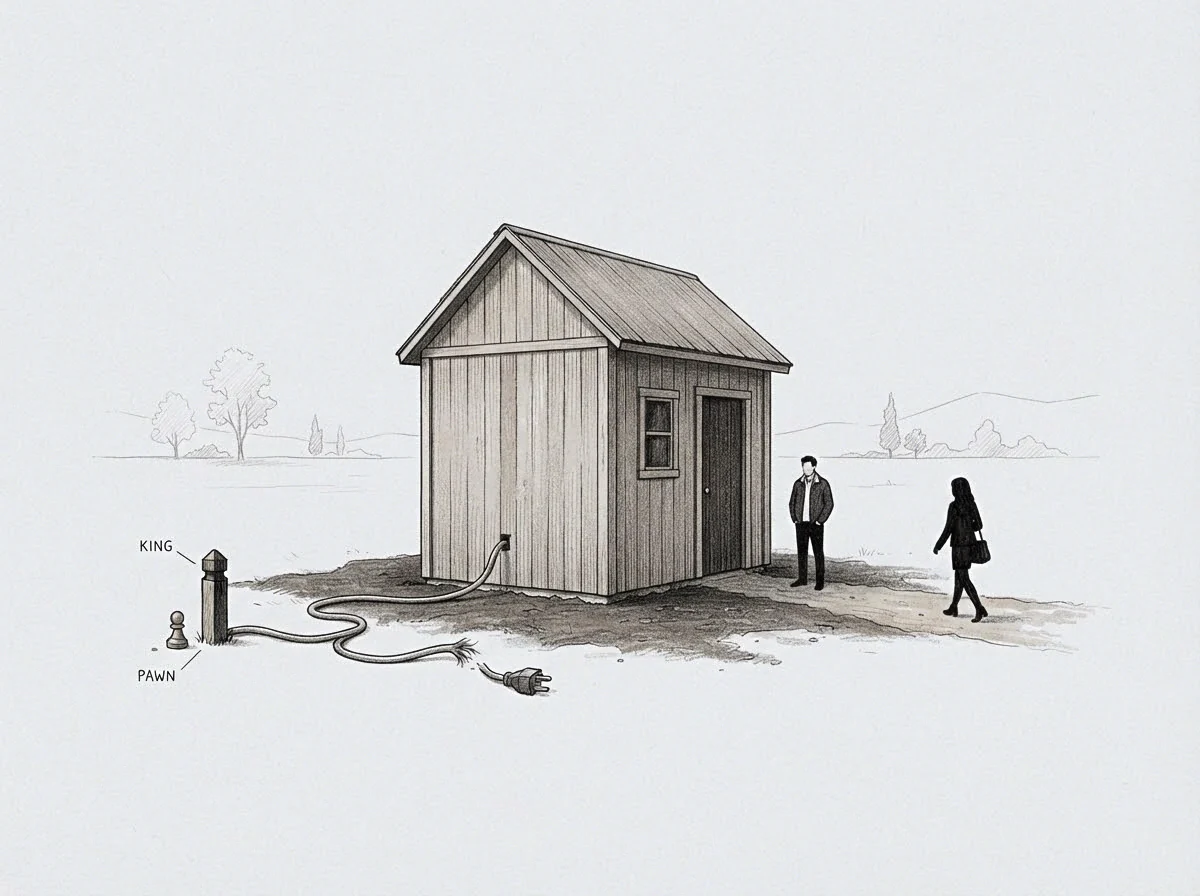
Vector divergence measures the angular offset between executive strategic trajectories and peripheral resource allocation along a derived value axis.
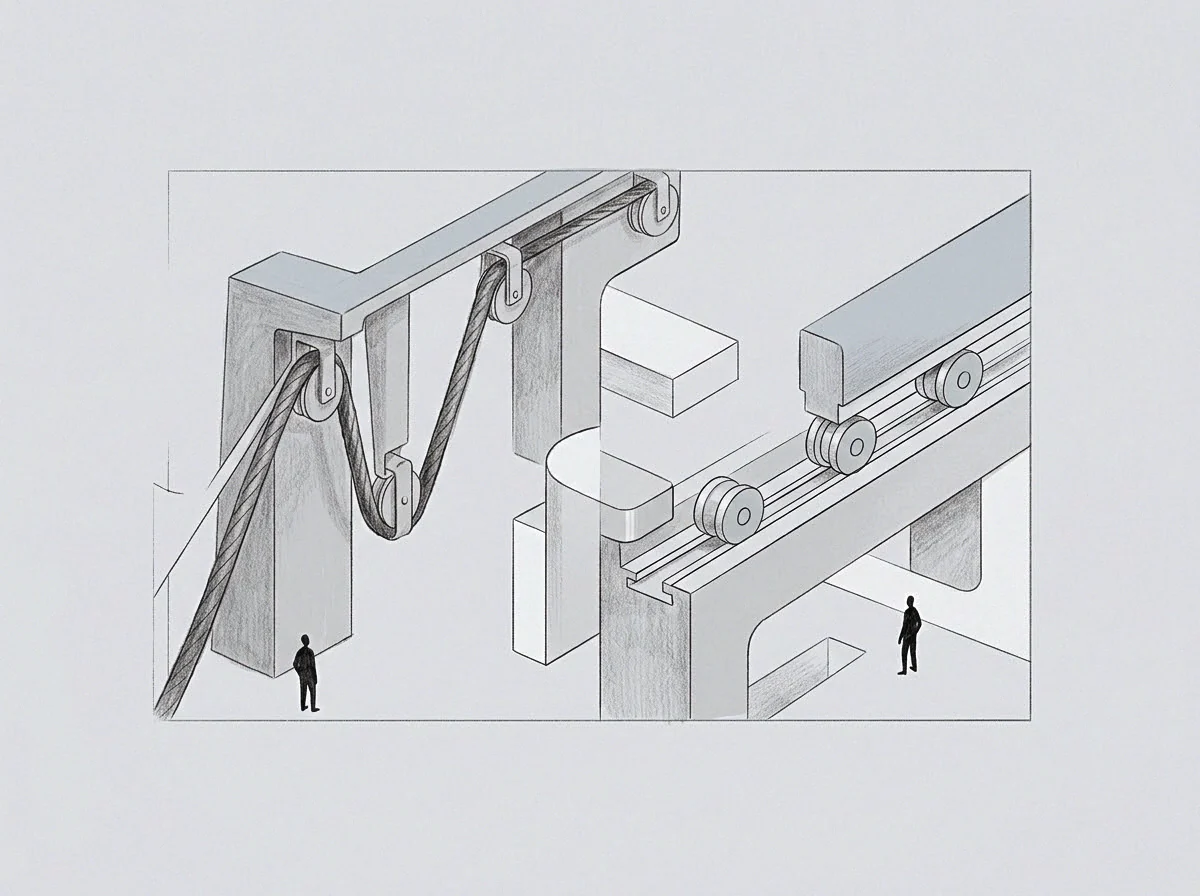
Directional gradient vectors calculate system trajectory and friction by computing partial derivatives across normalized baseline performance metrics.
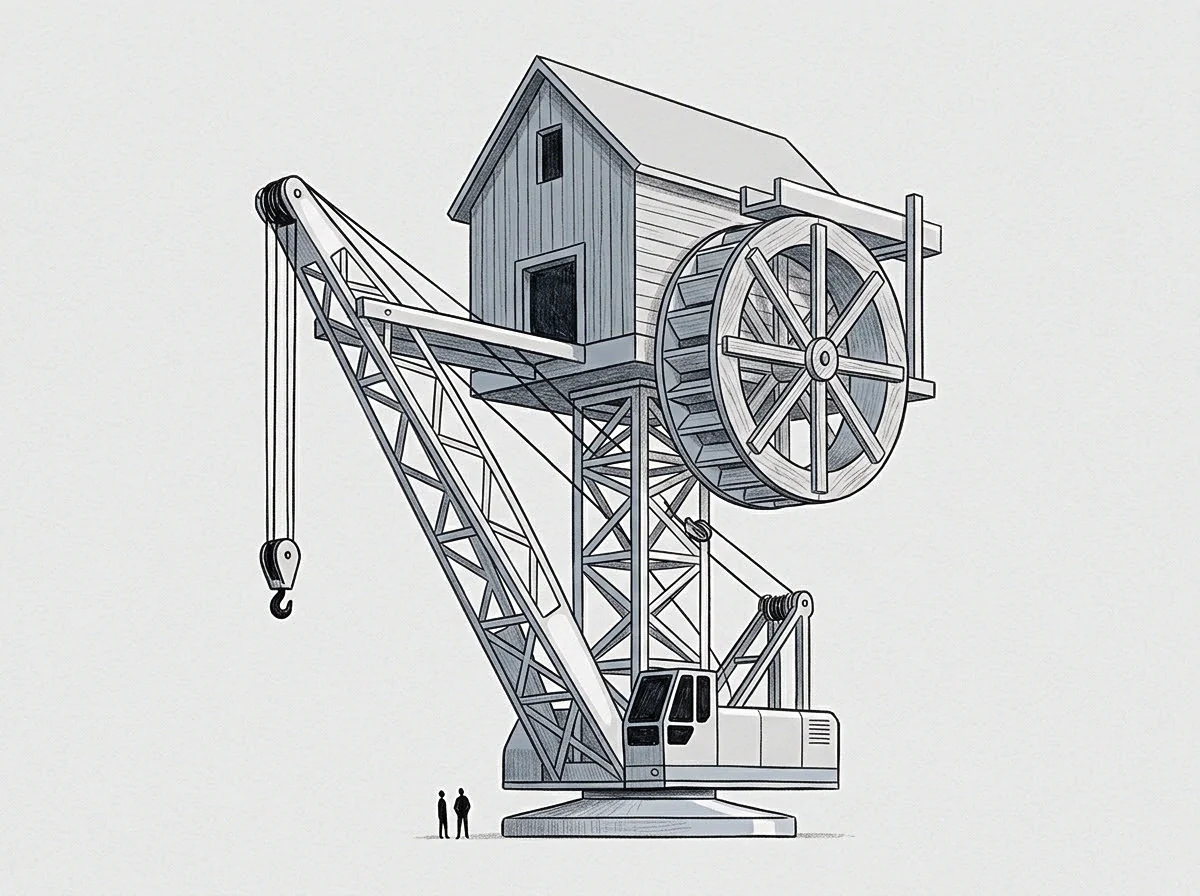
Capital deployment trajectory optimization uses cardinal value function gradients to direct resources along vectors of maximum real operational value gain.
The terms are written where they belong. Each field holds three desks, and every entry a desk writes raises the terms it uses, each term given a meaning, a mechanism and the places it appears. The record on these pages stays first person and hand made; the fields grow the nomenclature.