
Modeling Volumetric Queue Buffer Exhaustion Under Concurrent Stateful Stream Backpressure
Stateful stream backpressure forces in-flight records into persistent memory allocations, exhausting queue buffers when downstream sinks halt consumption.

Frame
A stream partition processor handles eighty thousand events per second while downstream consumer acknowledgments drop to zero during a database compaction phase. In-flight records accumulate in local memory channels as network sockets saturate. When an event stream carries state, backpressure does not merely pause execution, it forces incoming records into retention buffers, window state stores, and intermediate hash maps.
The partition halts.
Stream ingestion architectures balance throughput against bounded memory footprint through explicit network flow control. Traditional stateless queues absorb temporary load spikes by expanding queue length until network sockets push credit depletion signal upstream. In stateful streaming execution engines, each record triggers key lookups, sliding window updates, or stream-to-stream join state additions.
Backpressure delays event emission while key state continues accumulating incoming data points.
Downstream channel saturation forces stateful operators to retain incoming key frames, transforming temporary transport delays into persistent heap allocations.
Volumetric queue buffer exhaustion occurs when the aggregate memory footprint of retained state keys, transport buffers, and uncommitted offset tracking structures exceeds the allocated process boundary. System memory models partition memory between managed heap state, off-heap native serialization buffers, and operating system page cache. When backpressure halts sink execution, memory demand shifts from ephemeral network buffers to persistent state backend engines.
The queue buffer behaves as a continuous storage vessel where ingress rate exceeds egress rate during congestion events. The gradient computed from ingress stream velocity minus drain rate governs memory accumulation speed. Ignoring state expansion dynamics during backpressure events causes out-of-memory kernel termination before upstream source throttling takes effect.
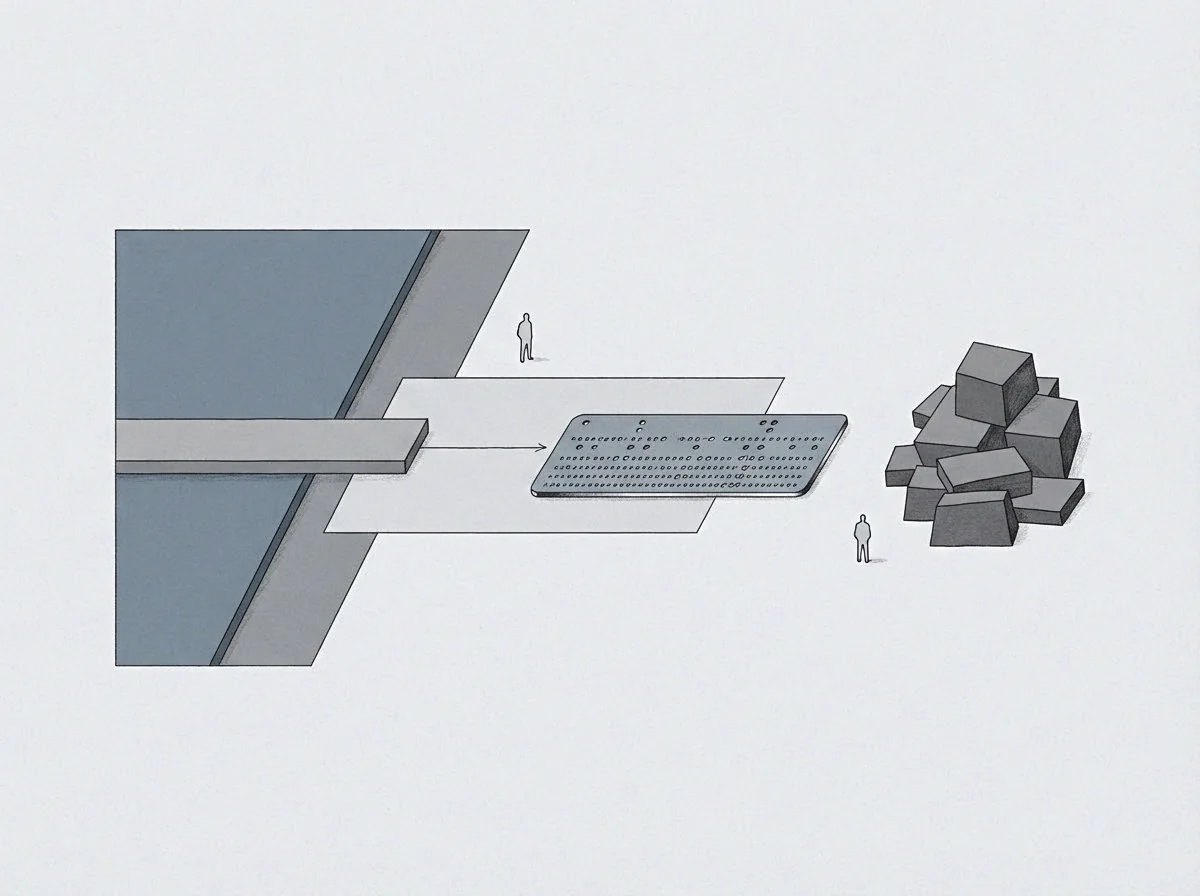
Pressure
Backpressure propagates across distributed stateful stream processing topologies through transport-layer flow control and application-level credit mechanisms. Netty network channels assign fixed buffer bounds to transport connections. When a downstream operator sink pauses database writes, downstream netty channel buffers fill immediately.
Transport layers stop granting buffer credits to upstream task managers. Backpressure propagates upstream.
Stateful operators sitting between sources and sinks experience concurrent state accumulation during flow control propagation. Consider a temporal stream-to-stream join operator holding a ten-minute join window. When the downstream sink stalls, the join operator cannot emit matched join records.
Incoming records from active upstream channels continue arriving until network socket credits deplete completely. State retention consumes space.
The total buffer footprint of a stateful task execution thread comprises four distinct memory pools:
Network serialization buffers capture incoming byte streams directly from transport channels. Managed operator state allocations hold active window state, key-value stores, and sliding aggregation structures. Output channel buffers queue processed records pending downstream transport credit arrival.
Off-heap storage engines store indexed state data structures intended for asynchronous checkpoint persistent storage. Heap overhead compounds quickly.
Stateful operators continue writing incoming events into managed window stores while waiting for output buffer availability. The key cardinality of incoming events dictates the volumetric expansion rate of the state engine. When incoming streams carry high cardinal key distributions, memory consumption scales linearly with event count despite output stream pause.
Throughput falls to zero.
Incorrect flow control configuration allows network buffers to fill while state engines remain unthrottled. Setting network channel buffer count above state backend serialization limits causes unmanaged memory spikes during sink latency stalls.

Tank
Volumetric queue buffer capacity depends on the physical allocation strategy chosen for state storage and transit buffers. Fixed-size heap byte buffers provide predictable allocation footprints but fail under high key cardinality backpressure events. Native off-heap state engines store state in binary slab allocations outside the garbage collection loop, deferring heap fragmentation at the cost of higher CPU serialization latency.
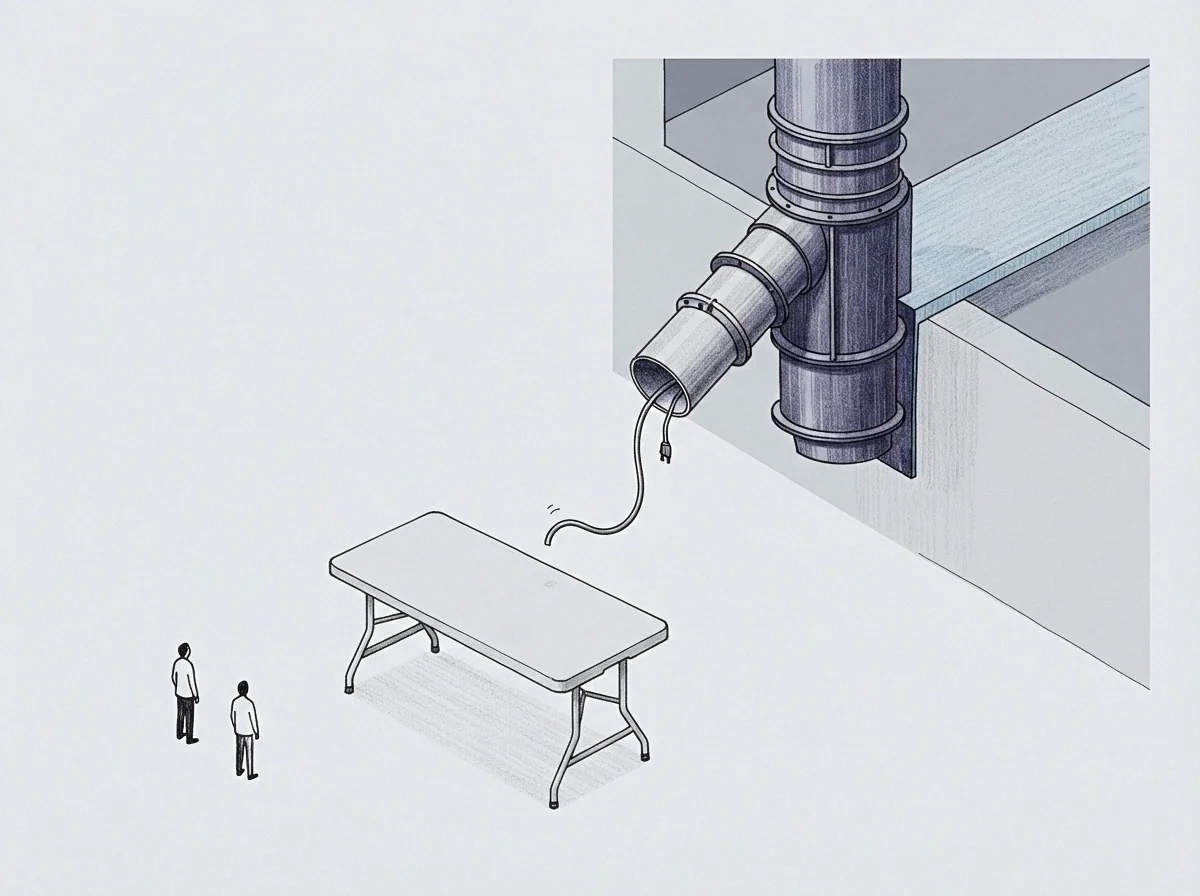
How Stateful Aggregations Accelerate Volumetric Buffer Exhaustion?
Stateful aggregations accumulate incoming record payloads in key-indexed memory tables. During normal processing, complete window windows periodically evaluate, emit payload records, and purge evicted state entries from memory. Downstream congestion prevents output buffer flushes, blocking window evaluation boundaries from clearing.
Incoming records append to active state tables while expired state entries remain pinned in memory pending emission. Buffers fill rapidly.
| Allocation Strategy | Heap Impact | Backpressure Sensitivity | Eviction Latency | Exhaustion Failure Mode |
|---|---|---|---|---|
| Fixed Ring Buffer | Predictable bounded heap footprint | Immediate backpressure transmission | Low deterministic overhead | Tail record drop under ingress overload |
| Dynamic Slab Allocation | Variable off-heap native footprint | Delayed flow control feedback | Moderate fragmentation reallocations | Native process out-of-memory kernel signal |
| Off-Heap Managed State | Isolated low heap footprint | Medium flow control feedback | High serialization block times | Disk overflow during sustained sink stall |
| Partitioned Disk Spill | Minimal runtime heap footprint | High serialization pressure | Severe I/O latency penalty | Disk write queue starvation under disk latency |
The choice between fixed heap buffers and off-heap state structures shifts the physical boundary of system exhaustion. Fixed heap allocations fail through garbage collection pause cascades when state size approaches heap limits. Off-heap native memory structures allow system execution to survive transient spikes but risk host machine process termination when system memory buffers exhaust entirely.
The stream stalls.
Setting off-heap state limits below physical host memory capacity preserves task execution stability during sink stalls.
Volumetric capacity models calculate maximum allowable stream stagnation time by dividing available free memory buffers by incoming state byte accumulation rate. When streaming source velocity equals one hundred megabytes per second and uncommitted state accumulation consumes eighty megabytes per second, a gigabyte of free queue buffer exhausts in twelve point five seconds. Memory growth accelerates.
Unbounded sliding windows compound volumetric expansion during downstream backpressure events.

Threshold
System degradation during stateful backpressure events follows a repeatable trajectory across three distinct physical phases. Recognizing these transitions enables automated architectural protections before volumetric exhaustion causes unrecoverable partition failures.
Take an event processing topology handling fifty thousand multi-tenant device telemetry events per second. The pipeline joins event payload metrics with an active device session state table before emitting aggregated records to an analytical database sink. Assume the downstream database sink encounters a disk write compaction freeze lasting forty-five minutes.
During the first three minutes, output network channels fill to capacity, stopping transport credit allocation. The stateful join operator attempts to flush processed joined records but encounters output buffer blockages. Processing threads block on netty buffer writes, forcing upstream network transport channels to fill.
Eviction policies fail.
Between minutes three and fifteen, upstream backpressure reaches ingestion sources, pausing source partition consumption. Incoming event streams carrying late-arriving temporal out-of-order records continue entering state join buffers via internal network channels already in flight. Session state keys multiply within window memory structures.
State keys multiply.
Between minutes fifteen and forty-five, unpurged state entries, uncommitted offset metadata, and pending serialization objects exhaust total allocated task manager memory. Garbage collection threads run continuously in an attempt to recover heap space, consuming available compute cores and elevating processing latency. Latency spikes sharply.
The structural failure modes observed during extended stateful stream congestion follow specific memory degradation vectors:
- State Key Explosion occurs when continuous key arrivals inflate managed state tables while downstream backpressure prevents window evaluation and state eviction cycles.
- Serialization Buffer Bloat arises when output byte buffers retain serialized event records in uncommitted pending execution queues during downstream credit freezes.
- Watermark Drift Traps occur when backpressure halts watermark propagation across processing threads, preventing temporal window triggers from executing state cleanups.
- Unmanaged Heap Pinning happens when active execution threads lock intermediate payload objects in heap memory while waiting for network channel block releases.
Drain rates drop. Queues overflow completely. State sizes expand.
The system reaches total memory exhaustion when total active state, uncommitted serialized payloads, and transit channel allocations cross the physical execution ceiling.
When watermark propagation stops under backpressure, temporal state window evaluation halts, preventing memory eviction regardless of key expiration rules.
What structural metric distinguishes transient network backpressure spikes from catastrophic state key volumetric buffer expansion?

Recourse
Preventing volumetric queue buffer exhaustion under stateful stream backpressure demands structural architectural controls configured directly into state engine parameters and transport execution layers. Systems relying on passive upstream flow control fail when state expansion outpaces credit transmission speeds.
- Bounded State Memory Constraints enforce strict off-heap memory allocations for active key-value state engines, capping native process memory growth during sink stalls.
- Reactive Watermark Throttle Controls pause temporal event ingestion when downstream output queue fill levels cross eighty percent capacity, preserving window evaluation timers.
- Backpressure-Aware Load Shedding selectively drops low-priority metric events at source partition handlers when state memory consumption approaches physical buffer bounds.
- Partitioned Disk Spill Engine Backends offload aged state window entries from heap RAM to local flash storage channels during extended downstream sink write stalls.
Dynamic ingestion throttling aligns source ingestion rates with sink processing capacity during partial backpressure events. State engine watermarking monitors channel credit capacity continuously, signaling source partition consumers to pause offset polling before local execution queues fill. This prevents unmanaged state accumulation within processing task threads.
Configuring off-heap memory bounds isolates managed state allocations from network transport channel buffers. When native off-heap state tables reach capacity limits, off-heap engines reject new key additions, forcing immediate credit pauses upstream without triggering operating system process memory terminations.
Configuring off-heap memory limits prevents stream execution workers from incurring kernel process terminations during extended sink stalls.
System stability under concurrent stateful backpressure relies on maintaining strict operational boundaries between network transport layers, managed state storage engines, and source partition offset polling loops. The boundary of a stateful processing system is defined by its ability to absorb downstream congestion without exceeding physical memory allocations. Aligning state memory constraints with transport credit bounds ensures deterministic recovery once downstream write sinks resume normal throughput capacity.