
Operational Restructuring Limits in Deflection Networks
Operational restructuring in deflection networks merely redistributes unresolved systemic backpressure into unmonitored organizational sinks.
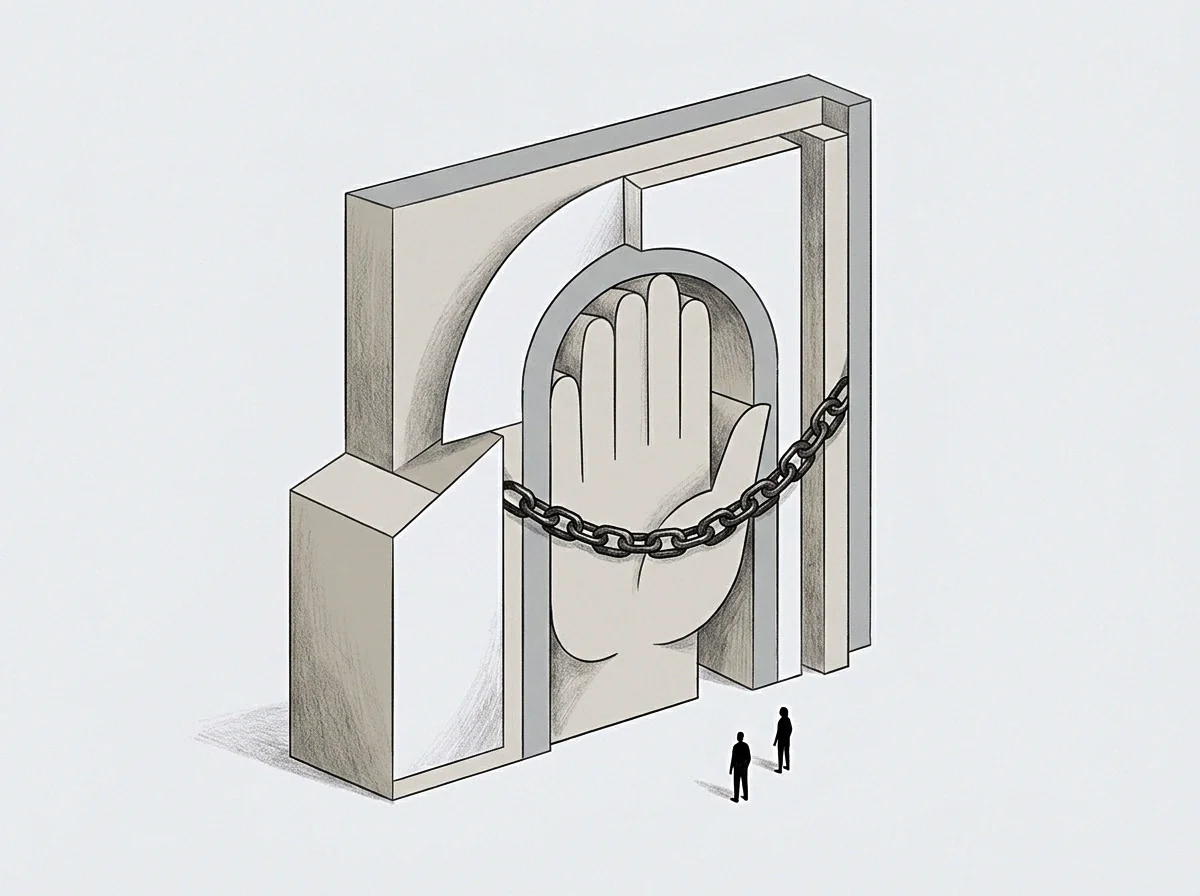
Flume
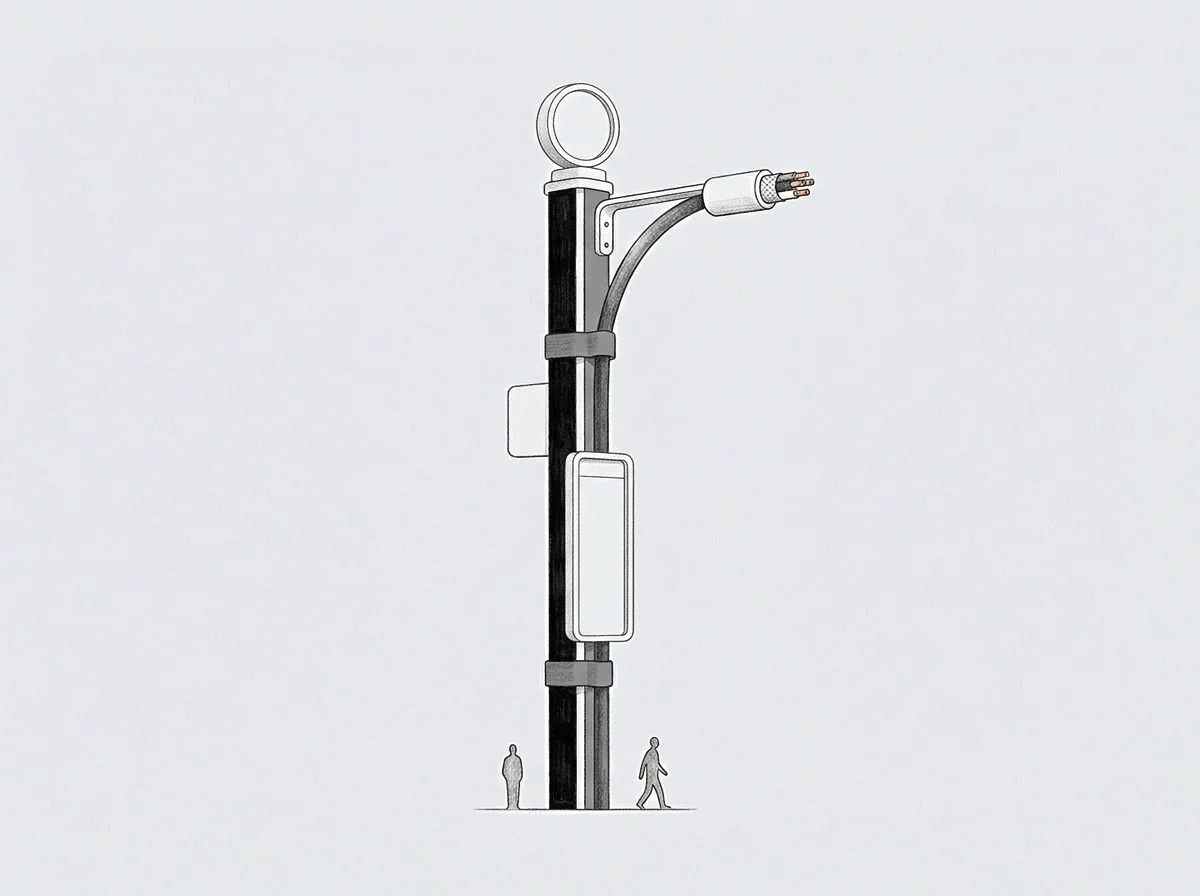
Runoff Routing Across Operational Tiers
An operator restructures a service pipeline by adding tiers, routing exceptions to specialized handlers, and standardizing inputs. Intake metrics appear to clear in minutes, but backlogs double in three separate administrative pools three desks away. The total volume of work across the firm has not changed; the adjustment only relocates where unprocessed material sits waiting for attention.
This displacement forms a deflection channel. When an organization alters its structure to bypass a heavy operational constraint, the uncomputed load travels downstream until it reaches an uninstrumented desk. The team running the primary queue reports velocity gains because their dashboard tracks clearance rather than final absorption.
A structural bypass alters where unprocessed work waits without reducing the energy demanded to resolve it.
The deflection channel establishes an artificial gradient. Work drifts toward the path of least administrative resistance, drawing attention away from the primary bottleneck and scattering it across separate sinks. Under these conditions, the restructuring acts as an organizational maneuver instead of a productive transformation.

Sump
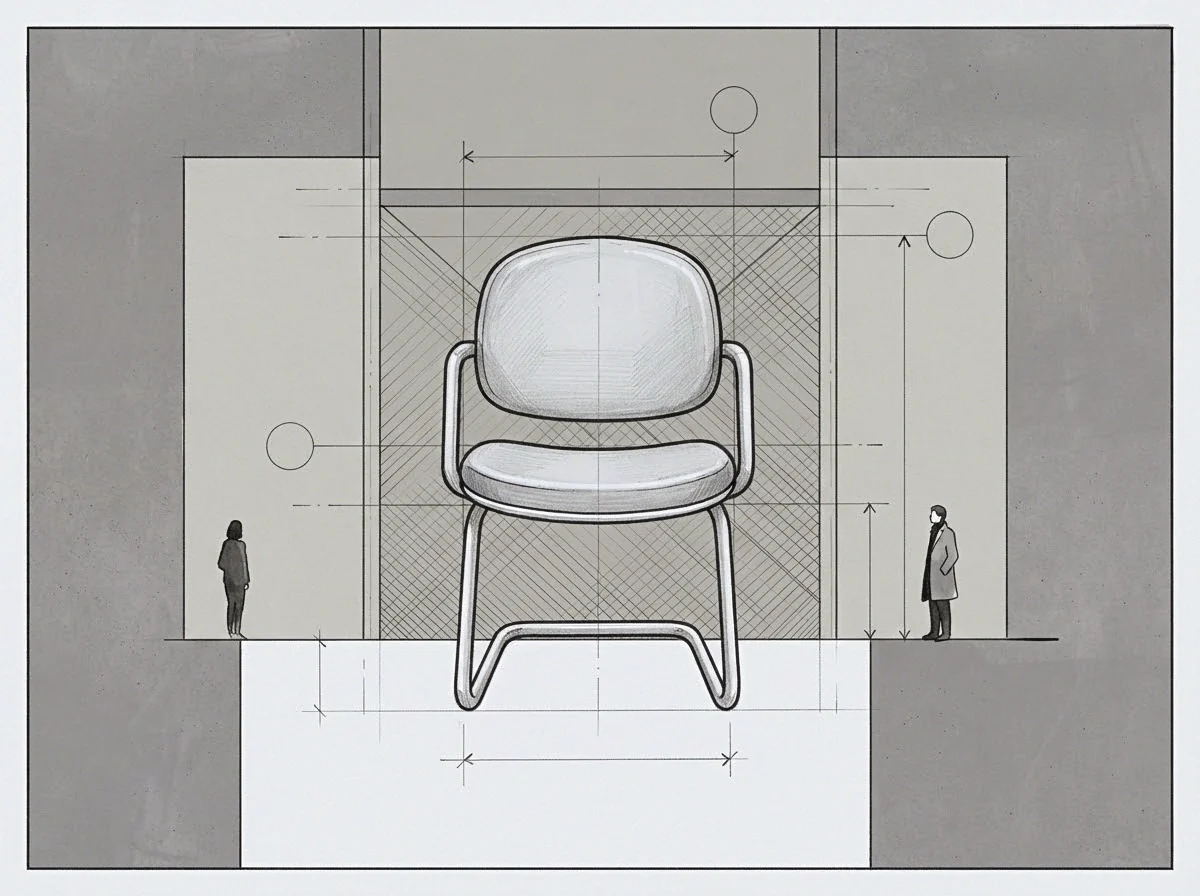
Accumulation Points in Secondary Pools
Work routed away from a primary constraint settles into secondary pools that lack throughput telemetry. An operational redesign typically creates these collection basins beneath customer escalation desks, partner coordination logs, and internal exception tables. The volume accumulating in these basins represents an unspent quantity of deferred labor.
This unspent volume grows invisibly until the receiving unit exhausts its holding capacity. When an administrative team absorbs overflow work stripped of its original diagnostic tags, it can no longer triage tasks by difficulty. Staff process items chronologically, leaving computationally expensive failures to compound at the bottom of the stack.
Uninstrumented queues accumulate computationally expensive exceptions while reporting stable intake rates.
The friction eventually surfaces in the turnover rate of the holding tier. Operators track the direct price of labor in hourly wages while ignoring the ordinal cost in managerial attention hours when an unresolvable queue finally forces an executive escalation.
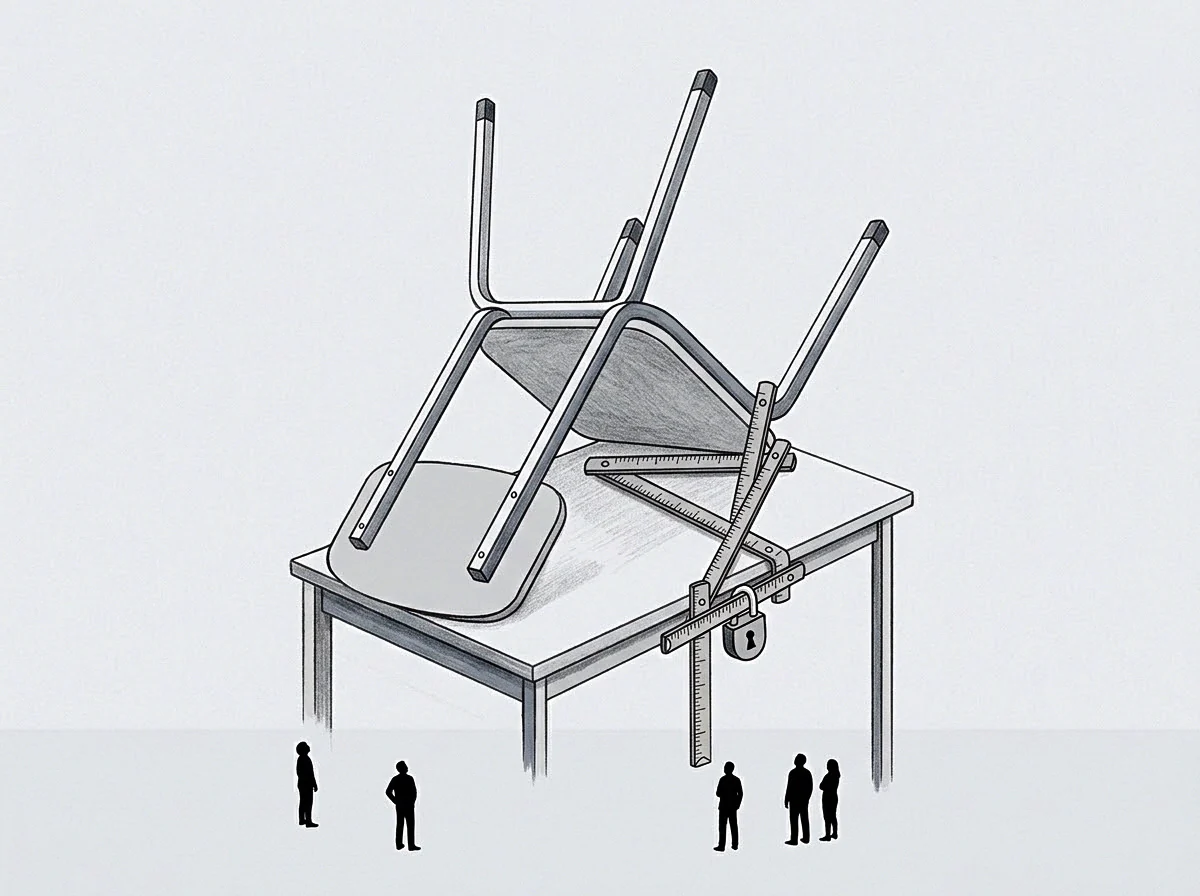
Choke

Capacity Thresholds Along Alternative Paths
Every operational branch reaches a hard throughput boundary set by the cognitive capacity of its staff. Shifting volume from an automated or semi-automated pipeline into manual exception paths quickly saturates the alternative route.
| Structural Configuration | Primary Intake Clearance | Secondary Pool Latency | Unit Cost Allocation |
|---|---|---|---|
| Direct Linear Queue | Saturated, high latency | Zero accumulation | Visible cardinal expense |
| Tiered Deflection Channel | Immediate clearance | Compounding backlog | Dispersed ordinal drag |
| Isolated Exception Cell | Controlled throughput | Bounded linear growth | Fixed structural overhead |
The metrics reflect a basic conservation of administrative friction. Reorganization simply shifts drag between visible channels and unmonitored counts. While a direct queue reveals failure immediately through intake delays, deflection structures obscure the problem by scattering backpressure across disparate desks.
The operational model reaches its limit at this choke line. Avoiding the direct resolution of a core architectural bottleneck turns straightforward technical failures into internal procedural disputes. Staff positioned at the choke point spend their time negotiating manual approvals for work the official workflow already marked as resolved.
Stratum
Layered Resistance and Latent Deficits
Repeated reorganizations deposit administrative strata over unresolved operational debt. Each successive layer of workflow design attempts to bypass the failures of the previous one, leaving an accumulation of workarounds built across obsolete fixes.
A founder surveying this accumulation finds that the same three underlying problems have prompted seven consecutive reorganizations over four calendar years. The organization routinely routes around these specific operational demands because resolving them requires dismantling core working assumptions.
- Structural Latency accumulates as items pass through sequential triage gates without receiving actual transformation.
- Cognitive Fragmentation increases because specialists must reconstruct the history of deflected exceptions with each handoff.
- Coordination Friction escalates when disputes arise over which functional group bears budget responsibility for abandoned tasks.
The gap between the operational path chosen and the one avoided maps the exact contour of the organization’s latent deficit. This unresolved work represents a volume equal to the cumulative avoidance maneuvers made across the lifespan of the company.
Once an operational limit is reached, shifting departmental boundaries does nothing to change the basic workload required to resolve it.