
Reading Avoidance Vectors In Organizational Capacity Expansion
Organizational expansion vectors deflect capital into secondary coordination tasks whenever structural friction along the direct operational path remains unpriced.
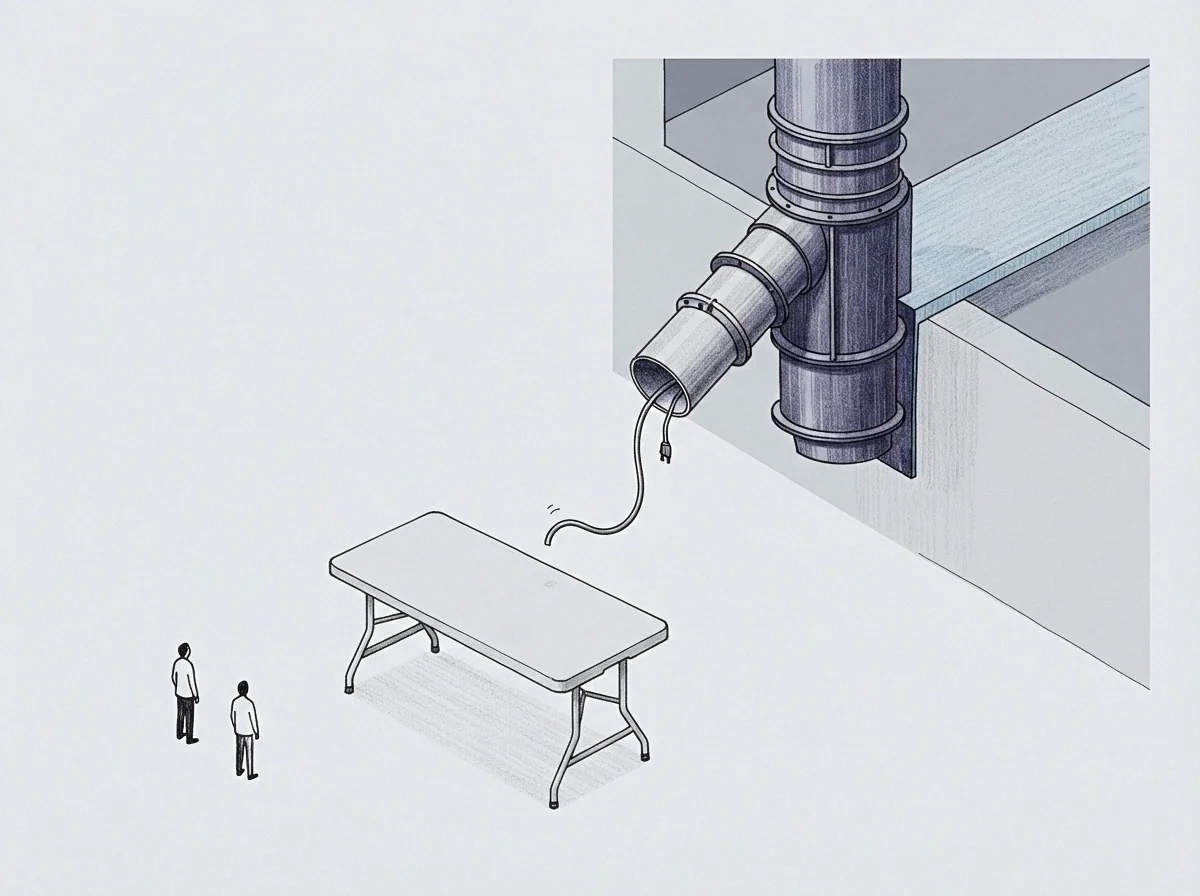
Deflection
A team expands headcount by forty percent while core product throughput drops twelve percent across three consecutive quarters. Spending shifts into secondary tooling, support documentation, and hiring layers around the edges. Activity metrics climb even as finished output falls off, with expansion following the easiest path rather than the most productive one.
When an organization puts capital behind growth, resources follow existing lines of least resistance. Work that involves political friction, unclear authority, or technical debt repels investment, pushing money toward secondary tasks where progress is easy to log without dispute. The gap between what the expansion was funded to do and where the money actually goes creates an avoidance vector.
A team routes effort around unpriced friction until the perimeter work consumes the entire operational budget.
Local coordination costs drive this behavior. An engineer tasked with an undocumented dependency rewrites a nearby utility library instead; a manager tasked with cutting headcount runs a vendor evaluation. Both log hours and spend budget while leaving the original bottleneck untouched, expanding the company’s operating footprint simply to work around the core problem.

Measurement of Angular Deviation in Operational Trajectories
Trajectory deviation shows up in the ratio of hours spent to constraints cleared. The planned path points straight at the bottleneck, while the actual path veers off at an angle set by how difficult coordination feels along the direct route. The wider that angle, the higher the internal friction inside the unit.
Tracking this requires comparing what new hires actually deliver against the original case made for hiring them. In most breakdowns, the hiring proposal targets a fundamental constraint, but the later status reports show time spent on peripheral maintenance. Absorbing capital without clearing the constraint shows that avoidance is running the expansion.
Letting this drift continue piles up secondary operating costs while the main constraint stays in place, building structural overhead that permanently damages unit economics.

Seat
Every new seat in a growing company shifts how decisions get made. Adding administrative, analytical, or management roles builds channels that either absorb friction or create procedural runarounds. Where a seat sits determines whether effort goes into production or gets lost in coordination rituals.
When leadership adds headcount to fix execution problems without defining direct operational ownership, the new hires build layers of process to protect themselves. Those processes institutionalize the very workarounds used to justify the role, turning the seat into a permanent fixture for avoidance.
New administrative personnel create procedural requirements to justify their position when given ambiguous operational remits.
The output of any seat comes down to three structural variables:
- Direct accountability boundary defines the exact operational artifact the occupant owns without shared authority.
- Coordination friction surface measures weekly hours spent negotiating consensus across neighboring departments, where multiple sign-offs slow delivery down.
- Output verification latency tracks the calendar days between completing a task and validating it against customer delivery.
In one operating unit that added six coordination roles over an eighteen-month scaling phase, the group instituted weekly alignment meetings, review boards, and status dashboards. Production cycles stretched from fourteen days to forty-two days. The new coordinators defended the longer timeline as risk mitigation, which masked a basic unwillingness to resolve vague product specifications.
Management brought in analysts to clarify technical priorities, yet the resulting process requires ongoing consensus across stakeholders before any code can ship.
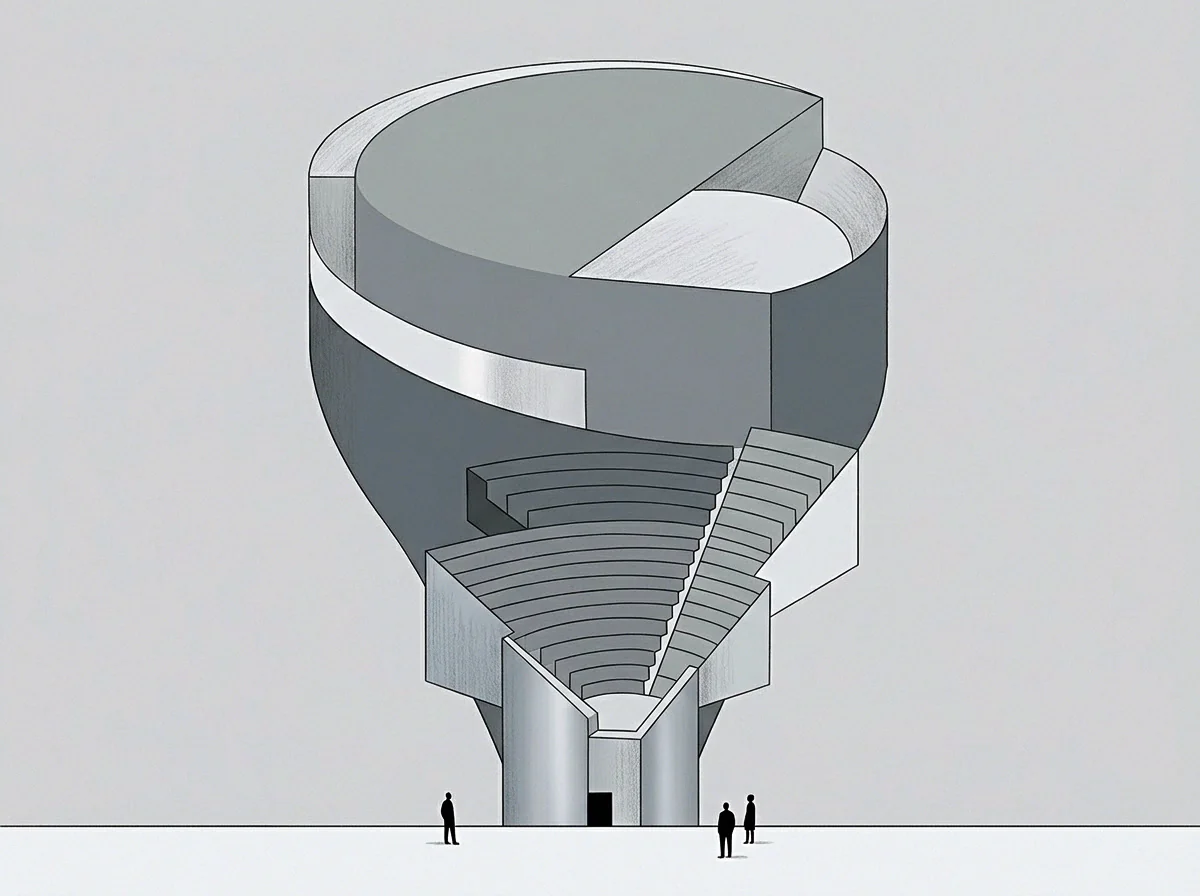
Wedge
The wedge is the expanding gap between nominal capacity and actual throughput. As headcount and spending rise, an organization expects delivery volume to scale proportionally or better. Unchecked avoidance vectors push returns below linear growth instead, widening the deficit between theoretical output and what actually ships.
This deficit burns through working capital while creating a false sense of operational weight. The organization looks larger, busier, and more organized, but its ability to produce core value erodes under internal coordination loops.
Systemic drag expands whenever newly added capacity spends operational cycles negotiating authority with existing personnel.
Tracking how this wedge forms requires comparing structural growth against delivery numbers across scaling phases.
| Scaling Tier | Headcount Growth Rate | Coordination Overhead Index | Effective Throughput Ratio | Dominant Deflection Mechanism |
|---|---|---|---|---|
| Tier 1 (Early Expansion) | 30 percent | 12 percent | 0.88 | Tooling proliferation and platform migration |
| Tier 2 (Mid Expansion) | 75 percent | 38 percent | 0.62 | Inter-departmental alignment committees |
| Tier 3 (Late Expansion) | 140 percent | 82 percent | 0.34 | Process documentation and metric restructuring |
In Tier 1, avoidance shows up as arguments over minor technical tooling. In Tier 2, it shifts to debates over team structure. By Tier 3, it hardens into bureaucratic self-preservation.
Each phase widens the gap between invested capital and delivered output.
New capital consistently follows the path of least resistance.
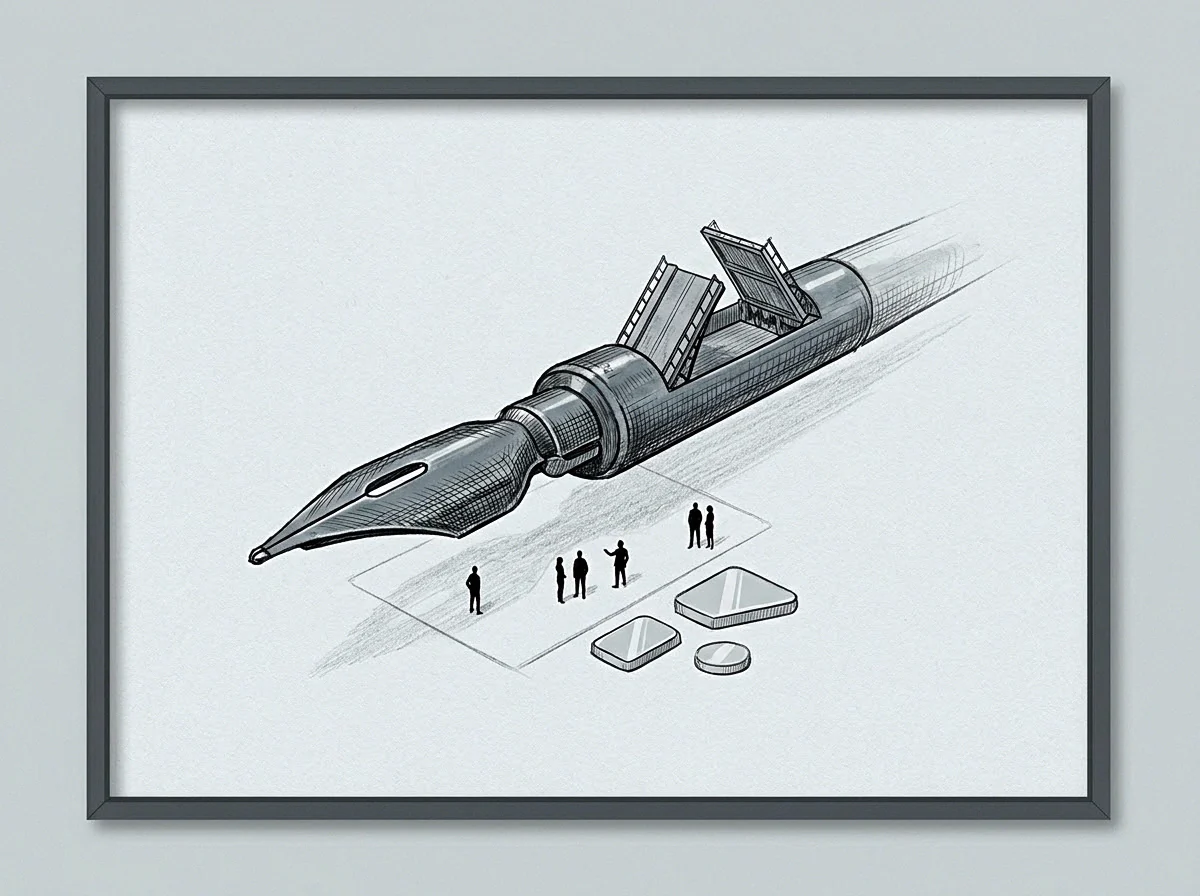
Channel
Capital inside a company flows along existing structural lines. When budget is allocated for growth, funds travel through established departmental paths unless management explicitly redirects them. Those existing paths reinforce old operating habits and settled patterns of avoidance.
Pouring expansion money into existing setups without changing incentives only speeds up avoidance. A department that has always avoided direct customer conversations uses new budget to hire research agencies. An engineering team that dodged refactoring old systems uses extra engineers to spin up peripheral microservices.
Unconstrained expansion capital amplifies established organizational avoidance patterns rather than correcting them.
Correcting structural deflection requires placing strict constraints on how funds get allocated:
- Isolate expansion capital by placing funds in dedicated project accounts tied directly to constraint-removal milestones.
- Enforce direct execution quotas requiring seventy percent of newly hired engineering hours to interact with primary codebase repositories, preventing peripheral side projects.
- Eliminate intermediate reporting layers between production personnel and executive capital allocators to maintain feedback fidelity.
A formal allocation covenant requiring verified customer delivery before authorizing additional headcount stops capital from pouring into unproven coordination roles.
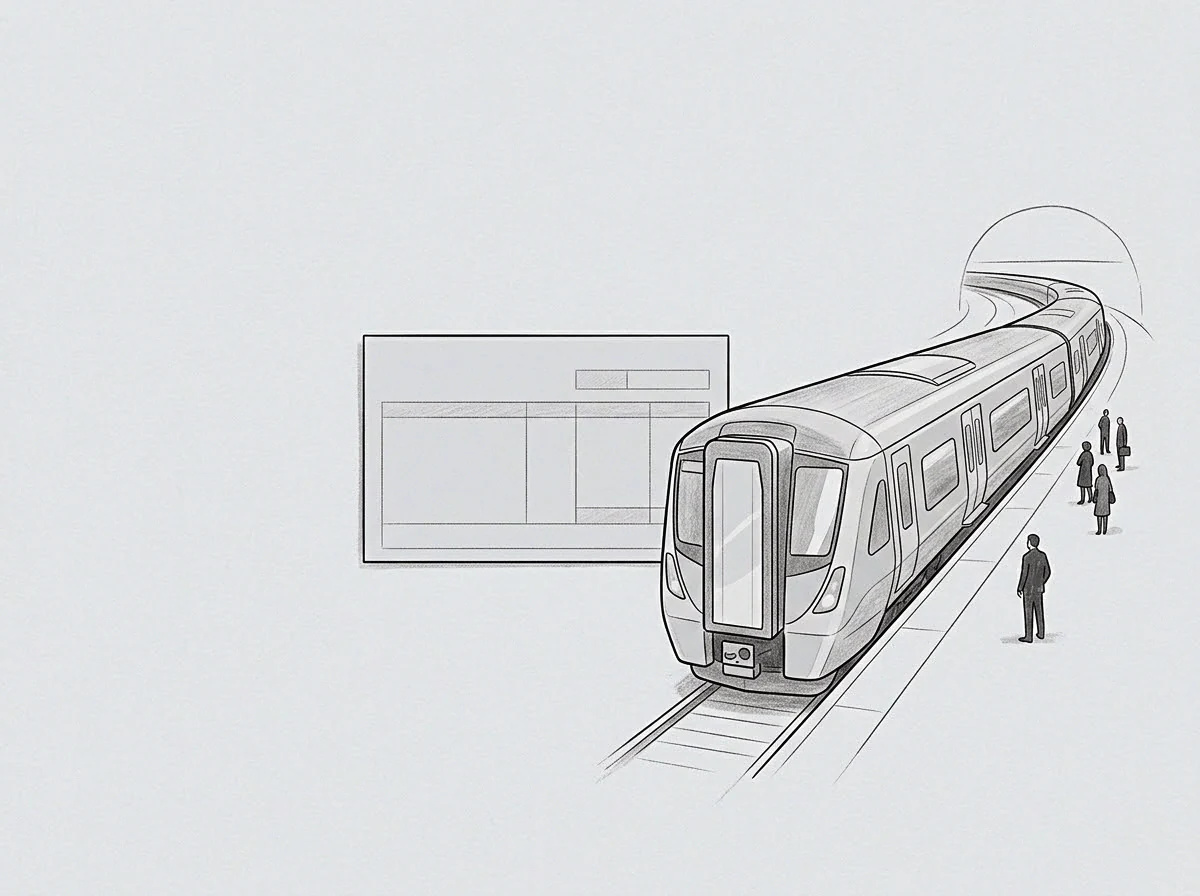
Notch
The structural notch is the catch point where an expanding company either accepts the friction of direct execution or retreats into permanent deflection. Reaching it forces a choice between tackling primary structural bottlenecks and formalizing procedural workarounds.
At this threshold, the immediate cost of addressing technical debt, misaligned staff, or architectural flaws looks steep, while the comfort of adding administrative overhead feels low-risk. Organizations that pull back settle onto a plateau where high burn rates support only marginal throughput.
Operating past the notch requires identifying avoidance vectors, removing procedural shields, and tying new capacity directly to core throughput bottlenecks. Management has to evaluate every new seat by its effect on delivery speed rather than its contribution to org chart symmetry.
Whether an established enterprise can dismantle self-reinforcing avoidance structures without a complete reorganization remains an open question.